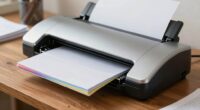
If you’re not careful during hot lamination, you risk permanently damaging your art prints. Common mistakes include neglecting proper surface cleaning, using dull tools, or choosing the wrong film thickness and finish. Incorrect temperature settings can cause warping, bubbles, or wrinkles, while poor handling might lead to scratches or misalignment. Avoid these errors by preparing your artwork properly and selecting the right materials. Keep going to discover how to prevent these issues and protect your art long-term.
Key Takeaways
- Failing to thoroughly clean and dry the surface before lamination traps dirt and oils, causing bubbles, wrinkles, or adhesion issues.
- Using dull tools or improper handling during cutting and setup can create jagged edges or misalignments that damage the print.
- Choosing an incompatible lamination film type, finish, or incorrect thickness may lead to tearing, cracking, or poor preservation.
- Applying incorrect temperature settings or rushing the process causes warping, melting, or poor adhesion, permanently damaging artwork.
- Neglecting long-term care, such as improper storage or environmental protection, accelerates deterioration and reduces the lifespan of laminated prints.

Laminator Machine, A4 Laminators Hot & Cold with 20 Laminating Sheets and Trimmer, 9 Inch Laminating Machine for Office, School, Business and Home
- Complete Laminator Kit: Includes laminator, sheets, cutter, manual
- Fast Warm-Up: Preheats in 90 seconds with steady speed
- Quiet Operation: Operates at 30 dB for a peaceful environment
As an affiliate, we earn on qualifying purchases.
As an affiliate, we earn on qualifying purchases.
Common Mistakes That Can Damage Your Art During Hot Lamination
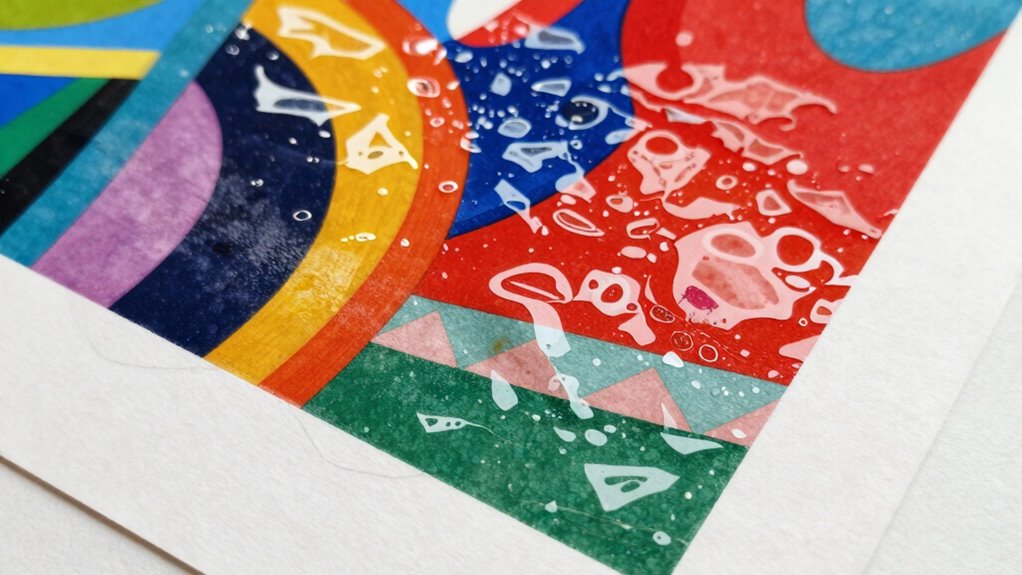
When hot lamination goes wrong, the damage to your artwork can be immediate and irreversible. One common mistake is neglecting proper framing techniques before lamination, which can cause uneven pressure and bubbles. Failing to clean the surface thoroughly can trap dirt or oils, leading to permanent distortions. Additionally, using the wrong type of lamination film can compromise archival preservation, accelerating deterioration over time. You might also overlook temperature settings, risking melting or warping the print. These errors can distort colors, damage delicate paper, or cause your artwork to peel. To avoid this, always prepare your piece carefully, follow correct framing techniques, and select archival-quality lamination materials. Proper preparation ensures your art remains vibrant and intact for years to come. Understanding crisping techniques can also help you achieve better results in protecting your artwork during lamination. Incorporating digital content strategies into your artistic process can enhance the overall quality and presentation of your work. Additionally, knowing about archival preservation methods can further safeguard your pieces from potential damage during the lamination process. Furthermore, utilizing ethical consumerism can guide you in selecting materials that are environmentally friendly and sustainable. Moreover, utilizing accessibility features can help ensure that your artwork is appreciated by a wider audience, enhancing its impact.

INTBUYING 1102×25 In (0.7×31 Yards) 3 Mil Matte UV Luster Vinyl Laminating Film, 1 Inch Core Matte Laminating Film, Clear Cold Laminate Roll
- Material: Transparent PVC with pressure-sensitive adhesive
- Surface Thickness: 3 Mil (0.75 mm)
- Length: 91.86 ft (28 m)
As an affiliate, we earn on qualifying purchases.
As an affiliate, we earn on qualifying purchases.
How to Choose the Right Laminating Film for Your Artwork
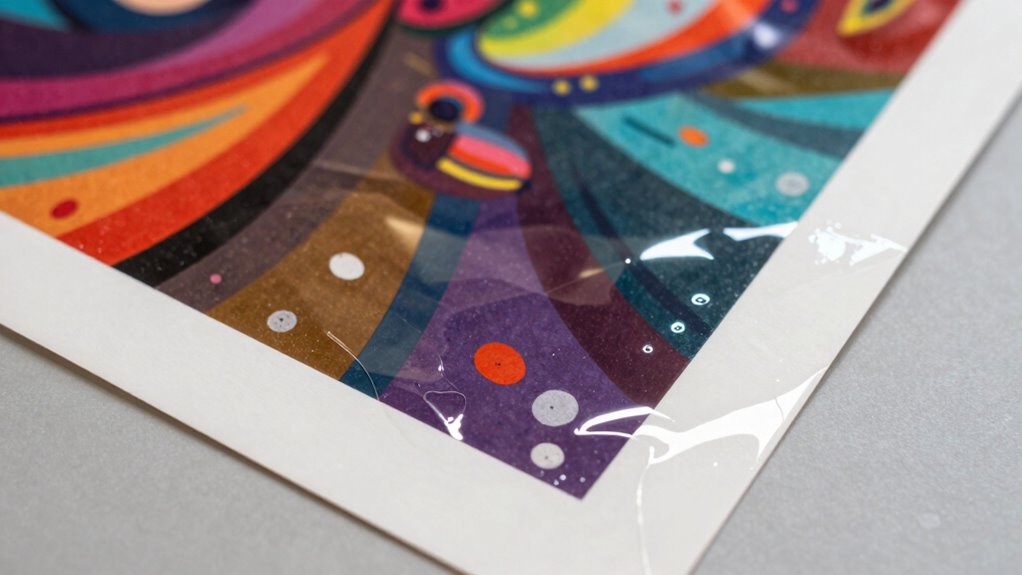
When selecting laminating film for your artwork, consider whether a glossy or matte finish best enhances your piece’s look and feel. You’ll also want to match the film’s thickness to your artwork’s durability needs, ensuring it won’t tear or crack over time. Additionally, some electric dirt bikes are designed with lightweight materials that enhance their performance, similar to how suitable laminating film can improve the longevity of your art. Furthermore, using unique beetroot recipes for baby-led weaning can inspire creativity in presentation, much like how the right laminating film can elevate the appearance of your artwork. Finally, make sure the film is compatible with your specific art type to prevent damage and achieve a professional result. Additionally, maintaining indoor air quality is crucial, as it can help preserve the longevity and appearance of your laminated pieces. Understanding the importance of appropriate gear can also enhance your overall preservation efforts. To ensure the best results, consider the humidity levels in your environment, as they can affect both your artwork and the laminating process.
Glossy vs. Matte Finish
Are you unsure whether a glossy or matte finish suits your artwork best? The choice impacts not only art preservation but also how your piece is viewed through different display techniques. Glossy finishes create vibrant, eye-catching images with a reflective surface, perfect for making colors pop. However, they can also highlight fingerprints and glare, which may detract from the artwork’s clarity. Matte finishes offer a subdued, non-reflective surface that reduces glare and fingerprints, providing a softer, more muted appearance. Consider the environment where your art will be displayed and how viewers will interact with it. For high-traffic areas or well-lit spaces, matte might be better. For vibrant displays or gallery settings, gloss can enhance the visual impact without compromising preservation. Additionally, color accuracy is essential in ensuring that the true essence of your artwork is maintained through the lamination process. When selecting your finish, also consider how air quality can affect the longevity of your artwork, as pollutants can cause deterioration over time. Choosing the right finish can significantly impact the overall presentation of your work, making it crucial to consider all factors involved. Understanding caregiving choices can provide valuable insights into the best practices for preserving art in various environments. Remember, maintaining safe travel tips can also help protect your artwork during transportation to different displays.
Thickness and Durability
Choosing the right laminating film thickness is essential to ensuring your artwork’s durability and protection. Thicker films generally provide better art preservation, offering increased resistance against tearing, creasing, and environmental damage. However, selecting a film that’s too thick can make the lamination process cumbersome and may cause bubbles or misalignment. For delicate prints or lightweight papers, a thinner film is often sufficient, maintaining flexibility without sacrificing protection. Material selection plays a crucial role; high-quality films with UV protection and acid-free properties help preserve the artwork over time. Ultimately, balancing thickness and material quality ensures your piece remains vibrant and intact, preventing damage and extending its lifespan. Properly chosen lamination thickness guarantees both durability and aesthetic appeal. Additionally, considering eco-friendly natural pools can inspire environmentally conscious choices in art preservation.
Compatibility With Art Type
- Photographs: Use a UV-protective film to prevent fading and preserve color vibrancy.
- Watercolors or delicate paper: Opt for thinner, non-glare films to avoid damage and maintain clarity.
- Textured or embossed art: Choose a matte or specialty film that complements the surface without flattening details.
- Mixed media or prints with overlays: Select a film that offers flexibility and doesn’t obscure intricate details.
Matching the film to your art type ensures longevity and proper framing, avoiding damage that can’t be undone. Additionally, consider how document safety plays a role in preserving your artwork for years to come.

Sunstar Stationery Kadomaru Pro Corner Cutter with Authentic Hologram
- Cuts up to 3 sheets of paper: Flawless rounded corners on paper and cards
- Easy to use: Insert material and press handle to cut
- Trusted Japanese brand: Ideal for crafting and scrapbooking
As an affiliate, we earn on qualifying purchases.
As an affiliate, we earn on qualifying purchases.
Setting the Correct Temperature to Protect Your Prints
Setting the Correct Temperature to Protect Your Prints
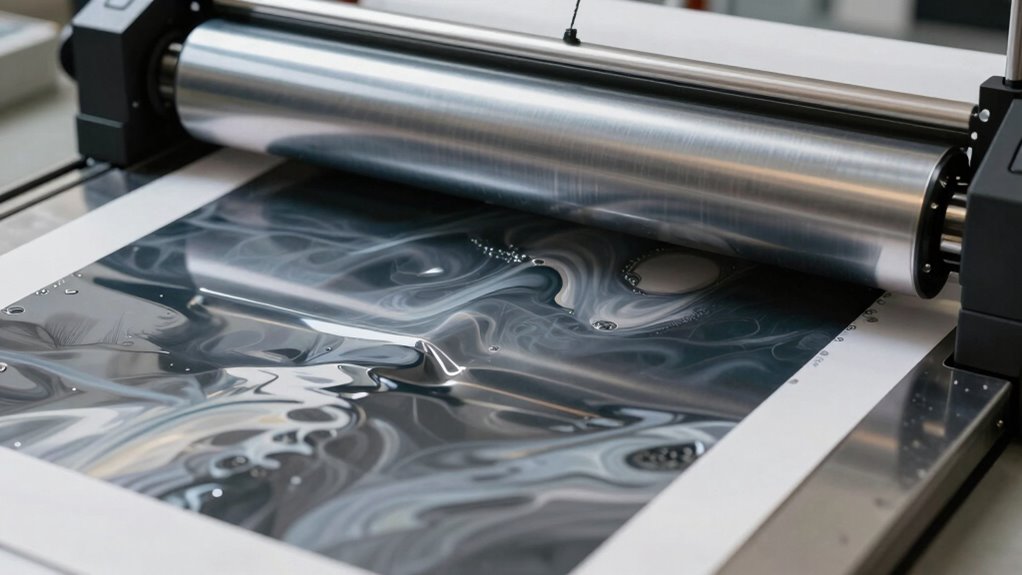
Setting the correct temperature is essential to ensuring your prints stay protected during lamination. Proper temperature calibration prevents damage like bubbling or melting, which can ruin artwork. Start by consulting your lamination machine’s guidelines for the recommended temperature range for your specific film type. Too high a temperature can cause heat warping or melting, while too low may result in poor adhesion or wrinkles. Adjust the temperature gradually, testing on a small piece first. Also, consider laminating speed; a slower speed allows the heat to evenly permeate the print, reducing the risk of mistakes. Consistent temperature calibration combined with appropriate laminating speed helps achieve a smooth, professional finish, safeguarding your artwork from damage and ensuring long-lasting protection. Additionally, understanding filtration basics can help maintain the quality of your lamination process by ensuring that dust and debris do not interfere with the final result. Furthermore, embracing inclusive casting in your workspace design can improve air circulation and overall conditions. Moreover, maintaining optimal air quality in your workspace can further enhance the durability of your prints. Remember, emerging trends in digital publishing can also provide new insights into innovative lamination techniques and materials that can elevate your printing process.

Amazon Basics Clear Thermal Laminating Sheets for Documents and Photos, 9 x 11.5-Inch, 2.8 mil, 100-Pack
- Size: 11.5 x 9 inches
- Pack Size: 100 sheets
- Compatibility: Works with all laminators
As an affiliate, we earn on qualifying purchases.
As an affiliate, we earn on qualifying purchases.
Tips for Preparing Your Art Before Lamination
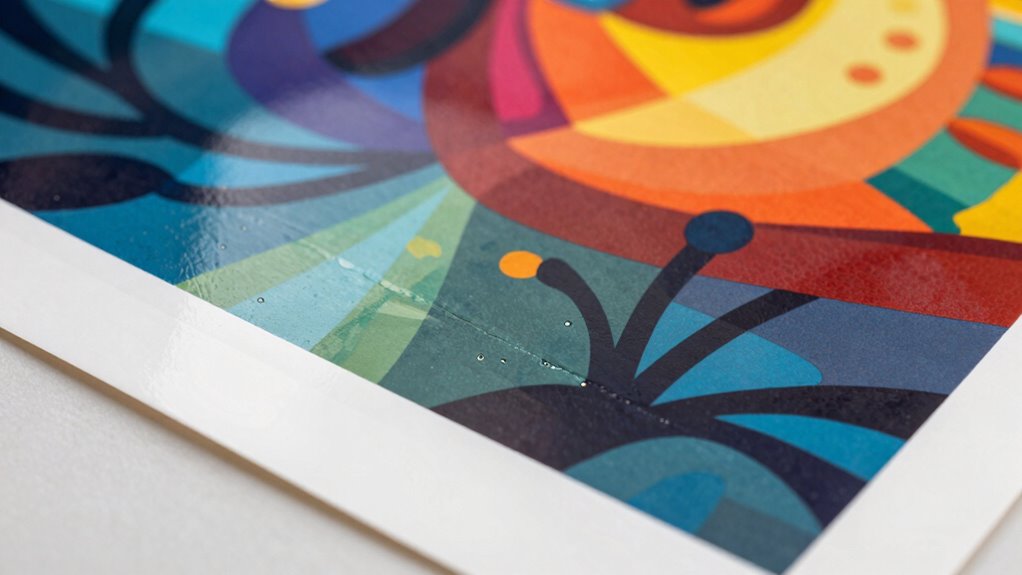
Before laminating, make certain your artwork has a clean surface to prevent dust or debris from trapping under the film. Use proper tools like a squeegee or a ruler to smooth out bubbles and ensure even adhesion. Taking these steps helps achieve a professional finish and avoids common lamination mistakes. Additionally, consider investing in premium laminating film to enhance the durability and appearance of your prints. For optimal protection, look into car covers that can shield your artwork from environmental damage. Incorporating art preservation techniques can significantly extend the life of your prints, just as careful preparation does for your artwork. Upgrading to high-quality flywheels in automotive performance can also improve the overall precision and efficiency of your projects, just as careful preparation does for your artwork.
Ensure Clean Surface
A clean surface is essential for a smooth, bubble-free lamination. Proper surface cleaning helps prevent contamination, which can cause bubbles or damage to your print. To guarantee a flawless lamination, follow these steps:
- Wipe the art with a lint-free cloth to remove dust and debris.
- Use a gentle cleaning solution or isopropyl alcohol to eliminate oils or fingerprints.
- Make sure your workspace is dust-free to prevent airborne particles from settling on the surface.
- Allow the surface to dry completely before lamination.
Use Proper Tools
Choosing the right tools is essential for preparing your art effectively before lamination. Start with a well-maintained laminator; regular laminator maintenance guarantees smooth operation and prevents jams or wrinkles. Use sharp scissors or a craft knife to trim your artwork accurately, avoiding jagged edges that could cause bubbles. Always wear protective gloves when handling materials to prevent fingerprints or smudges that might transfer during lamination. Keep a clean, flat workspace free of dust and debris to prevent particles from getting trapped under the lamination film. Having the proper tools on hand minimizes mistakes and helps achieve a professional finish. Remember, preparing your supplies correctly sets the foundation for a flawless lamination process and preserves your art’s quality.
How to Spot and Handle Damage in Laminated Prints
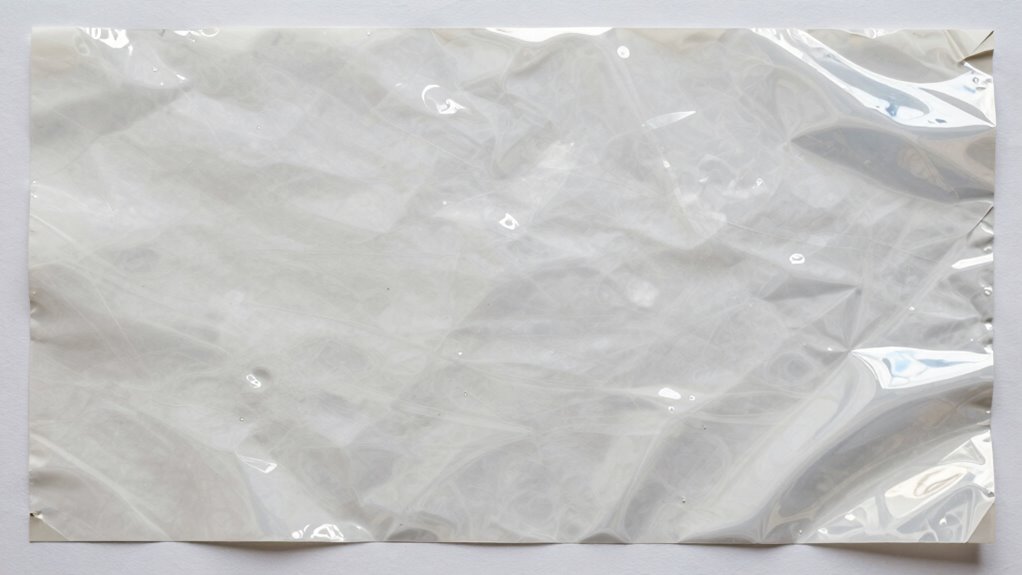
Identifying damage in laminated prints is essential to maintaining their appearance and durability. Early detection helps you preserve art and ensures that frame enhancement remains effective. Check for these common issues:
Detect damage early to preserve laminated prints’ appearance and ensure lasting protection.
- Air bubbles or wrinkles: These indicate improper lamination and can distort the image.
- Peeling or bubbling edges: Often caused by moisture or poor sealing, compromising art preservation.
- Scratches or scuffs: Damage to the surface can degrade the print’s clarity and finish.
- Discoloration or fading: Indicates heat or chemical damage, affecting long-term preservation.
If you notice any of these, gently handle the print and consider re-laminating or consulting a professional. Addressing damage promptly protects your artwork’s integrity and preserves its visual appeal.
Best Practices to Avoid Lamination Errors and Keep Your Art Safe
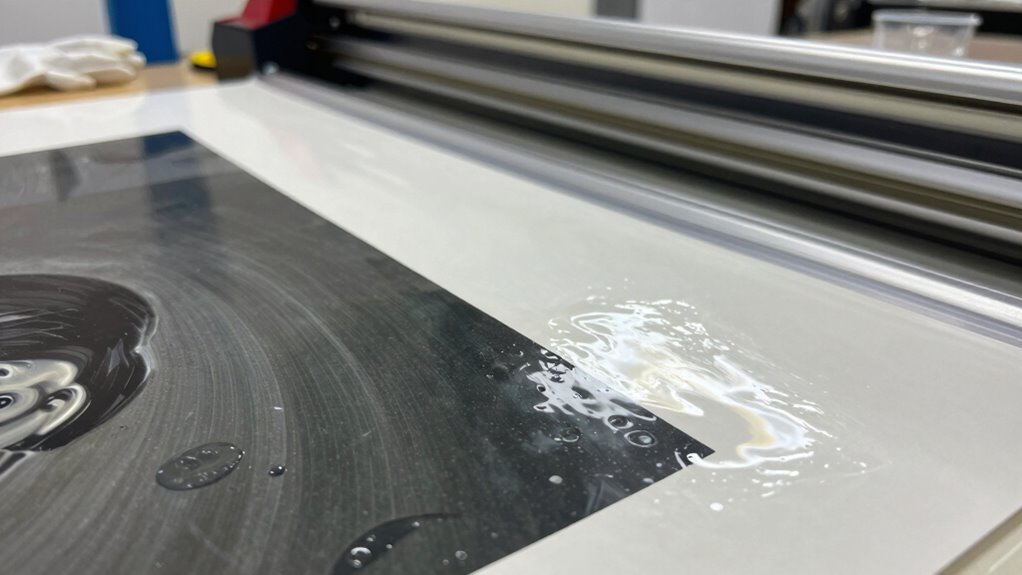
To keep your laminated prints looking their best and avoid common mistakes, it’s important to follow best practices during the lamination process. Use proper alignment tools to prevent wrinkles and bubbles, and choose the right lamination type for your art. Consider framing alternatives like mounting or UV protective coatings for added preservation. Proper handling and storage also help prevent damage. Here’s a quick guide:
| Step | Tip | Result |
|---|---|---|
| Prepare the surface | Clean thoroughly before lamination | Smooth, bubble-free finish |
| Use correct settings | Match temperature and pressure to material | Avoid warping or melting |
| Store properly | Keep away from sunlight and humidity | Long-lasting preservation |
Following these preservation techniques ensures your art stays vibrant and protected over time.
Frequently Asked Questions
Can Hot Lamination Cause Color Fading Over Time?
Hot lamination can cause color fading over time if the lamination isn’t designed with proper UV resistance. Without UV protection, exposure to sunlight accelerates color degradation and diminishes color stability. To preserve your art prints, choose laminates with UV-resistant qualities, and avoid prolonged sun exposure. Properly selected lamination helps maintain vibrant colors and protects your prints from fading, ensuring they stay beautiful for years.
Is It Safe to Laminate Fragile or Delicate Art Prints?
Laminating fragile prints can feel like walking a tightrope over a pit of fire, but with proper lamination safety, it’s doable. You must be extra cautious because heat and pressure might tear or warp delicate art. Use a cold lamination method instead, or seek professional help. Never rush—taking your time guarantees your fragile prints stay intact, avoiding disaster and preserving your artwork’s beauty.
How Does Humidity Affect the Lamination Process?
Humidity impacts the lamination process by causing moisture interference, which can lead to bubbles or warping in your art prints. When humidity levels are high, moisture trapped between the lamination and print prevents proper adhesion, resulting in a poor finish. To avoid this, make sure your prints and laminator are dry and stored in a low-humidity environment before lamination. This helps achieve a smooth, professional-looking result without damage.
Can Lamination Be Reversed or Removed Without Damage?
You can’t easily reverse lamination without risking damage, especially once it’s hot laminated, like trying to untie the knot in a tight rope. Reversible lamination exists, but it’s usually a delicate process best handled by professionals. Lamination removal, especially if done improperly, can peel or ruin your print. So, if you want to remove lamination, consider consulting an expert to minimize damage and preserve your artwork’s integrity.
What Are the Long-Term Effects of Hot Lamination on Print Quality?
Hot lamination can affect print quality over time, especially if the lamination isn’t done properly. It may cause bubbling, cracking, or peeling, which compromises lamination durability and print preservation. As the adhesive ages, it can also discolor or become cloudy, diminishing the visual appeal. To guarantee your prints stay vibrant and intact, choose high-quality lamination and proper application techniques, minimizing long-term damage and maintaining peak print quality.
Conclusion
Remember, a perfect lamination safeguards your art, enhancing its beauty and longevity. But one wrong mistake—whether setting the wrong temperature or rushing preparation—can permanently ruin it. Think of lamination as both a shield and a delicate craft; it’s powerful yet easily damaged if mishandled. So, take your time, follow best practices, and treat your artwork with care. After all, in protecting your art, precision is your best ally.