
Your ideal screen exposure depends mainly on your personal health, routines, and lifestyle. Younger people may tolerate longer sessions, while older or sensitive individuals need more breaks to avoid discomfort. Your sleep habits, stress levels, and daily activities also shape how much screen time is safe. By paying attention to these factors and setting boundaries, you can enjoy technology without harming your well-being. Keep exploring to discover how to balance your screen use effectively.

Get art and craft supplies delivered free with Prime
- Fast, free delivery on millions of items
- Prime Video, Amazon Music and more included
- Member-only deals all year
Key Takeaways
- The optimal screen exposure time varies based on individual age, health conditions, and personal routines.
- Personal sensitivity to eye strain and fatigue influences the ideal duration of screen use.
- Sleep quality and circadian rhythms determine safe screen timing, especially before bedtime.
- Lifestyle factors like stress levels and activity balance affect how long screens can be safely used.
- Regular breaks and mindful boundaries are essential to finding the “perfect” screen time for each person.
ergonomic computer monitor stand
As an affiliate, we earn on qualifying purchases.
As an affiliate, we earn on qualifying purchases.
How Age Affects Your Ideal Screen Time

As you grow older, your ideal screen time needs to change to support your health and well-being. Younger individuals often tolerate longer screen sessions, but as you age, it is vital to prioritize quality over quantity. Incorporating regular digital detox periods helps reset your eyes and mind, reducing strain and fatigue. Additionally, using best home security systems can provide peace of mind, allowing you to focus on your screen time without worry. Pay attention to screen ergonomics by adjusting your device’s height, distance, and lighting to avoid discomfort and long-term issues. Maintaining good posture and taking breaks are indispensable for preventing musculoskeletal problems, especially considering the effects of color accuracy on your viewing experience. Also, consider creating seating areas that promote comfort during your screen time. Remember, shorter, more focused screen sessions are better as you age. This approach helps you stay engaged without overloading your eyes or body, keeping you healthier and more comfortable while enjoying digital activities. Additionally, be mindful of water damage to your screens and surroundings, as moisture can affect electronics and overall health. Incorporating lightweight foundations and other hydrating products can help improve the overall look of your skin, making your screen time more enjoyable.
blue light blocking glasses for screen use
As an affiliate, we earn on qualifying purchases.
As an affiliate, we earn on qualifying purchases.
Why Your Health Conditions Change How Much Screen Time You Need

Your health conditions can make you more sensitive to screen time, increasing risks like eye strain or discomfort. If you have a chronic condition, you might need to adjust how long you spend in front of screens to stay comfortable and healthy. Understanding these needs helps you find a better balance that supports your well-being. Additionally, it’s essential to consider support and boundaries when managing screen time, as they can greatly influence your overall health. Incorporating cycling skills into your routine can also provide a helpful break from screens and enhance your physical well-being.
Eye Strain Risks
Have you ever noticed that your eyes feel more tired after a day of screen time when you’re dealing with certain health conditions? This heightened discomfort often stems from increased vulnerability to eye strain risks. Blue light emitted from screens can worsen eye fatigue, especially if your eyes are already sensitive. If you have conditions like dry eyes or migraines, your risk amplifies, making even moderate screen exposure uncomfortable. Additionally, discovering must-see destinations can help you plan breaks that reduce screen time and eye strain. Engaging in aquatic exercises can also provide a refreshing way to relieve tension and improve overall well-being.
| Condition | Impact on Eye Strain Risk |
|---|---|
| Dry eyes | Increased discomfort, faster fatigue |
| Migraines | Triggered or worsened symptoms |
| Eye sensitivity | Heightened reaction to blue light, fatigue |
Being mindful of your health condition helps you adjust screen time and reduce eye strain risks effectively.
Chronic Condition Effects
When your eyes are already sensitive or irritated due to a health condition, the amount of screen time you can comfortably handle changes considerably. Conditions like dry eye, migraines, or uveitis make prolonged exposure more uncomfortable and can worsen symptoms. You might find yourself needing shorter screen sessions and more frequent breaks. Be cautious of screen addiction, which can lead to extended use and increased discomfort. Regular digital detoxes help you reset and reduce eye strain. Additionally, understanding how drones and STEM innovation can benefit your work-life balance might encourage you to take those necessary breaks. Incorporating cleaning and organization into your daily routine can also help create a more comfortable environment for your screen time. Listening to your body is essential; if screens cause pain or fatigue, cut back immediately. Furthermore, engaging with animated movies that touch hearts can provide a refreshing emotional break from screens. Managing your screen time carefully can help prevent your condition from worsening and improve your overall comfort. Prioritizing your health ensures you avoid unnecessary strain and maintain better eye health. Additionally, considering gold IRAs for security in your financial planning can reduce stress, allowing you to focus on your well-being. Engaging in self-awareness practices** can also enhance your ability to recognize when you need a break from screens.
Adjusting Screen Time
Adjusting Screen Time (Why Your Health Conditions Change How Much Screen Time You Need)
Ever wonder why your screen time needs to change when managing a health condition? Your health can influence how much screen exposure is healthy. Conditions like migraines, eye strain, or fatigue may require you to cut back to prevent worsening symptoms. If you’re prone to screen addiction or dependency, adjusting your screen time helps break the cycle and reduces mental fatigue. You might find that reducing overall hours or taking frequent breaks improves your well-being. Sometimes, you’ll need more screen time if your condition involves therapies or remote consultations, but always balance it with rest. Additionally, rendering lard can be a beneficial activity that provides a break from screen exposure. Listening to your body is key; if symptoms worsen, it’s time to reassess your screen habits and make necessary adjustments. Prioritizing your health helps maintain a healthier relationship with screens, and understanding the Law of Attraction can empower you to manifest positive changes in your screen habits. Exploring digital content formats can also provide alternative ways to engage without overwhelming your senses. Moreover, ensuring good indoor air quality can further enhance your overall comfort and reduce symptoms related to prolonged screen use. Using tools like water-cooled mattress pads can help improve sleep quality, which is crucial for managing screen time effectively.
As an affiliate, we earn on qualifying purchases.
How Sleep Habits Impact Your Screen Exposure Limits
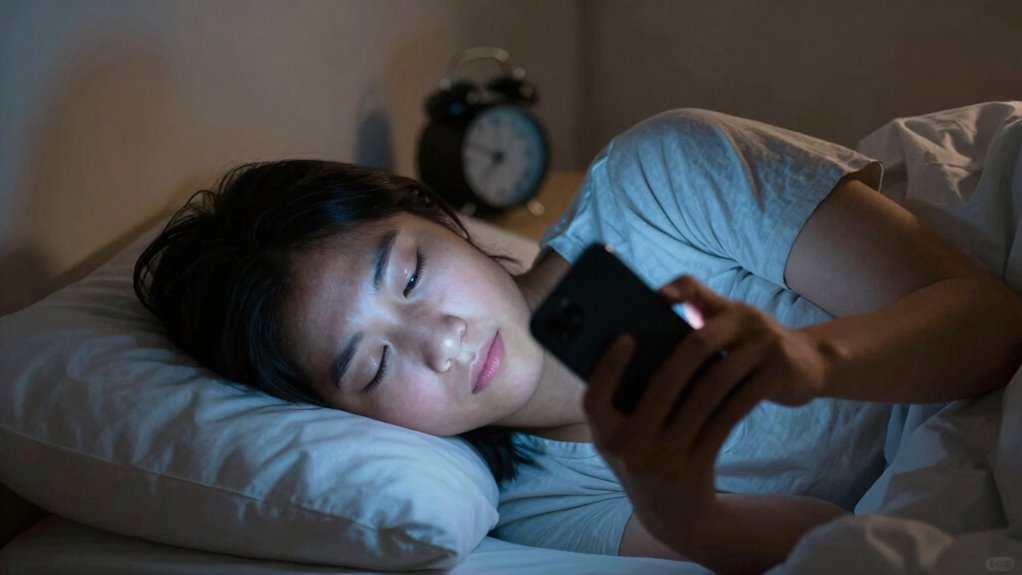
Your sleep habits directly influence how much screen exposure is safe for you. Poor sleep can heighten screen dependency, making it harder to limit time on devices. A regular digital detox before bed helps reset your circadian rhythm, reducing eye strain and improving sleep quality. When you’re sleep-deprived, you tend to scroll more, increasing your exposure risk. The table below shows how different sleep patterns affect your screen limits:
| Sleep Duration | Impact on Screen Dependency | Recommended Exposure Limit |
|---|---|---|
| Less than 6 hrs | Higher dependency | Shorter sessions |
| 6-7 hrs | Moderate dependency | Moderate sessions |
| 7-8 hrs | Low dependency | Longer, controlled sessions |
| Over 8 hrs | Minimal dependency | Fewest restrictions |
Incorporating music therapy into your routine may also help mitigate the effects of screen exposure on your overall well-being. Additionally, maintaining a balance between electric bike horsepower and physical activity can enhance your energy levels, making you more mindful of screen time. Regularly discussing your mammography guidelines with healthcare providers can also lead to better health outcomes, especially as sleep quality improves. Furthermore, ensuring you have healthy snacks on hand can support your overall energy and focus during screen time.
anti-fatigue ergonomic office chair
As an affiliate, we earn on qualifying purchases.
As an affiliate, we earn on qualifying purchases.
How Daily Routines Influence Your Screen Time Needs
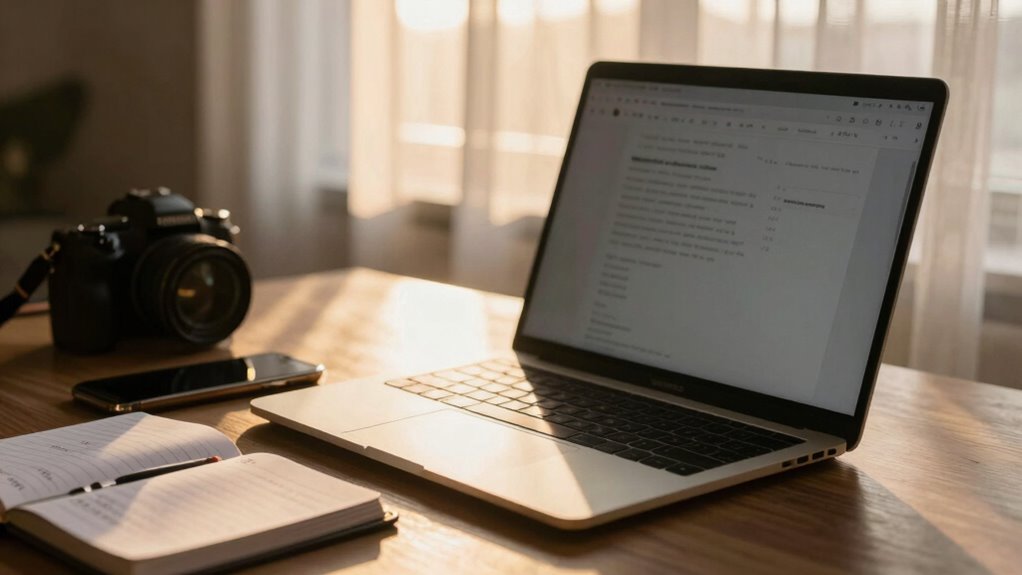
Your daily routines directly shape how much screen time you need, from morning activities like checking emails to evening wind-down habits. Work demands can increase your screen exposure during the day, while evening routines might either add to or reduce your overall screen use. Recognizing these patterns helps you manage your screen exposure more effectively. Additionally, incorporating natural light into your spaces can enhance your overall well-being and reduce the negative impacts of prolonged screen time. Engaging in sustainable practices can also help mitigate the environmental effects of increased screen usage through responsible tech disposal and recycling.
Morning Activities and Screen Use
Morning routines set the tone for your entire day, and they often determine how much screen time you need early on. If you start your morning with digital activities like checking emails or scrolling social media, your screen habits quickly become ingrained from the get-go. These early activities can influence your overall screen exposure, making it feel necessary or unavoidable throughout the day. Conversely, if your morning involves physical activity, meditation, or reading a book, you might naturally limit your screen use early on. Your morning routines shape your mindset and set boundaries for screen time, affecting how long you stay engaged with screens later. Being mindful of this connection helps you develop healthier screen habits right from the start of your day.
Work-Related Screen Demands
Have you ever noticed how your daily work routines shape your screen time needs? The demands of your job can significantly impact digital fatigue and your ability to maintain a productivity balance. For example:
- Long hours on screens without breaks increase fatigue, lowering focus and efficiency.
- Multitasking across platforms can make you feel overwhelmed, reducing overall productivity.
- Constant notifications and interruptions disrupt concentration, leading to mental exhaustion.
Recognizing these patterns helps you adjust your work habits, like scheduling regular breaks or limiting notifications. Managing work-related screen demands is key to preventing digital fatigue and preserving your mental clarity. Ultimately, understanding how your routines influence screen needs allows you to optimize your exposure times for better health and productivity.
Evening Routines and Wind-Down
After a long day spent steering work-related screen demands, shifting into your evening routine can considerably influence your screen time needs. If you immerse yourself in social media or mindlessly scroll, you risk reinforcing screen addiction and disrupting your wind-down. Establishing a calming routine, like reading or practicing mindfulness, helps reduce the urge to stay glued to screens. Avoid screens at least an hour before bed, as blue light can interfere with sleep quality. Instead, opt for relaxing activities that don’t involve digital devices. Your evening habits shape your overall screen exposure, so consciously choosing to limit social media and screen time can improve sleep and mental health. This intentional wind-down supports healthier boundaries and reduces dependency on screens for comfort or distraction.
Adjusting Screen Time Based on Stress and Well-Being

When you’re feeling stressed or overwhelmed, it’s essential to reassess how much time you spend in front of screens. Excessive screen exposure can worsen stress and contribute to screen addiction, making it harder to disconnect. To support your well-being, try these steps:
When overwhelmed, reassess your screen time to reduce stress and foster healthier, mindful habits.
- Limit screen time during high-stress periods to prevent burnout.
- Incorporate regular digital detoxes, even if just for a few hours, to clear your mind.
- Choose activities that reduce stress, like exercise or meditation, instead of screens.
Adjusting your screen time based on your emotional state helps maintain balance and promotes healthier habits. Remember, managing screen exposure isn’t just about reducing hours; it’s about fostering a mindful approach to technology and well-being.
Finding Your Personal Balance for Healthy Screen Use

Finding your personal balance for healthy screen use involves understanding how technology fits into your life without dominating it. To prevent screen fatigue, schedule regular digital detoxes where you disconnect completely for a set time. These breaks help reset your eyes and mind, reducing fatigue and improving focus. Pay attention to your body’s signals—if you notice eye strain, headaches, or irritability, it’s a sign to cut back. Set boundaries around screen time, such as no devices during meals or an hour before bed. Remember, balance isn’t about avoiding screens entirely but using them mindfully. Regular digital detoxes and awareness of your limits help you enjoy technology’s benefits without letting it control your well-being.
Frequently Asked Questions
How Does Screen Exposure Impact Eye Health Long-Term?
Long-term screen exposure can harm your eye health by causing eye strain and increasing blue light exposure. This strain can lead to discomfort, headaches, and even vision problems over time. Blue light penetrates your eyes deeper, potentially damaging your retina. To protect your eyes, take regular breaks, reduce screen time, and consider blue light filters. These habits help minimize eye strain and safeguard your vision for the future.
What Are Signs I’M Overexposing Myself to Screens?
If you notice eye strain, headaches, blurred vision, or dryness, you’re likely overexposing yourself to screens. Take a digital detox by reducing screen time, especially before bed, and incorporate eye exercises like blinking regularly or focusing on distant objects. These habits help relieve strain and protect your eyes long-term. Pay attention to your body’s signals, and don’t hesitate to give your eyes a break whenever needed.
Can Screen Time Affect Mental Health Differently Across Individuals?
Like a knight with a shield, your mental health can be impacted differently by screen time based on individual differences. Some people find it boosts their mood and social connections, while others may experience increased anxiety or fatigue. Your unique brain chemistry, habits, and stress levels influence these effects. Recognizing your personal response helps you set healthier screen habits, ensuring you protect your mental well-being rather than unintentionally harming it.
How Do Different Screen Types Influence Ideal Exposure Durations?
Different screen types influence ideal exposure durations because display technology impacts your eye comfort and engagement. For example, OLED screens often emit less blue light, making prolonged use more tolerable, while LCDs may cause more strain. Additionally, screen durability matters—more durable screens can withstand longer sessions without damage. So, you should adjust your screen time based on the display technology and durability to protect your eyes and device longevity.
Is There a Recommended Screen Time Limit for Children?
They say “everything in moderation,” and that applies to screen time for children too. Parental guidelines recommend limiting screen exposure to about one to two hours daily for entertainment. Incorporate regular digital detoxes to help kids balance screen use with outdoor play and face-to-face interaction. Setting clear boundaries fosters healthy habits, ensuring screens don’t interfere with sleep, learning, or physical activity, which is key for their overall well-being.
Conclusion
Remember, your ideal screen time isn’t one-size-fits-all. Factors like age, health, sleep, routines, and stress shape what’s best for you. Did you know that excessive screen exposure can increase your risk of eyestrain and disrupted sleep—affecting up to 70% of adults? By tuning into your personal needs and adjusting your habits, you can find a healthy balance that keeps you connected without compromising your well-being.
Halloween Picks
halloween
As an affiliate, we earn on qualifying purchases.