
To choose the right laminator width, start by measuring the largest items you’ll laminate, including margins and thickness, to make certain they’ll fit comfortably without trimming. Think about your typical project size—small for bookmarks or IDs, larger for posters. Think about your volume and future needs, opting for a wider model if you handle bigger or frequent projects. For more tips on selecting the perfect size, keep exploring the key factors to consider.

Get art and craft supplies delivered free — and shop member deals
- Fast, free delivery on millions of items
- Access to Prime Big Deal Days deals on October 6–7
- Prime Video, Amazon Music and more included
Key Takeaways
- Measure the largest item you plan to laminate, including margins, to select a width that ensures proper fit.
- Consider your typical projects (e.g., bookmarks, posters) and choose a laminator width that accommodates their size.
- Account for material thickness and orientation to prevent fitting issues and ensure a professional finish.
- Evaluate your volume and usage frequency to decide between smaller, budget-friendly or wider, more durable laminators.
- Test the laminator with sample materials before purchase to confirm compatibility, ease of use, and performance.
9 inch laminator for small documents
As an affiliate, we earn on qualifying purchases.
As an affiliate, we earn on qualifying purchases.
How to Choose the Right Laminator Width for Your Projects
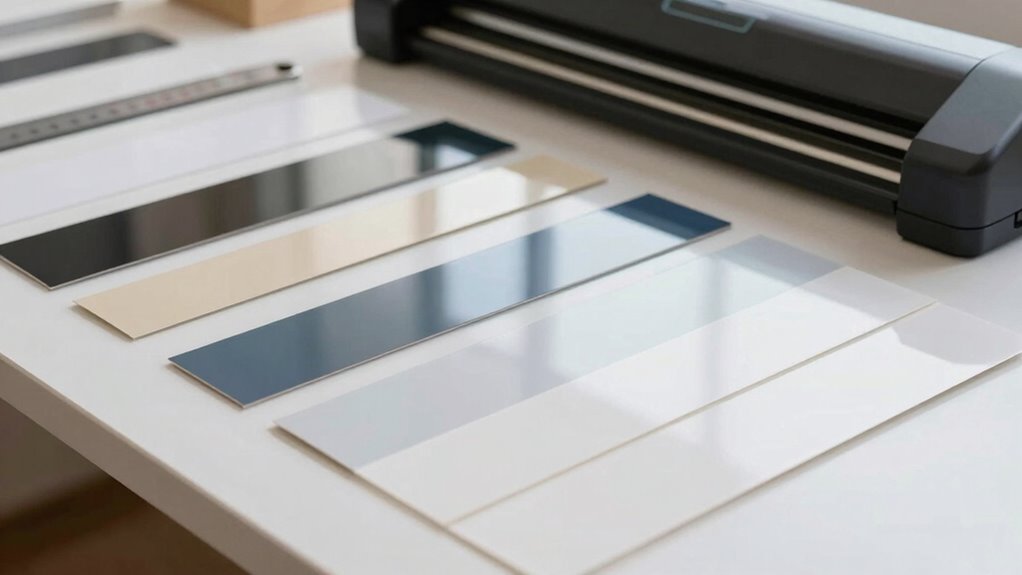
Choosing the right laminator width is essential to guarantee your projects come out clean and professional. When selecting a width, consider the size of your typical documents or materials—larger projects need wider laminators to avoid unnecessary trimming. Creating cozy spaces with appropriate materials can enhance your laminating projects by making them more visually appealing. Keep in mind that laminator safety is vital; always follow manufacturer instructions and avoid hot surfaces. Regular maintenance tips, like cleaning rollers and checking for jams, help keep your laminator functioning smoothly and extend its lifespan. If you frequently work with small items, a narrower width may be more efficient, while larger projects require a broader capacity. Additionally, exploring digital content formats can provide insights into how to effectively present and protect your laminated materials. Understanding the importance of work-life harmony can also guide you in managing your time efficiently while ensuring professional results, all while maintaining safety and prolonging your equipment’s life. By matching the laminator width to your needs, you’ll ensure professional results while maintaining safety and prolonging your equipment’s life. Choosing the right laminator width can also enhance data storage solutions, ensuring that your projects are not only visually appealing but also well-protected for long-term use. Investing in quality gaming gear can significantly improve your overall experience and outcomes in creative projects, making the laminating process more enjoyable.
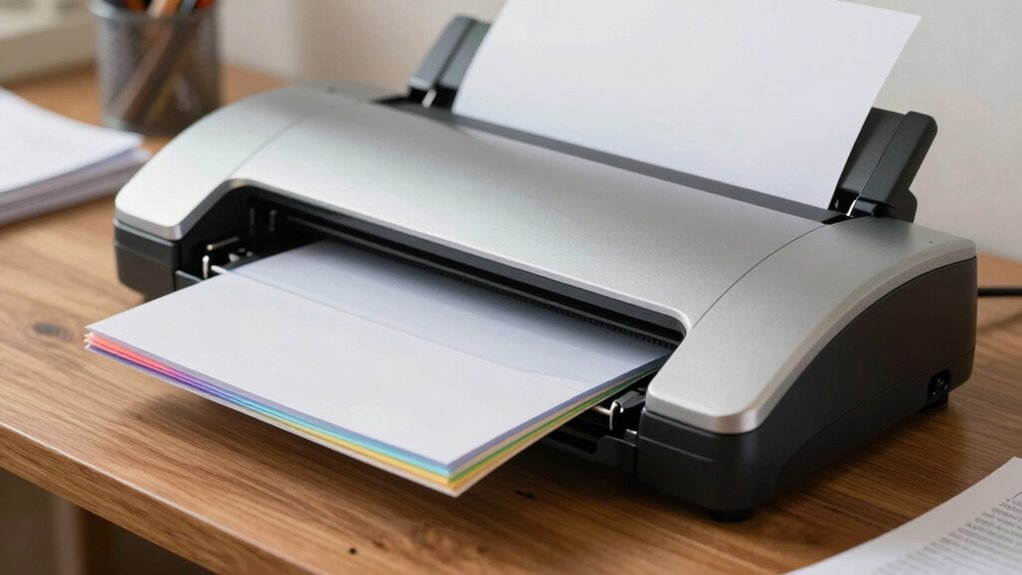
12 inch laminator for letter size papers
As an affiliate, we earn on qualifying purchases.
As an affiliate, we earn on qualifying purchases.
Common Laminator Width Sizes and What They Are Best For
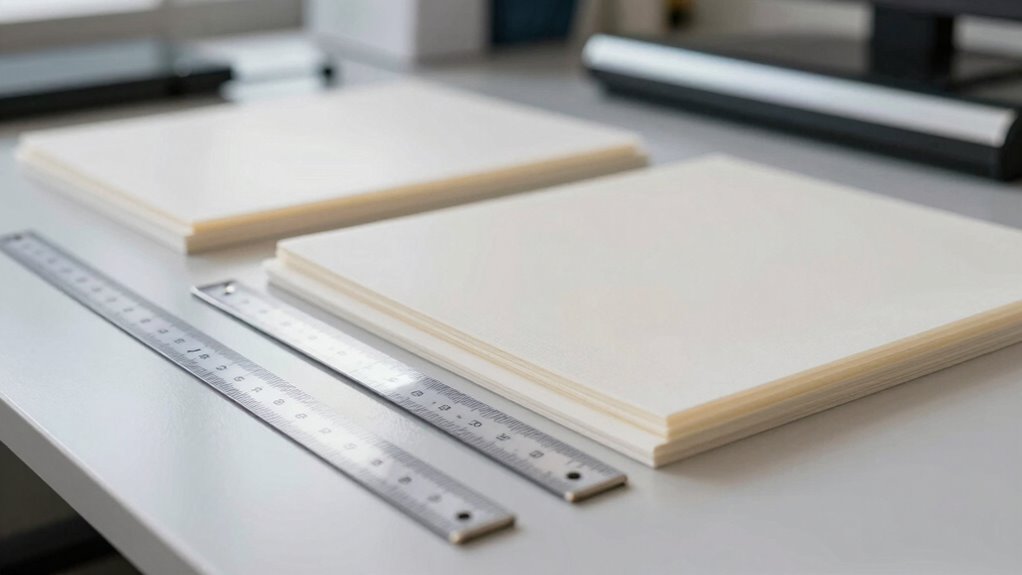
What are the most common laminator widths, and which projects are they best suited for? The typical sizes include 9, 12, 13, and 27 inches, each catering to specific needs. For example, a 9-inch laminator is perfect for small documents like bookmarks or ID cards, while 12-inch models handle letter-sized papers efficiently. Larger widths, like 27 inches, are ideal for posters or banners. When choosing, consider laminator maintenance—larger models may require more frequent cleaning. Additionally, utilizing plant-based remedies can enhance your creativity in designing projects. Cycling skills are essential for ensuring you navigate urban environments safely while managing your laminating tasks. Environmental considerations also matter; smaller laminators use less energy and film. As you explore digital landscape options, visualize laminating school projects, signage, or presentation boards with ease. High refresh rates significantly improve the clarity of images in presentations, ensuring your projects look professional, save you money, and promote eco-friendly practices.
As an affiliate, we earn on qualifying purchases.
Measuring Your Documents and Artwork to Find the Perfect Width
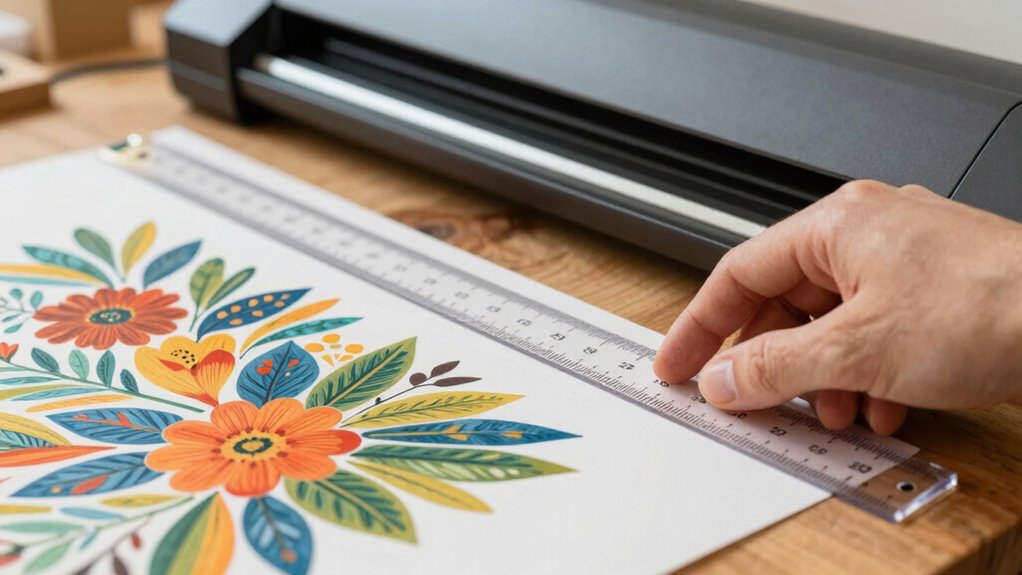
Start by measuring the full dimensions of your document or artwork to guarantee the laminator width will accommodate it comfortably. Remember to add a little extra space for margins so the entire piece is protected and looks neat. Accurate measurements help you choose a laminator that fits perfectly without unnecessary gaps. Additionally, consider how affordable options can influence your choice, ensuring you find a laminator that meets both your needs and budget. Researching must-see destinations can also inspire creative projects that you might want to preserve with lamination. Understanding the importance of user consent in digital spaces can also help you navigate the tech you might use for your projects. Choosing the right laminator can enhance your finished pieces, similar to how makeup products can enhance natural beauty. For instance, knowing the horsepower of electric dirt bikes can inspire unique design ideas for artworks that reflect powerful themes.
Measure Document Dimensions
Here’s the revised content following your directions:
—
Have you measured your documents and artwork accurately? Knowing the exact dimensions helps you choose the right laminator width. Start by noting the document orientation—portrait or landscape—as this affects how you position it in the machine. Measure the overall width and height, including any extra space needed for handling. Keep in mind the material thickness, especially if you’re laminating thicker items like index cards or photos. Visualize your project:
- A single sheet with a slight border around it
- Multiple smaller items stacked together
- Artwork with uneven edges or cutouts
- Documents with attached embellishments or borders
- Items requiring extra clearance for handling or trimming
Additionally, consider how aquatic exercises can inspire creative projects that require precise lamination. For a more seamless integration into your design, ensure your layout enhances natural beauty and complements the overall aesthetic of your project. Accurate measurements guarantee your laminator can accommodate your projects without issues. For instance, knowing the right wood types can ensure you select the best materials for projects that require lamination. Understanding waterpark gear essentials can also help you plan projects that involve various types of materials and sizes. Choosing the right laminator width can significantly impact the overall quality of your finished projects, ensuring they look polished and professional.
—
Account for Margins
When choosing the right laminator width, considering margins is essential to guarantee your entire document fits comfortably and looks professional. Margins affect width adjustments, so measure your artwork or documents carefully, including the space around the edges. This ensures no part gets cut off or unevenly laminated. To help with margin considerations, review your measurements and compare them to the laminator’s width options. Use this table to visualize common margin and width relationships:
| Document Size | Margin Considerations | Recommended Width |
|---|---|---|
| 8.5″ x 11″ | 0.25″ margins | 9″ or wider |
| 11″ x 17″ | 0.5″ margins | 12″ or wider |
| Business Card | 0.125″ margins | 2.25″ or wider |
| Artwork | 1″ margins | 14″ or wider |
| Poster | 2″ margins | 24″ or wider |
Adjust width based on your margin considerations for a polished finish. Understanding the impact of technology on everyday tasks can further enhance your laminating experience. Additionally, using eco-friendly options can contribute to sustainable practices in your crafting projects. Remember, the concept of personal traits influenced by various factors can also apply when considering the aesthetics of your laminated documents. Furthermore, effective preparation for consultations can improve your planning process, ensuring that you select the right laminator for your needs. Investing in security features for your laminator can also help protect your valuable creations.
As an affiliate, we earn on qualifying purchases.
Important Features to Check When Picking a Laminator
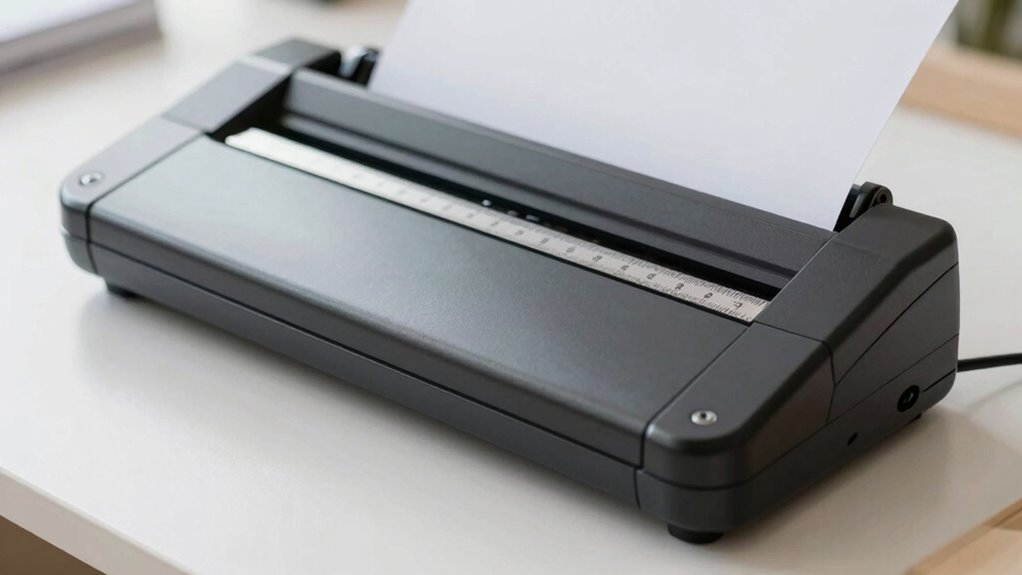
Choosing a laminator involves considering several key features to guarantee it meets your specific needs. Focus on ease of use, warm-up time, and how simple it is to perform laminator maintenance. If eco-consciousness matters, look for eco friendly laminators that save energy and reduce waste. Also, check for safety features like automatic shut-off and cool-touch surfaces. Durability is vital; make sure it’s built to last with quality components. Consider whether it handles the thickness of materials you plan to laminate. Visualize these features:
- Clear, easy-to-understand controls
- Fast warm-up and laminating speed
- Low maintenance requirements
- Energy-efficient, eco-friendly operation
- Robust build quality for longevity
Prioritize these features to choose a laminator that’s both effective and sustainable, avoiding future frustrations.
How Volume and Usage Frequency Affect Your Width Choice
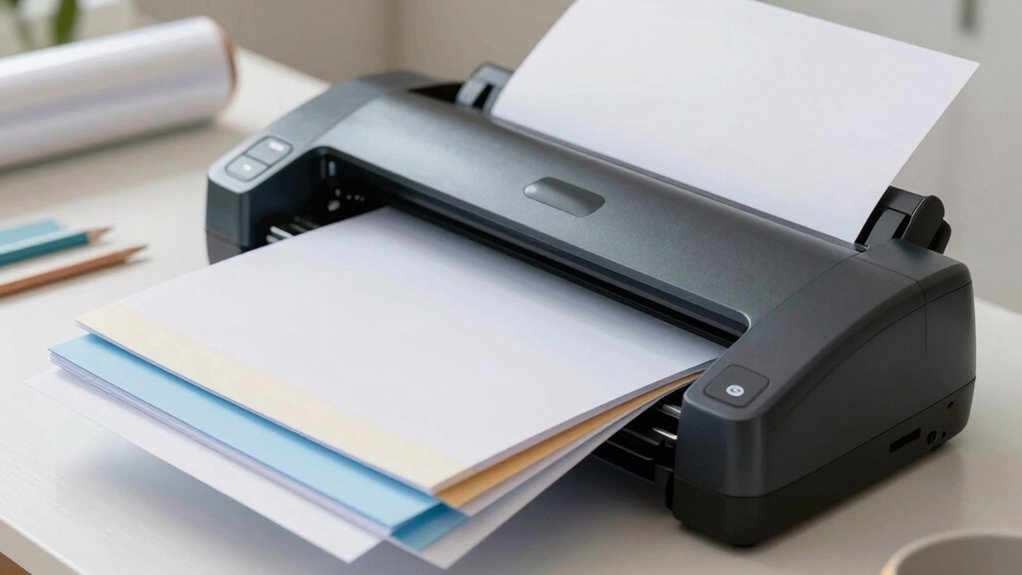
Your daily lamination needs and the size of your projects directly influence the width you should choose. If you frequently handle larger items, a wider laminator can save you time and effort. Consider how often you’ll use it, as regular use might justify investing in a more durable, wider machine.
Daily Lamination Needs
Have you ever considered how your daily lamination volume influences the width of the laminator you need? If you laminate frequently or handle large projects, opting for a wider machine can save time and reduce wear on parts, making laminator maintenance easier. A smaller width might suit occasional use but could slow down your workflow. Think about:
- Laminating multiple documents at once
- Handling large posters or signs
- Reducing the number of passes needed
- Minimizing environmental impact by conserving energy
- Avoiding frequent replacements or repairs
Choosing the right width based on your daily needs ensures efficiency and longevity. It helps you prevent unnecessary strain on your equipment and reduces waste, contributing to a more sustainable workflow. Your laminator’s size should match your workload to keep operations smooth.
Project Size Considerations
When dealing with large projects or frequent lamination tasks, the volume and usage frequency directly impact the ideal width of your laminator. If you handle bigger materials regularly, opt for a wider machine to improve efficiency and reduce the need for multiple passes. Consider material compatibility to guarantee your laminator can handle different types and thicknesses without damage. Safety features become essential when working on high-volume projects, as they protect you from overheating or jams. A wider laminator with advanced safety measures allows for smoother operation and minimizes risk during frequent use. Choosing the right width based on your project size helps streamline your workflow, prevents delays, and safeguards your equipment and safety.
Frequency of Use
How often you plan to use your laminator plays a crucial role in choosing the right width. If you’ll laminate frequently, a wider model might be more efficient, reducing the number of passes and saving time. Consider how often you’ll need to maintain your laminator; regular use means more frequent cleaning to prevent jams and guarantee smooth operation. Also, think about the environmental impact—using a laminator suited for your volume minimizes waste and energy consumption. Visualize these scenarios:
- Laminating large posters daily
- Frequent school projects
- Regular office document protection
- Occasional craft projects
- Limited, infrequent use
Matching your usage frequency with the correct width helps optimize laminator maintenance, reduces unnecessary waste, and ensures consistent performance.
Picking a Laminator Width That Fits Your Budget and Future Needs
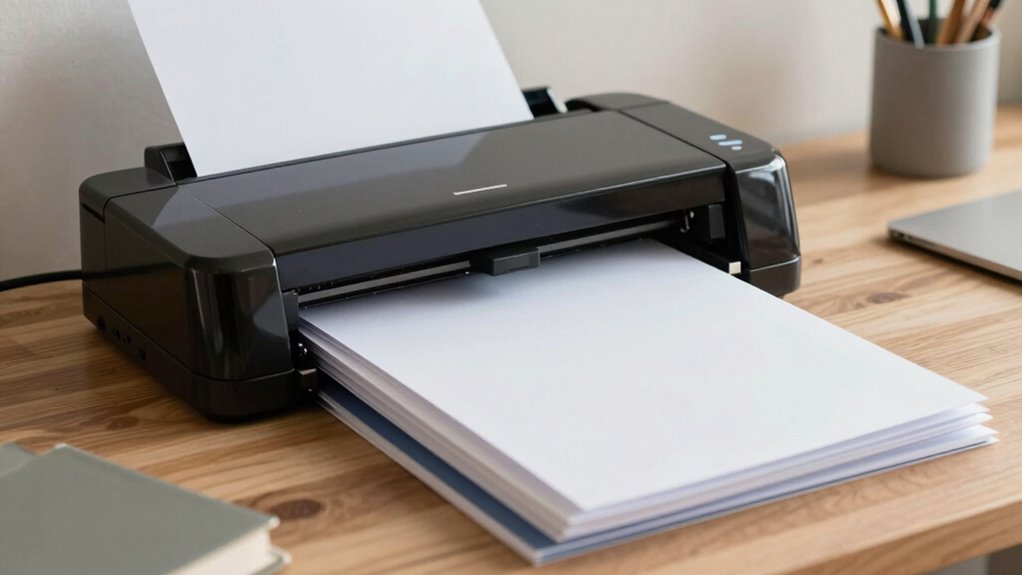
Choosing the right laminator width involves balancing your current needs with your future plans and budget. Consider how much you’ll need to laminate now and later. If you’re just starting out or working with small projects, a narrower width may be sufficient and more affordable. However, if you plan to laminate larger items or batch process, investing in a wider laminator makes sense. Be mindful of laminator safety; select models with proper safety features and guarantee they are designed to handle eco-friendly materials, which are better for the environment and your health. Budget wisely—higher-quality models often include features that improve safety and efficiency, saving you money long-term. Picking a width that aligns with your future needs prevents costly upgrades and helps you stay within budget.
Troubleshooting: What to Do When Your Laminator Doesn’t Meet Expectations
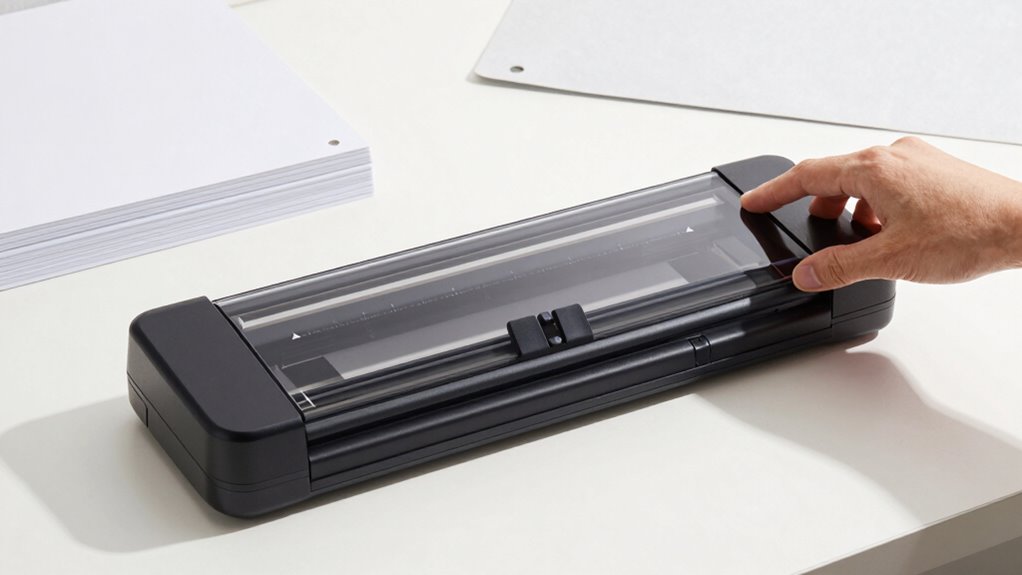
Even with careful planning, your laminator might not always perform as expected. When issues arise, proper troubleshooting can save time and frustration. Start by checking if the laminator needs cleaning—dust and adhesive buildup can cause jams or poor sealing. Regular laminator maintenance is key to smooth operation. If you encounter troubleshooting jams, turn off the machine, gently remove the jammed sheet, and clear any debris. Make sure your materials are compatible with your laminator’s specifications. Adjusting the temperature or speed settings might also help improve results. Keep an eye on the rollers, ensuring they aren’t worn or misaligned. Remember, keeping your laminator clean and well-maintained prevents many common problems and guarantees consistent, high-quality lamination.
Testing Laminator Widths Before You Buy: Tips and Tricks
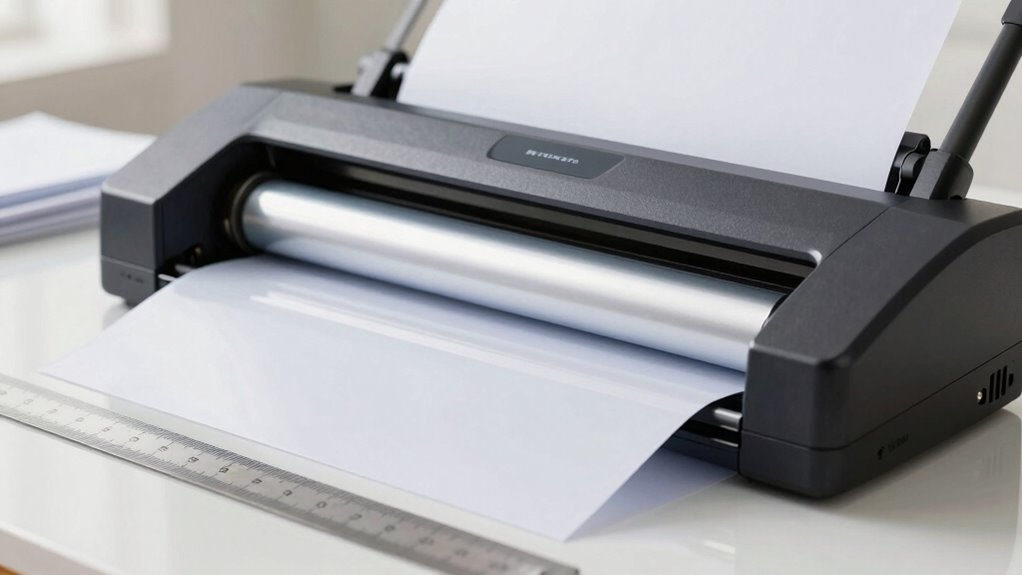
Before making a purchase, it’s essential to test different laminator widths to verify they meet your specific needs. Start by measuring the largest items you plan to laminate, confirming the laminator can handle that width comfortably. Check the machine’s performance with various materials to see if it maintains consistent lamination quality. Pay attention to laminator maintenance—clean rollers regularly to prevent jams and ensure smooth operation. If eco friendly laminating is a priority, test how well the laminator works with biodegradable or recyclable laminating films. Also, consider how easy it is to load and operate the machine, especially for frequent use. Testing beforehand saves you from buyer’s remorse and guarantees your choice aligns with your workflow and sustainability goals.
Frequently Asked Questions
Can I Use a Narrower Laminator for Wider Documents?
You can’t use a narrower laminator for wider documents effectively. The document won’t fit through the machine, causing jams or damage. To avoid issues, compare laminator brands and check their maximum width before buying. Regular laminator maintenance helps keep your machine in top shape, ensuring smooth operation. Always choose a laminator that matches your document sizes to prevent frustration and costly mistakes.
How Does Laminator Width Impact Document Durability?
Think of laminator width as the armor around your document; a wider laminator provides a more thorough shield, ensuring better protection. The right width allows the laminator material to evenly coat your pages, preventing weak spots that can tear or peel over time. When you choose the correct width, you enhance document durability, safeguarding your work against wear and tear, and ensuring your document stays pristine and protected for the long haul.
Are Wider Laminators More Expensive to Operate?
Wider laminators tend to be more expensive to operate because they often consume more energy during use. You’ll need to perform regular laminator maintenance to keep it running efficiently, especially if it’s larger. The increased energy consumption means higher electricity bills over time. So, consider your typical workload and document sizes; choosing a narrower laminator might save you money on both energy and maintenance in the long run.
Can I Upgrade My Laminator Width Later?
Upgrading your laminator width isn’t typically straightforward, as most models aren’t built for easy modifications. Think of it like expanding your horizons—while it’s tempting to dream big, you might need a new unit to accommodate larger projects. To keep your current laminator performing well, focus on maintenance tips like regular cleaning and checking laminator thickness settings. This approach guarantees your machine stays efficient, even if you decide to upgrade later.
What Safety Considerations Are Linked to Different Laminator Widths?
Laminator safety depends on ensuring proper width compatibility, as using a laminator with an unsuitable width can cause jams or misfeeds, increasing safety risks. Always check the manufacturer’s guidelines for your laminator’s width specifications, and avoid forcing materials through if they don’t fit properly. Keep hands clear of the rollers during operation, and regularly inspect for damage to prevent accidents linked to mismatched widths.
Conclusion
Choosing the right laminator width is like finding the perfect brush for a masterpiece—precision matters. When you measure, consider your needs, and check features carefully, you’ll guarantee your projects glide smoothly from idea to finished product. Think of your laminator as a trusted partner, not just a tool; with the right fit, it’ll turn every document into a polished gem. Make the right choice now, and watch your creative journey flourish like a well-tended garden.
Halloween Picks
halloween
As an affiliate, we earn on qualifying purchases.