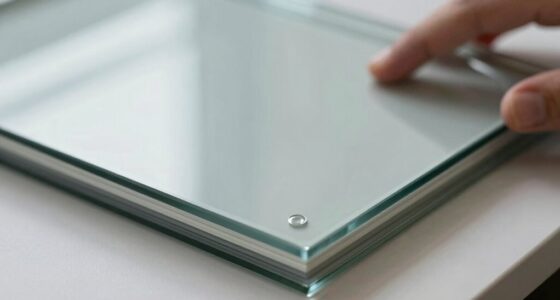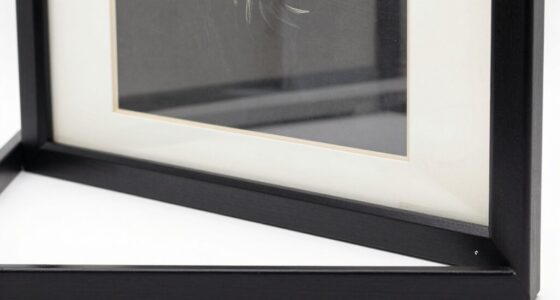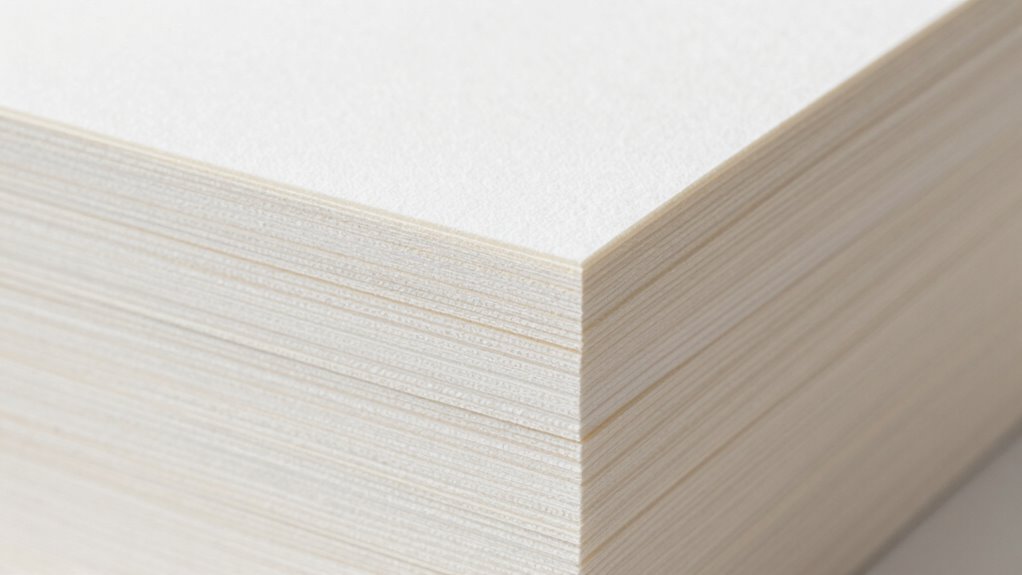

The key to preventing yellowing in your mat board is choosing one that’s acid-free and lignin-free. These specifications eliminate harmful chemical reactions caused by lignin that leads to discoloration over time. Always look for labels like “archival” or “pH neutral,” and avoid boards with dyes or acids. Maintaining proper storage and avoiding sunlight also helps preserve vibrancy. If you want to keep your artwork bright longer, there’s more to discover about selecting the best mat board.
Key Takeaways
- Use lignin-free materials to prevent chemical reactions causing yellowing over time.
- Ensure the mat board is acid-free or pH neutral to maintain long-term color stability.
- Incorporate archival-grade, buffered materials that resist environmental aging factors.
- Avoid dye-based dyes with unstable pigments that can fade and discolor.
- Store and display mats in controlled environments with minimal light, humidity, and pollution exposure.

Somime 10 Pack Backing Boards, 18×24 Acid-Free Uncut White Mat Boards
- Package Includes: 10 uncut white mat boards
- Durable Material: Thick, sturdy cardboard with 4-ply thickness
- Versatile Size: Measures 18×24 inches, customizable
As an affiliate, we earn on qualifying purchases.
As an affiliate, we earn on qualifying purchases.
Why Does Mat Board Yellow Over Time?
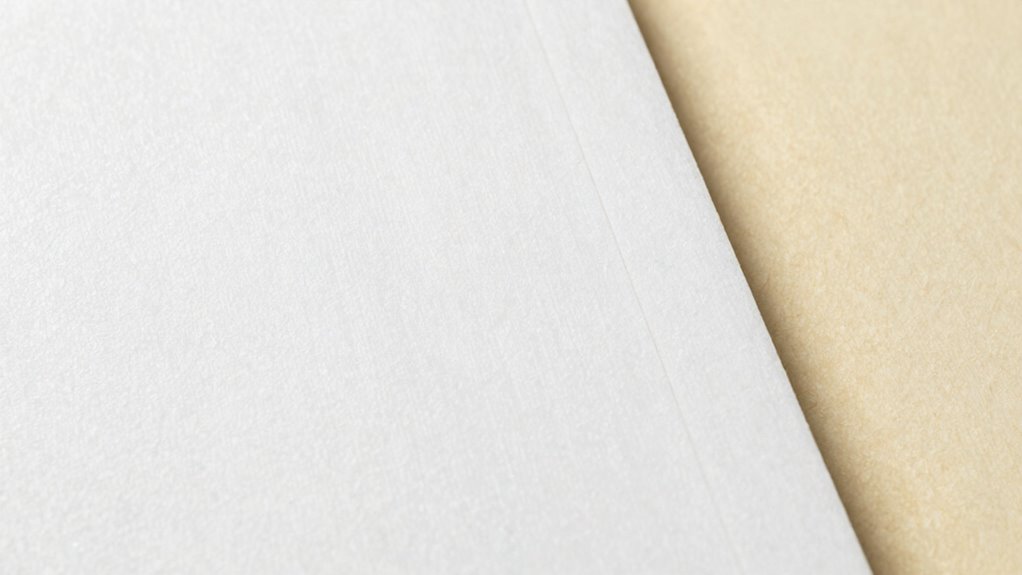
Have you ever wondered why mat boards tend to turn yellow as they age? The answer lies in their composition and environmental factors. Most mat boards contain lignin, a natural plant component that reacts with light and air over time, causing discoloration. Exposure to sunlight, high humidity, and pollution accelerates this process. These environmental factors break down the lignin and other chemicals in the mat board, leading to a yellowish tint. Additionally, poor storage conditions, such as fluctuating temperatures and exposure to pollutants, worsen the aging process. Understanding these elements helps you realize that the materials used in mat boards and their surroundings play a vital role in yellowing. Interestingly, using high-quality materials in production can significantly reduce the likelihood of yellowing over time. Furthermore, maintaining electric dirt bike performance by storing them properly can help mitigate similar environmental effects on other materials. Implementing proper gear care tips can further enhance the longevity of your mat boards. Additionally, ensuring color accuracy in framing can help maintain the visual integrity of your artwork.

Mat Board Center, Pack of 25, 18×24 White Backing Boards, 4-Ply Thickness Cardboard for Picture/Photo/Framing Back Support
- Package Quantity: 25 backing boards included
- Board Size: 18×24 inches for photos
- Board Thickness: 4-ply, about 1/16 inch thick
As an affiliate, we earn on qualifying purchases.
As an affiliate, we earn on qualifying purchases.
The Main Specification That Keeps Mat Boards From Yellowing

To prevent mat boards from yellowing, manufacturers focus on a key specification: the use of lignin-free materials. Lignin, a natural component in wood pulp, causes discoloration over time, so eliminating it is essential for longevity. The mat board composition becomes critical in this process, ensuring the board is free of acids and lignin. Preservation techniques emphasize using high-quality, archival-grade materials that resist yellowing and deterioration. By selecting lignin-free boards, you reduce the risk of acid migration, which accelerates aging. This main specification safeguards your artwork and photographs, allowing them to remain vibrant and unchanged longer. Knowing that the core of the mat board is free of lignin gives you confidence in its durability and archival quality. Incorporating eco-friendly practices can further enhance the longevity and sustainability of your framing choices. Additionally, understanding the importance of preservation in art can guide you in making informed decisions for the longevity of your pieces. Furthermore, utilizing advanced filtration systems in your framing environment can help maintain optimal conditions for your artwork’s preservation. Many investors are drawn to Gold IRAs as a secure way to preserve wealth, just as high-quality mat boards preserve cherished artworks. The use of archival materials in framing can significantly contribute to the overall lifespan of your artwork, ensuring it is protected from environmental factors.

Egofine 14 Pack Mat Board, 8×10 Backing Board, Acid Free White Uncut Mat Board for Photos, Pictures, Frames, Artworks and Paints
- Package Quantity: 14 white backing boards
- Size: 8×10 inches
- Material: Thick, durable cardboard
As an affiliate, we earn on qualifying purchases.
As an affiliate, we earn on qualifying purchases.
How to Identify Acid-Free and Archival Mat Boards
When choosing a mat board, identifying whether it’s acid-free and archival is essential for preserving your artwork over time. Start by examining the label or packaging; reputable brands clearly state if the mat board is acid-free or archival. Look for specific indicators like “pH neutral” or “acid-free” wording. Understanding mat board types helps, as the best options use lignin-free and buffered materials, which support color preservation. Check the color; acid-free boards tend to have a clean, uniform appearance and won’t yellow or discolor with age. If unsure, perform a simple test by placing the board in a bright light—acid-free boards maintain their color and clarity longer. Additionally, consider the importance of early detection in preserving not just artwork but also health-related issues, emphasizing the value of using high-quality materials. According to investigations, maintaining chain of custody for your materials is crucial to ensure their integrity over time. Furthermore, financial planning for art preservation can also enhance your overall budget management and secure your investments. Remember, using acid-free materials is vital for long-term preservation, as they help prevent deterioration and discoloration. Incorporating natural materials like wood in your framing can further enhance the aesthetic of your artwork. These steps assure your artwork stays vibrant and well-preserved for years.

MBC Mat Board Center, 10 Pack 11×14 for 9×12 White Picture Mats Frame Mattes, Bevel Cut, Acid Free, 4-Ply Thickness
- Bevel Cut Design: Bevel cut for professional presentation
- Acid Free Material: Prevents artwork deterioration
- 4-Ply Thickness: Provides durability and support
As an affiliate, we earn on qualifying purchases.
As an affiliate, we earn on qualifying purchases.
Tips for Choosing a Mat Board That Lasts
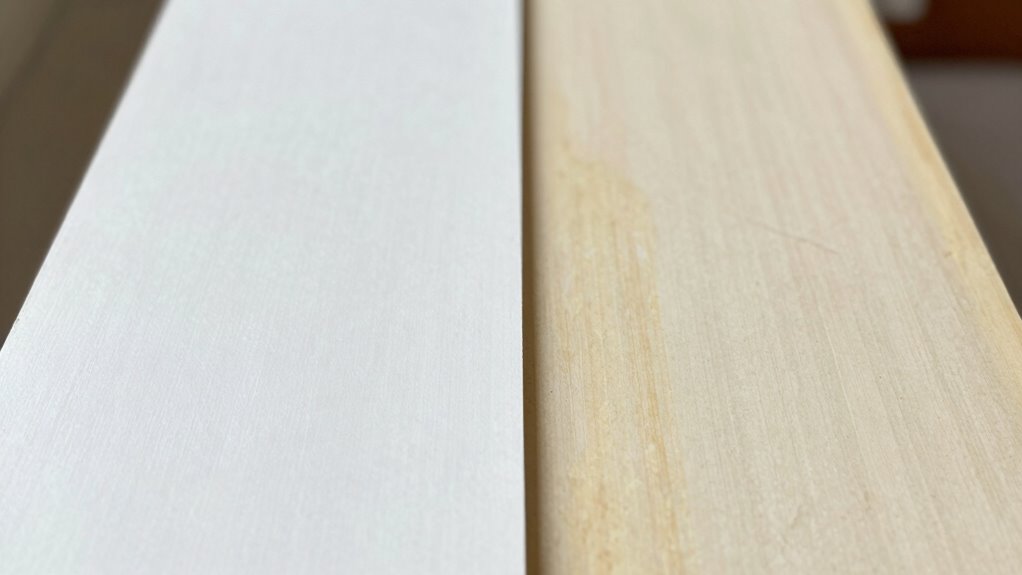
When choosing a mat board that lasts, prioritize acid-free materials to safeguard your artwork over time. Selecting the proper thickness guarantees durability without compromising the presentation. Both factors are essential for creating a long-lasting, professional display.
Acid-Free Materials Importance
Ever wondered why some artwork or photographs age poorly even when stored properly? The key lies in the materials you choose. Acid-free mat boards play an essential role in ensuring color preservation and material durability over time. When mats contain acids, they can cause yellowing, staining, or deterioration, which damages the artwork’s appearance and lifespan. By selecting acid-free materials, you prevent harmful chemical reactions that accelerate aging. These mats act as a protective barrier, maintaining the integrity of your artwork’s colors and surface. Additionally, laughter and joy can enhance the viewing experience of your art, making it even more worthwhile to preserve. Investing in acid-free mat boards isn’t just about preservation; it’s about safeguarding your piece’s beauty for years to come. Furthermore, using supportive materials can enhance the overall presentation of your artwork. Additionally, maintaining a good indoor air quality can further enhance the longevity of your stored artwork. Regularly monitoring water damage prevention is also crucial for ensuring that your artwork remains in pristine condition. Always check labels to confirm acid-free status, and prioritize quality to keep your artwork vibrant and intact. Moreover, choosing eco-friendly options in your materials can contribute positively to the environment while still offering protection.
Proper Thickness Selection
Choosing the right thickness for your mat board is essential to ensuring its durability and longevity. Proper thickness offers better color stability and enhances thickness flexibility, making it easier to handle and cut. To select the best option, consider these tips:
- Choose for medium-weight boards for a balance of sturdiness and flexibility.
- Thicker boards provide more protection but may be harder to cut precisely.
- Thinner mats are more flexible but risk creasing or tearing over time.
- Always check manufacturer recommendations for ideal thickness to prevent yellowing or warping.
Common Mistakes When Selecting Mat Boards for Preservation
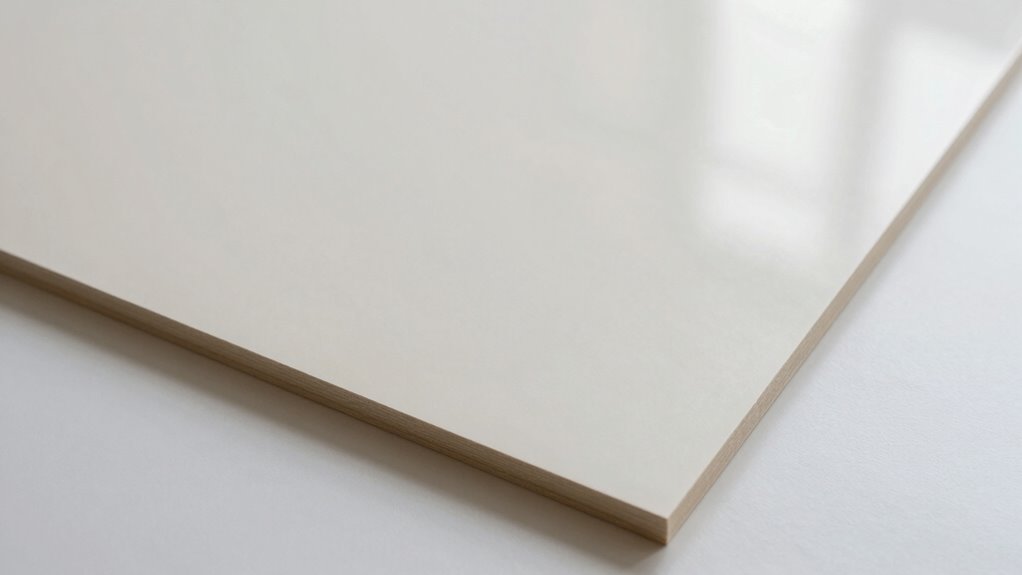
Selecting the wrong mat board can jeopardize the longevity of your artwork or photograph. One common mistake is choosing a mat with poor material durability, which can deteriorate quickly, exposing your piece to damage. Another mistake is ignoring color fading; some mats contain dyes that fade over time, dulling the appearance of your display. You might also overlook the importance of acid-free or archival-quality materials, risking yellowing or staining. Using non-archival mats can accelerate deterioration, especially when paired with improper framing. Additionally, selecting a color that clashes or doesn’t complement your artwork can detract from its visual impact. To preserve your piece effectively, prioritize high-quality, acid-free materials and avoid mats with unstable dyes or low durability. Furthermore, ensuring software quality assurance during the selection process can help in making informed choices that protect your artwork. Proper cabling solutions can also enhance the overall presentation by ensuring that your display is clean and unobtrusive. Additionally, it’s crucial to consider accessibility features that can help make your artwork more inclusive for all viewers. A well-chosen mat can significantly contribute to the longevity of artwork, ensuring it retains its beauty over time. The connection with nature can also enhance emotional well-being, further enriching the experience of displaying your art.
How to Maintain Your Framed Artwork and Mat Board Over Time
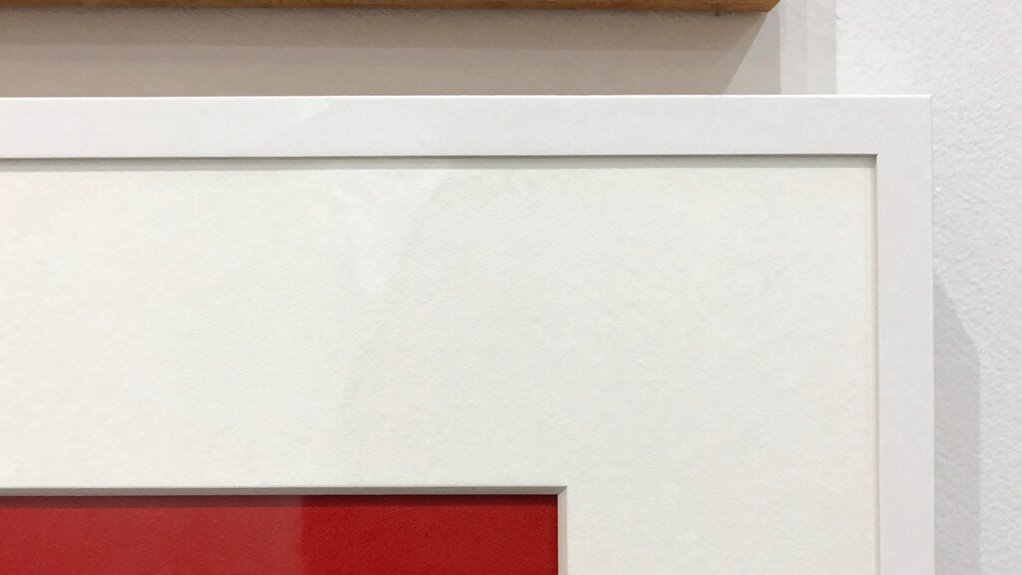
Proper maintenance is essential to keep your framed artwork and mat board looking their best over time. To prevent issues like color fading and guarantee your frame stays pristine, follow these steps:
- Regularly dust your frame with a soft cloth to prevent dirt buildup.
- Clean the glass gently using a microfiber cloth and a non-ammonia cleaner.
- Keep the artwork away from direct sunlight to minimize color fading.
- Inspect and replace worn or discolored mat boards promptly to preserve your piece’s appearance.
Frequently Asked Questions
Are All Acid-Free Mats Truly Archival?
Not all acid-free mats are truly archival. During mat board manufacturing, some products may claim acidity-free but lack proper conservation techniques, which can lead to yellowing over time. To guarantee your mats are genuinely archival, look for those with high-quality, buffered or unbuffered acid-free materials, and check for certifications. This guarantees your artwork stays protected and maintains its original appearance longer.
Can Environmental Factors Accelerate Mat Yellowing?
Environmental factors definitely speed up mat yellowing. You might notice UV exposure from sunlight, which breaks down the mat’s fibers over time. Humidity fluctuations can cause the material to expand and contract, leading to discoloration. To preserve your mats, keep them away from direct sunlight and maintain consistent humidity levels. Proper climate control is key to preventing yellowing and ensuring your artwork stays vibrant for years.
How Long Does a Typical Archival Mat Last?
A typical archival mat lasts about 20 to 50 years if you follow proper preservation techniques. To prevent mat deterioration and yellowing, use acid-free, lignin-free materials, and keep the mat in a stable environment with controlled humidity and light levels. Regularly inspect your framing to catch early signs of deterioration, and avoid exposure to direct sunlight or pollutants, which can considerably extend the lifespan of your archival mat.
Do Different Brands Offer Varying Preservation Qualities?
Yes, different brands do offer varying preservation qualities because of their brand durability and the preservation techniques they use. Some brands incorporate advanced techniques and high-quality materials that better prevent yellowing and deterioration over time. When choosing a mat board, look for reputable brands known for their archival standards. This guarantees your artwork stays vibrant longer, as their preservation techniques actively protect against environmental damage and aging.
Is There a Cost Difference Between Standard and Archival Mats?
Yes, there’s typically a cost difference between standard and archival mats. Mat board pricing for archival mats is higher because of advanced preservation techniques that prevent yellowing and deterioration over time. You might spend more upfront, but investing in archival mats guarantees your artwork stays vibrant and protected longer. Standard mats are more affordable but may not offer the same longevity, so consider your preservation needs when choosing between them.
Conclusion
Now that you know the secret behind preventing yellowing, you can confidently choose the right mat board for your artwork. Think of it as giving your treasured pieces a time capsule to preserve their beauty, much like a gardener nurturing a delicate bloom. With the right knowledge and care, your framed art can stay vibrant and stunning for years to come. Protect what you love, and let your artwork shine bright like a beacon of your passion.