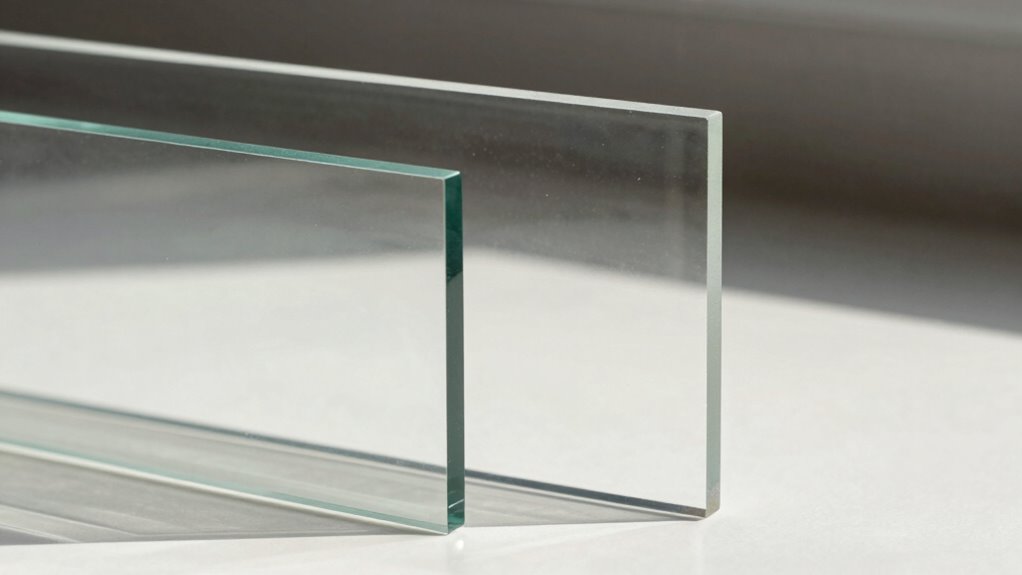

When choosing between glass and acrylic, many overlook the true trade-offs: acrylic is more impact-resistant, lightweight, and easier to install, but it’s less transparent and less environmentally friendly. Glass offers clearer views, a classic look, and better recyclability but is more fragile and costly to handle. Safety, durability, cost, and environmental impacts all matter. If you want to make the right choice, understanding these differences can save you time and money—keep exploring to learn more.
Open a free Amazon Business account
Business pricing, bulk buying and tax-exempt orders.
As an affiliate, we earn on qualifying purchases.
Key Takeaways
- Many assume acrylic is always safer than glass due to impact resistance, but glass can shatter into dangerous shards under certain conditions.
- People often overlook long-term costs; acrylic may be cheaper upfront but less recyclable and environmentally friendly than glass.
- The trade-off between clarity and customization: glass offers better transparency, while acrylic provides more color options and design flexibility.
- Safety perceptions can be misleading; acrylic is impact-resistant but can scratch easily, whereas glass is brittle and shatters into sharp pieces.
- Installation complexity and durability differences are often underestimated, affecting overall project costs and safety considerations.
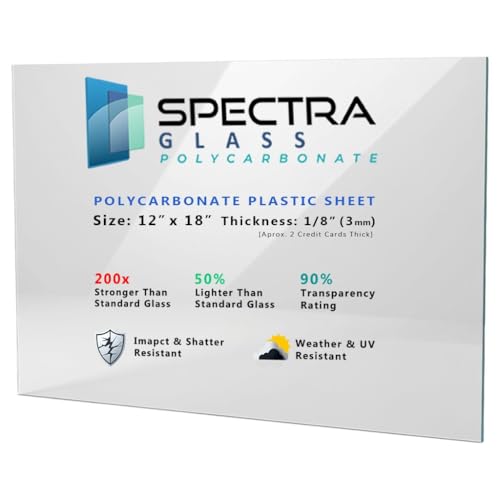
Clear Polycarbonate Sheet 12" x 18" (1/8" Thick)
- Material: Clear polycarbonate sheet
- Size: 12 x 18 inches
- Thickness: 1/8 inch thick
As an affiliate, we earn on qualifying purchases.
As an affiliate, we earn on qualifying purchases.
What Are the Main Differences Between Glass and Acrylic?
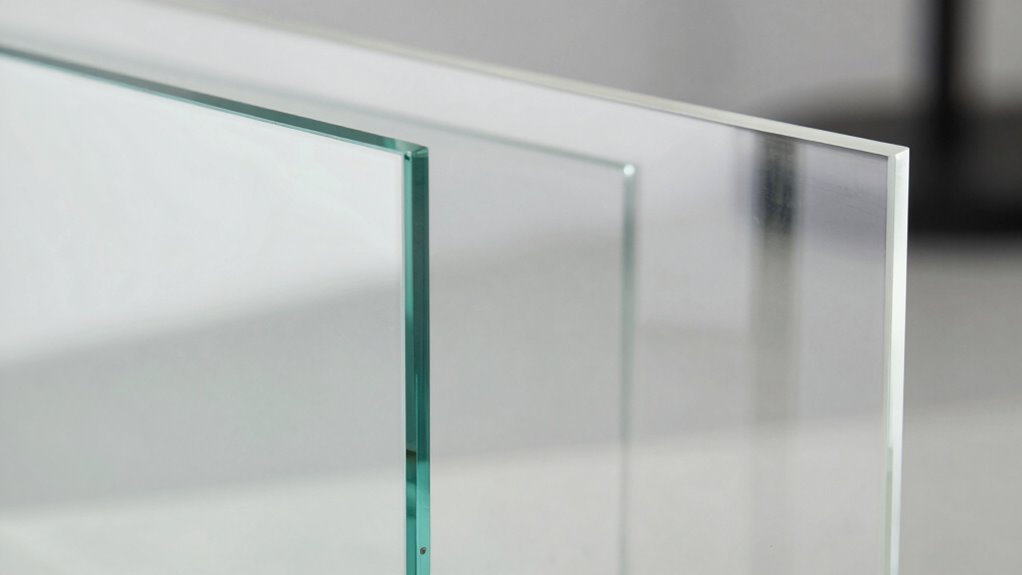
When comparing glass and acrylic, the most noticeable difference is their material composition, which directly influences their properties and uses. Acrylic is a lightweight, shatter-resistant plastic, making it ideal for decorative accents where safety matters. It’s easier to cut and shape, so you can use it for intricate artistic applications like custom displays or decorative panels. Glass, on the other hand, is heavier and more fragile but offers a classic, high-quality appearance. It’s often chosen for decorative accents in homes and art projects because of its clarity and elegance. Acrylic’s versatility makes it a popular choice for artistic applications that require flexibility and durability, while glass’s traditional appeal suits decorative pieces where authenticity and sophistication are desired. Additionally, embracing creative expression can enhance the overall aesthetic impact of both materials in art and design. The choice between these materials can also influence security and safety considerations, particularly in environments where durability is essential. Understanding the importance of metabolic health can also guide decisions in contexts where the well-being of individuals is a factor.

Custom Cut to Size Glass – 1/8", 3/16", 1/4", 3/8", 1/2" – Thick |Tempered or Annealed| Glass Replacement Perfect for Shelves, Tabletops, Doors, Windows | Polished/Seamed Edgework | 2-Day Lead Time
- Robust Tempered Glass: Available in multiple thicknesses
- Customizable Sizes: Precisely cut to your specifications
- Polished and Seamed Edges: Smooth, professional finish
As an affiliate, we earn on qualifying purchases.
As an affiliate, we earn on qualifying purchases.
Is Acrylic More Impact-Resistant Than Glass?
Is Acrylic More Impact-Resistant Than Glass?
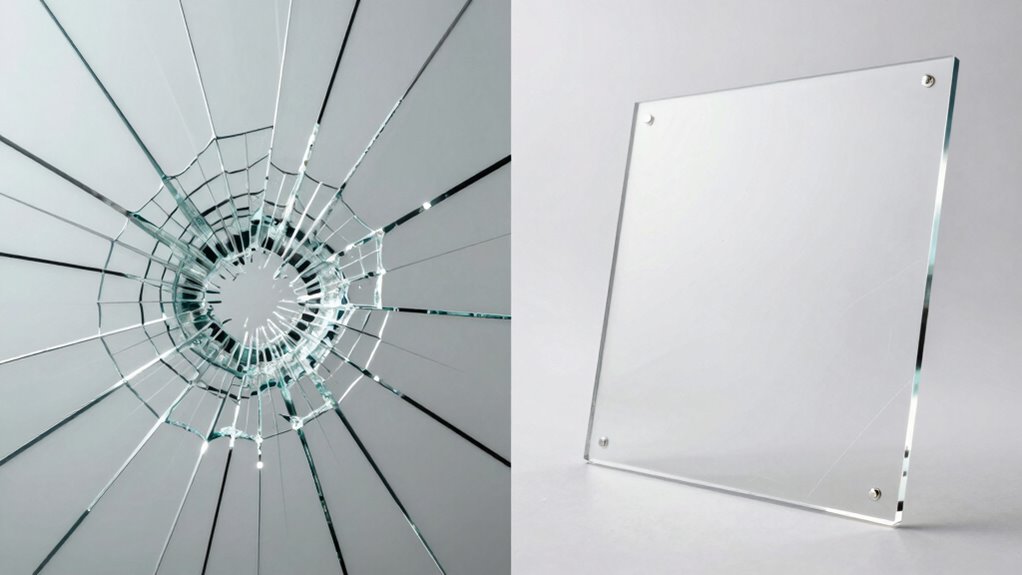
Acrylic is generally more impact-resistant than glass, making it a safer choice when accidental drops or hits are frequent. Its material strength allows it to withstand more force without cracking or shattering. If you’re looking for high impact durability, acrylic absorbs shocks better than glass, reducing the risk of breakage. This makes it ideal for applications like safety shields, display cases, or outdoor signs. Additionally, role-play toy sets can be made from acrylic, enhancing safety in play environments. Furthermore, using lab measurement tools made from acrylic can help ensure durability in various testing conditions. Recent trends in wall art also highlight the use of acrylic for vibrant displays that are both durable and stylish.
- It flexes slightly under impact, preventing sudden breakage.
- Less likely to shatter into sharp pieces.
- Offers better resilience against accidental bumps and drops.
While glass is more brittle and prone to breaking, acrylic’s material strength ensures it remains intact longer under stress. Additionally, AI integration in design processes can enhance the overall functionality and aesthetic appeal of acrylic products. If impact durability matters most, acrylic clearly outperforms glass. Additionally, acrylic’s color accuracy makes it a versatile choice for various applications, enhancing visual appeal without compromising safety.

Made in the USA Clear Acrylic Display Case, 5-Sided, Customizable
- Transparent 5-Sided Design: Provides 360-degree visibility
- Customizable Dimensions: Choose height, depth, and width
- Versatile Display Use: Showcases collectibles, awards, and more
As an affiliate, we earn on qualifying purchases.
As an affiliate, we earn on qualifying purchases.
How Clear and Transparent Are Glass and Acrylic?
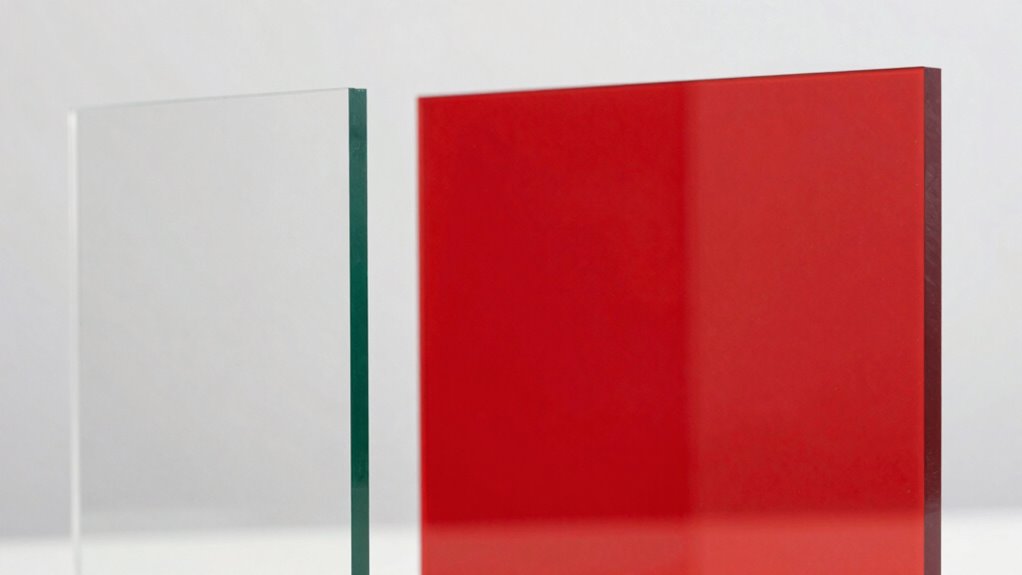
Have you ever noticed how some clear materials seem more transparent than others? Glass typically offers excellent clarity, providing a crisp, undistorted view. Acrylic, on the other hand, can sometimes appear slightly less transparent, with a subtle haze or cloudiness if not of high quality. When it comes to color options, glass is usually clear, but tinted varieties are available for aesthetic appeal. Acrylic provides more versatility here, offering a broader range of colors and tints, which can enhance your design choices. Overall, glass tends to deliver superior transparency and a classic look, while acrylic offers more flexibility in color and aesthetic appeal. Your selection depends on whether you prioritize pure clarity or creative customization. Additionally, considering eco-friendly natural pools may influence your material choice for sustainable outdoor designs. The choice between glass and acrylic might also be influenced by their respective resale value, particularly in applications where longevity and aesthetics matter.
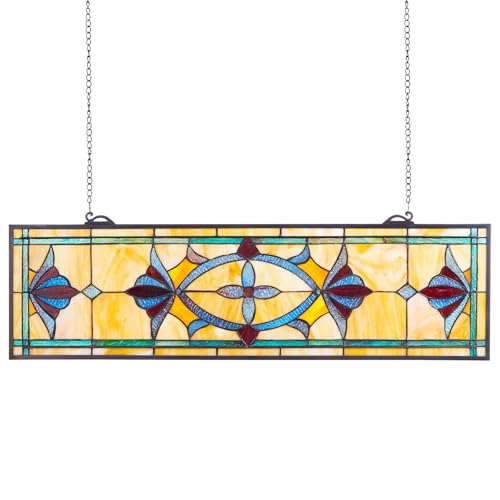
VEVOR Stained Glass Window Panel, 32 x 10 in, Tiffany Style Hanging Transom Window Panel with Chain, Large Horizontal Rectangle Stain Glass, Vintage Traditional Art Handcrafts for Kitchen Home Decor
- Artful Aesthetics: Vibrant colors and intricate patterns
- Lasting Color Brilliance: Resists fading from sunlight and cleaning
- Premium Glass Material: High-quality glass for clear, reflective light
As an affiliate, we earn on qualifying purchases.
As an affiliate, we earn on qualifying purchases.
Are Glass or Acrylic Easier to Clean and Maintain?
Sure! Here’s the revised content with the requested changes:
—
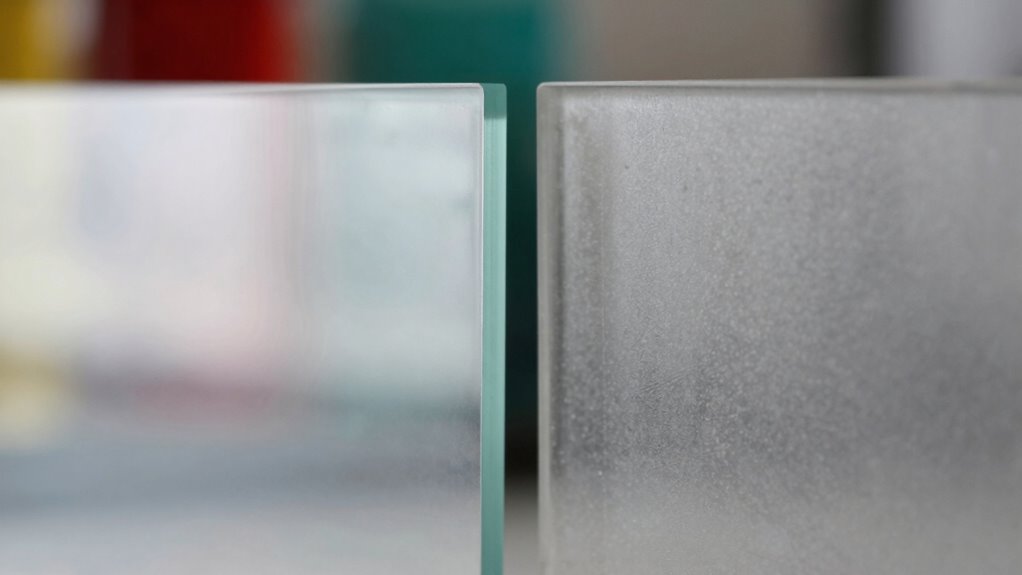
Are glass and acrylic equally easy to clean and maintain? Not quite. When it comes to cleaning ease, acrylic is generally simpler because it’s less prone to fingerprints and smudges. You can use a soft cloth and mild soap without worrying about scratches. Glass, on the other hand, requires more attention to avoid streaks and water spots, especially if you want a crystal-clear look. Incorporating DIY cleaning solutions can also enhance the effectiveness of your cleaning routine. Additionally, understanding the chemical properties of each material can help determine the best maintenance approach. Both materials can be valuable, just like Christian Yelich’s mixed heritage reflects the unique blend that makes them special.
- Acrylic’s maintenance requirements are lower, needing only gentle cleaning. Furthermore, having premium car protection can help preserve both materials from wear and tear over time.
- Glass demands more frequent wiping to prevent streaks and mineral deposits.
- Both materials benefit from avoiding abrasive cleaners, but acrylic is more forgiving if you’re in a hurry. Additionally, knowing the right cleaning techniques can enhance the longevity of both materials.
—
Let me know if you need any further modifications!
Is Glass Safer Than Acrylic? Safety Tips and Concerns
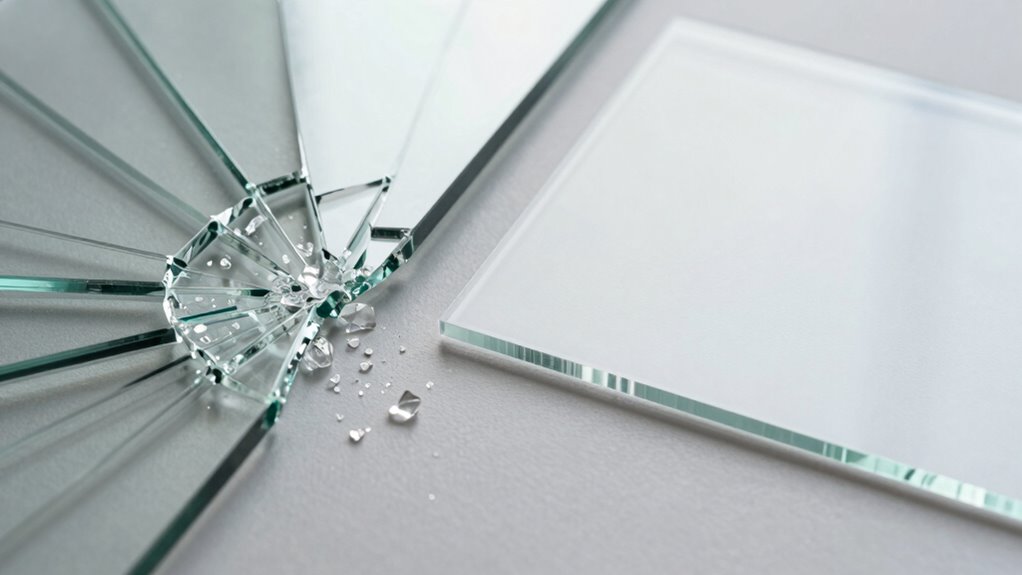
You might think glass is safer because it’s sturdy, but acrylic actually resists impact better and is less likely to shatter. However, both materials need safety precautions—like handling with care and using protective gear—to prevent injuries. Understanding their impact resistance differences helps you choose the safer option for your space. Additionally, considering safety precautions is essential when selecting materials for environments where children play. For instance, using mineral-based sunscreens is crucial in protecting delicate skin while ensuring a safe play area. It’s also important to consider solar system design when installing panels to minimize risks associated with weather-related impacts. Moreover, exploring content formats can reveal innovative ways to present safety information effectively. Prioritizing work-life harmony can also help reduce stress, allowing you to make better decisions regarding safety in your living environment.
Impact Resistance Differences
When it comes to impact resistance, the key difference between glass and acrylic becomes clear: acrylic generally withstands impacts better than glass. Its superior impact durability means it’s less likely to shatter or crack under sudden force, making it a safer choice in many situations. Acrylic’s material strength allows it to absorb shocks more effectively, reducing the risk of dangerous breakage. Additionally, smart shopping strategies can help you choose high-quality acrylic products that enhance safety.
Consider these points:
- Acrylic bends rather than breaks, providing better impact resistance.
- Glass tends to shatter into sharp pieces, posing safety concerns.
- Impact durability varies widely depending on thickness and quality. Furthermore, many cultural festivals and events highlight the importance of safety in community spaces, emphasizing the need for durable materials.
For those looking to improve home safety for the elderly, understanding aging in place solutions can help you make informed choices about materials. If safety and resilience matter most, acrylic’s material strength and impact durability give it a significant advantage over glass. Additionally, natural oils in certain products can enhance protective qualities, making acrylic a versatile option for various applications. Moreover, selecting products with advanced filtration systems can significantly improve air quality while ensuring safety.
Safety Precautions Needed
Although acrylic is more impact-resistant than glass, both materials require safety precautions to prevent injury. Always wear personal protective gear, like gloves and safety goggles, during installation or cleaning. Keep emergency preparedness in mind—have first aid supplies ready in case of accidents. Handling broken glass or acrylic can cause cuts and shards to fly, so work carefully and dispose of fragments properly. Use the following safety tips:
| Safety Measure | Why It’s Important | Best Practice |
|---|---|---|
| Wear protective gear | Prevents cuts and eye injuries | Always use gloves and goggles |
| Handle with care | Avoid breakage and shards flying | Use tools for cutting or moving materials |
| Proper disposal | Reduces injury risk from shattered pieces | Dispose of broken pieces in designated containers |
| Emergency preparedness | Ensures quick response to injuries | Keep first aid kit accessible |
How Do Cost and Installation Compare?

When comparing glass and acrylic, you’ll notice that acrylic typically costs less, making it a budget-friendly choice. Installation for glass can be more complex and take longer due to its weight and fragility, while acrylic is easier to handle and install quickly. Understanding these differences helps you choose the option that fits your budget and timeline best.
Price Differences and Budget
Price differences between glass and acrylic can considerably impact your budget, with acrylic generally costing less upfront. When doing a pricing comparison, acrylic usually offers a more affordable option for those with tight budgets. However, consider long-term costs such as maintenance and replacement, which might shift the overall expenses. To help you decide, think about:
- Initial purchase price: Acrylic is often cheaper initially.
- Durability and longevity: Glass might last longer, reducing replacement costs.
- Maintenance needs: Acrylic can scratch more easily, possibly increasing upkeep.
Your budget considerations should include both upfront costs and potential future expenses. While acrylic might save you money now, the durability of glass could offer better value over time. Weigh these factors carefully before making your decision.
Installation Complexity and Time
Installing glass can be more complex and time-consuming than acrylic due to its weight and fragility, which require specialized equipment and careful handling. The installation challenges for glass include ensuring precise measurements, managing delicate panels, and avoiding damage during setup. This process often involves longer setup durations, as more planning and care are necessary to prevent accidents. Acrylic, on the other hand, is lighter and more flexible, making it easier to handle and install quickly. Its setup duration is generally shorter, with fewer precautions needed during installation. Overall, the added complexity and time required for glass installation can increase labor costs and extend project timelines, whereas acrylic’s simpler process can save you both time and money.
What Are the Environmental Impacts of Glass and Acrylic?
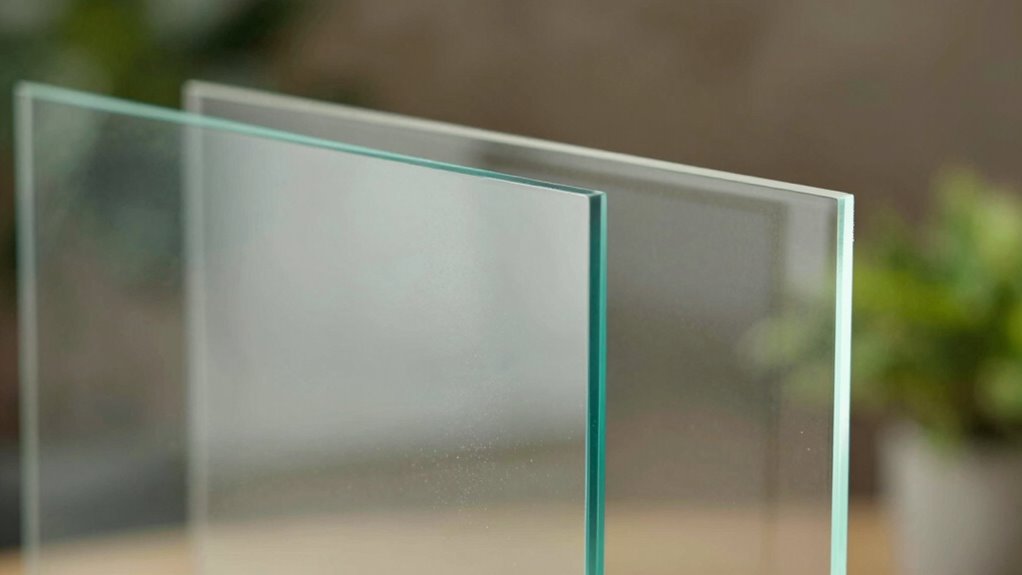
Have you ever wondered how the production and disposal of glass and acrylic impact the environment? Both materials have distinct environmental footprints. Glass is highly recyclable but faces recycling challenges due to contamination and sorting issues, which can limit its reuse. Acrylic, on the other hand, has a lower recycling rate and often ends up in landfills. When it comes to carbon footprint, acrylic production generally emits more greenhouse gases because it’s derived from petroleum. Conversely, glass production requires high energy for melting, adding to its environmental impact.
Glass faces recycling challenges despite being highly recyclable; acrylic’s lower recyclability leads to more landfill waste and higher emissions.
- Glass is recyclable but faces challenges in collection and sorting.
- Acrylic’s recycling rate is lower, often leading to landfill waste.
- Both materials contribute to environmental concerns through energy-intensive manufacturing.
Where Do Glass and Acrylic Work Best? Key Applications

Ever wonder where glass and acrylic truly shine in their applications? For starters, glass offers exceptional decorative versatility, making it ideal for elegant tabletops, display cases, and artistic installations. Its clarity enhances architectural aesthetics, creating a timeless, sophisticated look in buildings and interiors. Acrylic, on the other hand, excels in scenarios requiring impact resistance and lightweight durability, such as protective barriers, signage, and LED displays. Its versatility extends to decorative uses as well, with options for vibrant colors and custom shapes. Both materials serve specific needs: glass elevates spaces with its classic appeal, while acrylic provides flexible, modern solutions. Understanding where each material performs best helps you choose the right one for your project’s aesthetic and functional goals.
Which Material Gives You the Best Value for Your Money?
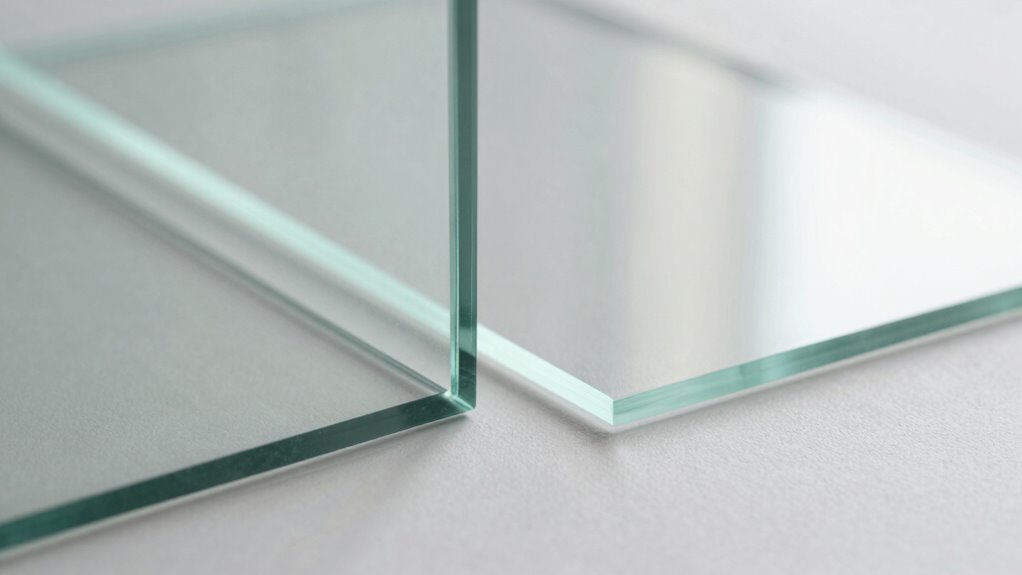
When it comes to choosing between glass and acrylic, considering value for your money is key. Acrylic often offers a better deal because it’s lightweight, less prone to shattering, and easier to install, making it cost-effective long-term. Its material durability means fewer repairs or replacements, saving you money. While glass provides a sleek aesthetic appeal, it’s heavier and more fragile, leading to potential breakage costs.
Acrylic offers better value with its durability, lightweight design, and lower long-term costs compared to fragile, heavier glass.
- Acrylic’s affordability and durability make it a smart investment for high-traffic areas.
- Glass’s aesthetic appeal can boost property value but often comes with higher maintenance and replacement costs.
- Your budget and long-term needs should guide your choice, balancing initial costs with durability and appearance.
Frequently Asked Questions
How Do Weather Conditions Affect the Durability of Glass and Acrylic?
Weather conditions markedly impact the durability of glass and acrylic. You’ll find acrylic offers better weather resilience, resisting UV rays and temperature fluctuations, while glass can become more brittle over time. Material expansion is a concern for both; acrylic expands and contracts more with temperature changes, which can cause warping. If you face varying weather, acrylic might be a better choice for durability, but consider how each material responds to your specific climate.
Can Acrylic Be Recycled as Easily as Glass?
Acrylic isn’t as easy to recycle as glass due to recycling challenges, which makes its environmental impact more significant. While glass can be melted down and reused repeatedly with minimal loss of quality, acrylic often requires specialized processes that aren’t widely available. This means acrylic’s recycling is less efficient, leading to greater waste and environmental concerns. If recycling is a priority, glass remains the more eco-friendly choice.
How Do UV Exposure Impacts Differ Between Glass and Acrylic?
UV exposure affects acrylic more than glass, causing faster degradation and material aging. Acrylic’s lower UV resistance means it can become cloudy, brittle, or discolored over time with prolonged sun exposure. Glass, on the other hand, resists UV rays better, maintaining clarity and strength longer. If outdoor durability matters, you’ll notice acrylic needs more maintenance, while glass offers superior UV resistance for long-lasting clarity.
Are There Any Health Risks Associated With Acrylic Fumes During Manufacturing?
Acrylic fumes during manufacturing can pose health concerns, especially if you’re exposed without proper safety measures. These fumes contain volatile organic compounds (VOCs) that may irritate your eyes, skin, or respiratory system. It’s like walking through a fog of health risks if you’re not protected. Always guarantee good ventilation and wear safety gear to minimize exposure. Ignoring these precautions could turn a straightforward process into a potential health hazard.
Which Material Is Better Suited for Outdoor or High-Temperature Environments?
You should choose glass for outdoor or high-temperature environments because it handles heat better and is more weather-resistant. Acrylic offers more flexibility and is lighter, but it can warp or degrade under extreme temperatures. When considering material flexibility and cost, acrylic might be cheaper upfront, but glass’s durability saves money long-term. So, for harsh conditions, glass is the better option for stability and longevity.
Conclusion
When weighing the wonders of glass versus acrylic, remember the true trade-offs—impact, clarity, cost, and care. By understanding these differences, you can confidently choose the best material for your needs. Don’t forget to think about safety, sustainability, and style to make your decision durable and delightful. Explore your DIY or design project with clarity and confidence—because making the right choice is the key to a perfect, practical, and polished finish.
Flea & tick season Picks
flea and tick prevention
As an affiliate, we earn on qualifying purchases.