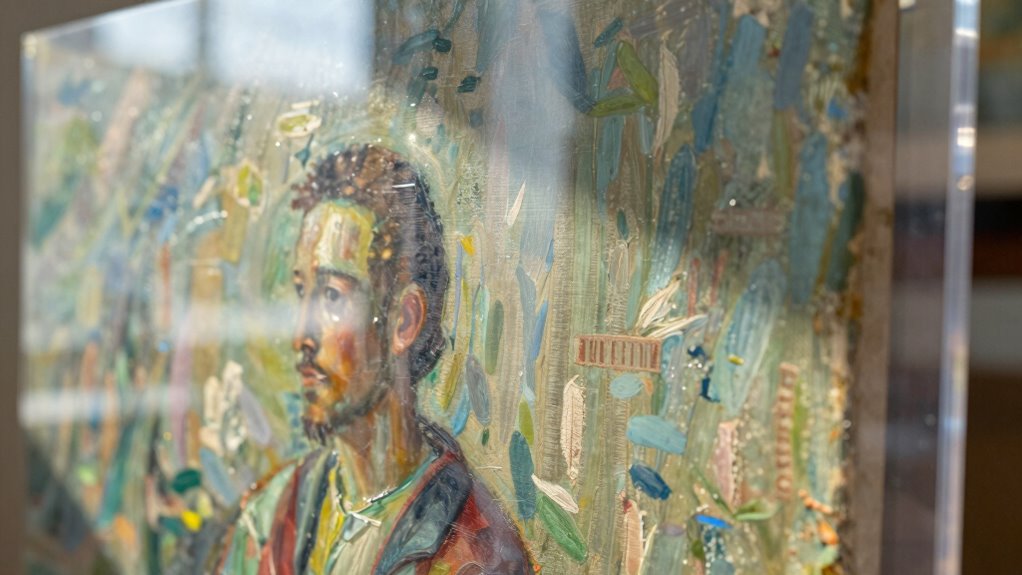

You don’t need complete UV protection to preserve your artwork, but limiting exposure is essential. UV rays can cause fading, discoloration, and material breakdown over time, especially with prolonged or intense light. Using UV filters, protective glass, and controlling light levels helps balance visibility with safety. The goal is to reduce UV damage while still showing your art clearly. To learn practical tips on protecting different artworks effectively, keep exploring how to optimize your display and storage conditions.
Open a free Amazon Business account
Business pricing, bulk buying and tax-exempt orders.
As an affiliate, we earn on qualifying purchases.
Key Takeaways
- Most artworks benefit from UV filters that block at least 99% of UV rays to prevent fading and deterioration.
- Regularly monitor UV levels with light meters to tailor protective measures effectively.
- Limit exposure time and keep artwork away from direct sunlight and high-intensity light sources.
- Use UV-filtering glass or coatings in frames to provide ongoing protection without affecting visibility.
- Tailor UV protection based on material sensitivity, with organic dyes requiring more shielding than inorganic pigments.
As an affiliate, we earn on qualifying purchases.
How Does UV Light Damage Artwork Over Time?
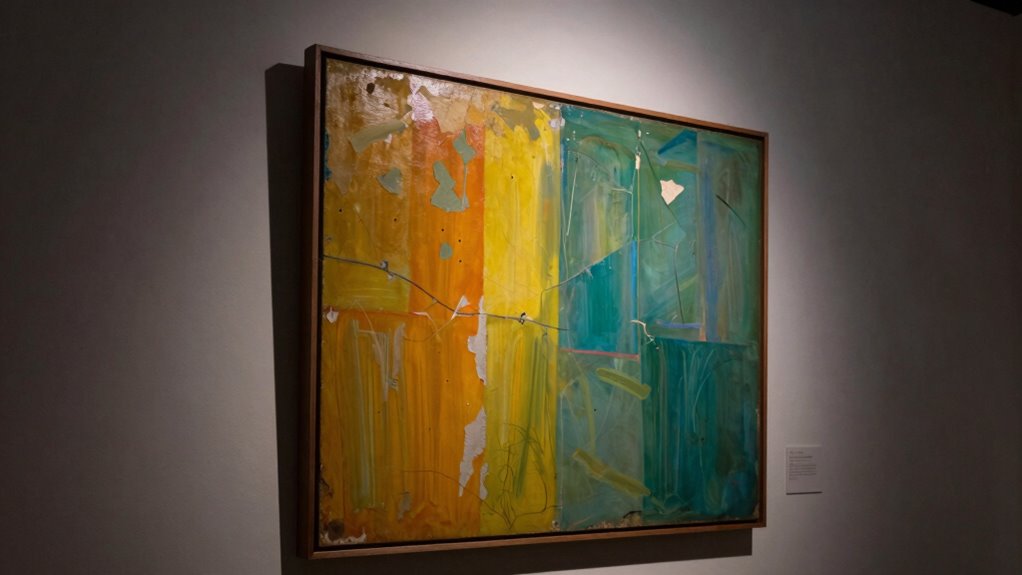
Ultraviolet (UV) light can cause significant damage to artwork by breaking down the chemical bonds in pigments, dyes, and varnishes. Over time, this process, known as UV degradation, leads to fading, discoloration, and loss of detail. When your artwork is exposed to unfiltered light, UV rays penetrate the surface and accelerate deterioration. Light filtering is essential to slow this process, as it blocks or reduces harmful UV exposure. Without proper protection, the pigments in your art weaken, and varnishes become brittle, compromising the piece’s integrity. You can prevent or delay these effects by using UV-protective glazing or coatings. This helps preserve the original colors and details, ensuring your artwork remains vibrant and intact for years to come. Additionally, just as microchipping pets safeguards their identity, using UV protection for your art is crucial for preserving its value. Implementing efficiency tips for lighting can further enhance protection, reducing overall exposure to harmful UV light. Furthermore, considering eco-friendly solutions can contribute to a healthier environment while protecting your artwork. Moreover, understanding digital concepts related to UV protection can aid in selecting the most effective solutions for your artwork. Using scent technology in your space can also create an environment that helps you appreciate your art more fully, minimizing distractions from potential damage.
As an affiliate, we earn on qualifying purchases.
How Much UV Exposure Is Harmful to Art?
Sure! Here’s your revised content with the requested changes:
—
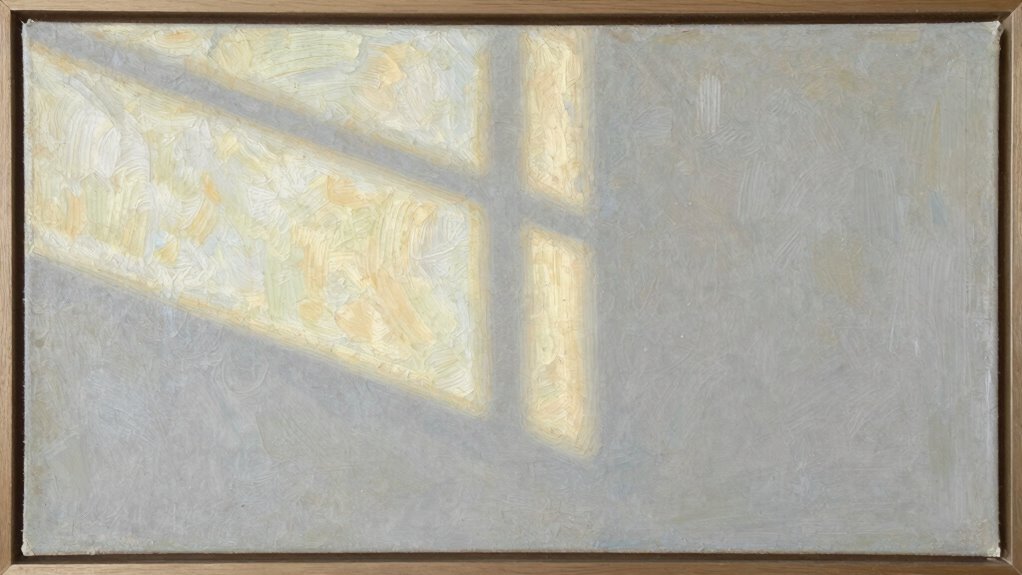
Even minimal UV exposure can gradually damage your artwork, but the level of harm depends on how much and how often it’s exposed. Many UV exposure myths suggest that only intense, prolonged sunlight harms art, but even brief, daily exposure can cause deterioration over time. To protect your pieces, consider art preservation techniques like UV-filtering glass or window films. Recognizing how much UV light is truly harmful helps you set realistic protection measures, avoiding unnecessary worry or over-the-top solutions. It’s important to understand that consistent, low-level UV exposure accumulates, gradually fading colors and weakening materials. For example, electric dirt bikes demonstrate how even subtle elements can impact performance over time. By knowing the risks, you can better manage light sources and implement effective UV protection strategies, ensuring your artwork remains vibrant for years to come. Additionally, using UV-filtering glass can significantly reduce harmful exposure while maintaining visibility. Furthermore, sustainable materials used in art preservation can enhance the longevity of your pieces. Moreover, understanding light management techniques is crucial in preventing damage from UV exposure. In the world of art, preservation techniques are essential for safeguarding your pieces against unseen damage.
—
Let me know if you need any further modifications!
As an affiliate, we earn on qualifying purchases.
What Factors Affect UV Damage to Artwork?
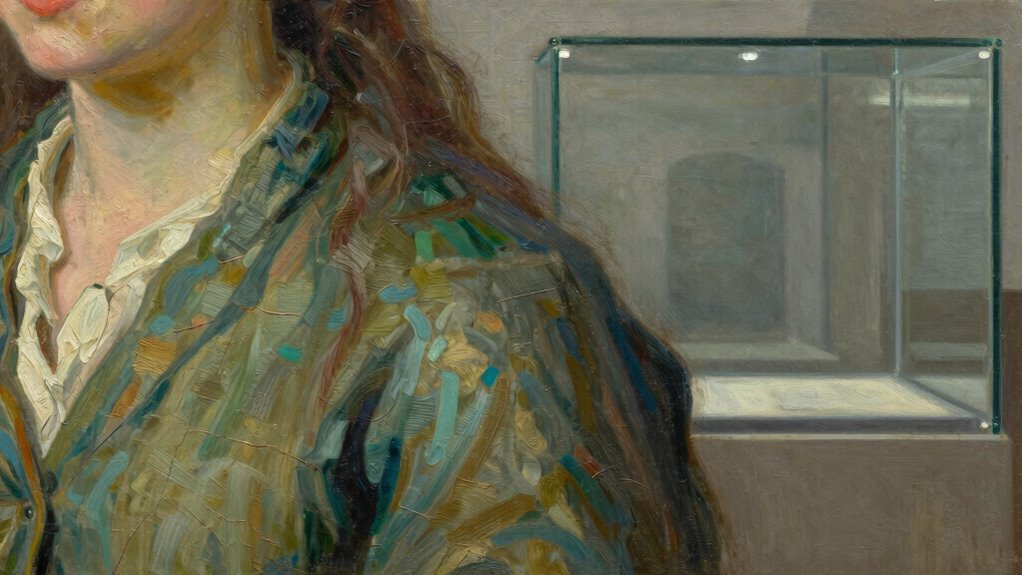
The amount of UV damage your artwork sustains depends on several factors, like the intensity of light it’s exposed to and how sensitive the materials are. Longer exposure times increase the risk, especially if the artwork is made from delicate or vulnerable materials. Understanding these elements helps you better protect your pieces from UV-related deterioration. Additionally, implementing smart home automation can help monitor and control light exposure to your artwork effectively. To further safeguard your pieces, consider using UV-filtering glass when framing, as it can significantly reduce harmful light exposure. Using air fryer accessories can also help you explore innovative ways to protect and display your artwork without excessive light exposure. Furthermore, just as chewable snacks support dental hygiene in dogs, ensuring your artwork is well-protected contributes to its longevity and overall condition. Be aware that UV rays can penetrate even through standard window glass, making it essential to take additional protective measures.
Light Intensity Levels
Light intensity levels directly influence how quickly UV damage can occur to artwork. Higher light levels increase UV exposure, causing faster fading and deterioration. Bright environments enhance light reflection, which can intensify UV effects, especially on surfaces with vibrant color saturation. When artwork is exposed to intense light, the pigments and materials degrade more rapidly, risking loss of detail and vibrancy. Conversely, lower light levels slow down this process, preserving the piece longer. Managing light intensity is essential for effective UV protection. Using dimmer lighting or UV filters can markedly reduce UV damage. Understanding how light reflection amplifies UV effects helps you make informed decisions about display and storage conditions, ensuring your artwork retains its original beauty for years to come. Additionally, utilizing a WordPress analytics hub can provide valuable insights into optimal display conditions for your artwork. To ensure maximum longevity, consider the importance of seasonal recommendations for displaying sensitive pieces in varying light conditions. Regular monitoring of Frühwarnzeichen für Schäden can help detect any early signs of deterioration before they become critical.
Artwork Material Sensitivity
Different materials used in artwork respond uniquely to UV exposure, influencing how quickly they degrade over time. Canvas textures can affect UV penetration; smoother surfaces may offer some protection, while rougher textures can trap UV rays, accelerating damage. The stability of pigments also varies—some are highly sensitive and fade or change color rapidly when exposed to UV light, while others remain stable for decades. Understanding pigment stability helps you determine how much UV protection your artwork needs. Additionally, the choice of materials impacts vulnerability: organic materials like certain dyes degrade faster than inorganic pigments. Recognizing these factors allows you to tailor UV protection measures effectively, ensuring your artwork’s longevity and preserving its original appearance over time. Furthermore, cookies utilized to enhance browsing experiences can also be considered when choosing how to display and protect your artwork digitally. To maintain the integrity of your artwork, it’s crucial to consider gear care tips that can help mitigate UV damage in various environments. For instance, using UV filtering glass can significantly reduce harmful rays while still allowing visible light to enhance the artwork.
Duration of Exposure
Sure! Here’s the revised content with the requested addition:
—
Ever wondered what determines how quickly UV damage occurs to your artwork? It all comes down to UV exposure duration. The longer your artwork is exposed to UV rays, the faster it ages and deteriorates. Even brief periods of intense sunlight can accumulate damage over time, especially if the exposure is repeated regularly. Factors like the intensity of UV rays, the distance from the light source, and the presence of protective barriers influence how much UV your artwork absorbs. Keep in mind that continuous exposure accelerates artwork aging, so limiting exposure duration is vital. Using UV filters or controlling lighting conditions helps minimize damage. Additionally, nail biology principles suggest that certain materials may react differently to UV rays, further impacting their longevity. Incorporating energy-efficient lighting can also reduce UV exposure while maintaining the ambiance of your space. Understanding universal basic income can also shed light on how economic shifts affect resource allocation, just as understanding how duration of exposure affects UV damage empowers you to better protect your artwork and preserve its beauty longer.
—
Let me know if you need any further adjustments!
As an affiliate, we earn on qualifying purchases.
How Can You Measure and Control UV Light in Your Space?
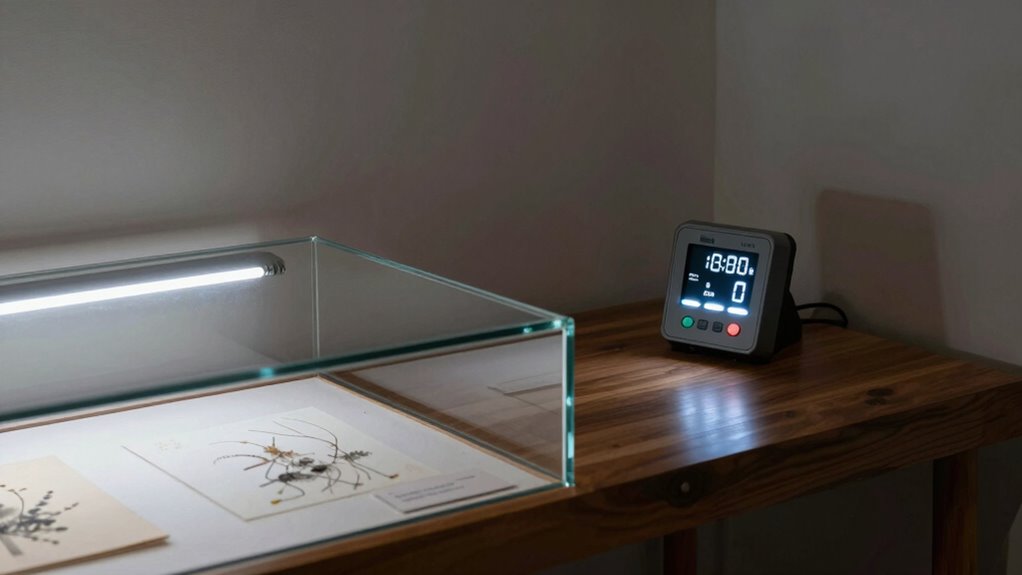
To effectively manage UV exposure in your space, you’ll need to measure and control the amount of UV light present. Start with UV measurement techniques such as UV radiometers or light meters designed to quantify UV levels accurately. These tools help you assess the intensity of UV radiation reaching your art and identify areas needing adjustment. Once you know the UV levels, you can implement UV control methods like installing UV-filtering films, using UV-blocking glass, or adding UV-protective coatings. Regular monitoring ensures your measures stay effective over time. Controlling UV light is essential to prevent damage, and a combination of precise measurement and targeted control methods keeps your art safe while allowing you to manage exposure effectively.
What Are the Best Ways to Protect Different Types of Art From UV Damage?
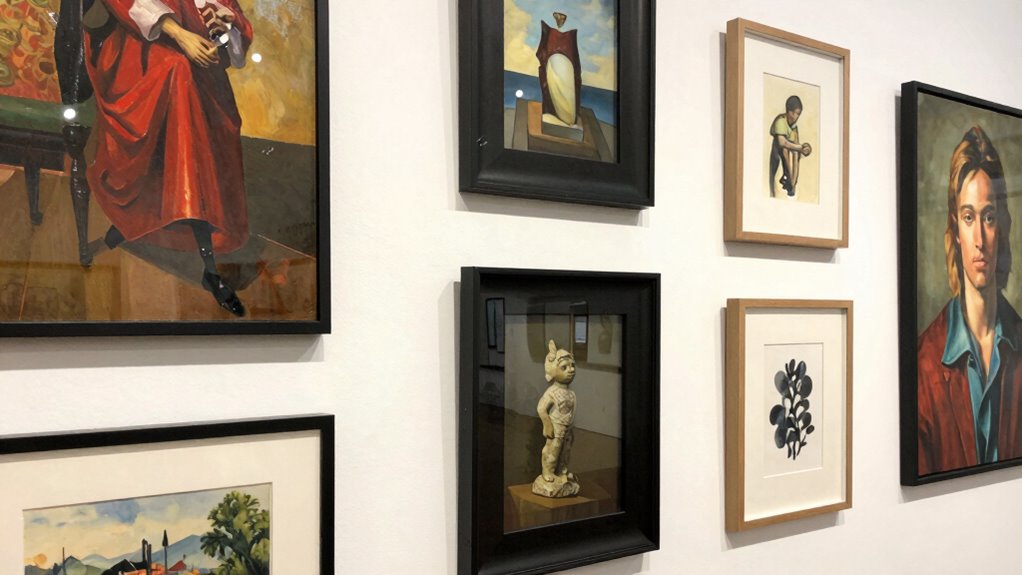
Protecting art from UV damage requires tailored strategies because each type responds differently to light exposure. For paintings and textiles, controlling gallery lighting by using UV-filtering glass or acrylic in frames is essential. When it comes to display placement, avoid direct sunlight and position sensitive works away from windows or strong light sources. For photographs and delicate materials, dimmer lighting levels and indirect light help prevent fading. Sculptures and three-dimensional pieces benefit from protective covers or UV-blocking display cases. Regularly evaluating light conditions and adjusting gallery lighting ensures ideal protection without sacrificing visibility. Remember, different art forms need specific care; customizing your approach with appropriate lighting and display placement is key to preserving their integrity over time.
How Can You Balance Art Visibility and UV Protection?
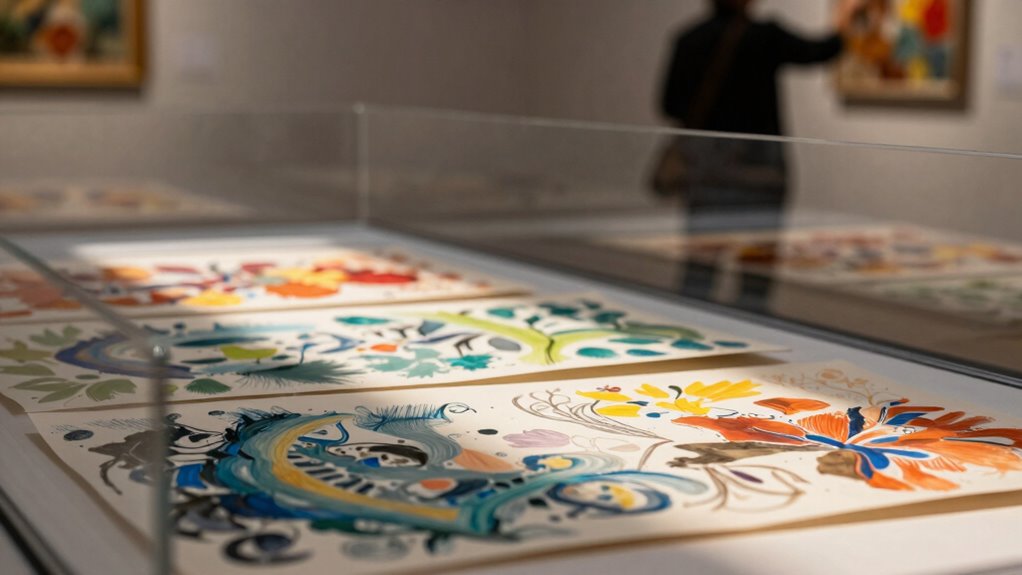
To balance art visibility with UV protection, you need to optimize light levels so the artwork isn’t exposed to harsh illumination. Selecting the right UV filters can help reduce damage without sacrificing clarity or color accuracy. By carefully managing both, you guarantee your art stays vibrant and well-protected over time.
Optimizing Light Levels
Balancing art visibility with UV protection requires careful control of lighting conditions. Too much light can cause color fading and accelerate material degradation, while too little hampers appreciation of the artwork. To optimize light levels, consider these steps:
- Use low-intensity lighting to reduce UV exposure without sacrificing visibility.
- Position lights at an angle to minimize direct UV hit on the artwork.
- Limit exposure time by turning lights off when not viewing the piece.
- Regularly monitor light intensity and adjust as needed to maintain the balance between visibility and preservation.
Selecting Appropriate UV Filters
Choosing the right UV filters is essential for maintaining the integrity of your artwork while guaranteeing it remains visible and vibrant. Start by considering UV filter materials—glass, acrylic, or polyester—each offering different levels of UV protection and clarity. High-quality filters block harmful UV rays without distorting colors or reducing visibility. When it comes to filter installation, ensure proper fit and secure placement to avoid gaps that could let in damaging light. Regularly inspect the filters for scratches or dirt, which can diminish effectiveness. Balancing art visibility and UV protection involves selecting filters that provide strong UV absorption while maintaining minimal impact on appearance. Properly chosen and installed UV filters safeguard your artwork without compromising its visual appeal.
What Are Common Mistakes When Protecting Art From UV Damage?
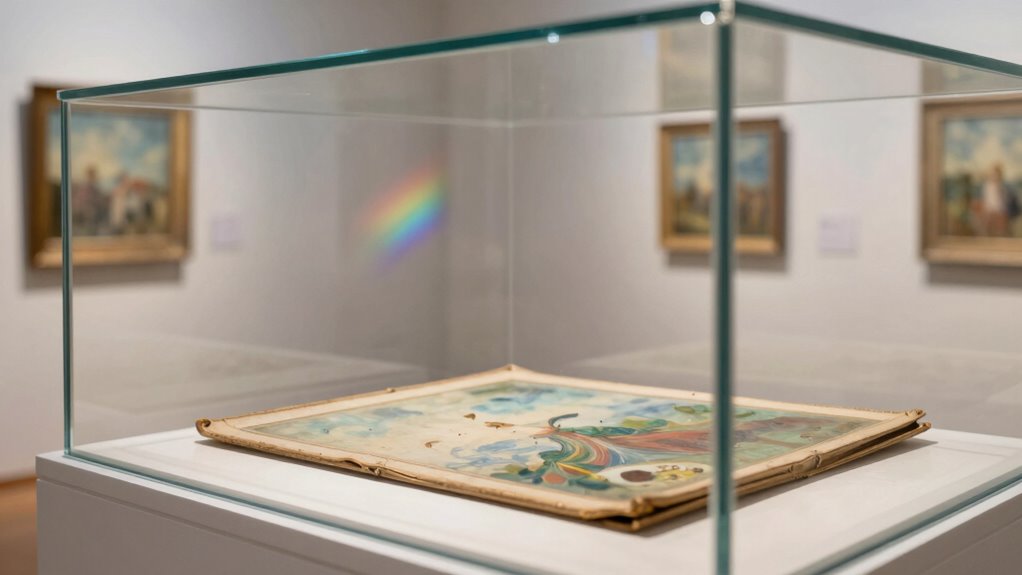
One common mistake when protecting art from UV damage is relying solely on physical barriers like glass or acrylic without considering their UV-filtering properties. Many assume that regular glazing provides sufficient protection, but some materials lack effective UV filters, risking art conservation issues. To avoid this, keep these points in mind:
Relying solely on glass or acrylic without UV filtering can still expose art to damaging light.
- Overlooking the importance of UV filtering in glazing materials.
- Using outdated or ineffective UV protection products.
- Ignoring light exposure duration and intensity in display areas.
- Failing to regularly assess and update UV protection measures.
Practical Tips for Preserving Your Artwork’s Longevity
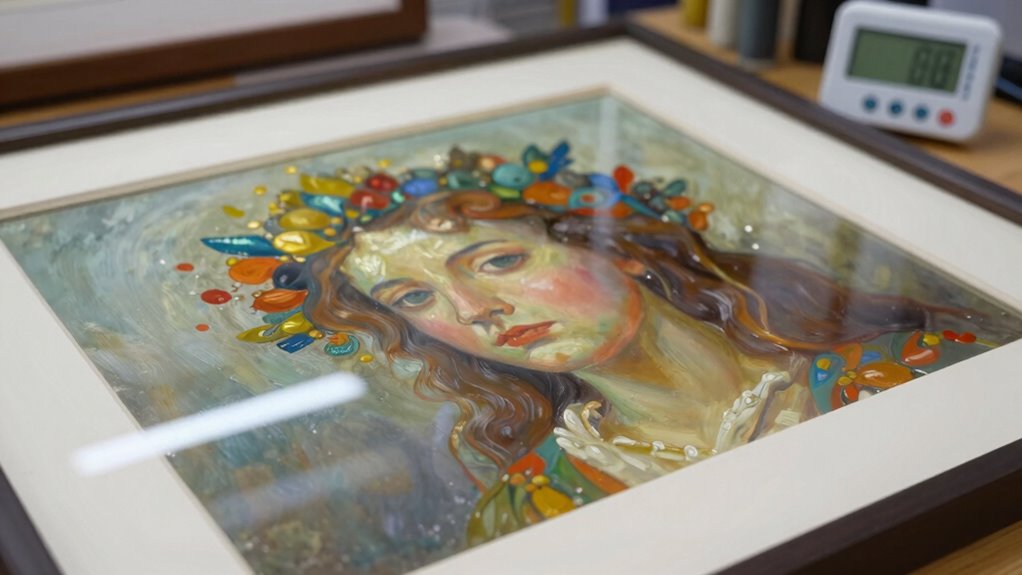
To guarantee your artwork stands the test of time, taking proactive steps to preserve its condition is essential. Focus on proper environmental controls, such as maintaining stable temperature and humidity levels, to support historical preservation. Protect your pieces from direct sunlight and UV exposure by using UV-filtering glass or acrylic when framing. Regularly inspect and clean your artwork with gentle techniques to prevent dust buildup. For long-term preservation, consider digital archiving your collection—high-quality scans or photographs ensure you have a backup even if physical damage occurs. Store artworks in acid-free materials and keep them in a climate-controlled space. These practical tips help safeguard your artwork’s longevity, allowing future generations to enjoy its beauty and historical significance.
Frequently Asked Questions
How Does UV Protection Impact the Viewing Experience of Artwork?
UV protection enhances your viewing experience by reducing glare and preserving the artwork’s colors. Proper lighting conditions guarantee you see details clearly without straining your eyes, while UV filters prevent fading and damage over time. This creates a comfortable environment, allowing you to enjoy the art fully without concerns about deterioration. Ultimately, UV protection helps maintain the artwork’s integrity and boosts your overall viewer comfort during each encounter.
Are There Specific UV Filters Recommended for Different Art Mediums?
Think of UV filters as guardians for your masterpieces. For paintings, you’ll want glass with UV filter types designed specifically for art preservation, like museum-grade filters that block most UV rays without affecting color. For textiles or delicate mediums, consider acrylic filters that offer high UV protection. Choosing the right UV filter type guarantees your art’s vibrancy endures, safeguarding your passion for generations to come.
Can UV Protection Treatments Be Applied Directly to Artwork?
Yes, UV protection treatments can be applied directly to artwork. You should use UV blocking protective coatings designed specifically for art to guarantee they don’t damage the piece. These coatings form a clear, protective layer that reduces UV exposure, helping preserve colors and materials. Always test the coating on a small area first and follow the manufacturer’s instructions to avoid any unintended effects on your artwork.
What Are the Cost Considerations for UV Protection Solutions?
Think of UV protection like planting seeds for your artwork’s future; you need a clear budget plan. Cost analysis reveals options from affordable films to high-end coatings, each with its own price tag. As you plan, consider not just initial costs but long-term preservation benefits. Balancing your budget guarantees your art stays vibrant, avoiding financial storms while safeguarding masterpieces for years to come.
How Frequently Should UV Protection Measures Be Reassessed?
You should reassess your UV protection measures at least every 1-2 years, depending on your environment and UV exposure levels. Changes in sunlight intensity, artwork location, or new UV protection technology can impact effectiveness. Regularly monitoring UV exposure and the condition of your protective materials helps guarantee your art remains safe. Adjust your strategies accordingly, especially if you notice increased UV exposure or deterioration of your current UV protection solutions.
Conclusion
Protecting your artwork from UV damage isn’t just about shielding it—it’s about preserving its story for generations to come. But as you adjust your environment and choose your protective measures, questions linger: Are you truly doing enough? Could unseen UV rays still be eroding your pieces? Stay vigilant, because the tiniest exposure can quietly steal the vibrancy from your art. The key to lasting beauty might be closer than you think—waiting to be uncovered.
Flea & tick season Picks
flea and tick prevention
As an affiliate, we earn on qualifying purchases.