
To properly house and store paper-based artworks, use acid-free mounting materials, backing boards, and storage containers to prevent damage. Keep them in a climate-controlled environment with stable temperature and humidity levels, away from direct sunlight and heat sources. Handle artworks carefully with gloves or clean hands, and regularly inspect them for signs of deterioration. Combining proper housing with controlled conditions will greatly extend their lifespan; discover more tips to preserve your collection effectively.
Listen free for 30 days with Audible
Thousands of audiobooks and originals — cancel anytime.
As an affiliate, we earn on qualifying purchases.
Key Takeaways
- Use acid-free mounting materials and backing boards to prevent deterioration and physical stress on artworks.
- Store artworks in a climate-controlled environment with stable temperature (65-70°F) and humidity (40-50%).
- Keep artworks in dark, cool, and acid-free storage containers, separated by acid-free tissue paper.
- Handle artworks with clean gloves or hands, supporting the entire piece to prevent damage.
- Regularly inspect stored artworks for signs of damage, addressing issues promptly to ensure preservation.

Proper housing and storage are essential for preserving paper-based artworks, as these delicate pieces are highly susceptible to damage from light, humidity, and physical handling. To protect your artworks effectively, you need to consider how they are mounted and stored. Acid free mounting is a crucial step in preventing deterioration caused by acidic materials that can weaken paper over time. When mounting your artwork, use acid free backing boards and mats to ensure that no harmful acids come into contact with the paper surface. This simple step can significantly extend the lifespan of your pieces, especially if they are displayed or stored for long periods.
In addition to acid free mounting, maintaining climate controlled rooms is vital. Fluctuations in temperature and humidity can cause paper to expand, contract, or become warped, which leads to cracking and deterioration. Ideally, your storage space should be a climate controlled environment with stable temperature levels around 65-70°F (18-21°C) and humidity levels between 40-50%. Such conditions help preserve the integrity of your artworks and prevent mold growth or insect infestations. If a dedicated climate controlled room isn’t available, consider portable dehumidifiers or air purifiers that can help regulate the environment and minimize risks.
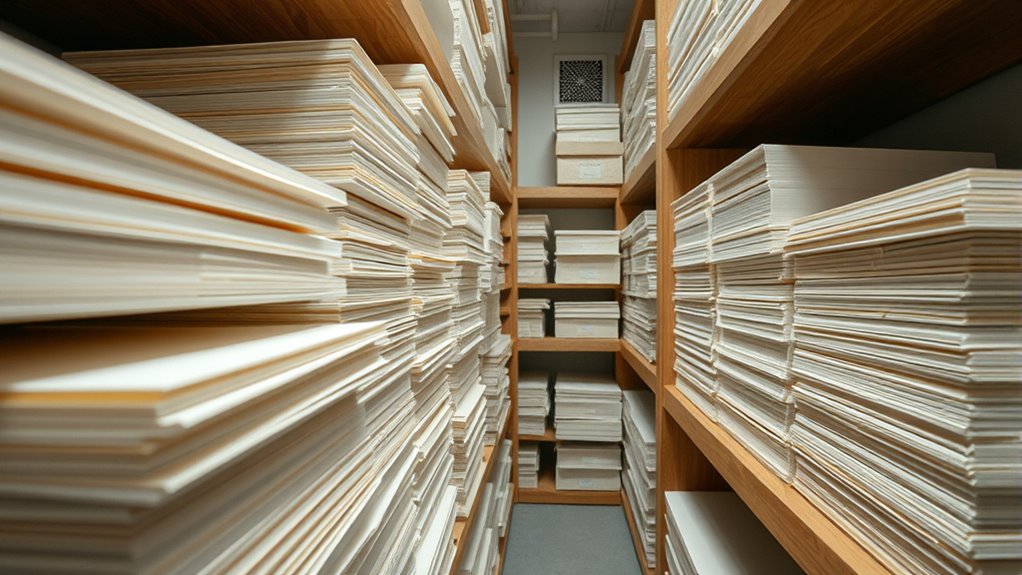
When storing paper-based artworks, avoid placing them in direct sunlight or near sources of heat, as UV rays accelerate fading and weaken the paper fibers. Instead, opt for storage in dark, cool areas, ideally in archival-quality boxes or folders. These containers should be acid free and lignin free, providing a neutral environment that prevents chemical reactions that can cause discoloration over time. When stacking or storing multiple pieces, ensure they are separated with acid free tissue paper or interleaving sheets to prevent sticking or surface damage.
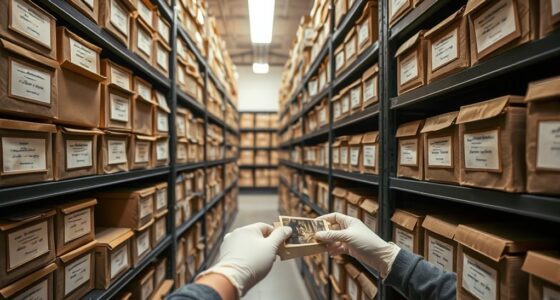
Handling your artworks carefully is equally important. Always wash your hands before touching them, or wear clean cotton gloves to prevent oils and dirt from transferring. Support the entire piece when moving or inspecting it, especially if it’s mounted or framed. Regularly check on your stored works to identify early signs of damage, such as discoloration or warping, so you can take prompt action. Additionally, proper storage practices can help prevent the need for costly restoration in the future. By combining acid free mounting, climate controlled environments, and gentle handling, you give your paper-based artworks the best chance to endure for generations to come.
acid-free mounting boards for artwork
As an affiliate, we earn on qualifying purchases.
As an affiliate, we earn on qualifying purchases.
Frequently Asked Questions
How Can I Safely Ship Paper-Based Artworks Internationally?
To safely ship paper-based artworks internationally, you should use proper framing techniques, like acid-free matting and UV-protective glass, to prevent damage. Wrap the piece in acid-free tissue and bubble wrap, then place it in a sturdy, labeled box. Guarantee your packaging is cushioned and secure. Avoid direct display lighting during transit, and include clear handling instructions to protect the artwork’s integrity during shipping.
What Are Eco-Friendly Storage Options for Archival Papers?
Like Prometheus bringing fire, you can choose eco-friendly storage options for archival papers by using biodegradable materials and recycling options. Opt for acid-free, recycled paper or cardboard that’s sustainably sourced, and consider biodegradable sleeves or folders to protect your works. These choices help reduce environmental impact while providing safe, long-term storage, ensuring your artwork stays preserved and eco-conscious for generations to come.
How Do Temperature Fluctuations Affect Paper Artworks Over Time?
Temperature fluctuations can seriously damage your paper artworks over time. When temperatures vary, it causes the paper to expand and contract, leading to warping, cracking, or deterioration. To protect your pieces, maintain consistent temperature stability and humidity control. Keeping your storage environment steady prevents these issues, ensuring your paper artworks stay preserved and in excellent condition for years to come.
Can Digital Backups Replace Physical Storage for Paper Artworks?
Digital backups can supplement physical storage, but they shouldn’t fully replace it. Digital preservation using cloud storage helps you safeguard images of your paper artworks against physical damage or loss. However, physical storage offers tangible protection and context that digital copies can’t replicate. Combining both approaches ensures thorough preservation, keeping your artwork safe, accessible, and well-preserved for the future.
What Are the Cost Differences Between Custom and Standard Storage Solutions?
Oh, the glamorous world of storage costs! You’ll find custom solutions often demand a hefty price tag, thanks to bespoke materials and craftsmanship, while standard options keep things budget-friendly with lower material costs. The pricing comparison favors off-the-shelf solutions, but if your paper artworks need special care, investing in custom storage might save you from future damage—and costs. So, weigh material costs against your artwork’s needs before splurging!
climate-controlled storage containers for paper art
As an affiliate, we earn on qualifying purchases.
As an affiliate, we earn on qualifying purchases.
Conclusion
Proper housing and storage for paper-based artworks are like a protective shield, keeping your pieces safe and vibrant over time. By choosing the right materials and environment, you guarantee your art stays as beautiful as the day you created it. Think of your storage space as a gentle guardian, quietly preserving your treasures. Invest in good solutions now, and your artworks will continue to tell their stories for generations to come.
archival quality storage boxes for artworks
As an affiliate, we earn on qualifying purchases.
As an affiliate, we earn on qualifying purchases.
acid-free tissue paper for art storage
As an affiliate, we earn on qualifying purchases.
As an affiliate, we earn on qualifying purchases.
Flea & tick season Picks
flea and tick prevention
As an affiliate, we earn on qualifying purchases.