

Even just five minutes of intense light exposure can start to cause damage to your skin and eyes over time. UV and blue light penetrate deep, triggering free radicals and oxidative stress that accelerate aging, cause wrinkles, and harm your vision. Repeated short exposures add up, increasing risks like sunburn, dark spots, sensitivity, and long-term eye issues. Staying protected is key—if you want to discover more about how to guard yourself daily, keep exploring further.
Open a free Amazon Business account
Business pricing, bulk buying and tax-exempt orders.
As an affiliate, we earn on qualifying purchases.
Key Takeaways
- Even a brief 5-minute exposure to bright light can cause immediate skin and eye stress.
- Repeated short exposures accumulate damage, leading to premature aging and tissue degradation over time.
- Blue light from screens penetrates skin and eyes, contributing to oxidative stress and long-term harm.
- UV rays during short outdoor periods can damage DNA and hinder skin regeneration, accelerating aging.
- Protective measures like sunglasses and blue light glasses can reduce cumulative damage from brief exposures.
As an affiliate, we earn on qualifying purchases.
How Does Daily Light Exposure Build Up Damage?

Sure! Here’s your revised content with the requested changes:
—
Even if you don’t notice immediate effects, daily light exposure gradually causes damage to your skin and eyes. Light pollution from outdoor sources and indoor lighting contribute to this cumulative harm. Artificial lights, especially blue light from screens and bright indoor bulbs, can penetrate your skin and eyes, triggering free radicals that break down cells over time. Continuous exposure to poorly shielded or excessive lighting increases oxidative stress, which accelerates aging and damages tissues. Proper lighting techniques can help mitigate some of this exposure. Additionally, strategies for reducing light pollution can create a healthier environment for both your skin and eyes. Indoor lighting, often overlooked, adds to this buildup, especially when you’re exposed for long periods. Over days, months, and years, these small, repeated exposures add up, weakening your skin’s elasticity and impairing your vision. Furthermore, microplastics in dust can exacerbate skin irritation, highlighting the need for a clean indoor environment. Recognizing this ongoing damage helps you understand the importance of managing light exposure daily. Additionally, high contrast ratios in lighting can affect how we perceive brightness and detail, impacting our overall visual comfort. Understanding the effects of cumulative light exposure can help individuals make informed choices about their daily environments.
—
Let me know if you need any further modifications!
As an affiliate, we earn on qualifying purchases.
Why Even Short Light Exposures Matter for Your Skin and Eyes
Sure! Here’s your content with the requested modifications:
—
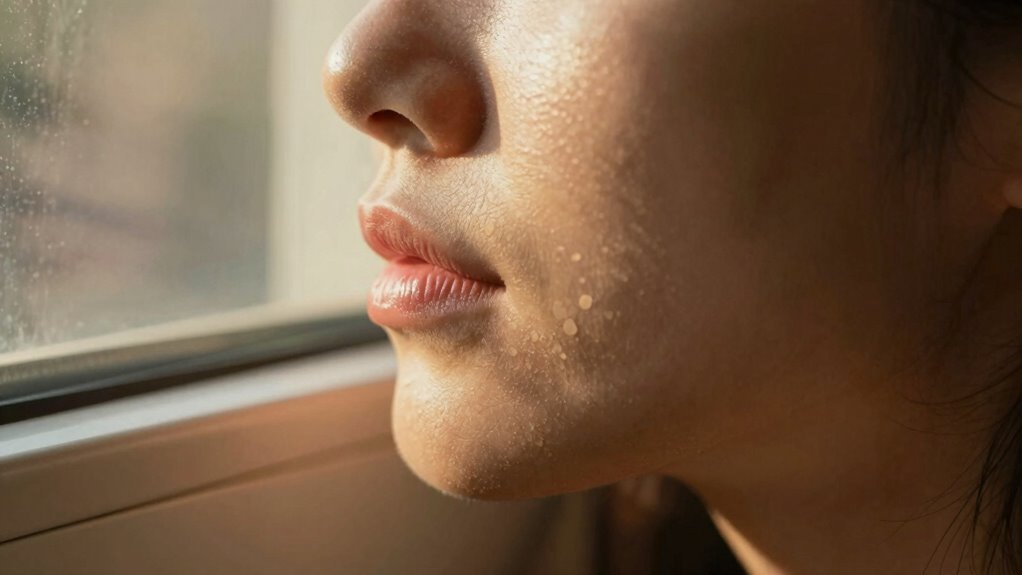
While the damage from prolonged light exposure accumulates over time, it’s important to understand that even brief moments in bright light can cause harm. Short exposures matter because light intensity can quickly impact your skin and eyes, especially if you’re more sensitive. Your skin sensitivity varies, making some individuals more vulnerable even during brief encounters.
Consider these points:
- High light intensity can cause immediate skin and eye stress.
- Short exposure can trigger skin reactions in sensitive individuals.
- Cumulative effects happen faster with intense light.
- Even minutes matter for maintaining long-term skin and eye health, as chronic exposure can lead to more severe conditions over time. Additionally, understanding cookie preferences can help you manage how digital interactions may contribute to your overall stress.
These short exposures add up, risking damage regardless of how brief they seem. Protecting yourself during these moments is key to reducing long-term harm. Additionally, remember that natural filtration systems in pool designs can help create a more relaxing environment, which may mitigate stress on your skin during sun exposure.
—
Let me know if you need anything else!
As an affiliate, we earn on qualifying purchases.
What Types of Light Can Harm Your Skin and Eyes?
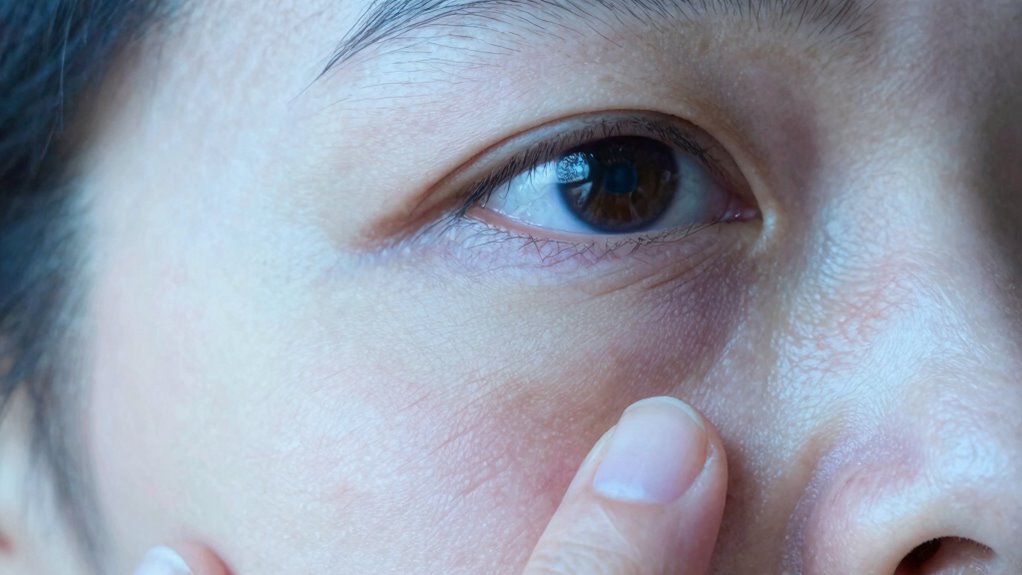
You might not realize it, but certain types of light can harm your skin and eyes. Ultraviolet (UV) rays from the sun are well-known for causing damage, while blue light from screens can also contribute to harm over time. Recognizing these risks helps you take better steps to protect yourself.
Ultraviolet (UV) Rays
Ultraviolet (UV) rays are a type of light that can penetrate the skin and eyes, causing damage over time. Prolonged exposure can lead to skin aging, sunburn, and increased risk of skin cancer. Protecting your skin from UV rays is essential for maintaining skin health. Here are four key points to understand about UV damage:
- UV rays penetrate deep into the skin, damaging DNA cells.
- Sun protection, like sunscreen and clothing, reduces harmful exposure.
- UV exposure increases the risk of cataracts and other eye damage.
- Daily awareness of UV intensity helps prevent cumulative harm over time.
Blue Light Exposure
Beyond UV rays, another type of light that can harm your skin and eyes is blue light. It’s prevalent from screens, LED lights, and even some light therapy devices. Excessive exposure, especially at night, can disrupt your circadian rhythm, affecting sleep quality and overall health. Blue light penetrates deep into your skin and eyes, potentially causing damage over time. While light therapy can be beneficial for mood and sleep disorders, overexposure without proper protection may accelerate aging and eye strain. To reduce risks, limit screen time, use blue light filters, and avoid bright screens before bed. Being mindful of blue light exposure helps protect your skin and eyes from cumulative damage, supporting healthier circadian rhythms and overall well-being. Additionally, certain electric bikes can reach speeds of up to 50 mph, indicating the importance of protecting your eyes from high-speed conditions.
indoor lighting anti-aging skincare
As an affiliate, we earn on qualifying purchases.
As an affiliate, we earn on qualifying purchases.
How Light Damage Affects Your Skin and Eyes

Sure! Here’s your revised article subheading content with the requested modifications:
—
Light damage can quietly harm your skin and eyes over time, often without immediate signs. For your skin, UV rays hinder skin regeneration, leading to premature aging and wrinkles. Your eyes become more sensitive, increasing discomfort and the risk of long-term damage. Additionally, embracing inclusive casting in beauty campaigns can highlight the importance of diverse skin types and tones that are often affected by light exposure. Effective traceability in software can ensure that protective measures are consistently applied and monitored. Furthermore, understanding the role of antioxidants can enhance your skincare routine by combating oxidative stress caused by light exposure. Implementing accessibility features in your environment can also help ensure you’re protected from harmful light exposure.
Light damage gradually harms skin and eyes, causing aging, sensitivity, and long-term health risks over time.
Here are four ways light damage impacts you:
- Accelerates skin aging and loss of elasticity
- Causes dark spots and uneven skin tone
- Increases eye sensitivity, leading to discomfort
- Raises risk of cataracts and retinal damage
Your skin’s ability to regenerate slows down with continuous exposure, making damage cumulative. Similarly, your eyes become more vulnerable, and symptoms like dryness or irritation can worsen. Protecting yourself from prolonged light exposure helps preserve your skin and eye health over time. Additionally, using gap-sealing products can help reduce light exposure indoors, further safeguarding your skin and eyes.
—
Let me know if you need any further adjustments!
Easy Ways to Protect Yourself From Light Damage Every Day

You can protect yourself from light damage by wearing protective eyewear whenever you’re outside, especially during peak sunlight hours. Limiting your sun exposure each day also reduces your risk of skin and eye harm. Simple steps like these make a big difference in keeping your eyes and skin safe. Additionally, cumulative exposure to sunlight can significantly increase your risk of damage over time. Incorporating color theory in your outdoor spaces, such as light-colored pool tiles, can also reflect sunlight and reduce glare. Regularly upgrading your automotive performance parts can help enhance your vehicle’s efficiency, just as consistently applying sunscreen can improve your skin’s defense against harmful rays. Investing in ergonomic tech gear can help create a more comfortable environment for outdoor activities, further encouraging you to protect yourself from the sun. Moreover, utilizing innovative digital tools in your daily routine can assist in tracking your sun exposure and remind you to take breaks from direct sunlight.
Wear Protective Eyewear
Have you ever considered how simple it is to shield your eyes from harmful light? Wearing protective eyewear can notably reduce your risk of light damage. By choosing the right gear, you create a barrier against intense or prolonged exposure. Here are four easy ways to protect yourself:
- Wear sunglasses with UV protection outdoors.
- Use blue light blocking glasses when working on screens.
- Keep clear protective goggles during activities with bright lights.
- Support awareness campaigns that promote eye safety.
Investing in protective gear is a proactive step to safeguard your vision daily. Staying informed through awareness campaigns helps you make smarter choices. Protecting your eyes doesn’t have to be complicated—simple habits like these keep your vision healthier longer. Additionally, just as Gold IRAs offer diverse investment options, prioritizing eye safety can lead to long-term benefits for your vision health.
Limit Sun Exposure
—
Since the sun’s rays are strongest during midday, limiting your exposure during these hours can considerably reduce the risk of eye damage. Avoid spending prolonged periods outdoors during peak sunlight, especially between 10 a.m. and 4 p.m. When indoors, be mindful of indoor lighting, which can still contribute to light damage over time. Seasonal variations also play a role; during winter or cloudy days, UV exposure might seem minimal but can still harm your eyes. Incorporating activities that promote creative play can also provide a distraction from harmful UV exposure. Wearing sunglasses with UV protection, seeking shade, and planning outdoor activities outside peak hours help protect your vision daily. Consistently managing your sun exposure is essential, even on overcast days or when indoor lighting appears harmless, to prevent cumulative light damage. Additionally, investing in luxury lifestyle products designed for sun protection can further enhance your overall defense against light damage. Engaging in outdoor experiences can also foster a stronger nature connection that promotes emotional well-being while protecting your eyes. Regularly using floor scrubbers for cleaning surfaces can help reduce harmful reflections that may contribute to eye strain in brightly lit environments. Consider using products with sustainable ingredients to further enhance your protection against harmful rays.
—
When Should You See a Professional for Light Damage?

Wondering when light damage warrants a professional inspection? If you notice persistent discomfort, vision changes, or eye pain, it’s time to see an eye specialist. Even if your symptoms seem mild, neglecting eye protection and sun safety can worsen damage over time. Here are four signs to watch for:
Seek professional eye care if you experience persistent discomfort or vision changes, even if symptoms seem mild.
- Sudden increase in sensitivity to light
- Blurred or distorted vision
- Visible changes like spots or halos around lights
- Ongoing eye discomfort or redness
If any of these occur, consult a professional promptly. Early detection can prevent long-term damage. Remember, protecting your eyes from UV rays through proper eye protection and sun safety measures is essential. Don’t wait until symptoms worsen—seek expert advice when in doubt.
Frequently Asked Questions
Can Light Damage Be Reversed or Repaired Over Time?
Light damage can sometimes be reversed or improved over time. Your skin’s natural repair processes help reduce photoaging effects, like fine lines and dark spots, if you protect it and avoid further exposure. Treatments such as moisturizers, retinoids, and professional procedures can boost skin healing. However, severe damage might be permanent, so early intervention is key. Consistent sun protection helps prevent more damage and supports your skin’s recovery.
Are Certain Times of Day Riskier for Light Exposure?
Yes, certain times of day are riskier for light exposure. During peak hours, usually midday when the sun’s rays are strongest, your skin and eyes are more vulnerable to damage. Timing patterns matter, so you should avoid prolonged exposure during these peak hours. Instead, try to stay indoors or seek shade, especially between 10 a.m. and 4 p.m., to minimize the risk of harmful light damage.
How Does Artificial Light Compare to Natural Sunlight Regarding Damage?
Artificial light often acts like a sneaky fog, subtly adding to your light sensitivity and risking damage over time. Unlike natural sunlight, which offers some UV protection through atmospheric filtering, artificial sources can emit harmful rays directly into your eyes and skin. You need to be vigilant with UV protection, especially indoors, because prolonged exposure to artificial light can accumulate damage, even if it seems harmless at first.
Do Certain Skin or Eye Types Tolerate Light Exposure Better?
Yes, certain skin sensitivity and eye resilience influence how well you tolerate light exposure. People with less skin sensitivity usually handle UV and artificial light better, while those with heightened sensitivity risk quicker damage. Similarly, individuals with stronger eye resilience can endure more exposure without harm. Knowing your skin and eye types helps you take appropriate precautions, like wearing protective gear or limiting exposure, to minimize potential damage.
What Are the Long-Term Health Effects of Cumulative Light Damage?
Imagine developing wrinkles or age spots after years of sun exposure—long-term light damage can cause premature aging and increase skin cancer risks. Cumulative light damage may lead to chronic eye issues, like cataracts. To reduce these effects, adopt photoprotection strategies such as wearing protective clothing and sunglasses. Consistent light damage prevention is essential to safeguarding your skin and eyes, minimizing long-term health risks and maintaining overall wellness.
Conclusion
Remember, even a quick 5-minute light exposure is like adding drops to a jar—over time, they can fill it with damage. Protecting your skin and eyes isn’t just about avoiding harsh sunlight; it’s about consistently shielding yourself from the cumulative effects. Think of your daily habits as the brushstrokes shaping your health masterpiece. Stay vigilant, wear your protective gear, and see a professional if you notice signs—your future self will thank you for acting now.
Fall Picks
fall essentials
As an affiliate, we earn on qualifying purchases.