Humidity can quietly damage your art over time by causing warping, cracking, mold growth, and material weakening. Fluctuations make these issues worse, so it’s crucial to maintain steady humidity levels—around 40-50% for most artworks. Use tools like hygrometers, humidifiers, or dehumidifiers to keep conditions stable. Proper storage and display also help. If you want to protect your collection effectively, staying informed about advanced climate control options can make all the difference.

Get art and craft supplies delivered free with Prime
- Fast, free delivery on millions of items
- Prime Video, Amazon Music and more included
- Member-only deals all year
Key Takeaways
- Fluctuating humidity causes materials to expand, contract, warp, and crack, accelerating artwork deterioration.
- Regularly monitor humidity levels with smart sensors to detect harmful fluctuations early.
- Maintain stable humidity between 40-50% using humidifiers or dehumidifiers tailored to each artwork’s material.
- Seal drafts and improve ventilation to prevent external moisture intrusion and mold growth.
- Use proper storage, framing, and environmental controls to ensure long-term preservation and prevent moisture damage.
digital hygrometer for art preservation
As an affiliate, we earn on qualifying purchases.
As an affiliate, we earn on qualifying purchases.
How Humidity Damage Affects Your Artwork Over Time
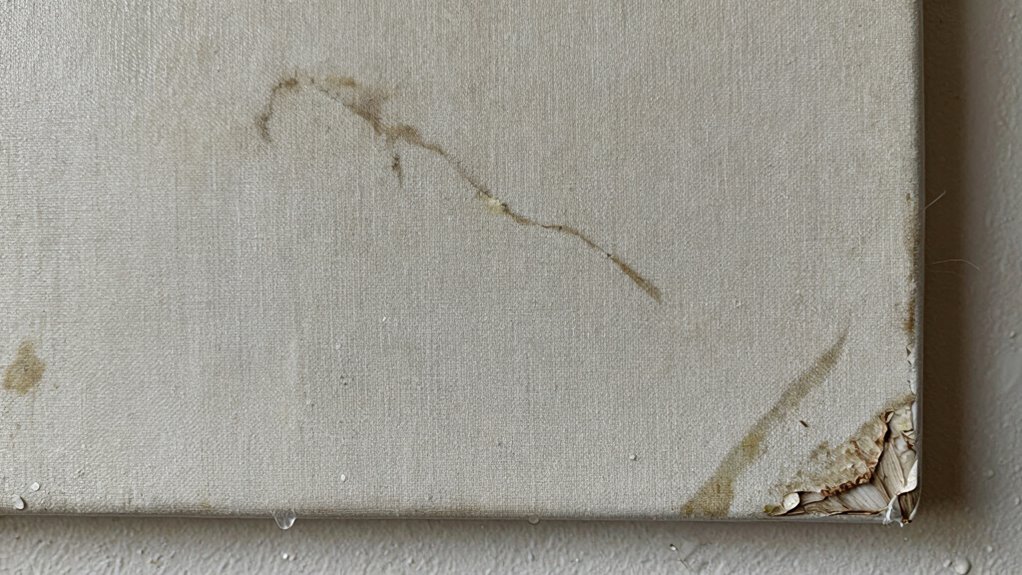
Have you ever wondered why your artwork might suddenly warp or crack over time? This is often due to moisture impact, which directly influences artistic preservation. When humidity levels fluctuate, the materials in your art—canvas, paper, or paint—expand and contract. Over time, these movements weaken the structure, causing warping, cracking, or peeling. Excess moisture can also foster mold growth, further deteriorating your pieces. Conversely, low humidity can make materials brittle and prone to cracking. Constant moisture changes accelerate these effects, making it harder to maintain your artwork’s integrity. Understanding how humidity impacts your art helps you take proactive steps to protect and preserve your collection. Controlling environmental factors is key to ensuring your pieces stay beautiful and intact for years to come. Additionally, proper gear can help mitigate the effects of humidity on your artwork, while maintaining indoor air quality is essential for overall preservation. Remember, digital concepts in the art world are evolving, offering new ways to monitor and manage environmental conditions for optimal preservation. In the same way that color accuracy enhances visual experiences in home cinema, it is crucial for art to maintain its true colors and vibrancy amidst changing humidity levels. The use of multi-mower setups in smart yard care can help create a stable environment by preventing excessive moisture buildup in the surrounding area.
artwork humidifier for paintings
As an affiliate, we earn on qualifying purchases.
As an affiliate, we earn on qualifying purchases.
How to Recognize Signs of Excess Moisture in Your Art Collection
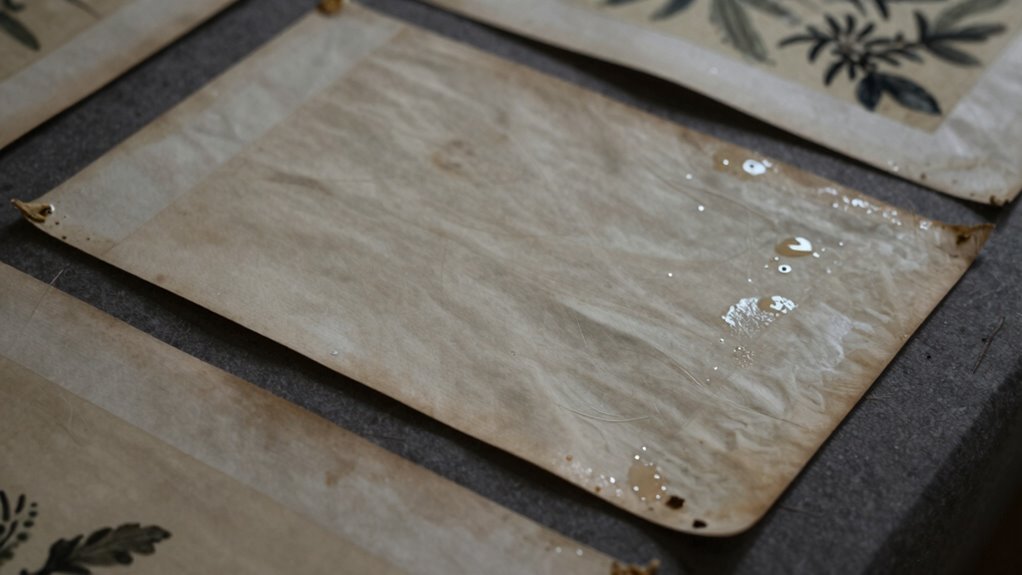
Excess moisture in your art collection often shows subtle yet unmistakable signs that require your attention. Mold growth is a common indicator, appearing as fuzzy, discolored patches on surfaces or the back of frames. You might notice a musty odor, which signals mold and high humidity levels. Pest infestations, such as beetles or silverfish, thrive in damp environments, leaving small holes, shed skins, or frass near your artwork. Warping or buckling of paper and canvas also signals excess moisture, as materials absorb water and lose their shape. Regularly inspecting your collection for these signs helps you catch problems early. Staying alert to mold, pests, and distorted materials can prevent extensive damage, ensuring your art remains preserved and protected. Additionally, understanding the importance of environmental control in art preservation can significantly enhance the longevity of your collection. Maintaining a stable humidity level can be crucial in preventing these issues from arising. Furthermore, controlling humidity levels is essential for safeguarding the integrity of your artwork against the damaging effects of moisture. Implementing effective travel planning can also ensure that your art is protected during relocations or exhibitions. For instance, keeping your collection in a climate-controlled environment can provide the necessary protection against harmful humidity fluctuations.
As an affiliate, we earn on qualifying purchases.
What’s the Ideal Humidity Level for Preserving Different Types of Art?

You need to keep your art at the right humidity levels to prevent damage. Paintings generally do best between 40-50% humidity, while sculptures often require slightly different conditions to stay intact. Knowing these specifics helps you protect your collection effectively. Additionally, maintaining ideal humidity levels can also enhance the longevity of various household products and art materials. Incorporating eco-friendly practices in your environment can further support art preservation while promoting sustainability. Understanding the importance of water purification systems can also contribute to a healthier environment for your art collection. To ensure optimal preservation, consider investing in humidity control devices that can help maintain stable conditions. Using HEPA filters in your air filtration system can also improve air quality, which is crucial for the longevity of your artwork.
Optimal Humidity for Paintings
Maintaining the right humidity levels is essential for preserving different types of art, as each material responds differently to moisture. For paintings, aim for a humidity level between 40% and 50%. Too much fluctuation causes the paint and canvas to expand and contract, leading to cracking or warping. Consistent humidity helps prevent mold growth, which can silently damage artwork over time. Sudden humidity spikes or drops accelerate deterioration, so avoiding these fluctuations is vital. Use a hygrometer to monitor levels regularly, and consider a humidifier or dehumidifier to stabilize the environment. Proper control of humidity not only preserves the integrity of your paintings but also minimizes long-term repair costs, ensuring your art remains vibrant and intact for years to come. Additionally, incorporating deep breathing techniques can help reduce stress related to art preservation, allowing for a more mindful approach to maintaining your collection.
Humidity Needs for Sculptures
Different types of sculptures require specific humidity levels to stay in ideal condition. Material compatibility plays a vital role in determining the right humidity, as porous materials like wood or terracotta need slightly higher levels, around 45-55%. Non-porous materials such as bronze or marble are more stable but still benefit from consistent conditions. Environmental fluctuations can cause expansion and contraction, leading to cracks, warping, or deterioration. Maintaining steady humidity minimizes these risks and preserves sculpture integrity. Avoid rapid changes by using humidifiers or dehumidifiers as needed, and monitor levels regularly with a hygrometer. Ultimately, understanding each sculpture’s material and controlling environmental fluctuations guarantees your art remains stable, preventing damage caused by inappropriate humidity levels.
As an affiliate, we earn on qualifying purchases.
Easy Ways to Control Humidity and Protect Your Art Space

Controlling humidity levels in your art space is essential for preserving your work and preventing damage. Sudden humidity fluctuations can cause materials to expand, contract, or crack, while consistent moisture encourages mold growth. To keep humidity stable, use a dehumidifier or humidifier based on your environment’s needs. Seal drafts and cracks around windows and doors to prevent outside humidity from seeping in. Ventilate regularly to circulate air and reduce moisture buildup. Keep your space clean and dry, especially in corners and storage areas. Installing a hygrometer helps you monitor conditions easily. These simple steps create a stable environment, reducing the risk of mold and damage, and ensuring your art remains in excellent condition for years to come.
How Tech Can Help You Monitor and Maintain Perfect Conditions
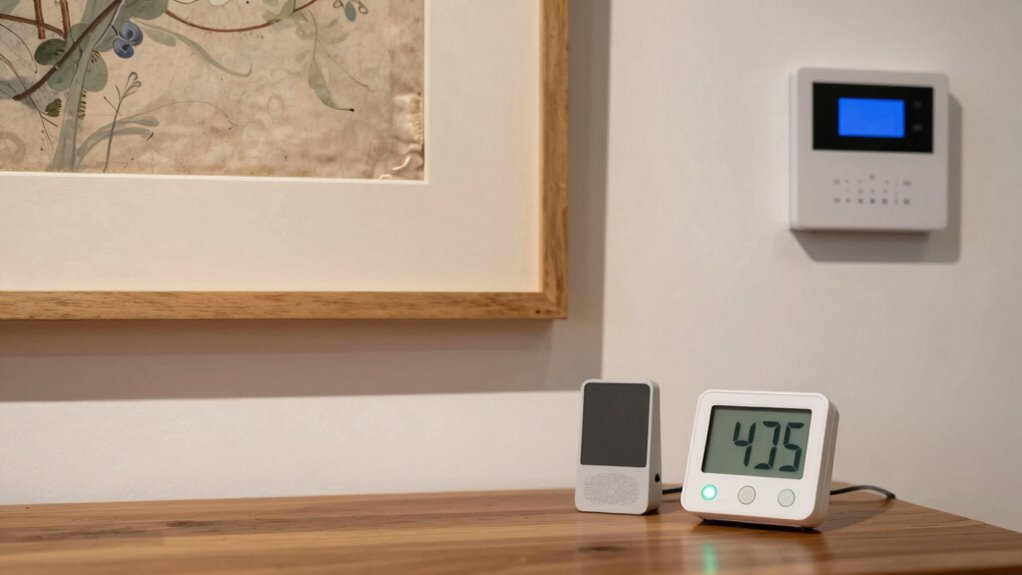
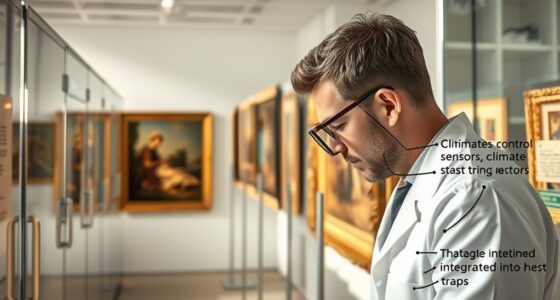
Modern technology makes it easier to keep your art safe by using smart humidity sensors that provide real-time data. Automated climate control systems adjust conditions instantly, so you don’t have to constantly monitor everything yourself. Data tracking systems help you identify patterns and maintain ideal conditions over the long term. Additionally, fostering growth mindsets can enhance your communication about these technologies to ensure your audience understands their value. The integration of molecular-scale circuits in these systems allows for more precise control and monitoring of environmental conditions. Furthermore, the incorporation of digital transaction security features in these technologies ensures that your art’s value is protected from potential threats. Recent advancements in AI-driven analytics are also enabling collectors to make more informed decisions about their art investments.
Smart Humidity Sensors
Smart Humidity Sensors (How Tech Can Help You Monitor and Maintain Perfect Conditions)
Smart humidity sensors have revolutionized how you protect your artwork by providing real-time, accurate data on environmental conditions. With these devices, you can detect humidity fluctuations instantly, allowing you to respond before damage occurs. They help you maintain a stable environment, reducing the risk of mold growth and other moisture-related issues. These sensors often connect wirelessly to your phone or monitoring system, giving you continuous updates and alerts. By staying informed, you can take immediate action to adjust humidity levels and prevent long-term deterioration. Additionally, using portable oil radiators can help maintain a consistent temperature, further supporting your efforts in moisture control. Understanding crypto market trends can provide valuable insights into how external factors may influence your collection’s value over time. Furthermore, leveraging your mental potential through creative problem-solving can enhance your approach to preserving your art collection. Smart humidity sensors make preservation easier and more dependable, giving you peace of mind that your artwork remains in ideal conditions. They’re an essential tool for anyone serious about safeguarding their collection from unseen moisture threats. Using these sensors can also promote sustainable gifting practices by ensuring that artworks remain in pristine condition for years to come.
Automated Climate Control
Have you ever wished for a way to effortlessly keep your artwork in perfect condition without constantly adjusting settings? Automated climate control makes that possible. It uses smart systems to maintain stable humidity levels, reducing fluctuations that can damage your art. This technology automatically adjusts heating, cooling, and humidification to keep conditions consistent. By doing so, it helps prevent mold and other issues caused by humidity fluctuations. With automated systems, you don’t need to monitor your environment constantly — they do it for you. You can set your ideal climate, and the system guarantees it stays that way. This minimizes risks, saves time, and provides peace of mind, knowing your art is protected around the clock.
- Seamless adjustments for consistent environment
- Reduced risk of mold and deterioration
- Less manual intervention needed
Data Tracking Systems
Using data tracking systems allows you to keep a close eye on your art’s environment in real-time, helping you respond quickly to any changes. With sensors properly calibrated, you guarantee accurate readings of humidity and temperature fluctuations. Regular sensor calibration is essential for maintaining precision, preventing false alarms or overlooked issues. Data analysis tools interpret the collected information, revealing patterns and trends that help you make informed decisions about your climate control efforts. By monitoring conditions continuously, you can identify subtle shifts before they cause damage. This proactive approach minimizes risks and keeps your artwork safe. Integrating reliable data tracking systems empowers you to sustain ideal humidity levels, preserving your art’s integrity for years to come.
Tips for Long-Term Storage and Display to Prevent Humidity Damage
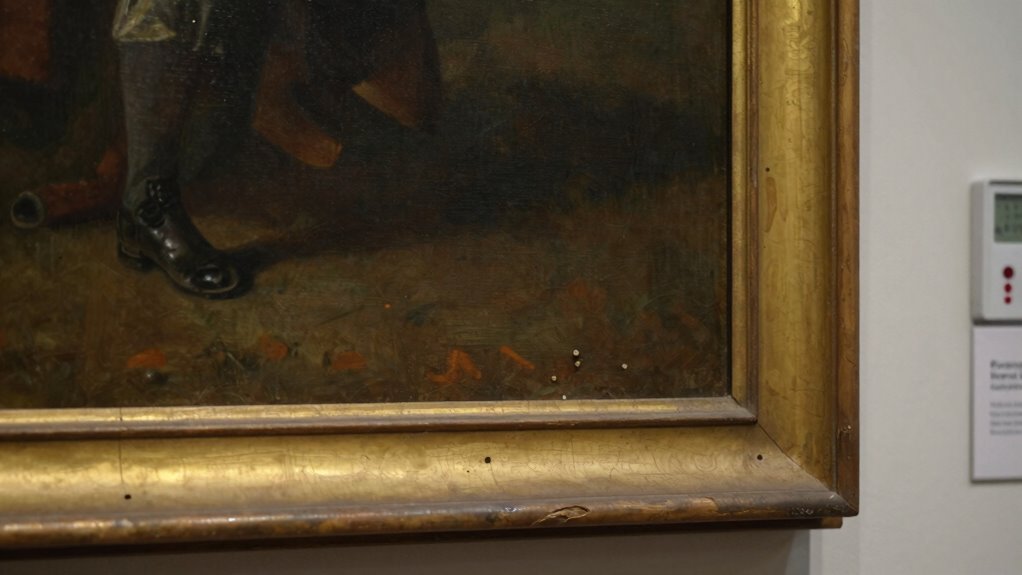
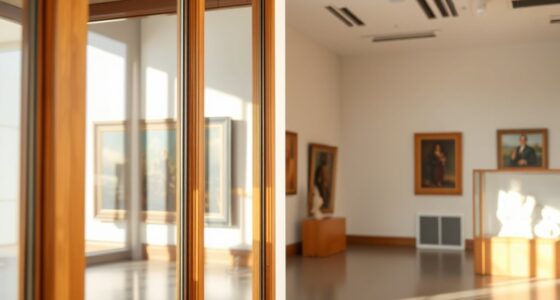
To protect your artwork from humidity damage over the long term, proper storage and display practices are vital. Avoid common humidity myths that suggest certain environments are safe; instead, aim for consistent, controlled conditions. When storing or displaying art, keep humidity levels between 40-50%, and use dehumidifiers or climate-controlled cases if necessary. Regularly inspect and maintain your environment to prevent fluctuations that can accelerate deterioration. Properly framed art with archival materials helps prevent moisture exposure. Remember, even subtle humidity changes can cause irreversible damage, so investing in accurate climate control is essential for art restoration and preservation.
- Use airtight display cases with controlled humidity settings
- Keep artwork away from windows and sources of moisture
- Regularly monitor humidity levels with reliable hygrometers
Frequently Asked Questions
Can Humidity Fluctuations Cause Irreversible Damage to Artwork?
Yes, humidity fluctuations can cause irreversible damage to your artwork. The effects include warping, cracking, and mold growth, which threaten art preservation. When humidity rises or drops suddenly, materials expand or contract, leading to deterioration over time. To protect your art, maintain a stable environment with controlled humidity levels. Consistent humidity helps preserve colors, textures, and structural integrity, ensuring your artwork stays in pristine condition for years to come.
How Do Seasonal Changes Impact Humidity Levels in Art Storage Areas?
Seasonal changes act like a roller coaster, swinging humidity levels in your storage space. You need humidity sensors to monitor these fluctuations closely. When levels rise or fall unexpectedly, a well-maintained dehumidifier becomes your trusty lifeboat, controlling excess moisture or dryness. Regular dehumidifier maintenance guarantees it works efficiently, preventing damage to your artwork. Staying vigilant during seasonal shifts keeps your art safe and preserves its beauty for years to come.
Are Certain Art Materials More Vulnerable to Humidity Damage?
Yes, some art materials are more vulnerable to humidity damage. For example, paper and textiles are highly sensitive to temperature changes, which can cause warping or cracking. They’re also prone to mold growth in humid environments. Paintings with oil and acrylics are affected differently but can still suffer from mold or deterioration if humidity fluctuates. You need to monitor both temperature sensitivity and humidity levels to protect these delicate materials effectively.
How Often Should I Check Humidity Levels in My Art Space?
Think of your art space as a delicate garden. You should check humidity levels daily, like tending to your plants. Use reliable humidity sensors to monitor the environment continually, ensuring your artwork stays safe. Regular checks help you catch fluctuations early, preventing damage. By maintaining consistent humidity, you safeguard your art’s future, much like nurturing a thriving, resilient garden that blossoms beautifully over time.
What Are the Best Materials for Humidity-Resistant Art Storage?
You should opt for storage containers made of acid-free, airtight materials like glass or high-quality plastic for humidity-resistant art storage. These containers help with temperature regulation and prevent moisture from damaging your artwork. Avoid porous materials like cardboard. Use climate-controlled environments, and consider adding silica gel packs to help maintain stable humidity levels inside the storage. Proper storage guarantees your art stays safe and preserved over time.
Conclusion
Don’t underestimate how sneaky humidity can be—it’s like a silent thief gradually ruining your art. By understanding the signs, maintaining ideal levels, and leveraging technology, you can outsmart moisture’s damage. Curiously, some experts believe that consistent climate control not only preserves your artwork but can even enhance its longevity over time. So, stay vigilant, use the right tools, and give your collection the protection it deserves—your future self will thank you.
Halloween Picks
halloween
As an affiliate, we earn on qualifying purchases.