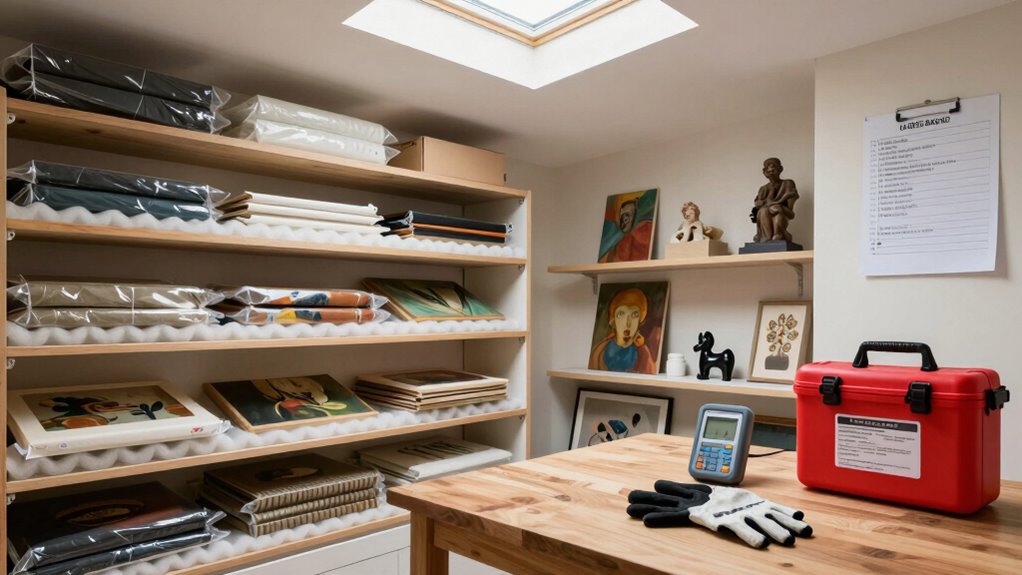

In a disaster, act fast by evaluating your collection’s risks, like flooding or fire hazards, and make sure your insurance covers these threats. Quickly secure high-value or fragile works with proper packing and move them using pre-planned routes. Assemble emergency supplies such as waterproof containers, documentation, and contact lists. Practice your response plan regularly to stay prepared. Keep these steps top-of-mind—continuing will help you master the most essential actions to protect your collection effectively.
Listen free for 30 days with Audible
Thousands of audiobooks and originals — cancel anytime.
As an affiliate, we earn on qualifying purchases.
Key Takeaways
- Quickly review and update emergency contact lists, insurance documents, and digital records of artworks.
- Ensure all necessary supplies and protective materials are accessible and ready for immediate use.
- Confirm clear, accessible evacuation routes and transportation plans for artworks.
- Conduct a rapid environmental check of storage conditions for hazards like humidity or fire risks.
- Assign roles and review emergency procedures with staff for efficient, coordinated response.
waterproof art storage containers
As an affiliate, we earn on qualifying purchases.
As an affiliate, we earn on qualifying purchases.
Quickly Assess Risks to Your Art Collection
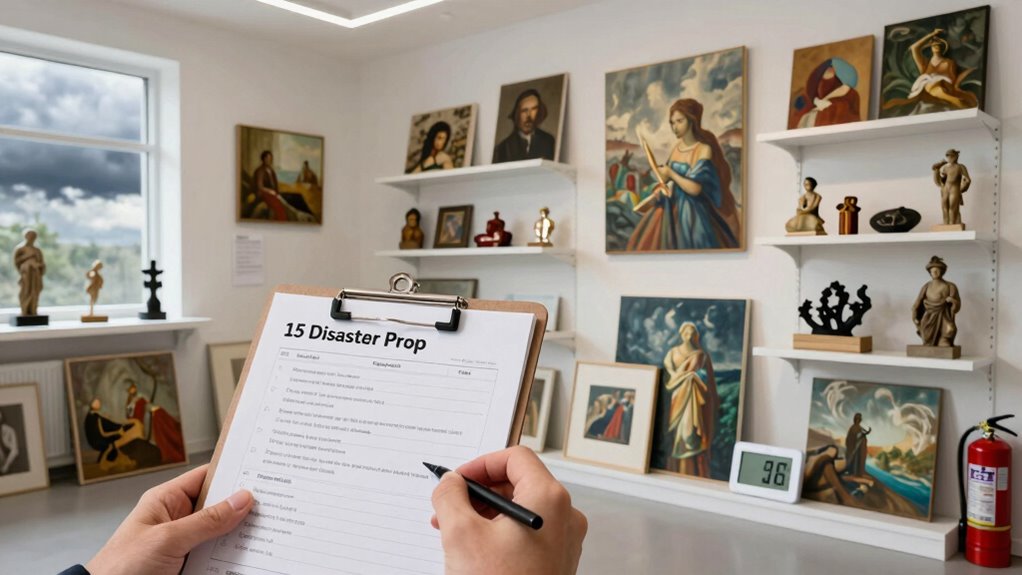
Understanding the specific risks your art collection faces is a crucial first step in disaster preparedness. You need to evaluate areas prone to flooding, fire, humidity, or temperature fluctuations. Check your insurance coverage to guarantee it protects against these threats; gaps could leave you financially vulnerable. Implement environmental monitoring systems to track humidity, temperature, and pollutants. These sensors help you identify potential hazards early, allowing for prompt action. Regularly inspect your collection’s storage environment and document vulnerabilities. Knowing your risks enables you to develop targeted mitigation strategies, prioritize emergency supplies, and plan for quick, effective responses. Taking these steps helps safeguard your art, minimizes damage, and ensures you’re prepared for unexpected disasters. Additionally, consider incorporating bike generators as a sustainable energy source for emergency lighting and charging devices during power outages. Incorporating sound quality measures in your storage environment can further protect your artwork from damage caused by environmental factors. Furthermore, utilizing adaptable structures can enhance the functionality of your storage space, allowing for more effective disaster preparedness. Additionally, creating comfortable seating areas can enhance the overall experience during community events focused on art preservation. Cultural festivals, such as those in Washington D.C., can also serve as opportunities to engage with community resources that support art preservation.
artwork environmental monitoring sensors
As an affiliate, we earn on qualifying purchases.
As an affiliate, we earn on qualifying purchases.
Develop a Rapid Disaster Response Plan for Art
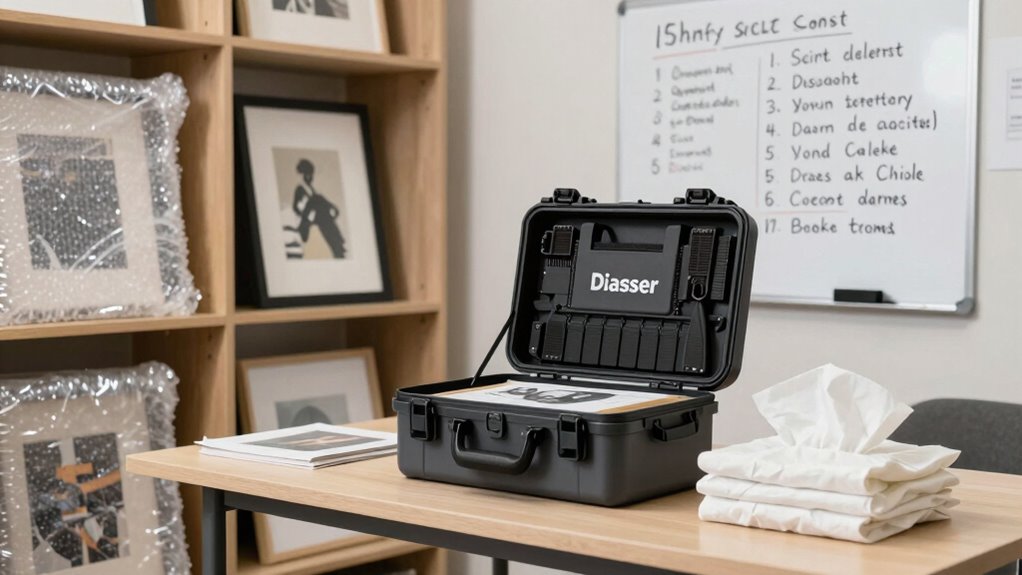
Having a clear, actionable disaster response plan is essential to protect your art collection when emergencies strike. Start by mapping out specific procedures for moving art stored in various types of art storage, whether in climate-controlled rooms or display cases. Assign roles to team members, ensuring everyone knows their responsibilities during a crisis. Establish an emergency communication system, like a phone tree or messaging app, so you can quickly alert staff and coordinate efforts. Include step-by-step instructions for safeguarding high-value pieces and securing fragile works. Regularly review and update the plan to account for changes in your collection or storage setup. A well-prepared disaster response plan minimizes damage and speeds recovery, keeping your art safe when it matters most. Additionally, consider color accuracy to ensure that any restoration or recovery efforts maintain the integrity of your artwork. Integrating ethical consumerism into your disaster response plan can enhance the sustainability and responsibility of your recovery efforts. Remember, everyday preparedness can significantly reduce panic and streamline your response during an emergency. Creating a comprehensive strategy for different types of disasters will further bolster your readiness and resilience. Moreover, understanding knife safety can help prevent accidental damage when handling tools during recovery efforts.
As an affiliate, we earn on qualifying purchases.
Gather Emergency Supplies to Protect Your Art
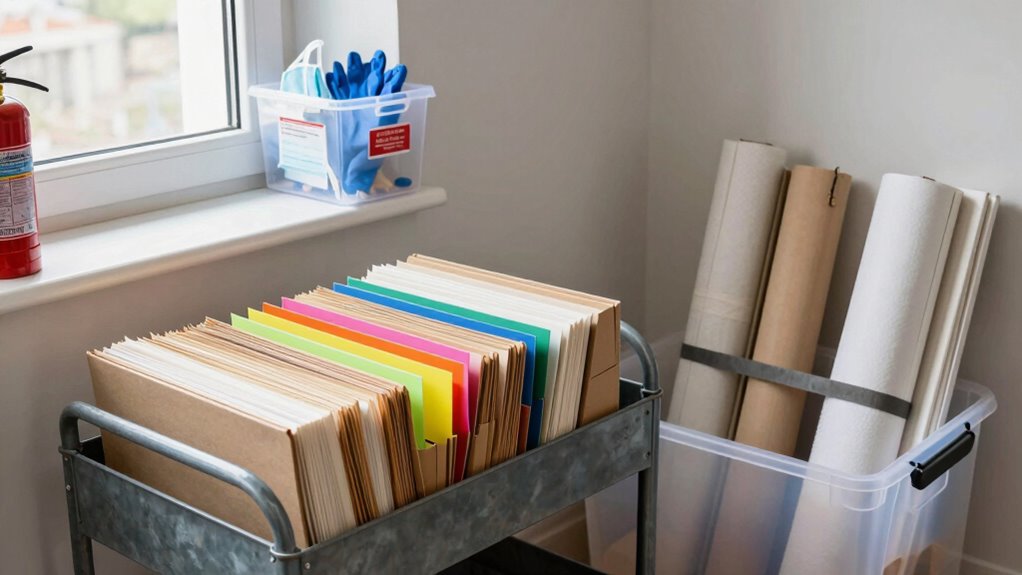
Preparing a well-stocked set of emergency supplies is essential for protecting your art during a disaster. Start by making sure your insurance coverage is up to date and clearly documents the value of your collection. Include copies of insurance policies and photos of each piece to facilitate claims. Keep a list of emergency contacts, such as local authorities, restoration specialists, and your insurance agent. Pack essential supplies like waterproof containers, cushioning materials, and cleaning tools to stabilize and protect your artworks immediately. Regular maintenance of your scanning equipment can also ensure that any digital records of your art are preserved in high quality. Additionally, consider how regional flavors can influence the choice of materials for packaging and preservation. Historical events such as the Berlin Wall’s fall can serve as a reminder of the importance of resilience in protecting cultural heritage. Remember that understanding gentle methods can also guide you in caring for sensitive artworks during emergencies. Store these supplies in an accessible, designated location so you can grab them quickly. Regularly review and update your supplies and contact information to guarantee everything is ready when disaster strikes. Being prepared minimizes damage and helps secure your art’s future. Additionally, understanding Victorian etiquette can enhance your interactions with restoration professionals during emergencies.
art collection disaster response kit
As an affiliate, we earn on qualifying purchases.
As an affiliate, we earn on qualifying purchases.
Secure and Move Art Quickly in an Emergency
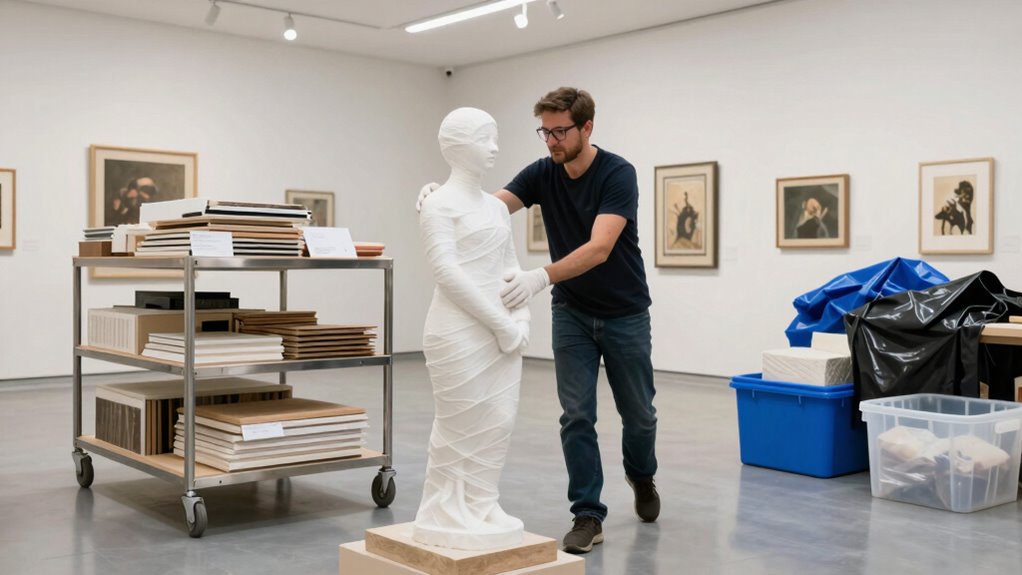
When disaster strikes, acting quickly to secure and move your art can make all the difference in preventing damage. Start by carefully packing artwork for safe transportation, using sturdy materials and padding to avoid scratches or breaks. Planning your artwork transportation route in advance, ensuring the safest and fastest path to a secure location, is also crucial for maintaining wealth protection strategies. Additionally, be aware that necessary cookies can enhance your online experience when researching best practices for art preservation. Keep emergency documentation nearby—this includes inventory lists, photographs, and condition reports—to streamline recovery and insurance claims. Additionally, consider using essential oils for relaxation during the packing process to help maintain a calm environment. Clearly label each piece for easy identification during movement. Prioritize fragile or high-value items, and handle them with care. Remember, swift action minimizes exposure to harm, so stay calm and organized. Efficiently securing and moving your art helps preserve its integrity during a crisis. Additionally, understanding door swings and clearances can help create safe pathways for moving large pieces of art.
Test and Update Your Disaster Prep Regularly
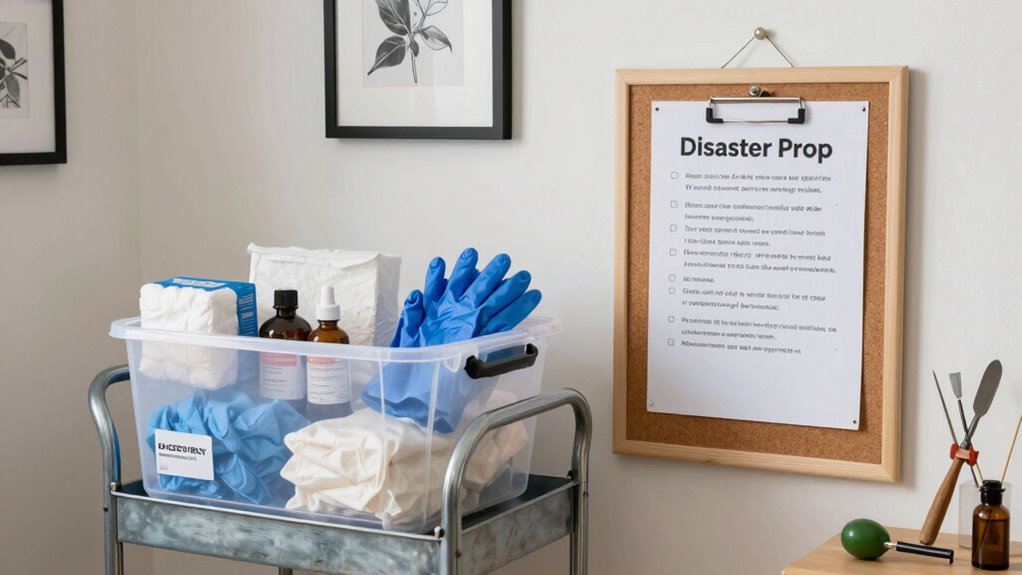
Once you’ve established a plan for securing and moving your artwork during an emergency, it’s important to regularly test and update that plan to assure it remains effective. Regular testing** uncovers gaps and guarantees everyone stays prepared. Focus on these key actions:
- Conduct mock disaster drills with staff, emphasizing proper procedures and response times.
- Review and update your insurance policies to reflect current collection values and coverage.
- Refresh staff training to keep everyone familiar with new protocols and equipment.
- Evaluate your emergency supplies and storage conditions, ensuring accessibility and functionality.
Additionally, incorporating media literacy skills into your training can enhance your team’s ability to assess potential risks more effectively.
Frequently Asked Questions
How Often Should I Review My Disaster Preparedness Plan?
You should review your disaster preparedness plan at least once a year. During this review, update your risk assessment to reflect any new hazards and guarantee your emergency contacts are current. Regular testing helps identify gaps in your plan and keeps everyone prepared. By staying proactive, you protect your collection effectively, reducing potential damage and ensuring swift action when disaster strikes.
What Specific Insurance Coverage Is Recommended for Art Collections?
You should get exhaustive insurance coverage that includes Art valuation to accurately determine your collection’s worth. Make sure your policy covers risks like theft, fire, and water damage. This way, in case of damage, you can file Insurance claims smoothly and recover your investment. Regularly update your appraisals to reflect changes in value, ensuring your coverage remains adequate and your collection stays protected against unexpected disasters.
How Can I Prevent Mold and Water Damage During a Flood?
Like a modern-day Noah, you can prevent mold and water damage during a flood by acting swiftly. Use mold prevention strategies such as controlling humidity and ensuring proper ventilation. Implement water mitigation by elevating artwork off the ground, sealing windows, and turning off utilities if needed. Quickly drying and inspecting your collection afterward will help preserve its integrity, keeping your art safe from water’s destructive reach.
What Are the Best Methods for Safely Handling Fragile Artworks?
To handle fragile artworks safely, use proper handling techniques like supporting pieces from underneath and avoiding touching surfaces unnecessarily. Always wear protective gear such as gloves and masks to prevent damage from oils or dirt. Move artworks slowly and carefully, ensuring you have a clear path. Use both hands for support and keep artworks close to your body to maintain control. These practices help prevent accidental damage during handling.
How Do I Prioritize Which Artworks to Protect First During an Emergency?
You should prioritize artworks based on their vulnerability and significance. Use prioritization strategies like evaluating fragility, value, and visibility, focusing first on pieces that are both highly vulnerable and irreplaceable. Consider storage location—artworks in flood zones or near hazards need immediate attention. By quickly evaluating these factors, you ensure the most vulnerable and valuable artworks receive protection first, minimizing potential damage during an emergency.
Conclusion
Think of your art collection as a delicate garden, needing constant care and quick action when storms threaten. With your 15-minute checklist, you’re like a vigilant gardener, ready to protect and nurture what’s precious. Regularly reviewing your plan is like tending to your plants—essential for resilience. Stay prepared, and your collection will flourish, weathering any storm that comes, reminding you that proactive care keeps beauty alive, no matter the chaos around.
Fall Picks
fall essentials
As an affiliate, we earn on qualifying purchases.