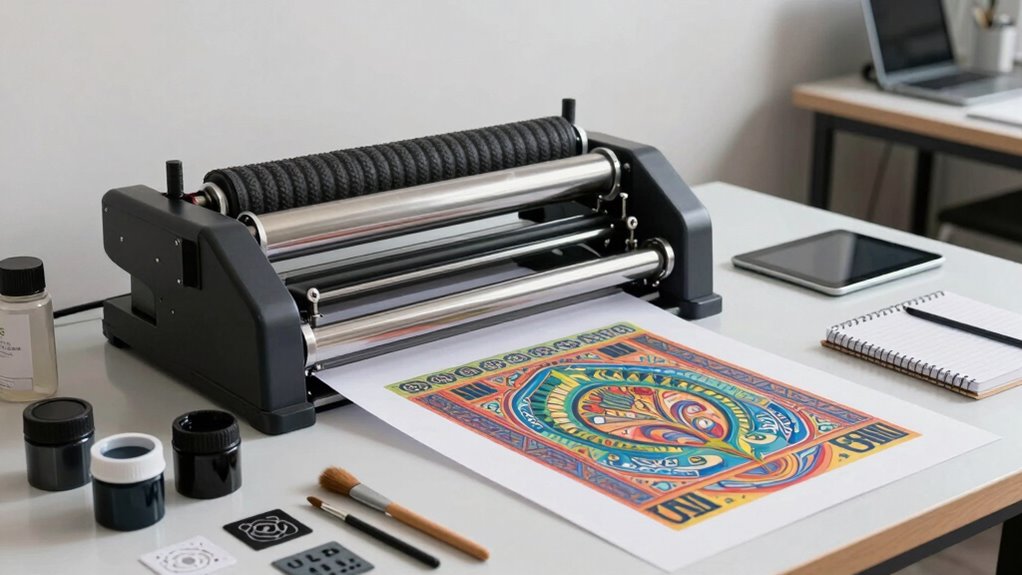

To track your print editions like a pro, you need detailed records of each print, including signatures, paper types, edition numbers, and process notes. Organize your data with clear labels, digital files, and standardized templates for consistency. Use digital tools and regular audits to keep everything accurate and up-to-date. By maintaining thorough, organized records, you’ll protect your work’s value and authenticity—if you want to master every step, there’s much more to explore.

Get art and craft supplies delivered free — and shop member deals
- Fast, free delivery on millions of items
- Access to Prime Big Deal Days deals on October 6–7
- Prime Video, Amazon Music and more included
Key Takeaways
- Maintain detailed records of edition numbers, signatures, and materials to ensure authenticity and provenance.
- Use standardized templates and digital tools for consistent, organized documentation of print details.
- Regularly audit and verify records to prevent discrepancies and uphold edition integrity.
- Segment records by project or edition for clarity and easier tracking over time.
- Incorporate analytics and routine reviews to refine processes and ensure ongoing accuracy.
As an affiliate, we earn on qualifying purchases.
Why Keeping Edition Records Will Boost Your Printmaking Practice
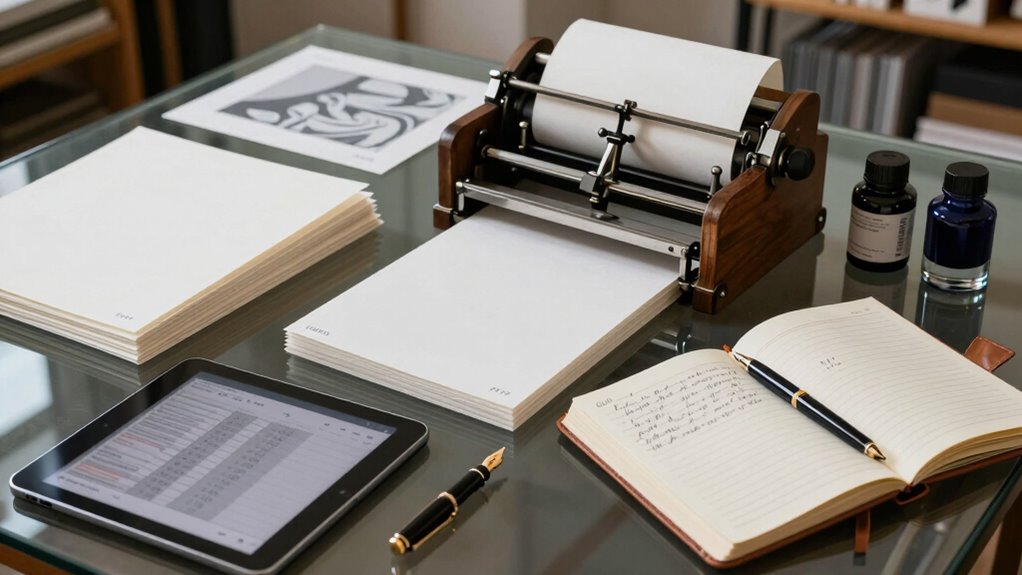
Keeping detailed edition records is essential because it helps you track each print precisely, ensuring consistency and accuracy in your work. With creative numbering, you can assign unique identifiers to each print, making it easier to authenticate editions and prove their originality. Edition authentication becomes straightforward when you document every detail, preventing disputes and increasing the value of your prints. These records enable you to monitor edition size and identify any deviations, maintaining the integrity of your work. By systematically organizing your edition data, you can easily reproduce your process if needed. This practice also builds trust with collectors and galleries, demonstrating professionalism and attention to detail. Ultimately, thorough edition records elevate your printmaking practice, safeguarding your artistry and supporting your reputation. Additionally, incorporating sustainable practices into your studio can further enhance your appeal to environmentally conscious collectors. Moreover, much like a projector’s color accuracy impacts the visual experience, maintaining precise edition records enhances the overall quality and integrity of your prints. Furthermore, digital content creation can offer innovative ways to present your work and engage with your audience. Additionally, keeping detailed records fosters emotional well-being by providing a sense of control and organization in your creative process.
artwork provenance documentation templates
As an affiliate, we earn on qualifying purchases.
As an affiliate, we earn on qualifying purchases.
What Details You Should Record for Each Print Edition
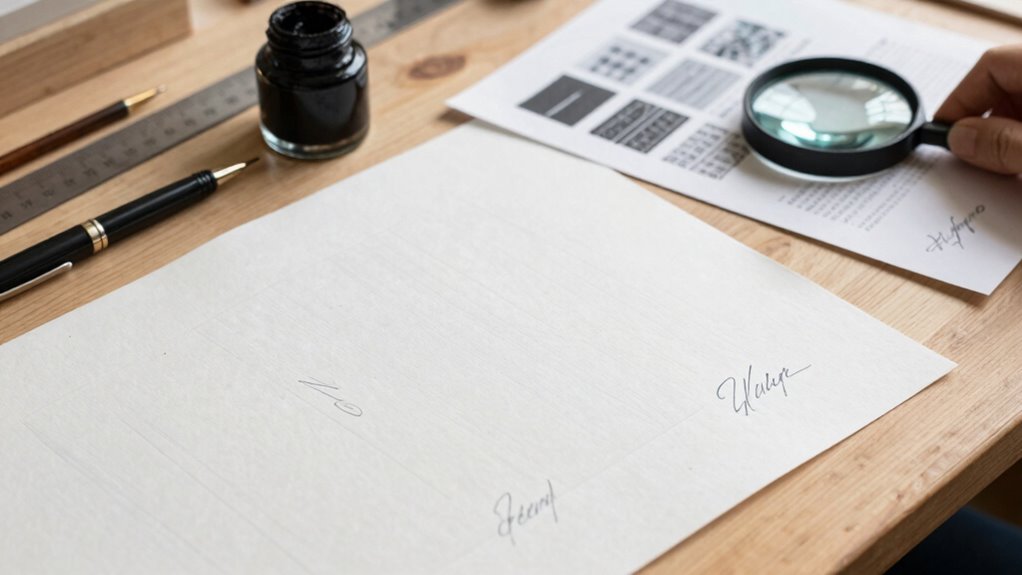
When documenting each print edition, you need to record all essential details that verify its authenticity and uniqueness. Start by noting the signature techniques used, such as hand-embellished details or specific inking methods, to highlight what makes each piece special. Recording home theater fundamentals can enhance the atmosphere for viewing prints, making them feel like a cherished event. Record the paper types, including the weight, texture, and manufacturer, as these influence the print’s appearance and value. Include the edition number and total, like 5/50, to establish its place within the series. Document the date of creation and any relevant process notes, such as plate color or ink variations. These details help confirm provenance and maintain consistency across editions. By keeping thorough records of signature techniques and paper types, you guarantee your print editions are well-documented and easily verifiable. Additionally, understanding real-world applications of your materials can enhance the overall quality and marketability of your prints, especially when considering cybersecurity techniques to protect your intellectual property. Furthermore, ensuring user privacy in your documentation process can build trust with potential buyers and collectors. Incorporating natural wellness practices into your studio routine can also promote a healthier creative environment.
digital print edition tracking software
As an affiliate, we earn on qualifying purchases.
As an affiliate, we earn on qualifying purchases.
How to Organize and Keep Track of Your Print Edition Records
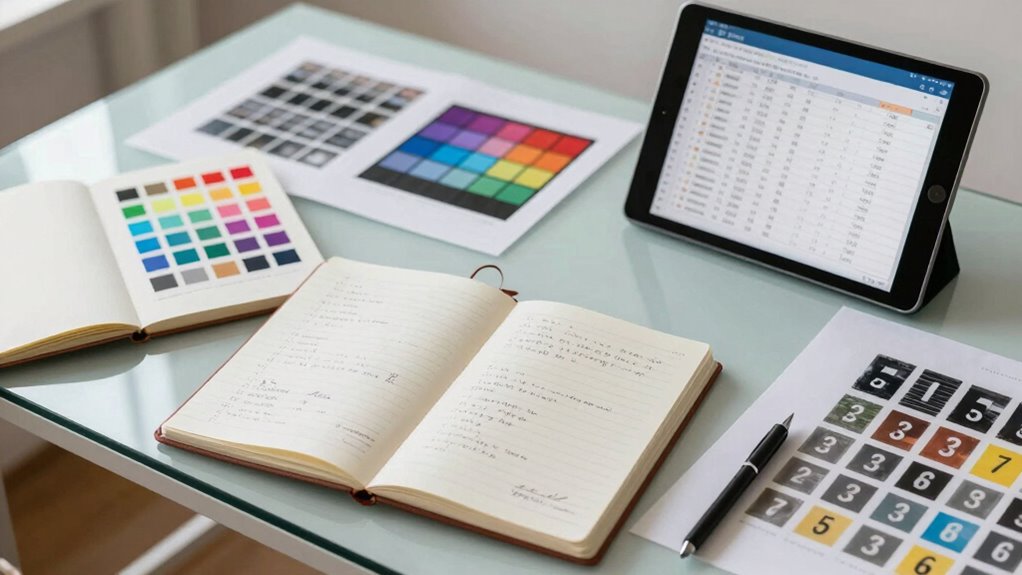
Have you established a system to organize and track your print edition records effectively? A clear system helps you maintain print provenance and verify artist signatures. To stay organized:
Establish a system to organize and verify your print provenance and artist signatures effectively.
- Use labeled folders or digital files for each edition, including details like date, edition size, and print provenance.
- Record artist signatures and any unique markings for authentication.
- Assign a unique identifier or numbering system to each print, such as “AP,” “PP,” or edition numbers.
- Regularly update your records with sales, consignments, or exhibitions to guarantee accuracy.
This approach keeps your records precise and accessible, making it easier to verify authenticity and provenance later. An organized system minimizes confusion and helps you track your print editions like a pro. Additionally, consider creating a digital archive to efficiently collect and refine your printmaking insights over time.
printmaking signature and paper record sheets
As an affiliate, we earn on qualifying purchases.
As an affiliate, we earn on qualifying purchases.
Best Digital Tools and Templates for Tracking Your Prints
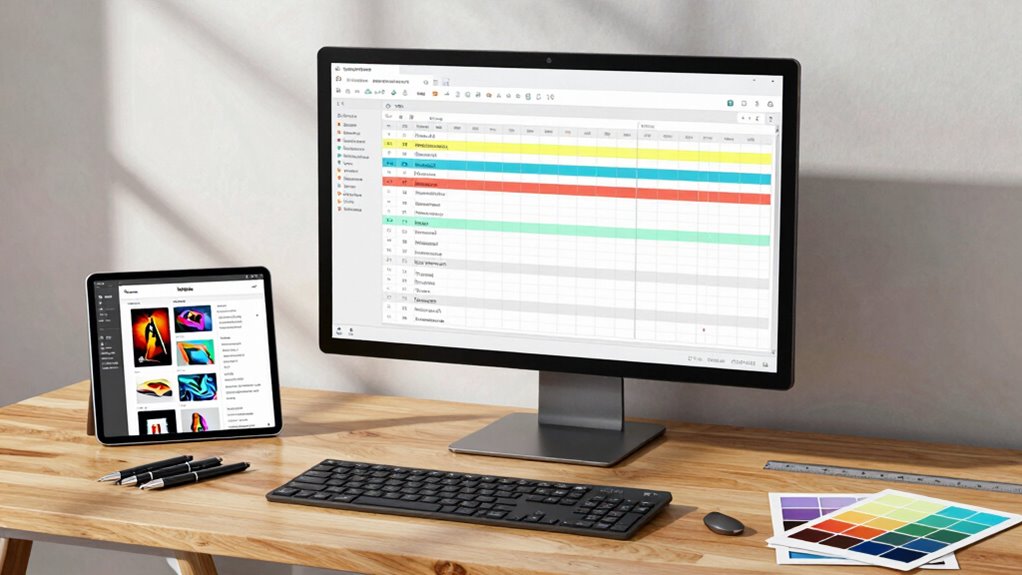
In today’s digital age, using specialized tools can greatly simplify the process of tracking your print editions. Digital portfolios provide a centralized space to organize and showcase your work, making it easy to update and review your records. Many platforms offer customizable templates designed specifically for printmakers, helping you record details like edition size, print dates, and sold pieces efficiently. Incorporating essential DIY tools can also enhance your overall project management. Additionally, exploring creative ideas in a digital space can inspire new ways to present your work and engage with your audience. Cloud storage solutions, such as Google Drive or Dropbox, guarantee your records are secure and accessible from any device, reducing the risk of data loss. These digital tools streamline your workflow, enabling quick updates and seamless sharing with clients or galleries. By leveraging digital portfolios and cloud storage, you keep your print records organized, accurate, and ready whenever you need them. Moreover, utilizing specialized tools can enhance your writing by detecting and correcting passive voice effortlessly. Additionally, implementing long-term adaptability in your tracking process ensures that your methods evolve with changing technologies and market demands.
Common Record-Keeping Problems and How to Fix Them
You might notice issues like inconsistent data entries, missing transaction details, or disorganized record systems in your print records. These problems can lead to confusion and mistakes, making it harder to track your editions accurately. Addressing these issues with clear procedures and organized systems will keep your records reliable and easy to manage.
Inconsistent Data Entries
Inconsistent Data Entries (Common Record-Keeping Problems and How to Fix Them)
Why do inconsistent data entries often cause headaches in printmakers’ record-keeping? Because they lead to confusion, errors, and difficulty tracking editions. To fix this, focus on standardizing your entries. Here are key points:
- Maintain color consistency by using predefined color codes or descriptions. This practice draws parallels to how classic arcade games established standardized gameplay for better user experience.
- Verify signatures consistently to prevent forgery or misidentification.
- Use templates for data entry to reduce variation.
- Regularly audit records to catch discrepancies early. Additionally, maintaining accurate records can significantly improve your workflow efficiency.
These practices guarantee your records stay accurate and reliable. Consistent data makes it easier to verify editions, especially when checking details like signature verification. By keeping entries uniform, you’ll avoid mix-ups and maintain a clear, professional archive. Inconsistent data entries undermine your record-keeping system, so stay vigilant and disciplined. Additionally, consider implementing regular audits to ensure compliance with standardized practices that enhance overall record accuracy. Understanding the importance of time management can also help streamline your record-keeping processes.
Missing Transaction Details
Missing transaction details are a common pitfall that can disrupt the accuracy of your printmakers’ records. When details like dates, quantities, or buyer information are absent, your print inventory management suffers. These gaps make it hard to track sales, monitor stock levels, and assess your overall inventory health. To fix this, always double-check each transaction for completeness before recording it. Use clear, standardized forms or digital templates to guide data entry, ensuring no vital info gets omitted. Implement a routine to review and reconcile records regularly, catching missing details early. Maintaining thorough documentation helps you build reliable records, simplifies inventory management, and prevents costly mistakes down the line. Consistency in capturing transaction details is key to keeping your print inventory accurate and well-managed. Additionally, utilizing accessibility features can streamline your record-keeping process, making it easier to ensure all details are captured.
Disorganized Record Systems
Disorganized record systems can quickly lead to confusion and errors in managing your print inventory. Without a clear system, tracking details like color matching or paper selection becomes a challenge, risking mismatched editions or lost data. To improve, consider these steps:
- Use consistent labels for paper types and colors to avoid mix-ups.
- Create a digital database to log each print’s details, including color matching notes. This can enhance your overall digital skills and streamline your record-keeping process. Additionally, employing analytics cookies can provide insights into your printing practices, helping you refine your methods over time. Incorporating elements of astrological compatibility may also help you understand the dynamics of your creative collaborations.
- Regularly audit your records to catch discrepancies early.
- Segment records by project or edition to keep related info together and accessible.
Implementing these strategies helps you stay organized, reduces mistakes, and ensures accurate tracking of every print, paper choice, and color detail. Clear records make your workflow smoother and your editions more professional. Additionally, maintaining effective traceability in your process can enhance compliance and overall quality assurance.
How to Review and Update Your Edition Records Over Time
Regularly reviewing and updating your edition records is vital to maintaining accurate documentation of each print run. To do this effectively, set a routine schedule to assess your records, especially after each project or print batch. Collect artist feedback during these reviews to verify details like edition size, signing, and unique markings. Managing print expiration is also important—note when certain editions should be retired or replaced to avoid confusion. Additionally, consider the time of year for optimal conditions, as certain seasons can influence the quality of your prints. Update your records immediately to reflect changes, corrections, or new insights. Keep digital logs current, and cross-check physical records for consistency. This process helps you stay organized, guarantees transparency with collectors, and preserves the integrity of your editions over time. Staying proactive minimizes errors and keeps your printmaking practice professional. Additionally, incorporating early socialization and training into your workflow can enhance collaboration and communication with artists, ensuring everyone is aligned on project expectations.
Frequently Asked Questions
How Often Should I Back up My Print Edition Records?
You should back up your print edition records at least weekly to guarantee digital security and prevent data loss. Regular backups help keep your record organization intact, especially if your files are stored digitally. Consider using cloud storage or an external drive for added security. By staying consistent with backups, you minimize risks and can easily recover your records if something unexpected happens, keeping your printmaking process smooth and professional.
Can Edition Records Help Increase the Value of My Artwork?
Yes, edition records can substantially boost your artwork’s value. By maintaining detailed digital tracking of each print, you create a clear provenance history that collectors and galleries trust. This transparency proves authenticity and rarity, making your work more desirable. Accurate edition records give buyers confidence, potentially increasing demand and resale value. Don’t underestimate how well-organized documentation can elevate your art’s stature and market worth over time.
What Legal Considerations Are Involved in Recording Edition Details?
You need to guarantee your edition records comply with copyright laws and support provenance verification. Accurately documenting edition details helps protect your rights and proves authenticity, which is vital if disputes arise. Stay aware of legal considerations by keeping clear, detailed records that reflect the original work and any licensing agreements. This safeguards your artwork’s value and verifies you’re in compliance with copyright regulations, making your records legally sound and reliable.
How Do I Handle Edition Records for Collaborative Print Projects?
When handling edition records for collaborative print projects, you coordinate collaborative workflows, agree on edition numbering techniques, and document each artist’s contribution clearly. You track each print’s progress, assign unique identifiers, and record the roles of all involved. You maintain transparency, guarantee consistent documentation, and update records promptly. This structured approach helps preserve the edition’s integrity, fosters trust among collaborators, and simplifies future provenance verification.
Are There Industry Standards for Documenting Print Editions?
Yes, there are industry standards for documenting print editions. You should keep detailed print inventory records, including edition size, print number, and date. Always include artist signatures and any relevant provenance details. These records guarantee authenticity and value, making tracking easier for future sales or exhibitions. Consistently updating your documentation helps maintain clarity and professionalism, especially when managing multiple editions or collaborative projects.
Conclusion
Think of your edition records as the roots of your artistic tree—they anchor your practice and help it grow stronger with each print. By keeping meticulous track, you’re nurturing a legacy that blossoms with clarity and confidence. These records aren’t just data—they’re your story’s foundation, ensuring your creative journey remains authentic and resilient. Cultivate them wisely, and watch your printmaking practice flourish like a vibrant, unstoppable forest.
Fall Picks
fall essentials
As an affiliate, we earn on qualifying purchases.