
When choosing between dry mounting and hinge mounting, you must weigh aesthetics against long-term conservation. Dry mounting offers a sleek, flat, and durable finish but is usually irreversible and can degrade over time, risking damage to your artwork. Hinge mounting is reversible and preserves surface textures, making it better for conservation, but it may not give as seamless a look. Understanding these trade-offs helps you select the best method—more details await if you continue exploring.

Get art and craft supplies delivered free — and shop member deals
- Fast, free delivery on millions of items
- Access to Prime Big Deal Days deals on October 6–7
- Prime Video, Amazon Music and more included
Key Takeaways
- Dry mounting offers a sleek, permanent surface but risks irreversible damage and adhesive degradation over time.
- Hinge mounting is reversible, allowing future removal or adjustments without harming the artwork.
- Dry mounting provides durability and a seamless appearance, ideal for long-term display, but complicates conservation efforts.
- Hinge mounting preserves surface authenticity and textures, supporting conservation and future restoration flexibility.
- Cost and permanence are key considerations: dry mounting is more expensive but permanent; hinge mounting is budget-friendly and reversible.
dry mounting adhesive for artwork
As an affiliate, we earn on qualifying purchases.
As an affiliate, we earn on qualifying purchases.
What Are Dry Mounting and Hinge Mounting? An Overview

What Are Dry Mounting and Hinge Mounting? An Overview
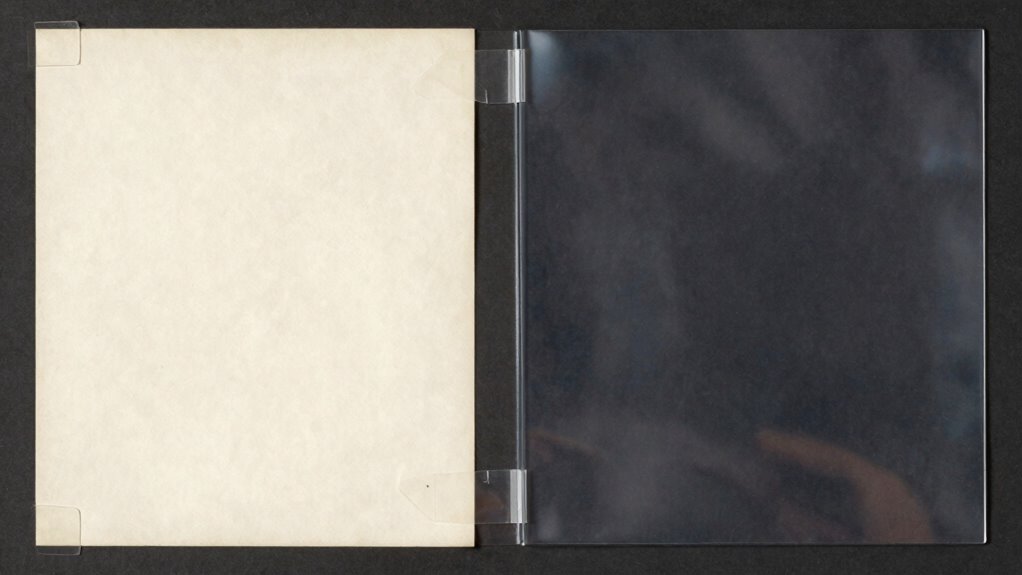
Dry mounting and hinge mounting are two common methods used to preserve and display photographs and paper-based artwork. Dry mounting involves attaching the artwork to a backing board using heat-activated adhesive, which creates a smooth, rigid bond. This method offers high material durability, keeping the piece flat and stable, but it relies heavily on the adhesive chemistry’s permanence. Hinge mounting, on the other hand, uses small paper hinges or strips, typically adhered with acid-free adhesives, allowing for easier removal and less risk of damage over time. This method provides flexibility but may not be as durable, especially if the adhesive’s chemistry deteriorates. Both techniques serve different preservation needs, with material durability and adhesive chemistry playing critical roles in long-term stability. Additionally, understanding digital concepts can enhance the presentation and accessibility of preserved artworks in the modern era.
hinge mounting photo preservation
As an affiliate, we earn on qualifying purchases.
As an affiliate, we earn on qualifying purchases.
How Does Dry Mounting Affect Artwork Preservation Over Time?
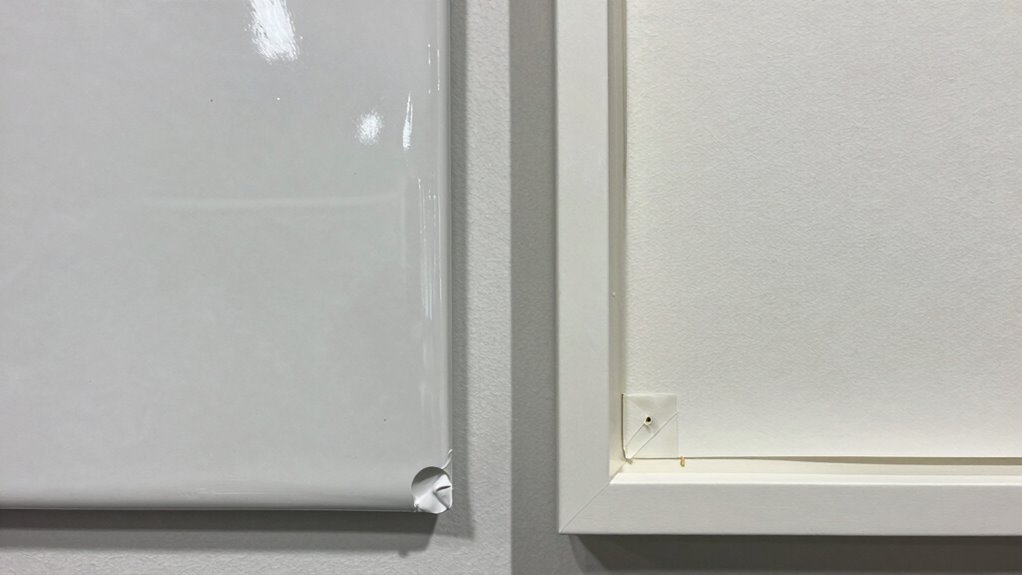
While dry mounting can create a sleek, flat presentation, it can also pose significant risks to artwork preservation over time. The adhesive used in dry mounting may degrade, causing potential damage and making future conservation efforts more difficult. Over the years, changes in temperature and humidity can cause the mounted artwork to warp or develop adhesive residues, complicating digital preservation and art authentication processes. Additionally, dry mounting is often irreversible, limiting future conservation options. This permanence can hinder efforts to accurately document and authenticate artworks, especially as technologies evolve. While dry mounting offers a clean display, it may compromise long-term stability and the integrity of the piece. Careful consideration is essential to balance aesthetic presentation with the preservation of the artwork’s historical and monetary value. Furthermore, similar to the challenges faced in KTM electric dirt bike pricing, the financial implications of restoration can escalate if preservation methods are compromised. To ensure long-term protection, it is crucial to consider proper conservation techniques that prioritize both display and preservation. Developing strong emotional skills can enhance relationship dynamics during discussions about artwork care, making collaboration more effective. Additionally, understanding communication styles can facilitate more productive conversations about conservation strategies and decisions. Moreover, the use of regional flavors in coffee and tea culture highlights the importance of context in preserving not just physical objects, but also the stories and traditions behind them.
acid-free paper hinges for artwork
As an affiliate, we earn on qualifying purchases.
As an affiliate, we earn on qualifying purchases.
Why Is Hinge Mounting Reversible and Flexible?
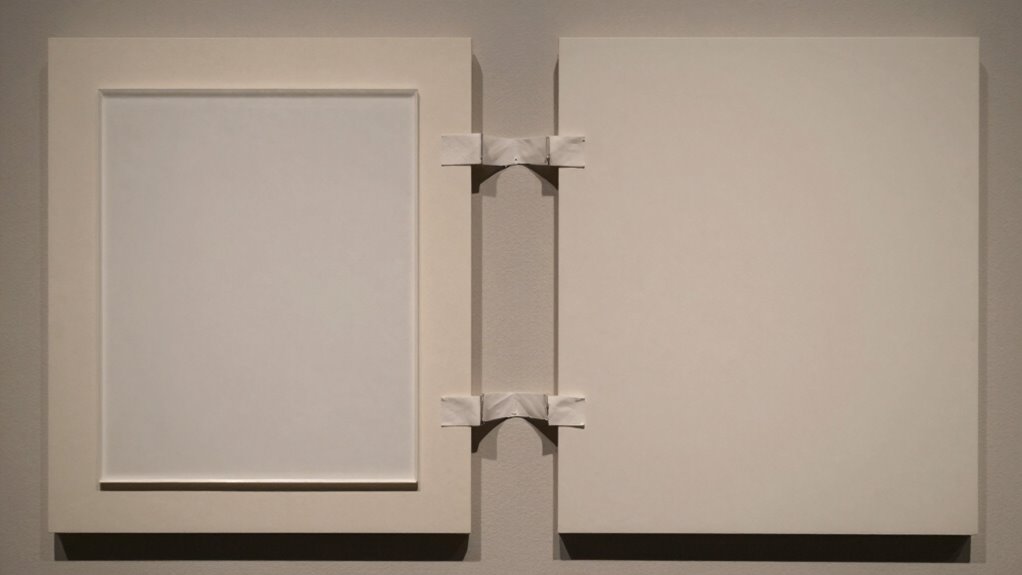
Why Is Hinge Mounting Reversible and Flexible?
Hinge mounting is designed to be reversible and flexible, making it a preferred choice for conserving artwork. This method allows you to adjust or remove the mounting without damaging the original piece, preserving its artistic expression and cultural significance. The flexibility of hinge mounting supports the artist’s intent by enabling easy reconfiguration or display changes over time. Its reversibility ensures that future conservators can access or restore the artwork without risking harm. Because of its non-invasive nature, hinge mounting respects the integrity of the piece, maintaining its historical and cultural value. Incorporating eco-friendly practices in the display environment can enhance the overall preservation of the artwork. This adaptability makes hinge mounting especially suitable for works with deep cultural significance or those that may undergo future exhibitions or restorations. Additionally, proper gear care tips can enhance the longevity of mounted pieces, just as they do for cycling equipment. Using top car protection can also ensure that the display environment remains stable and safe for valuable artworks.
As an affiliate, we earn on qualifying purchases.
How Do Dry and Hinge Mounting Differ in Appearance?
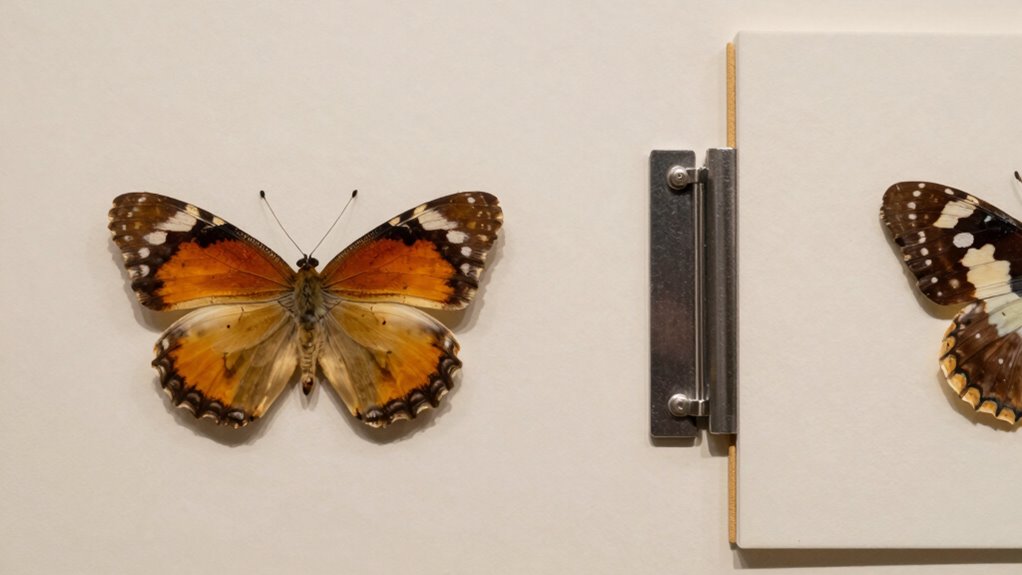
Dry mounting often creates a smooth, matte surface that emphasizes the artwork’s texture, while hinge mounting can introduce slight reflections or glossiness from the adhesive. The thickness of the framing or mounting material also affects the overall appearance, with dry mounting usually resulting in a more flush presentation. Additionally, the clarity of the mounting surface can influence how unobstructed the artwork appears, making one method more transparent than the other. This visual clarity can enhance the viewer’s experience, much like how freshly squeezed juices retain more nutrients compared to bottled options. It’s also crucial to consider that sauna safety guidelines can help protect your well-being while enjoying different mounting techniques.
Visual Texture Differences
The visual textures of mounted artwork can vary markedly depending on the method used, influencing how viewers perceive the piece. Dry mounting creates a smooth, uniform surface that minimizes texture contrast, making the artwork appear flat and polished. This can enhance visual depth by providing a seamless background, but it often reduces the tactile richness of the original surface. In contrast, hinge mounting preserves the artwork’s natural textures and surface details, resulting in more pronounced texture contrast. This method maintains the artwork’s authentic feel, adding depth through subtle variations in surface quality. As a viewer, you’ll notice dry mounting offers a sleek, consistent appearance, while hinge mounting retains more of the artwork’s tactile character, impacting overall visual depth and engagement.
Frame Thickness Impact
Mounting methods can considerably influence how thick or prominent the finished piece appears within its frame. Dry mounting creates a flat, seamless look by adhering the artwork directly to the backing, resulting in a thinner profile that emphasizes the artwork itself. This method often reduces the overall frame thickness, making the piece feel more integrated and sleek. In contrast, hinge mounting preserves the artwork’s natural edges and texture, which can add slight depth, increasing the apparent frame thickness. Material compatibility plays a role here; dry mounting requires suitable adhesives and backing materials to prevent damage, while hinge mounting relies on hinges or corners that won’t alter the artwork’s surface. Your choice impacts not only appearance but also how the piece interacts with its frame over time. Additionally, frame thickness considerations can significantly affect the overall aesthetic and presentation of your artwork.
Mounting Surface Clarity
When considering how mounting methods affect the appearance of your artwork, surface clarity is a key factor. Dry mounting often produces a glossy, seamless surface that enhances clarity contrast, making details pop. Hinge mounting, on the other hand, leaves the mounting surface more visible, which can slightly diminish the clarity contrast but maintains the original texture.
Here are three key differences:
- Dry mounting creates a smooth, glass-like surface that minimizes reflections and maximizes clarity.
- Hinge mounting allows the mounting surface to show through, adding a subtle texture and reducing clarity contrast.
- The choice impacts how viewers perceive depth and detail, with dry mounting offering a crisper look and hinge mounting preserving natural surface qualities.
Which Mounting Method Is Best for Conservation Goals?
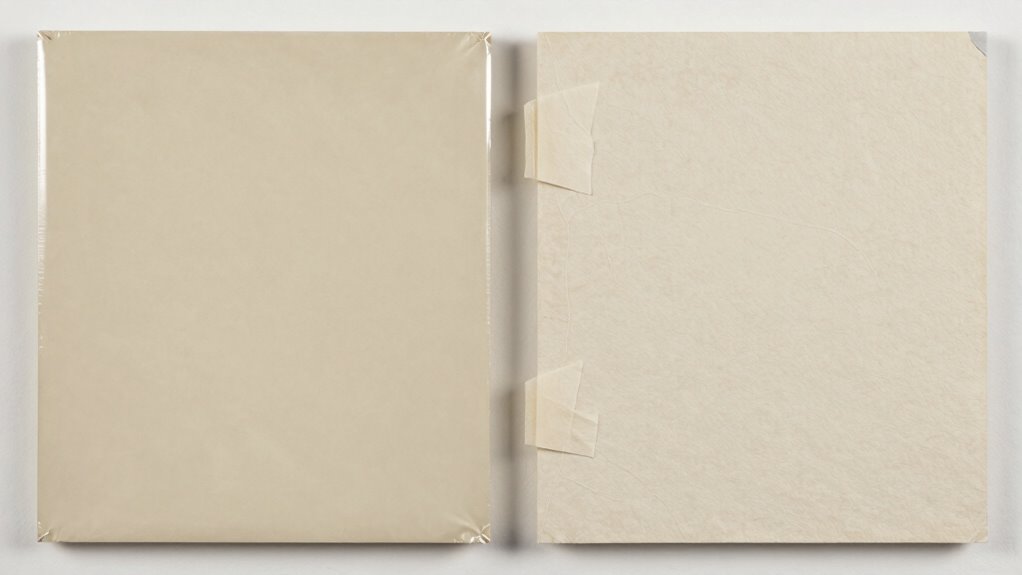
When choosing a mounting method for conservation, you need to take into account how well it preserves the original artwork, especially over time. Reversibility and longevity are essential factors—some techniques allow for easier removal or future treatment, while others may cause damage. Ultimately, the best method aligns with your goal of maintaining the artwork’s integrity for the long term. Additionally, using materials that reflect traditional techniques can enhance both the aesthetics and preservation of the piece. Furthermore, selecting materials with verified performance can ensure they meet the necessary standards for long-lasting care. Maintaining color accuracy in the surrounding environment can also play a crucial role in preserving the artwork’s visual integrity. Consideration of seasonal influences can also affect how light interacts with and impacts the artwork over time. The choice of materials should prioritize filtration efficiency, as this can significantly enhance the artwork’s preservation against dust and allergens.
Preservation of Original Art
Choosing the right mounting method is essential for preserving the integrity of your artwork. To guarantee the best conservation, consider these factors:
- Color fading: Some adhesives can cause colors to fade over time. Opt for materials that are UV-resistant and archival-quality to maintain vibrancy. Additionally, indoor air quality can impact the longevity of your artwork, as pollutants may interact with materials.
- Material compatibility: Confirm the mounting materials are chemically compatible with your artwork to prevent deterioration or discoloration.
- Minimal intervention: Choose a method that allows your artwork to breathe and avoids unnecessary adhesion or alteration, helping to preserve original details. Dry mounting can risk color fading if incompatible adhesives are used, while hinge mounting offers a gentler approach. Prioritizing material compatibility and minimal intervention helps protect your art’s longevity. Additionally, selecting sustainable options for mounting materials can further enhance the conservation of your artwork while being environmentally responsible.
Reversibility and Longevity
Reversibility is a crucial factor in selecting a mounting method because it allows artworks to be safely removed or restored in the future without damage. Dry mounting typically offers durability but sacrifices reversibility, making future conservation difficult. Hinge mounting, on the other hand, prioritizes reversibility, enabling easy removal without harming the artwork. When considering longevity, dry mounting’s permanence can lead to issues if materials degrade or become brittle over time. Conversely, hinge mounting’s reliance on materials like paper or polyester can affect its durability, especially if they are biodegradable or environmentally impactful. Understanding the importance of smart yard care can also inspire better choices in conservation practices. Additionally, the preservation efforts for historical sites in various cultures highlight the necessity of maintaining and protecting artwork for future generations. Here’s a comparison:
| Aspect | Dry Mounting | Hinge Mounting | Conservation Implication |
|---|---|---|---|
| Reversibility | Low | High | Easier future restoration |
| Material Biodegradability | Often non-biodegradable | Often biodegradable | Better environmental impact |
| Longevity | Long-lasting but brittle over time | Moderate, depends on materials | Balance between durability and safety |
Additionally, understanding the environmental impact of various materials can inform better choices for household products, especially in conservation contexts.
How Much Do Mounting Methods Cost and How Practical Are They?
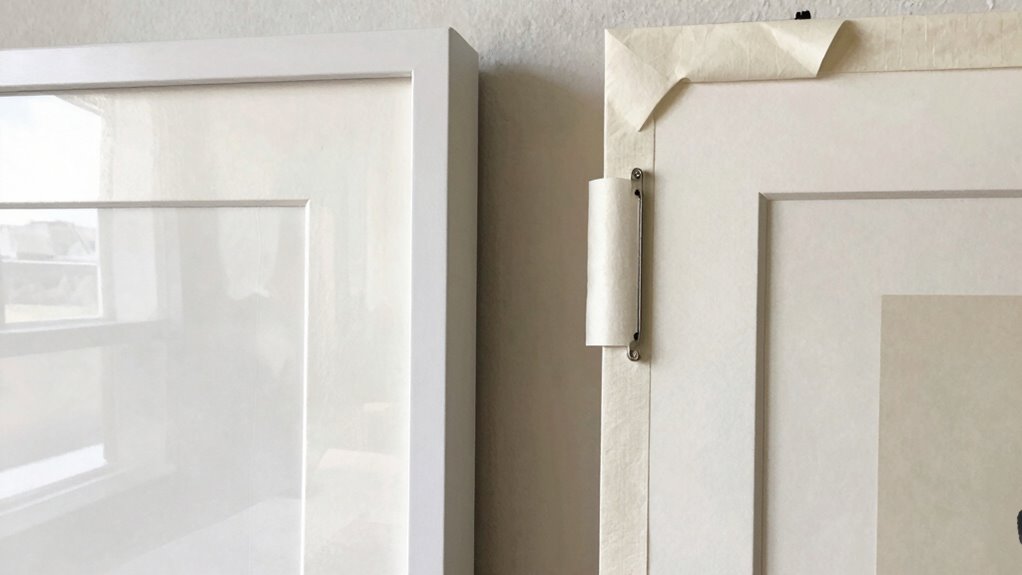
Certainly! Here’s your article subheading content with the requested enhancements:
—
Have you ever wondered how much it costs to mount a piece of artwork and whether the method you choose is practical for your needs? Cost considerations play a big role in decision-making, especially if you’re working with a budget. Here are three key points to evaluate:
- Dry mounting generally costs more upfront due to materials and equipment but offers long-term durability, making it a suitable option for preserving emotional well-being in art collections. Additionally, the benefits of enhanced recovery can be parallelly considered when evaluating long-term preservation options.
- Hinge mounting is more affordable initially, making it practical for temporary displays or budget-conscious projects.
- Practical application depends on your goals—dry mounting is ideal for permanent display, while hinge mounting suits situations needing reversibility.
Additionally, exploring protective styling benefits can enhance your understanding of various mounting methods and their applications.
Understanding these factors helps you weigh expenses against longevity and ease of handling, ensuring your choice aligns with your conservation needs.
—
Let me know if you need any further modifications!
When Should You Use Hinge or Dry Mounting? Expert Recommendations
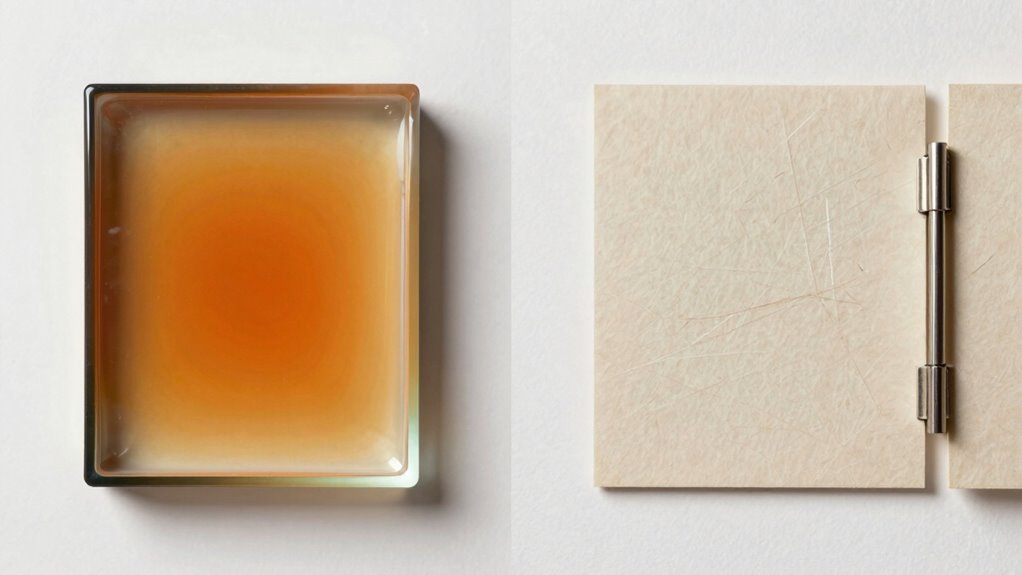
Deciding whether to use hinge or dry mounting depends on your specific goals and the nature of the artwork. If preservation and minimal intervention are priorities, hinge mounting is often preferable because it’s reversible and less invasive. You should consider hinge mounting when you want to avoid potential damage caused by adhesives or heat, especially with sensitive materials. Dry mounting, on the other hand, provides a flat, secure display but requires specialized mounting materials and equipment. Artist preferences also play a role; some favor the traditional look of hinge mounting, while others prefer the sleekness of dry mounting. Ultimately, your choice hinges on the artwork’s composition, intended display environment, and your conservation goals. Consulting experts can help determine the most suitable method based on these factors.
How to Choose the Best Mounting Method for Your Artwork
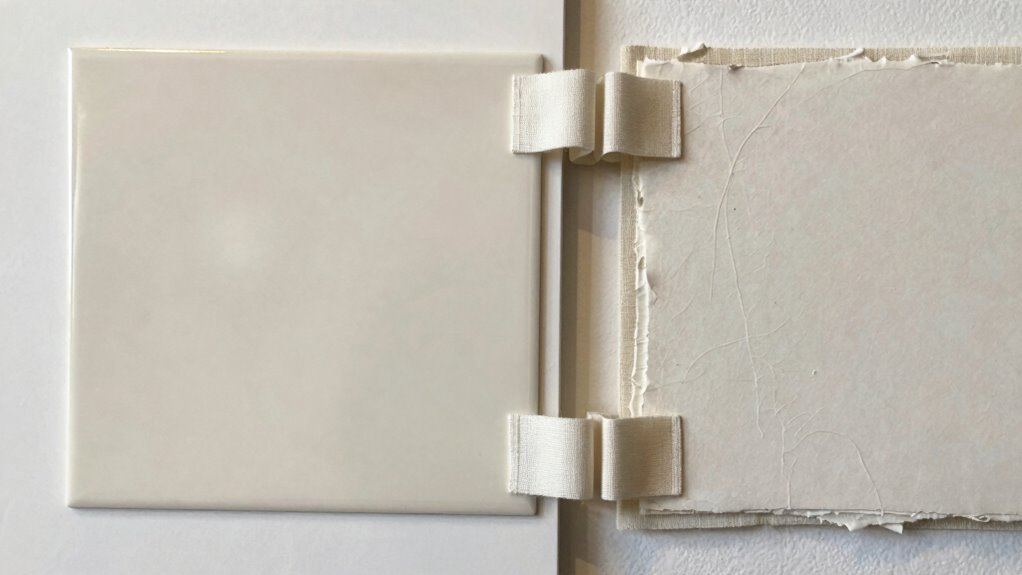
Choosing the right mounting method for your artwork depends on several key factors, including the materials involved, the display environment, and your long-term preservation goals. To make the best choice, consider:
Selecting the ideal mounting method depends on materials, environment, and preservation priorities.
- Framing aesthetics – Will the mount complement or enhance the artwork’s visual appeal?
- Material compatibility – Are the mounting materials suitable for your artwork’s media and substrate?
- Conservation needs – Do you prioritize minimal invasiveness or secure, long-lasting attachment?
Dry mounting offers a sleek, seamless appearance ideal for framing aesthetics but may pose risks with certain materials. Hinge mounting provides flexibility and easier conservation, especially for delicate or valuable pieces. Weigh these factors carefully to select a method that balances presentation with preservation.
Frequently Asked Questions
Can Dry Mounting Damage Delicate or Fragile Artworks?
Dry mounting can damage delicate or fragile artworks if improper techniques or adhesives are used. You might risk harming fragile support materials or causing irreversible damage if strong or unsuitable adhesives, like certain delicate adhesives, are applied directly. To protect your artwork, guarantee the use of appropriate, gentle adhesives and proper mounting methods. Consulting a conservation professional can help you avoid potential damage and preserve the integrity of your delicate pieces.
Are There Alternative Mounting Methods Besides Dry and Hinge?
Yes, there are alternative mounting methods beyond dry and hinge mounting. You can explore techniques like adhesive mounts using modern adhesives, which offer reversible and less invasive options. You might also consider framing with UV-protective glass or using magnetic mounts for easy removal. These methods prioritize preservation, reduce stress on fragile artworks, and maintain their integrity while providing secure display options, making them ideal for conservation-conscious mounting.
How Do Environmental Conditions Influence Mounting Longevity?
Environmental conditions like humidity control and temperature stability greatly influence mounting longevity. When humidity fluctuates, it can cause materials to expand or contract, risking damage or warping. Temperature swings accelerate deterioration and degrade adhesives or mounts. You should maintain a consistent, moderate environment to preserve your mounted items. Proper climate control minimizes stress on the materials, ensuring your artwork or documents stay intact over time.
Is Professional Conservation Necessary for All Mounting Types?
Professional conservation isn’t necessary for all mounting techniques, but it’s highly recommended to guarantee preservation. Conservation standards guide you in choosing the best approach for your artwork’s needs, whether you opt for dry mounting or hinge mounting. A conservation expert can assess environmental factors and material stability, helping you avoid damage over time. Investing in professional help ensures your artwork remains in excellent condition, regardless of the mounting method used.
What Are the Environmental Impacts of Mounting Materials Used?
The environmental impacts of mounting materials depend on your choices. By using eco-friendly adhesives, you reduce harmful chemical runoff and pollution. Opting for recyclable mounting materials minimizes waste and promotes sustainability. You can also choose biodegradable options to lessen your ecological footprint. These choices help protect natural resources and support environmentally responsible practices in conservation, ensuring your mounting process remains eco-conscious while maintaining artwork integrity.
Conclusion
Ultimately, choosing between dry mounting and hinge mounting is like steering a delicate dance—each step, or method, carries its own rhythm and purpose. By weighing your conservation goals against practicality and appearance, you decide which technique best serves your artwork’s future. Remember, the right choice isn’t just about preservation; it’s about honoring the art’s story while respecting its fragile beauty, for in conservation, as in life, balance is the key to timeless grace.
Fall Picks
fall essentials
As an affiliate, we earn on qualifying purchases.