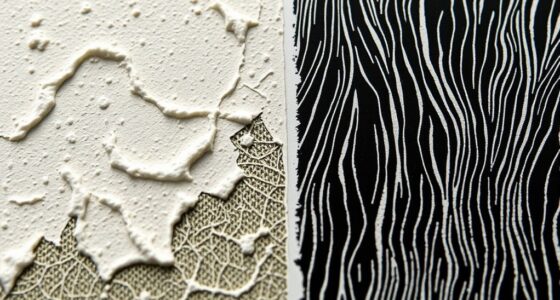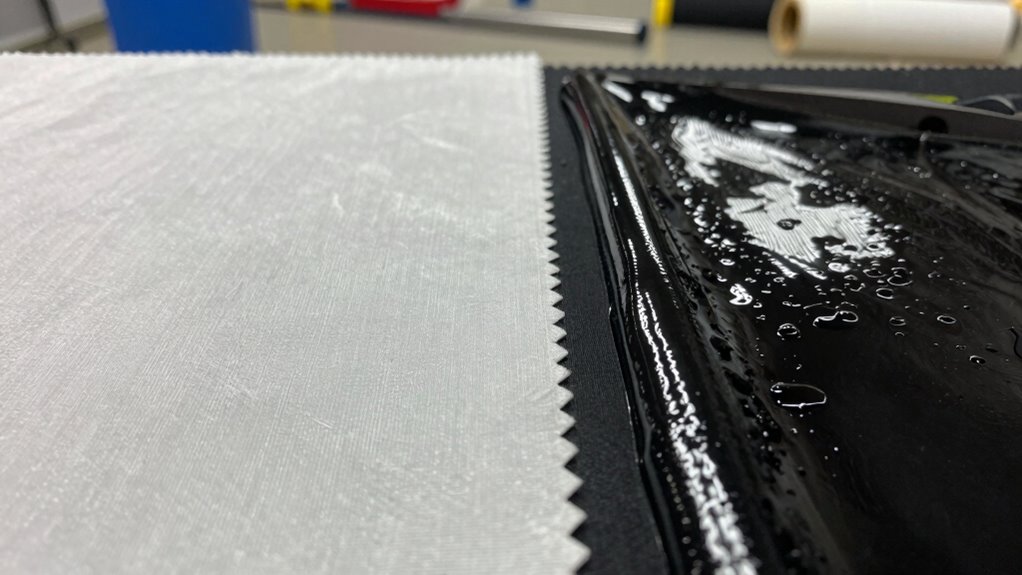

Choosing between water-based and plastisol inks impacts your apparel’s appearance, feel, durability, and eco-friendliness. Water-based inks give softer, breathable prints with a natural look, but may require more time for curing and touch-ups. Plastisol inks produce vibrant, long-lasting images with a thicker feel and faster production times, though they’re less eco-friendly. To find out which option best suits your design goals and sustainability priorities, explore the details that follow.

Get art and craft supplies delivered free — and shop member deals
- Fast, free delivery on millions of items
- Access to Prime Big Deal Days deals on October 6–7
- Prime Video, Amazon Music and more included
Key Takeaways
- Water-based inks offer a softer, breathable finish with eco-friendly benefits, while plastisol provides vibrant, durable prints with a stiffer feel.
- Plastisol inks dry quickly and enable faster production, whereas water-based inks require longer curing times but allow better color blending.
- Plastisol generally lasts longer and resists fading over time, but contains environmentally harmful PVC and phthalates.
- Water-based inks are more sustainable, producing fewer VOCs and less chemical waste, aligning with eco-conscious industry trends.
- The choice impacts overall production speed, print durability, environmental impact, and the apparel’s look and feel.
As an affiliate, we earn on qualifying purchases.
What Are Water-Based and Plastisol Inks?
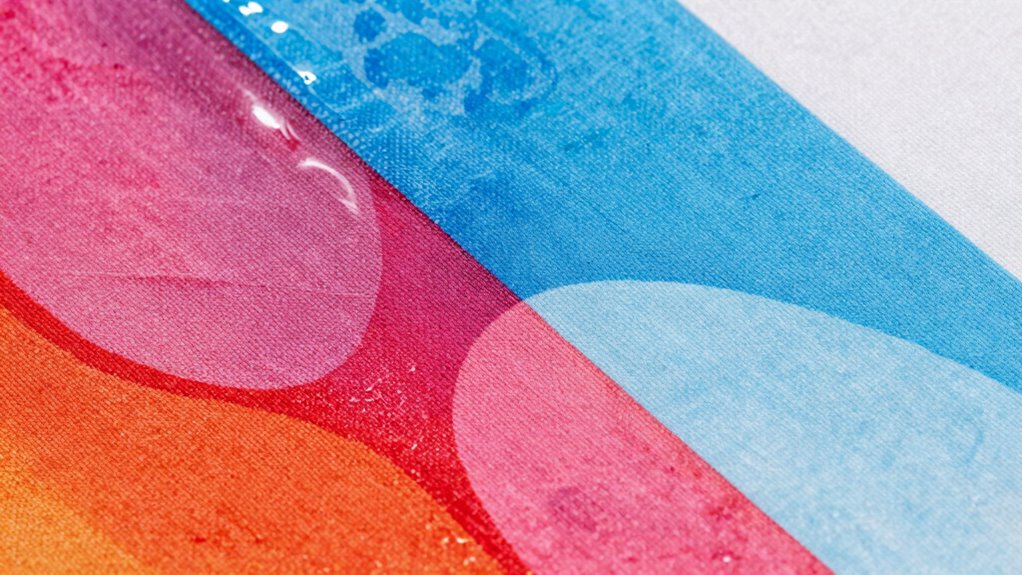
When choosing between water-based and plastisol inks, it’s important to understand what each one is. Water-based inks are made with pigments suspended in water, making them eco-friendly and giving prints a softer, more natural feel. They offer excellent color vibrancy, especially on light-colored fabrics, but can sometimes require multiple coats for deeper shades. The drying process involves the ink soaking into the fabric, which can take longer and needs proper curing to prevent smudging. Additionally, achieving color accuracy is crucial for the best results. The use of eco-friendly materials can also positively impact mind-body healing during stressful times, like managing a divorce. Notably, many artists prefer water-based inks for their environmental benefits, which align with sustainable practices. Incorporating eco-friendly designs in your projects can enhance the overall aesthetic. Plastisol inks, on the other hand, are plastic-based and sit on top of the fabric, providing bold, vibrant colors with excellent opacity. They dry quickly through heat curing, making production faster. While plastisol inks tend to have less color vibrancy on dark fabrics, they’re durable and easy to work with for consistent results. Additionally, the choice of ink can significantly impact metabolic health, as certain materials may release harmful substances during production.
As an affiliate, we earn on qualifying purchases.
How Do These Inks Affect Apparel Look and Feel?
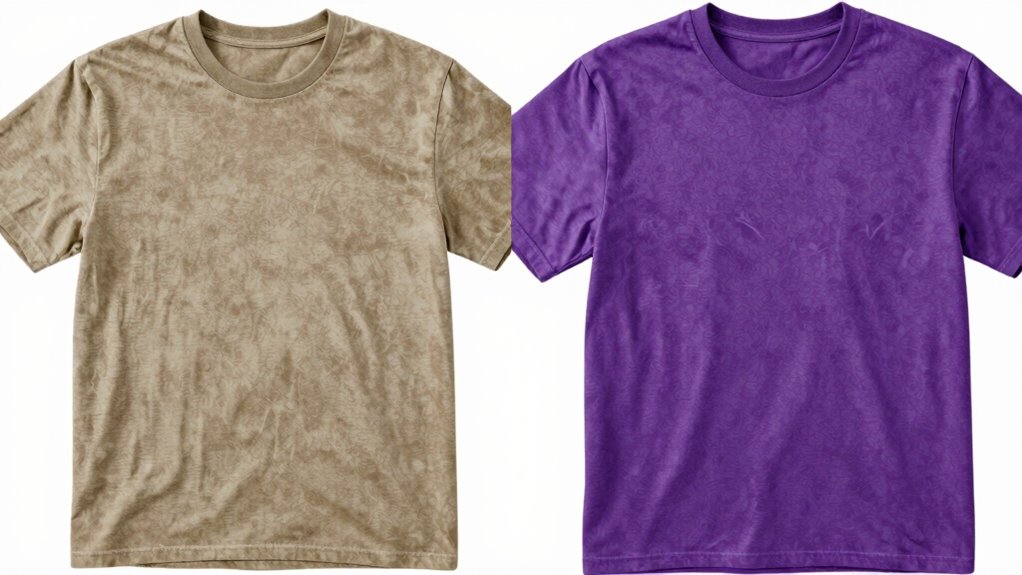
The choice of ink considerably influences how your apparel looks and feels. Water-based inks often deliver a softer, more breathable finish, making the shirt comfortable to wear. Plastisol inks, however, provide bold color vibrancy and a thicker feel, which can make the print stand out more. Additionally, understanding Victorian fashion principles can help you choose styles that align with your aesthetic. Furthermore, exploring digital content formats can give you insights into how different printing techniques can impact design choices. Print flexibility varies between the two: water-based inks stretch better with the fabric, reducing cracking, while plastisol may feel stiffer over time. Additionally, utilizing AI tools can enhance your understanding of these differences and improve your selection process. As you make your decision, consider the testing accuracy of different inks to ensure optimal performance. Here’s a quick comparison:
| Aspect | Water-Based Ink | Plastisol Ink |
|---|---|---|
| Color Vibrancy | Softer, subtler shades | Bright, intense colors |
| Print Flexibility | High, conforms to fabric | Moderate, may crack |
| Feel on Apparel | Soft, lightweight | Slightly stiff, thicker |
Your choice impacts not just look but comfort too. Understanding print flexibility can help you select the right ink for your apparel needs.
eco-friendly screen printing ink
As an affiliate, we earn on qualifying purchases.
As an affiliate, we earn on qualifying purchases.
Which Ink Lasts Longer and Holds Up in Washes?
Choosing an ink that withstands repeated washes is essential for maintaining your apparel’s quality and appearance. Plastisol inks generally last longer, resisting fading and maintaining color vibrancy after multiple washes. They tend to hold up better in wash tests, making them a reliable choice for durability. Water-based inks, however, often have a shorter lifespan, with color vibrancy diminishing over time and washes. Drying time also plays a role; plastisol dries quickly on garments, reducing the risk of smudging or cracking during the process. Additionally, proper cable management is crucial in preventing overheating, which can affect the quality of your printed apparel. Many families appreciate waterpark safety tips that emphasize the importance of proper gear when enjoying activities. Understanding cycling gear care can also enhance the longevity of your apparel. Synthetic lubricants can provide better performance in various conditions, which parallels the need for durable inks. Water-based inks take longer to dry, which can impact wash durability if not properly cured. Overall, if longevity and wash resistance are your priorities, plastisol inks are the better option for lasting quality and vibrant colors. Additionally, investing in car protection accessories can further enhance the longevity of your vehicle’s appearance.
vibrant plastisol ink for shirts
As an affiliate, we earn on qualifying purchases.
As an affiliate, we earn on qualifying purchases.
Are Water-Based or Plastisol Inks More Eco-Friendly?
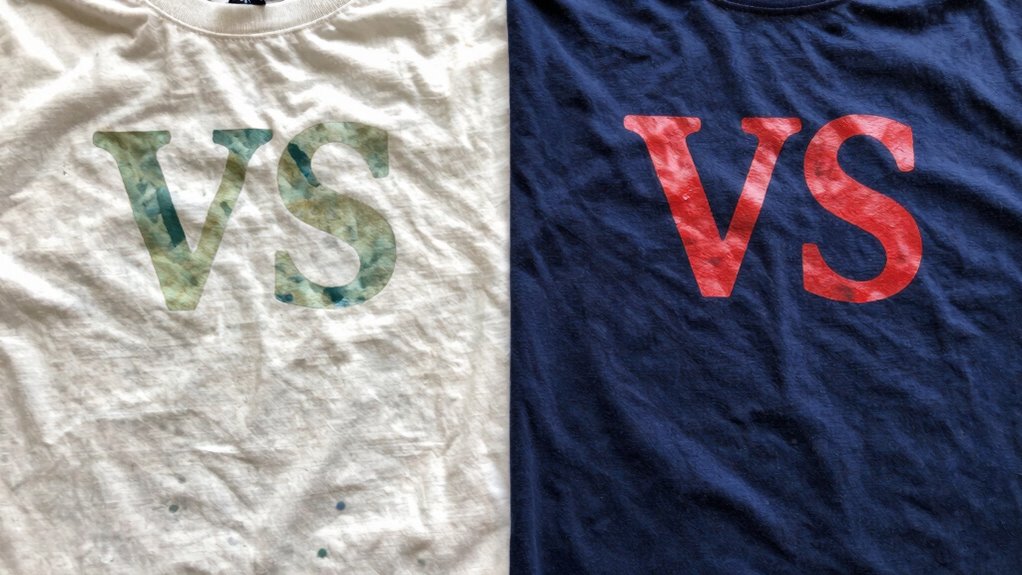
Determining which ink is more eco-friendly depends on several factors, including the materials used and the manufacturing process. Water-based inks generally have an edge because they produce less harmful waste and require fewer toxic chemicals, making them better for eco friendly packaging. They also tend to use less water during production, reducing overall water consumption. Additionally, Frühwarnzeichen für Brustkrebs emphasize the importance of awareness in early detection, paralleling the need for sustainable practices in the ink industry. With the rise in demand for unique ice cream flavors, companies are increasingly seeking sustainable packaging options. Plastisol inks, on the other hand, contain PVC and phthalates, which pose environmental concerns and complicate recycling efforts. While plastisol is durable and often easier to produce, its environmental impact is higher. If your priority is minimizing water consumption and supporting sustainable packaging, water-based inks are the greener choice. Ultimately, considering these aspects helps you make a more eco-conscious decision for your printing needs.
How Do Cost and Production Time Compare?

When comparing water-based and plastisol inks, you’ll notice differences in material costs, with plastisol often being cheaper upfront. Production speed also varies, as plastisol typically prints faster, reducing your overall turnaround time. Additionally, setup and cleanup are usually simpler with plastisol, but water-based inks may require more effort and time to prepare properly. Moreover, using proper filtration techniques can enhance the quality and longevity of the inks during the printing process. Incorporating balance and motivation into your workflow can further boost efficiency and creativity. Understanding the impact of cookie preferences can also improve your overall experience when researching printing options online. Many creative professionals also find that investing in high-quality monitors can significantly enhance their color accuracy and overall printing results. In addition, exploring creative craft ideas can inspire innovative designs that make the most of your chosen ink type.
Material Costs Comparison
Material costs and production times vary considerably between water-based and plastisol inks, impacting your overall budget and workflow. Water-based inks typically have lower material costs initially, but dye compatibility can influence long-term expenses if you need specific shades or vibrant colors. Embracing calm through wise decision-making can aid in this process. Plastisol inks often cost more upfront, especially with high-quality brands, but they offer consistent opacity and color matching, which can reduce rework. Your choice also affects brand reputation; water-based inks are eco-friendly and appeal to environmentally conscious clients, while plastisol is known for durability. Additionally, indoor air quality can be affected by the types of inks used, making it essential to consider their impact on health and the environment. Production time differences are tied more to application than cost, but your budget plans should weigh initial investment against ongoing expenses, ensuring you choose an option that aligns with your quality standards and financial goals.
Production Speed Differences
Production speed often hinges on the type of ink you choose, as each has distinct application characteristics that can affect your workflow. Water-based inks typically require longer drying times, which can slow down throughput, especially when considering color blending and achieving the desired ink opacity. Plastisol inks, on the other hand, dry quickly on the screen and fabric, allowing for faster production cycles. Their quick curing time means less waiting between prints, boosting overall efficiency. However, achieving complex color blends with plastisol can be more challenging, potentially requiring additional layers or overlays, which may extend production time. Conversely, water-based inks often blend colors more smoothly, but their longer drying times can bottleneck the process. Ultimately, your choice impacts how swiftly you can complete orders while maintaining quality.
Setup and Cleanup Efforts
Setting up and cleaning up after printing can considerably influence both your costs and production timelines, and the type of ink you choose plays an essential role in this process. Water-based inks typically require longer cleanup due to their water-soluble nature, especially when it comes to color blending and achieving consistent branding options. Plastisol inks, on the other hand, dry quickly and clean up easily with just plastisol reducer, saving time and reducing waste.
- Water-based inks often demand more thorough cleanup, impacting overall efficiency.
- Plastisol allows faster setup and cleanup, speeding up production.
- Color blending is easier with water-based inks, offering more flexible branding options, but may extend cleanup time.
Which Ink Is Best for Your Design and Customers?
When choosing the right ink for your design, consider how durability and longevity meet your customers’ needs, especially for worn-in looks or long-lasting wear. Feel and texture also matter—some inks provide a softer, more natural hand, while others offer a thicker, more vibrant finish. Additionally, think about the environmental impact, as water-based inks tend to be more eco-friendly than plastisol.
Durability and Longevity
Choosing the right ink for durability and longevity depends heavily on your customers’ needs and the type of wear the design will face. Water-based inks tend to fade faster but maintain a softer feel, while plastisol inks are known for their durability. To ensure your design lasts, consider these factors:
- Color saturation: Plastisol inks often provide richer, more vibrant colors that resist fading over time.
- Drying process: Water-based inks require a thorough drying process for optimal durability, reducing cracking and peeling.
- Wear resistance: Plastisol’s thicker formulation generally withstands repeated washing and heavy use better than water-based options.
Choosing the right ink means balancing color vibrancy with long-term performance, ensuring your customers stay satisfied.
Feel and Texture
The feel and texture of your printed design can greatly influence your customers’ satisfaction, making it essential to select the right ink for their preferences. Water-based inks typically produce a softer, more breathable feel that many find more comfortable against the skin. They often offer vibrant color saturation, although achieving deep hues may require multiple coats. Plastisol inks, on the other hand, tend to feel thicker and more plasticky, giving a slightly raised texture. Their color saturation is generally bold and vivid, which can make your design pop. Additionally, the drying process varies: water-based inks dry faster on certain fabrics, providing a softer finish sooner, while plastisol inks require curing at higher temperatures, resulting in a more plastic-like texture. Choose based on your desired feel and customer preference.
Environmental Impact
Water-based inks generally have a lower environmental impact compared to plastisol inks, making them a more eco-friendly choice for your designs. They align with eco conscious manufacturing and promote sustainable printing practices by using water as a carrier instead of PVC or phthalates. This reduces harmful chemical runoff and waste.
Consider these benefits:
- Less Toxic Waste: Water-based inks emit fewer volatile organic compounds (VOCs), minimizing pollution.
- Biodegradability: They break down naturally, reducing landfill impact.
- Energy Efficiency: They often require less energy during production and curing processes.
Choosing water-based inks supports sustainable printing practices, helping your business reduce its environmental footprint while delivering high-quality, eco-friendly products.
Tips for Choosing and Using Ink Types Effectively
Selecting the right ink type begins with understanding your project’s specific needs and the printing process you plan to use. Consider how color blending will impact your design; water-based inks often allow smoother color transitions, while plastisol inks excel in vibrant, opaque coverage. Think about branding consistency—if you need bright, long-lasting colors on dark garments, plastisol might be your best choice. Conversely, if eco-friendliness and softness matter more, water-based inks offer a more sustainable option. Always test inks on sample fabrics to see how they behave during printing and curing. Properly mixing and applying the inks guarantees sharp details and accurate color reproduction. By understanding these factors, you can select and use your ink type more effectively, achieving professional results every time.
Frequently Asked Questions
Can Water-Based and Plastisol Inks Be Mixed in a Single Design?
You can mix water-based and plastisol inks in a single design, but it’s not always ideal. Mixing can affect ink adhesion, leading to potential peeling or cracking over time. Additionally, color blending might become unpredictable, as the inks don’t always layer smoothly. If you decide to combine them, test first to guarantee proper adhesion and color consistency, and consider using separate layers to maintain quality.
How Do Water-Based and Plastisol Inks Impact Printing Equipment Maintenance?
Mixing water-based and plastisol inks can impact your printing equipment’s maintenance. Water-based inks are more eco-friendly and produce easier cleanup, reducing wear and tear. Plastisol inks, however, may cause buildup if not cleaned properly, affecting ink adhesion and increasing maintenance needs. To keep your equipment in top shape, guarantee thorough cleaning after each use, especially when switching between inks, and consider the eco benefits of water-based options for sustainable printing.
Are There Color Limitations With Water-Based Inks Compared to Plastisol?
You won’t believe it, but water-based inks have a more limited color range and opacity compared to plastisol. While plastisol offers vibrant, opaque colors suitable for bold designs, water-based inks can struggle with opacity, especially on dark fabrics. Their color palette is often more subdued and less versatile for complex, vibrant designs. If you need bright, opaque colors, plastisol remains the top choice, whereas water-based inks excel in softer, more eco-friendly printing.
Which Ink Type Is Better for Multi-Color, Detailed Designs?
For multi-color, detailed designs, plastisol inks often outperform water-based options due to their higher ink opacity, which guarantees vibrant, sharp images. However, if you prioritize eco-friendly options, water-based inks are a better choice, especially since advancements have improved their detail capabilities. While water-based inks may have some color limitations, they offer a sustainable option without sacrificing too much detail, making your designs both vivid and environmentally conscious.
How Does Drying Time Differ Between Water-Based and Plastisol Inks?
Drying times for water-based and plastisol inks are like night and day. Water-based inks dry faster, often needing just a few minutes with proper ink curing or drying techniques, making production quicker. Plastisol inks, however, require heat curing, which can take 20-30 minutes. Your choice depends on your workflow—water-based inks offer swift drying, while plastisol needs more time but provides durability.
Conclusion
Choosing between water-based and plastisol inks can transform your apparel line. Did you know that water-based inks are gaining popularity for their eco-friendly benefits? By understanding their differences, you can select the best ink to match your design, budget, and customer preferences. Making the right choice not only enhances your product’s quality but also boosts customer satisfaction and sustainability. So, weigh your options carefully—your designs and your planet will thank you!
Fall Picks
fall essentials
As an affiliate, we earn on qualifying purchases.