
Economic cycles have a strong influence on your art market experience. During economic booms, investment increases, prices rise, and collectors are more willing to take risks on high-value pieces or emerging artists. In downturns, caution prevails, and market activity slows as buyers see art as less liquid and riskier. Recognizing these patterns helps you navigate market fluctuations and seize opportunities when confidence and activity pick up. Discover more about how these shifts can impact your art investments.

Get art and craft supplies delivered free — and shop member deals
- Fast, free delivery on millions of items
- Access to Prime Big Deal Days deals on October 6–7
- Prime Video, Amazon Music and more included
Key Takeaways
- Economic booms increase art investment and demand, driving prices upward and attracting risk-tolerant collectors.
- During downturns, collectors become cautious, reducing investments and stabilizing or lowering art prices.
- Market sentiment shifts with economic conditions, favoring affordable art or established artists during downturns.
- Recovery phases see renewed confidence, increased activity, and rebounding prices in the art market.
- Understanding economic cycles helps investors manage risks and identify strategic opportunities in the art sector.
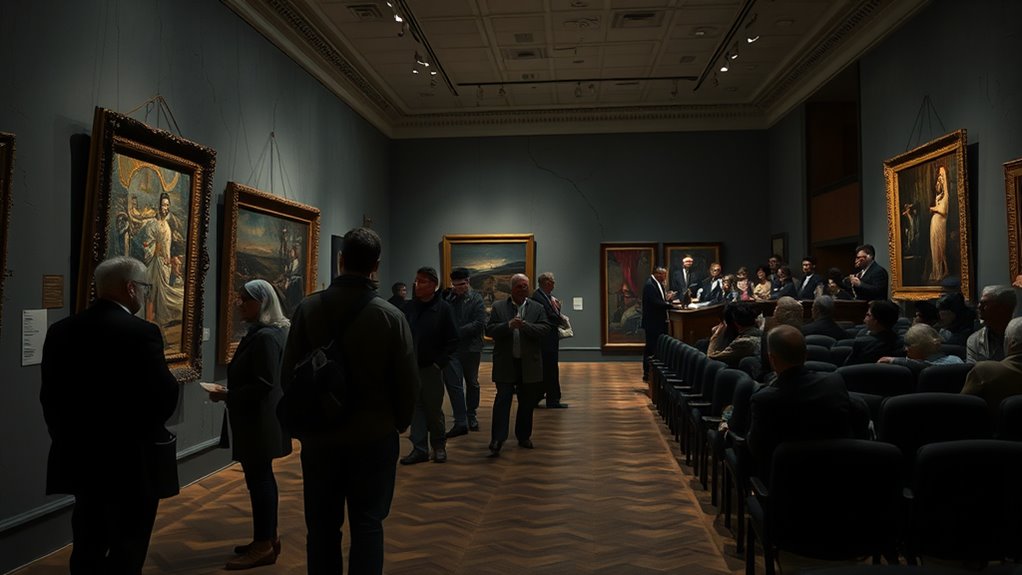
Economic cycles have a powerful influence on the art market, shaping buyers’ confidence and investment behaviors. When the economy is booming, you’ll often notice increased activity in art investment, with more collectors willing to take risks and purchase high-value pieces. During these periods, collector behavior tends to be more optimistic; people see art as a lucrative asset and a way to diversify their portfolios. You may find yourself more inclined to invest in emerging artists or rare masterpieces, viewing them as promising assets that could appreciate over time. The confidence in the market fuels demand, pushing prices upward and encouraging new buyers to enter the scene. Conversely, during economic downturns, you’ll likely observe a shift in collector behavior. Uncertainty and financial stress make art seem less like an investment and more like a luxury or a safe haven. Many collectors become cautious, preferring to hold onto their existing assets rather than make new purchases. Art investment tends to slow down, and prices may stabilize or even decline as the market contracts. You might notice auction sales becoming less frequent, with buyers hesitant to bid aggressively. This hesitancy is driven by fears of losing money or the perception that art is a less liquid investment during tough economic times. The overall sentiment in the art world becomes more conservative, with fewer new collectors entering the market and existing ones adopting a wait-and-see approach. During these periods, you may also see a shift toward more affordable art or works from established artists, as buyers look for safer options. The fluctuations in the art market caused by economic cycles influence not only the prices but also the types of art that attract attention. When the economy recovers, collector behavior often shifts again, becoming more optimistic and willing to take risks once more. Art investment picks up, and prices tend to rebound as confidence is restored. This cyclical pattern underscores how closely the art market is tied to broader economic conditions. Whether it’s a period of growth or contraction, your approach to art investment and your perception of the art market will likely mirror these shifts. Understanding this relationship helps you navigate the market more strategically, recognizing opportunities when confidence is high and exercising caution when it’s low. Recognizing the importance of diversification strategies can help mitigate risks during downturns and maximize gains during growth periods. By paying attention to economic signals, you can better anticipate changes in collector behavior and make smarter decisions about your own art investments.
art investment books for beginners
As an affiliate, we earn on qualifying purchases.
As an affiliate, we earn on qualifying purchases.
Frequently Asked Questions
How Do Economic Downturns Specifically Affect Art Prices?
During economic downturns, art prices tend to fall as market liquidity dries up and collector sentiment weakens. You’ll notice fewer buyers, making it harder to sell high-value pieces quickly. Prices drop because collectors become more cautious, prioritizing essential expenses over art investments. This shift reduces demand, leading to lower prices across the market, and making it a challenging time to buy or sell art at desirable values.
What Types of Art Are Most Resilient During Recessions?
During recessions, you’ll find emerging artists and digital art tend to be more resilient. Emerging artists often offer affordable pieces, attracting buyers seeking value, while digital art’s lower production costs make it accessible during tough economic times. You may notice collectors and investors shifting focus toward these areas, as they provide innovative, budget-friendly options that hold their appeal even in challenging financial periods.
Do Economic Booms Lead to Increased Art Investment?
You might think economic booms always boost art investment, but that’s not guaranteed. During these times, luxury spending increases, and collectors often seek high-reputation artists, driving prices up. However, some investors may become overly confident, risking overpaying. Still, overall, economic booms tend to lead to increased art investment, as wealth grows and people are more willing to spend on prized artworks, boosting the market’s vibrancy.
How Do Art Collectors Adjust Their Portfolios During Economic Shifts?
During economic shifts, you adjust your portfolio by diversifying into alternative investments like art to preserve wealth. When markets are volatile, you may sell some assets and invest more in art, which often remains resilient. This strategy helps you maintain stability and capitalize on potential appreciation. By balancing traditional assets with art, you effectively protect your wealth, ensuring it endures through economic fluctuations.
What Role Do Art Funds Play in Economic Cycles?
Art funds play a key role in economic cycles by implementing strategies like market diversification, which helps buffer against downturns. You benefit when these funds spread investments across various art categories and regions, reducing risks during economic fluctuations. By actively managing portfolios with flexible art fund strategies, they can capitalize on opportunities in different market conditions, providing stability and potential growth for your investments, even amid economic uncertainty.
affordable art from established artists
As an affiliate, we earn on qualifying purchases.
As an affiliate, we earn on qualifying purchases.
Conclusion
As you navigate the art market’s subtle dance with economic cycles, remember that gentle fluctuations often bring new opportunities. While downturns might feel like quiet pauses, they can quietly nurture the next wave of creativity and growth. Embrace these moments with patience and curiosity, knowing that even in softer times, the potential for discovery and renewal remains quietly alive. In every ebb, there’s a promise of future artful ascents.
As an affiliate, we earn on qualifying purchases.
art investment portfolio management tools
As an affiliate, we earn on qualifying purchases.
As an affiliate, we earn on qualifying purchases.
Fall Picks
fall essentials
As an affiliate, we earn on qualifying purchases.