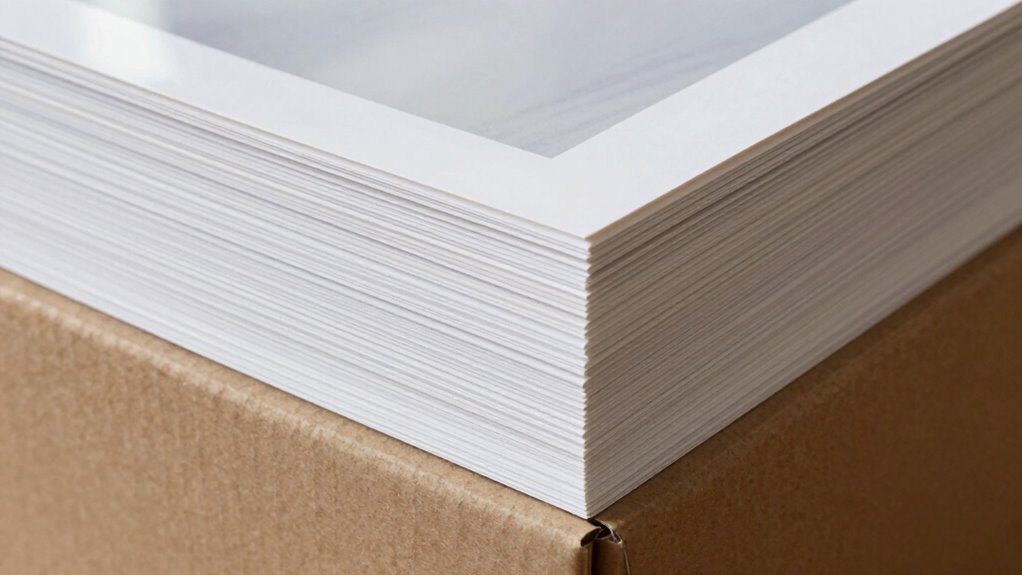

To ship prints without creases, focus on proper packing geometry by using rigid backing or sturdy tubes that support the artwork’s shape. Handle and fold prints along natural lines, cushioning edges and corners with foam or acid-free materials. Avoid overstuffing packages, and guarantee your padding keeps prints stable. Using archival-quality, eco-friendly materials helps preserve the print’s integrity. Continue exploring how to shape your packaging to keep your artwork pristine during transit.

Get art and craft supplies delivered free — and shop member deals
- Fast, free delivery on millions of items
- Access to Prime Big Deal Days deals on October 6–7
- Prime Video, Amazon Music and more included
Key Takeaways
- Use rigid backing or sturdy tubes to maintain print shape and prevent bending during transit.
- Fold prints along natural lines or avoid folding altogether by opting for flat or framed packaging.
- Incorporate ample, evenly distributed padding like foam corners and acid-free tissue to absorb shocks.
- Ensure proper alignment and secure positioning inside the package to prevent shifting and stress points.
- Choose environmentally friendly, archival-quality materials that provide structural support and long-term preservation.
As an affiliate, we earn on qualifying purchases.
Why Proper Packing Geometry Prevents Creases in Prints
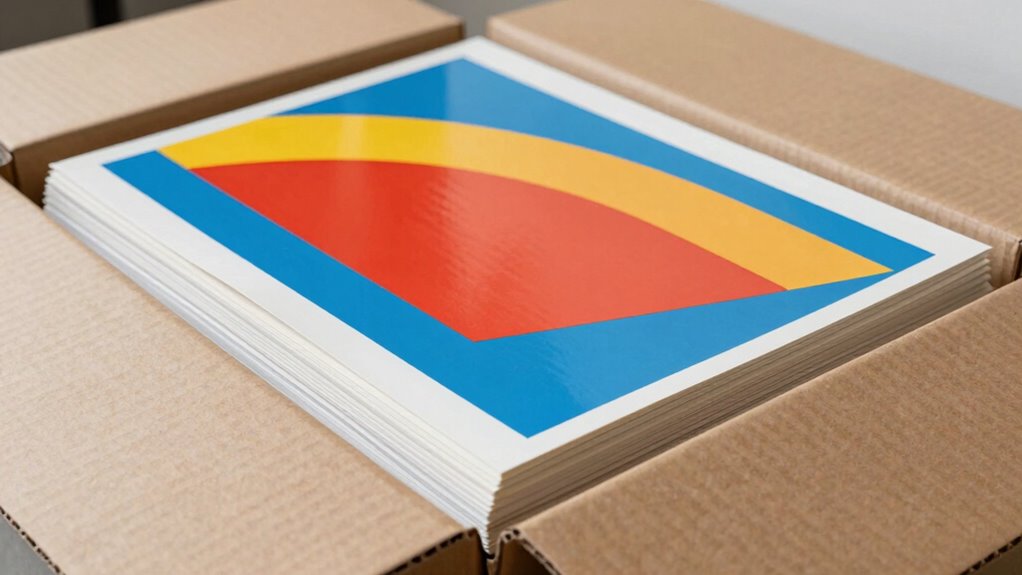
Proper packing geometry is essential because it guarantees the print maintains its shape and avoids unnecessary stress points that can cause creases. When you pay attention to print orientation, you ensure the image isn’t distorted or folded improperly during transit. Correct orientation prevents uneven pressure that leads to creases, especially around edges and corners. Moisture control also plays a crucial role; keeping prints dry prevents warping or sticking that can cause damage when packed tightly. Using rigid backing or sturdy tubes helps preserve the print’s structure, maintaining its integrity and preventing bending. Additionally, understanding seasonal conditions is vital for planning your shipping, as they can affect the materials used for packing. By carefully considering packing geometry, you reduce the risk of creases and ensure your prints arrive in pristine condition, ready to be displayed or sold without the hassle of smoothing out damage. This approach aligns with exploring new frontiers in digital content, emphasizing the importance of protecting physical art in an increasingly digital world. Furthermore, incorporating color accuracy in your packing strategy can ensure that the visual appeal of the prints remains intact throughout the shipping process. Choosing the right battery inverter generator can also provide a reliable power source for your packing equipment, ensuring efficiency and consistency in your shipping operations. Moreover, ethical hacking can be applied to enhance the security of digital files associated with prints, safeguarding them during the shipping process.
As an affiliate, we earn on qualifying purchases.
How to Fold and Insert Prints Safely
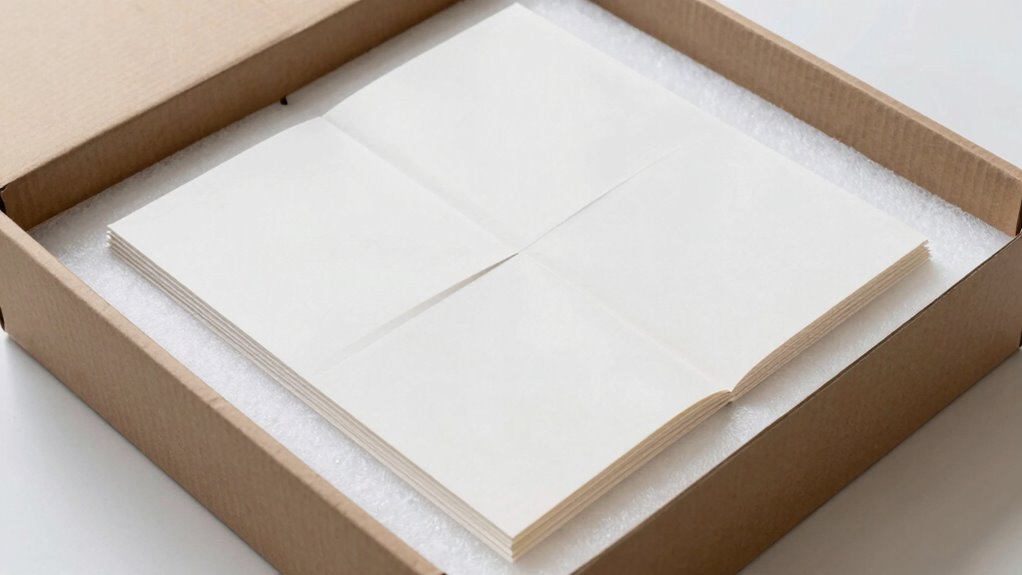
To fold and insert prints safely, you need to handle the paper with care to prevent creases and tears. Gently fold the print along its natural lines or use a clean, flat surface for precision. Consider framing alternatives, like using a rigid backing or mailing tubes, to avoid unnecessary folding altogether. If you prefer not to fold, digital delivery offers a risk-free way to share artwork without any physical damage. When inserting the print into a protective sleeve or mailing envelope, guarantee it’s laid flat, with no sharp bends. Use acid-free tissue paper to cushion the surface and prevent friction. Taking these steps minimizes stress on the paper, ensuring your prints arrive intact and crease-free, whether you opt for careful folding or digital sharing.
acid-free tissue paper for art shipping
As an affiliate, we earn on qualifying purchases.
As an affiliate, we earn on qualifying purchases.
Tips for Reinforcing Edges and Corners
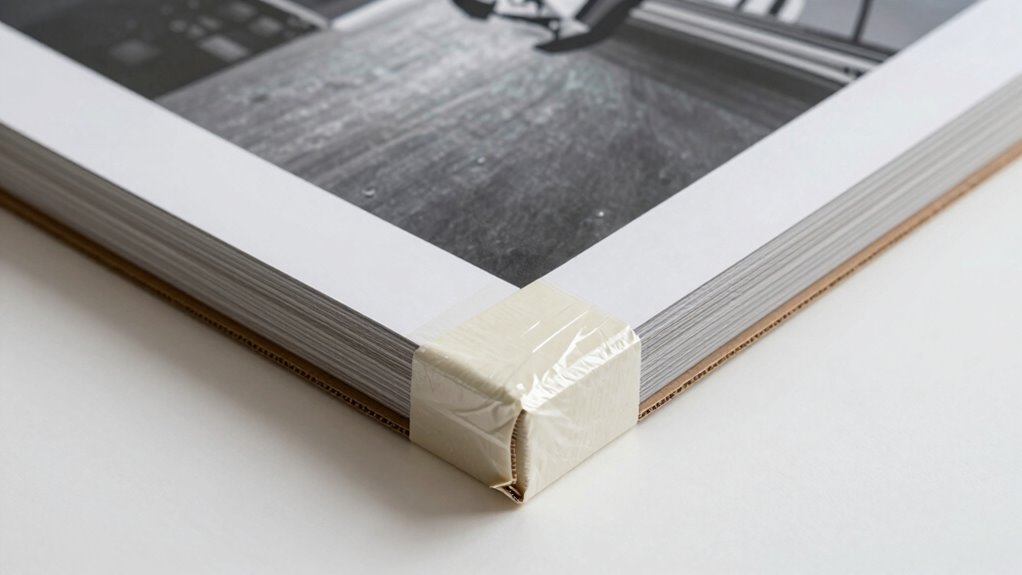
Reinforcing the edges and corners of your prints can substantially reduce the risk of tears and damage during handling and transit. Use edge reinforcement by applying sturdy tape along the borders, guaranteeing the entire length is protected. This helps prevent fraying or splitting when the print is handled or packed tightly. Additionally, proper packaging techniques can further enhance the protection of your prints. Incorporating projector installation best practices, such as ensuring a stable environment during packing, can also contribute to the overall safety of your prints. Corner padding is equally important; add foam or corner protectors to absorb shocks and prevent bending at the most vulnerable points. Secure the padding with tape to keep it firmly in place. Combining edge reinforcement with corner padding creates a strong shield around your print, reducing the likelihood of creases or tears. Properly reinforced edges and corners ensure your prints arrive intact and in perfect condition. Furthermore, the preservation of delicate items like prints can be compared to the care taken in maintaining Italian gelato culture, which emphasizes attention to detail and quality. Additionally, many retailers have specific return policies that can affect how prints are handled after shipping. Implementing these strategies can be as crucial as understanding tax planning strategies, which help ensure that valuable items are protected both financially and physically during transitions.
foam corner protectors for artwork
As an affiliate, we earn on qualifying purchases.
As an affiliate, we earn on qualifying purchases.
Choosing the Best Materials for Shipping Prints

Choosing the Best Materials for Shipping Prints
When choosing materials for shipping prints, you want protective packaging options that prevent bending and damage during transit. Archival quality materials are essential to preserve the print’s color and paper integrity over time. Selecting the right combination can make all the difference in keeping your prints flawless upon arrival. Additionally, incorporating cultural festivals that celebrate local heritage can inspire unique packaging designs that resonate with your audience. Embracing inner strength through careful packing choices can enhance not only the protection of your prints but also your confidence in their safe arrival. Using lightweight designs can further ensure that your packaging remains efficient and easy to handle during shipping. Furthermore, understanding the importance of sound healing techniques can inspire calming designs that create a positive experience for the recipient. It’s also important to consider necessary cookies when creating an online store for your prints, as they help ensure a seamless user experience.
Protective Packaging Options
Choosing the right materials for shipping prints is essential to prevent creases and damage during transit. You should select protective packaging that handles fragile surfaces carefully, such as rigid tubes or flat mailers with cushioning. Trusted businesses can provide high-quality materials specifically designed for this purpose. Foam sheets, corner protectors, and acid-free tissue paper help shield prints from impacts and scratches. When wrapping, avoid tight folds that could cause creases; instead, use smooth, padded layers. Proper labeling for safety is key—mark packages as fragile and handle with care to alert carriers. Clear labels also prevent mishandling, reducing risk during transit. Investing in sturdy, appropriate materials ensures your prints arrive in pristine condition, maintaining quality and value. Water damage can also be a concern during shipping, so always review packaging options to match the print’s fragility and shipping distance for ideal protection. Additionally, implementing smart home safety measures can help ensure that your packages are kept secure during transit. Incorporating smart pool automation features in your home can enhance overall safety while managing your shipping logistics. Choosing the right protective packaging materials can significantly improve testing accuracy to ensure your prints are delivered without damage.
Archival Quality Materials
Using the right materials that are designed for long-term preservation can make a significant difference in maintaining the quality of your prints during shipping. Archival quality materials, such as acid-free papers, buffered boards, and pH-neutral sleeves, help prevent deterioration and fading. These materials support art preservation by protecting prints from environmental factors like moisture, light, and pollutants. Additionally, choosing environmentally friendly packing options, like recycled or biodegradable fillers and papers, aligns with sustainable practices. Incorporating eco-friendly natural pools into your packing approach not only benefits the environment but also enhances the overall quality of your shipping materials. Ensuring all packaging components meet archival standards keeps your prints safe and in pristine condition, even during transit. Investing in high-quality, preservation-focused materials ultimately safeguards your artwork’s integrity and longevity, making sure it arrives in perfect condition and retains its visual impact. Incorporating robust contingency plans can also help mitigate risks associated with potential shipping disruptions. Moreover, utilizing smart locks for securing storage areas can further protect valuable prints during handling and transport.
Common Packing Mistakes and How to Avoid Them
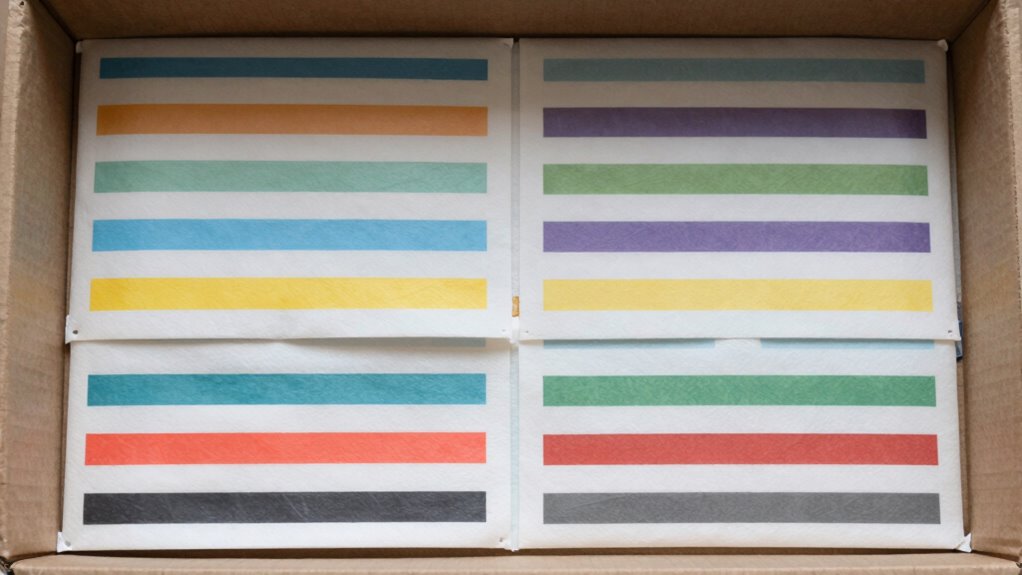
One common mistake is overstuffing your packaging, which can crush your prints during transit. Ignoring proper cushioning leaves your prints vulnerable to damage and creases. To protect your artwork, make sure to use adequate padding and avoid squeezing everything into a small space. Additionally, consider the derating factors such as altitude and temperature that can affect the materials used in your packing. Proper safety tips for handling tools can also help ensure that your packing process is efficient and minimizes risks.
Overstuffing Packaging Materials
Ever wonder why a package sometimes arrives with prints creased or damaged? Overstuffing packaging materials is a common mistake that can ruin your artistic presentation. When you fill a box too tightly, prints are forced against hard surfaces or other items, increasing the risk of creases and bends during transit. This not only damages the artwork but also diminishes the customer unboxing experience. Instead, use enough padding to cushion your prints without overloading the box. Proper packing allows the prints to stay stable and protected, ensuring they arrive in pristine condition. Remember, the goal is to balance sufficient protection with a clean, professional presentation that delights your customer from the moment they open the package.
Ignoring Proper Cushioning
Ignoring proper cushioning is a frequent mistake that can lead to damaged prints during shipping. Without adequate padding, prints are vulnerable to impacts and rough handling. Using effective framing techniques, like foam corners or rigid backing, helps secure the print and absorbs shocks. When considering display methods, choose protective sleeves or sturdy tubes to prevent bending or creasing. Avoid thin or flimsy packaging materials that don’t provide enough support. Instead, add bubble wrap or foam sheets around the print, making sure it stays stable inside the box. Proper cushioning not only prevents damage but also reduces movement, which is essential during transit. By paying attention to these details, you’ll protect your prints and guarantee they arrive in perfect condition, ready for framing or display.
Final Checks Before Shipping Your Prints
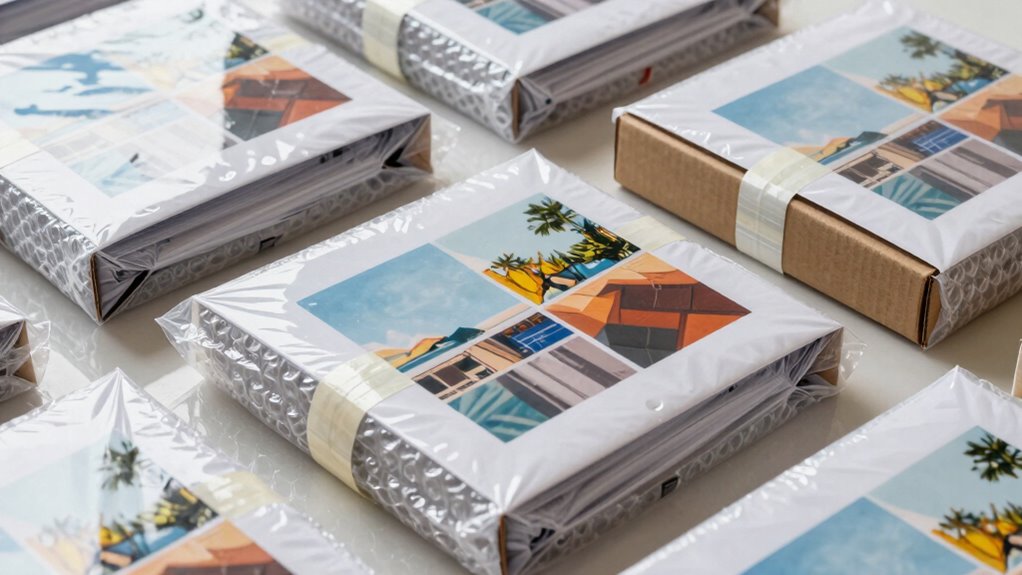
Before you seal and ship your prints, it’s essential to perform some final checks to guarantee they arrive in perfect condition. First, examine each print for any defects, smudges, or misalignments. Confirm the packaging is secure, with proper cushioning and the correct placement of prints inside the protective layers. Verify that labels and addresses are clear and correct to avoid delivery issues. Also, review your pricing strategies to confirm the shipping costs are accurately calculated and clearly communicated to buyers. Consider your marketing techniques—adding a personalized note or promotional material can enhance customer experience. Finally, double-check that all necessary documentation, such as invoices or customs forms, is complete and correctly filled out. These steps help ensure your prints reach clients safely and professionally.
Frequently Asked Questions
How Do Different Print Sizes Affect Packing Techniques?
Different print sizes greatly influence your packing techniques. For smaller prints, you can use simple tubes or flat mailers, but larger variations require more robust packing methods. You should adjust your packing method by adding extra padding and choosing sturdier containers for larger prints to prevent creases. By tailoring your approach to print size variations, you guarantee safe shipping and maintain print quality, reducing the risk of damage during transit.
What Are Eco-Friendly Packing Options for Shipping Prints?
Like the wise choices of Da Vinci, opt for eco-friendly packing options that prioritize sustainability. You can use recyclable materials such as kraft paper, cardboard, or bubble wrap made from recycled content. Biodegradable packaging like plant-based plastics or compostable mailers also work well. These options protect your prints while minimizing environmental impact, ensuring your shipping process aligns with eco-conscious values and helps preserve our planet for future masterpieces.
Can Special Coatings on Prints Influence Packing Methods?
Yes, special coatings on prints can influence packing methods. If your print has a glossy or textured surface, you might need to use extra care to prevent scratches or smudges during shipping. Coating durability affects how well the surface resists damage, so choosing the right packing materials—like rigid tubes or reinforced envelopes—is vital. Properly wrapping and protecting coated prints ensures their surface remains pristine upon arrival.
How Do Weather Conditions Impact Shipping Print Protection?
Weather effects, like humidity, rain, and extreme temperatures, can compromise your print protection during shipping. You need to select packing materials that withstand moisture and temperature fluctuations, such as waterproof wraps or rigid tubes. Properly sealing the package and adding protective layers ensures your prints stay safe. By accounting for weather conditions, you prevent damage and keep your prints in pristine condition upon arrival.
Are There Specific Insurance Considerations for Fragile Prints?
Yes, there are specific insurance considerations for fragile prints. You should guarantee your insurance coverage requirements include protection for delicate items against damage or loss during transit. When filing insurance claims, provide detailed documentation and photos of the prints’ condition before shipping. Verify that your policy covers potential damages caused by mishandling, weather, or accidents, so you’re fully protected and can smoothly process claims if issues arise.
Conclusion
Think of your prints as delicate butterflies—you want to protect their wings during the journey. By mastering proper packing geometry and choosing the right materials, you create a sturdy cocoon that safeguards your artwork from creases and damage. When you follow these steps, shipping becomes a smooth flight, ensuring your prints arrive pristine and ready to impress. With careful packing, you’re not just shipping art—you’re delivering a piece of your passion, perfectly preserved.
Fall Picks
fall essentials
As an affiliate, we earn on qualifying purchases.