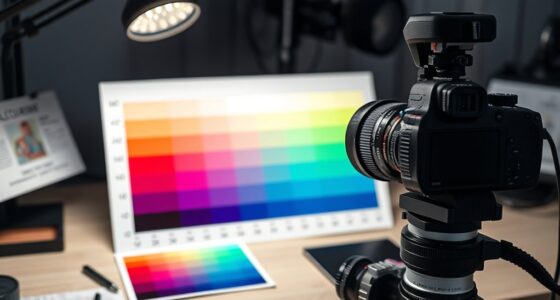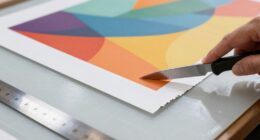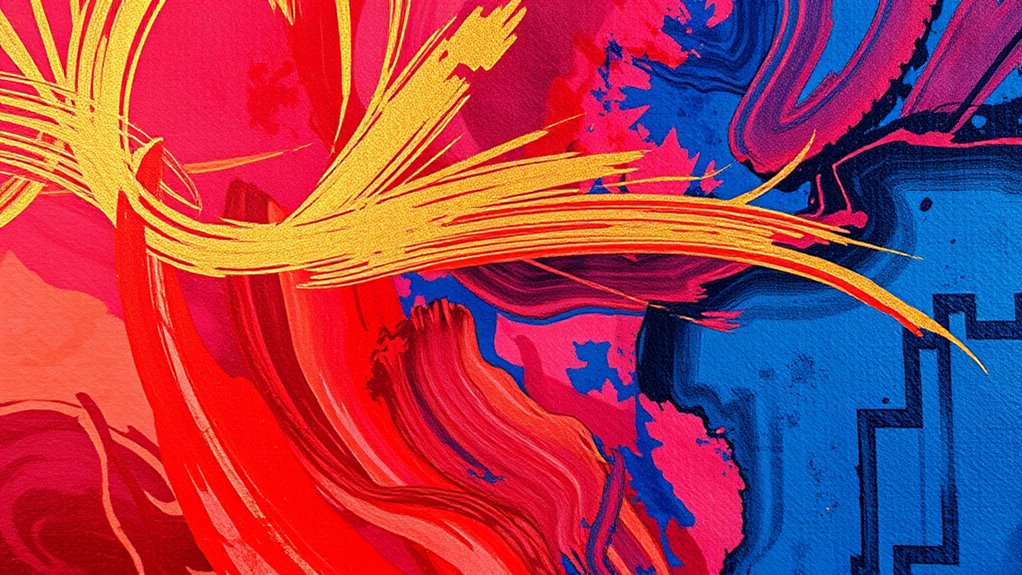
Digital printmaking combines traditional art techniques with modern technology to expand your creative options. Using advanced inkjet printers, you can produce highly detailed and textured prints directly from digital files. Layering images and adjusting colors digitally allows you to create depth and richness like traditional glazing. This method offers versatile production, easy reproduction, and lasting materials. Keep exploring how this blend of tradition and tech can transform your artistic practice and push boundaries.
Key Takeaways
- Digital printmaking merges traditional artistic techniques with modern inkjet technology for innovative creation and reproduction.
- Layering digital images enhances depth, echoing traditional glazing and watercolor effects in a contemporary format.
- Software tools enable precise manipulation of layers and effects, blending manual artistry with digital control.
- The process allows for versatile production, including unique and reproducible editions, expanding artistic possibilities.
- Understanding material properties optimizes print durability and appearance, combining traditional craftsmanship with technological advancements.
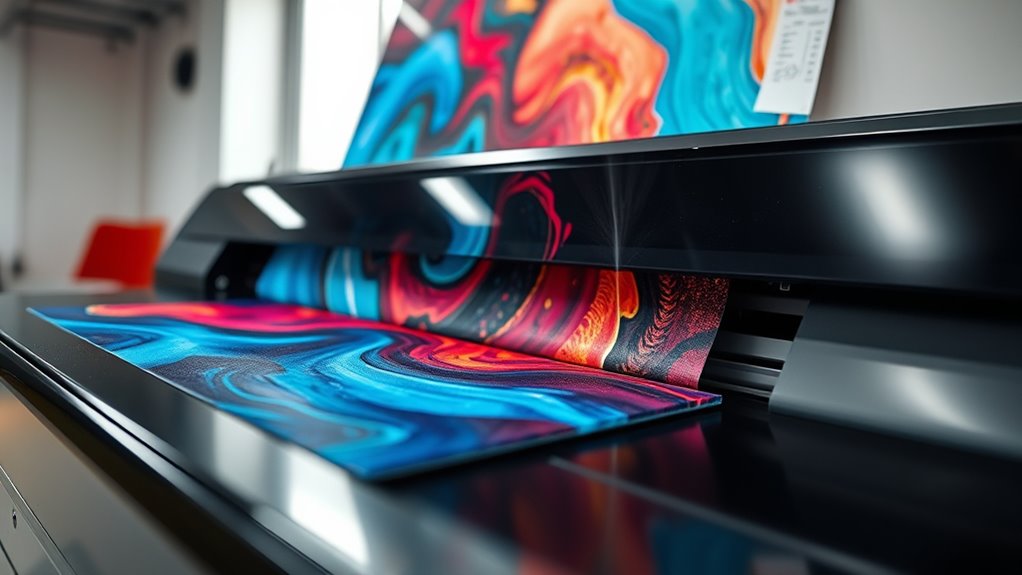
Digital printmaking has revolutionized the way artists create and reproduce images, offering unprecedented precision and flexibility. With the advent of inkjet techniques, artists can now produce highly detailed prints directly from digital files. These techniques utilize advanced inkjet printers that spray tiny droplets of ink onto various surfaces, capturing subtle gradations of color and tone. Unlike traditional methods, inkjet techniques allow for a vast range of textures and finishes, enabling artists to experiment with different paper types, canvas textures, and even unconventional materials. This flexibility opens up new avenues for creativity, allowing you to realize complex visions that were once difficult or impossible to achieve by hand.
Digital layering is another key feature that enhances the capabilities of digital printmaking. This process involves stacking multiple digital images or color layers within a single print, creating depth and richness that mimic traditional techniques like glazing or watercolor washes. You can seamlessly combine photographic elements with painterly effects, blending images digitally to achieve a harmonious final piece. Digital layering also enables you to make precise adjustments at each stage, ensuring perfect alignment and color harmony. This control reduces waste and saves time, streamlining the creative process while maintaining high quality.
Moreover, digital printmaking’s integration with inkjet techniques means you can easily manipulate layers and effects using software like Photoshop or Illustrator before hitting the print button. This digital control allows for complex compositions, intricate details, and subtle tonal variations that enhance the overall visual impact. You’re no longer limited by the constraints of traditional printmaking, such as the need for extensive manual skill or lengthy setup times. Instead, you can focus on the artistic concept, experimenting with different digital layers and inkjet settings to find the perfect balance.
Another advantage of combining inkjet techniques with digital layering is the ability to produce small editions or unique, one-of-a-kind pieces without sacrificing quality. You can create multiple prints from a single digital file, each with slight variations or personalized touches, making your work more versatile and marketable. Plus, digital printmaking allows for easy reproduction and distribution, so your art can reach a wider audience without losing its original integrity. Additionally, understanding the physical properties of different materials used in printmaking can help optimize the longevity and appearance of your prints. Whether you’re working on fine art prints, commercial projects, or experimental pieces, the interplay of inkjet techniques and digital layering empowers you to push the boundaries of traditional printmaking while embracing the advantages of modern technology.
PPD Watercolor Printer & Printable Fine Art Paper for Inkjet Printer, Textured Giclee Archival Acid Free Paper 8.5 x 11, Professional Grade, Heavyweight 240 gsm/64 lb (25 Sheets)`
High Quality Inkjet Watercolor Paper: This premium 8.5 x 11 inch, 240 gsm (64 lb) fine art paper…
As an affiliate, we earn on qualifying purchases.
As an affiliate, we earn on qualifying purchases.
Frequently Asked Questions
What Are the Environmental Impacts of Digital Printmaking?
Digital printmaking can have environmental impacts, but you can minimize them by adopting eco-friendly practices and focusing on material sustainability. You reduce waste by using digital files instead of large quantities of physical materials, and you can choose sustainable inks and papers. Being conscious of these factors helps lessen pollution and resource consumption, making your digital printmaking process more environmentally responsible while still producing high-quality art.
How Does Digital Printmaking Influence Traditional Art Markets?
Imagine traditional galleries opening their doors wider, welcoming digital printmaking’s vibrant new wave. You see how market accessibility skyrockets, allowing artists to reach global audiences instantly. Digital tools foster artistic innovation, blending classic techniques with modern technology. This shift challenges established norms, democratizing art creation and sales. As a result, traditional art markets evolve, embracing digital printmaking’s fresh perspective, making art more inclusive, dynamic, and interconnected than ever before.
Can Digital Printmaking Replicate Historical Print Techniques?
Yes, digital printmaking can replicate historical print techniques through technique adaptation and attention to historical accuracy. You can use specialized software and printers to mimic processes like woodblock or lithography, capturing the textures and details authentically. While it may not fully replace traditional methods, digital tools allow you to achieve a high level of historical accuracy, making it a valuable option for reproducing classic styles with precision and efficiency.
What Skills Are Needed for Artists to Start Digital Printmaking?
Did you know 68% of artists adopted digital tools in their work by 2022? To start digital printmaking, you need strong digital skills and technical knowledge of printers, software, and image editing. You should also understand color management and file formats. Practice using digital devices confidently, and stay curious about new technology. With these skills, you’ll be well-equipped to explore the creative possibilities digital printmaking offers.
How Do Print Longevity and Archival Quality Compare?
You’ll find that print longevity and archival quality depend on materials and techniques. Digital prints with high-quality inks and acid-free papers offer superior print durability and archival stability, ensuring your artwork lasts decades without fading. Cheaper options may degrade faster, losing color and detail over time. To maximize longevity, always choose archival-grade materials, handle your prints carefully, and store them in proper conditions to preserve their quality for the long term.
![MixPad Free Multitrack Recording Studio and Music Mixing Software [Download]](https://m.media-amazon.com/images/I/71ltIxIuz1L._SL500_.jpg)
MixPad Free Multitrack Recording Studio and Music Mixing Software [Download]
Create a mix using audio, music and voice tracks and recordings.
As an affiliate, we earn on qualifying purchases.
As an affiliate, we earn on qualifying purchases.
Conclusion
As you explore the evolving world of digital printmaking, you’ll realize it’s more than just a blend of tradition and technology—it’s a gateway to endless creative possibilities. But as you push boundaries and experiment further, what unexpected innovations might emerge? The future of printmaking remains shrouded in mystery, waiting for you to uncover its next chapter. Stay curious, because the next breakthrough could be just around the corner, forever changing your artistic journey.

Strathmore 59-701 Textured Inkjet Paper, 8.5"x11", 25 Sheets , White, Packaging May Vary
Inkjet Paper Texture
As an affiliate, we earn on qualifying purchases.
As an affiliate, we earn on qualifying purchases.

Premium Custom Photo Prints & Posters – Upload Your Own Image, Professional Image Enhancement Included. As low as $0.55 each. (4"x6")
Custom Photo Prints & Posters: Turn your images into high-quality prints or posters. Ideal for photographs, digital artwork,…
As an affiliate, we earn on qualifying purchases.
As an affiliate, we earn on qualifying purchases.