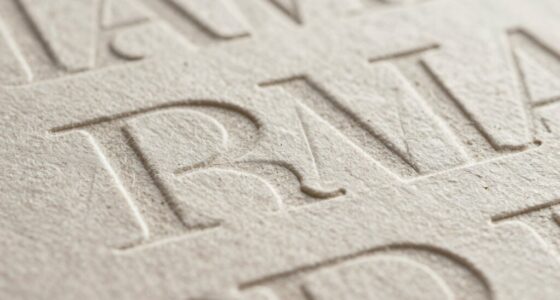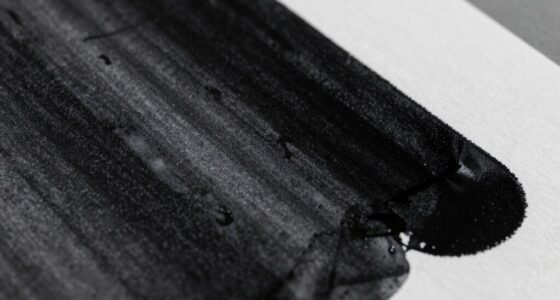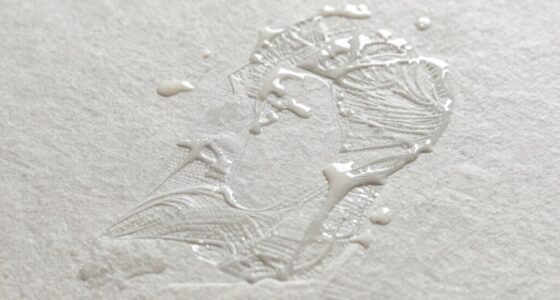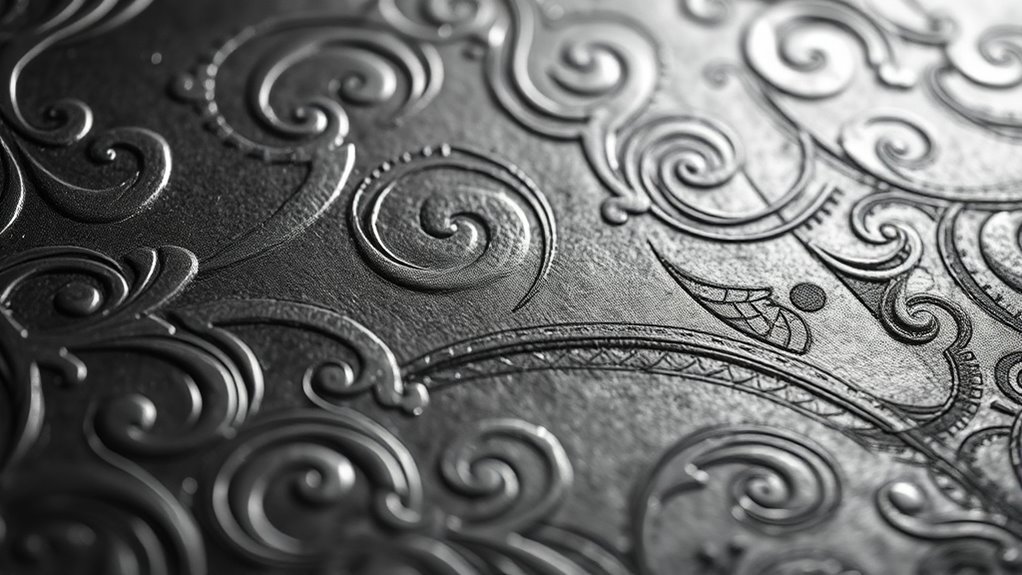

Intaglio printmaking involves carving or etching designs into metal plates using techniques like engraving, etching, and mezzotint. With engraving, you cut directly into the metal for fine lines, while etching uses acid to create grooves after applying a wax ground. Mezzotint produces tonal variations by creating textured surfaces. Each method requires precision, patience, and skill. To master these techniques and understand how they produce rich, detailed images, keep exploring further.

Get art and craft supplies delivered free — and shop member deals
- Fast, free delivery on millions of items
- Access to Prime Big Deal Days deals on October 6–7
- Prime Video, Amazon Music and more included
Key Takeaways
- Intaglio printmaking involves incising designs into a metal plate, which is then inked and pressed onto paper to create detailed images.
- Engraving uses sharp tools for precise, fine lines directly carved into the plate surface.
- Etching employs acid to carve into a wax-covered plate, creating grooves for ink retention.
- Mezzotint creates tonal variations by roughening the plate surface with a rocker, producing rich gradations.
- Proper plate preparation, inking, wiping, and edition management ensure high-quality, consistent prints.
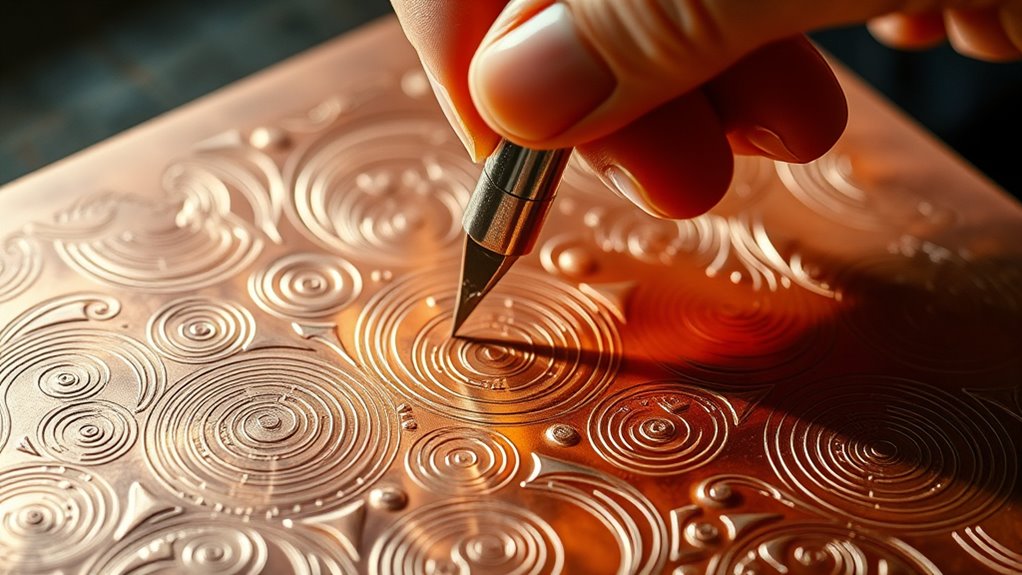
Have you ever wondered how artists create detailed, textured prints with striking depth? The secret lies in intaglio printmaking, a process where designs are incised into a metal plate, typically copper or zinc, creating recessed areas that hold ink. To produce a successful print, you start with careful plate preparation. This involves cleaning the metal surface thoroughly to guarantee no dirt or grease interferes with the etching or engraving process. You may then polish or scratch the plate to achieve a smooth or textured surface, depending on your desired effect. In etching, you cover the plate with a waxy ground that resists acid, allowing you to draw your design directly onto the surface. When you immerse the plate in acid, the exposed metal is etched away, creating grooves that will hold ink. For engraving, you use sharp tools to carve into the metal directly, producing fine lines and textures. In mezzotint, you work with a rocker to create a textured surface that holds ink in varying degrees, allowing for rich tonal gradations. Each of these techniques requires precision and patience, but the results are deeply expressive.
Once your plate is prepared and your design is ready, you move on to print edition management. This step is vital because it determines the quality and consistency of each print. You apply ink to the plate, ensuring it fills all the recessed areas thoroughly. Excess ink is then carefully wiped from the surface, leaving ink only in the incised lines or textured areas. When you’re ready to print, you place the plate on a press along with dampened paper, often handmade or of high quality, to guarantee ideal ink transfer. Running the plate and paper through the press applies even pressure, pressing the ink into the paper’s fibers and revealing your design with remarkable detail and texture.
As you produce each print, you keep track of editions—sets of prints made from the same plate. Managing these editions involves numbering and signing each print, and often setting limits on how many copies are produced to maintain value and exclusivity. Proper edition management ensures each print remains consistent in quality, and you can also decide whether to create unique impressions or keep multiple copies identical. This control over the process helps preserve the integrity of your artwork, making each print a valuable piece of your creative expression. By mastering plate preparation and print edition management, you harness the full potential of intaglio printmaking, resulting in artworks that are rich in texture, depth, and detail.
intaglio printmaking engraving tools
As an affiliate, we earn on qualifying purchases.
As an affiliate, we earn on qualifying purchases.
Frequently Asked Questions
What Are the Environmental Impacts of Intaglio Printmaking?
You should know that intaglio printmaking impacts the environment through chemical waste from etching and engraving processes, which can pollute water and soil if not properly managed. Fortunately, you can reduce these effects by practicing resource conservation, like recycling chemicals and using eco-friendly alternatives. Being mindful of waste disposal and limiting chemical use helps protect ecosystems while allowing you to create art responsibly.
How Do Different Metal Plates Affect Print Quality?
Different metal plate materials and surface textures greatly influence your print quality. Copper plates, with their smooth surface, produce fine, detailed lines, while steel plates are more durable but may yield slightly less detail. Textured plates, like those with a rough or etched surface, create richer, more varied tones and lines. Your choice of metal and surface texture directly impacts the sharpness, tonal range, and overall aesthetic of your prints.
What Safety Precautions Are Necessary for Etching Acids?
When handling etching acids, you must prioritize safety. Always wear protective gear like gloves, goggles, and a lab apron to prevent acid burns or splashes. Work in a well-ventilated area to avoid inhaling fumes. Carefully follow acid handling procedures, including proper storage and disposal. Never pour acids down the drain, and keep a neutralizing agent nearby in case of spills. Your safety depends on cautious, informed acid handling.
How Does Digital Technology Influence Traditional Intaglio Methods?
Imagine a painter using a tablet instead of a traditional palette—digital technology reshapes how you approach intaglio. It influences traditional methods by enabling digital techniques that streamline design, proofing, and transferring images. You can now explore hybrid printmaking, combining classical techniques with digital tools, enhancing precision and creativity. This fusion opens new artistic possibilities, making traditional intaglio more accessible and versatile, inspiring you to innovate while preserving timeless craftsmanship.
Can Intaglio Techniques Be Combined With Other Printmaking Styles?
Yes, you can combine intaglio techniques with other printmaking styles to create mixed media artworks. By layering printing methods, you add depth and complexity, blending intaglio with relief, screen, or monotype processes. This approach allows you to experiment with textures and effects, enriching your pieces. You’ll find that layered printing not only enhances visual interest but also opens new creative possibilities, making your work more dynamic and unique.
metal etching plates copper zinc
As an affiliate, we earn on qualifying purchases.
As an affiliate, we earn on qualifying purchases.
Conclusion
Now that you’ve navigated the nuances of intaglio printmaking, you’re no longer a novice but a knowledgeable artist. With engraving’s precision, etching’s expressiveness, and mezzotint’s moodiness, you can masterful manipulate metal and mark your masterpiece. So, start sketching, scratching, and shaping your signature style—because, in intaglio, imagination ignites inspiring images. Immerse yourself, develop daring designs, and delight in the dynamic dance of detail and depth!
As an affiliate, we earn on qualifying purchases.
As an affiliate, we earn on qualifying purchases.
Fall Picks
fall essentials
As an affiliate, we earn on qualifying purchases.