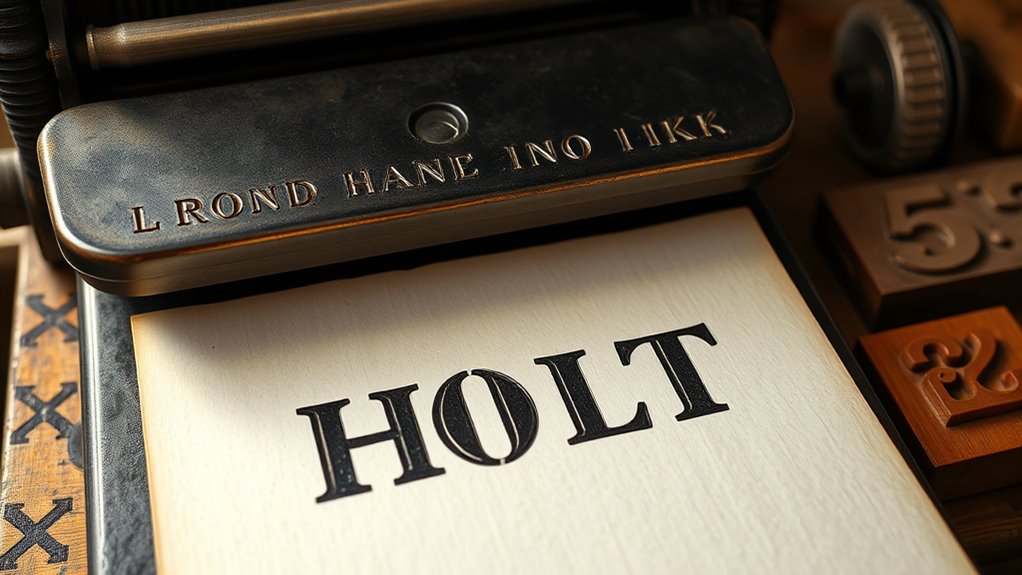

Letterpress printing is a timeless craft that combines traditional equipment like hand-operated or modern presses with specialized inks to produce textured, high-quality prints. By choosing the right press and mastering ink application, you can achieve unique textures, crisp details, and vibrant effects. Whether you’re creating artful stationery or limited editions, understanding the mechanics and materials makes a difference. Keep exploring, and you’ll uncover how to bring your creative visions to life through this enthralling craft.

Get art and craft supplies delivered free with Prime
- Fast, free delivery on millions of items
- Prime Video, Amazon Music and more included
- Member-only deals all year
Key Takeaways
- Understand different press types (hand-operated, platen, cylinder) to choose the right equipment for your project.
- Learn ink formulations and application techniques to achieve desired textures and print quality.
- Explore modern tools and materials that blend traditional craftsmanship with contemporary efficiency.
- Master mechanics and adjustments to produce consistent, high-quality letterpress prints.
- Combine knowledge of press and ink to create unique, artistic, and tactile printed works.

Have you ever wondered how vintage books and elegant invitations achieve their distinctive, tactile quality? It all comes down to the art of letterpress printing, a craft that combines precision, craftsmanship, and a deep understanding of tools and materials. At its core, letterpress involves pressing inked type or images onto paper to create a crisp, textured impression. To master this craft, you need to familiarize yourself with the different types of presses available. Hand-operated platen presses, like the historic Chandler & Price, offer a hands-on experience and a nostalgic feel, while modern screw and motorized presses provide increased efficiency for larger runs. Each type has its unique advantages: platen presses excel in detail and control, whereas cylinder presses are better suited for high-volume printing. Whichever you choose, understanding the mechanics helps you produce consistent, high-quality results.
Discover how different presses impact the texture and quality of your letterpress creations.
Equally important is understanding ink formulations. Unlike digital printing, letterpress relies on specially formulated inks that are thicker and more viscous. These inks are designed to transfer evenly from the type to the paper, creating that rich, tactile impression you’re after. Oil-based inks are traditional, providing durability and a deep, lustrous finish, perfect for artisanal projects. Water-based inks have gained popularity for their eco-friendliness and ease of cleanup, though they may require different techniques to achieve the same vibrancy. The consistency of your ink is essential; too thick, and it won’t spread evenly; too thin, and the impression will lack depth. You’ll need to experiment with formulations to find the right balance for your specific type of press, paper, and design.
As you work with these ink formulations, you’ll also start to appreciate the importance of proper ink coverage and registration. Applying ink too heavily can cause smudging or uneven impressions, while too little results in faint images. Adjusting the ink’s viscosity and applying it with the right brayers or rollers ensures you get a clean, crisp print every time. Furthermore, understanding the properties of different inks helps you create effects like subtle shading or bold contrasts, giving your prints character and depth. Additionally, mastering the types of presses used in letterpress printing allows you to choose the best equipment for your desired projects and production volume.
Mastering the interplay between types of presses and ink formulations is essential to producing beautifully tactile prints. Whether you’re crafting vintage-style stationery or limited-edition art prints, knowing your tools and materials lets you bring your vision to life with confidence. This blend of technique and artistry is what makes letterpress printing a timeless craft—an art form that continues to thrive in the modern world.
As an affiliate, we earn on qualifying purchases.
Frequently Asked Questions
How Long Does It Take to Learn Letterpress Printing?
It takes a few months to become comfortable with letterpress printing, but mastering it can take years. You’ll start with a history overview to understand its roots and then immerse yourself in hands-on practice. As you learn, you can explore creative project ideas like custom cards or posters. Consistent practice helps you improve, and over time, you’ll develop your own style and techniques in this timeless craft.
What Are the Best Tools for Beginners?
Imagine you’re stepping into a vintage print shop, feeling inspired. For beginners, the best tools include a small tabletop platen press or a proof press, which are types of presses perfect for learning. Essential tools also include a drafting compass, metal and wood type, a composing stick, and ink knives. These basics help you grasp the craft, making your journey into letterpress both enjoyable and manageable.
How Much Does Professional Letterpress Equipment Cost?
Professional letterpress equipment can cost anywhere from $5,000 to $20,000, depending on the age, size, and condition of the presses. While exploring letterpress history, you’ll appreciate how modern gear reduces environmental impact compared to vintage machines. Investing in quality tools guarantees your craft remains sustainable and authentic. Keep in mind, pricing varies based on features and whether you buy new or used equipment, so research thoroughly.
Can Letterpress Be Integrated With Digital Design?
While it might seem like a delicate dance, you can definitely blend letterpress with digital design through digital integration. This allows you to create hybrid printing pieces that combine the charm of traditional letterpress with the precision of digital tools. Embracing this approach enriches your craft, offering flexibility and innovation. So, yes, integrating digital design into letterpress isn’t just possible—it’s a way to elevate your entire creative process.
What Are Common Challenges Faced by New Printers?
As a new printer, you’ll face challenges like mastering typography history to choose the right typefaces and understanding ink formulation for crisp, consistent prints. You’ll need patience to troubleshoot uneven impressions and alignment issues, and practice to develop a steady hand. Embrace these hurdles as part of the learning process, and soon you’ll refine your skills, creating beautiful prints that honor the craft’s rich history.
As an affiliate, we earn on qualifying purchases.
Conclusion
You’ve discovered that letterpress printing blends history with modern creativity, making it a timeless craft worth exploring. Did you know that the global printing industry is valued at over $140 billion, yet traditional letterpress remains a niche art form appreciated by enthusiasts? Embracing this craft not only connects you to centuries of artisanship but also keeps a valuable skill alive. So, pick up a press and bring your unique designs to life—you’re part of a rich, enduring legacy.
As an affiliate, we earn on qualifying purchases.
As an affiliate, we earn on qualifying purchases.
Halloween Picks
halloween
As an affiliate, we earn on qualifying purchases.