To guarantee your paintings look professional and last long, focus on proper canvas stretching and framing. Keep tension even on all sides using quality stretcher bars and staple your canvas securely, but avoid pulling too tight. Choose frames that complement your artwork and consider UV-protective glass or acid-free materials. Handling with care and following conservation techniques help preserve your work. If you want to master these skills, there’s more to discover ahead.
Key Takeaways
- Ensure even tension during stretching to prevent sagging, warping, or damage to the canvas.
- Use quality stretcher bars and secure the canvas tightly with staples or tacks for durability.
- Select frames that complement the artwork’s style, considering depth, color, and material for a polished presentation.
- Incorporate conservation techniques like acid-free backing and UV-protective glass to preserve the painting.
- Handle canvases with care, using gloves and proper materials, to maintain integrity during stretching and framing.
When preparing your artwork for display, properly stretching and framing your canvas can make all the difference in preserving its appearance and integrity. A well-stretched canvas ensures your painting looks professional and prevents sagging or warping over time. When you take the time to understand gallery presentation standards, you can enhance the visual impact of your piece, making it more appealing to viewers and curators alike. Using appropriate conservation techniques during the stretching process is essential to protect your artwork from environmental damage, such as fluctuations in humidity or temperature, which can cause deterioration or cracking.
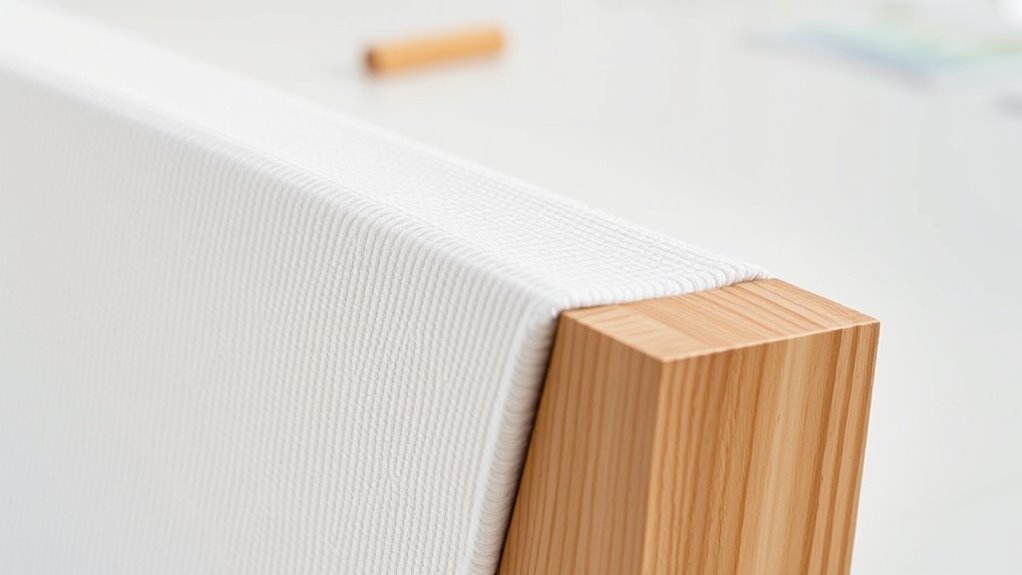
To achieve a polished gallery presentation, start with selecting the right materials. High-quality stretcher bars provide a sturdy framework that maintains tension without warping. When you stretch your canvas, keep the tension even across all sides, using a staple gun or tacking method that secures the fabric tightly. Remember, too loose, and your painting may sag; too tight, and you risk damaging the canvas or causing distortions. Properly stretched canvases not only look cleaner but also help in maintaining the artwork’s overall stability, which is *indispensable* during framing and display. Additionally, understanding the importance of canvas stretching techniques can help you achieve a more durable and professional result.
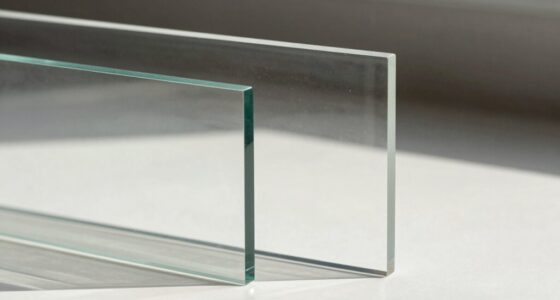
Framing your canvas correctly is equally *indispensable*. You want a frame that complements your artwork without overpowering it. When you choose a frame, consider its depth, color, and style to match the mood of your painting. A well-chosen frame can elevate your artwork, making it stand out in a gallery setting. For added protection, consider using UV-protective glass or acrylic when framing, which shields your painting from harmful light exposure, preserving its colors over time.
Incorporate conservation techniques throughout the framing process to extend your artwork’s lifespan. For instance, using acid-free materials for backing and lining prevents acid migration that can cause discoloration or deterioration. When you handle your canvas during stretching and framing, wear gloves to avoid transferring oils or dirt. Properly secured and protected, your canvas will be more resistant to environmental stressors and easier to maintain.
Ultimately, the combination of meticulous stretching and framing, guided by conservation techniques, ensures your painting looks its best in a gallery presentation. These steps not only enhance the aesthetic appeal but also serve as a safeguard, keeping your artwork safe for years to come. By paying attention to the details in these preparation stages, you demonstrate your professionalism as an artist and respect for your work, making sure it shines and endures in any exhibition setting.

ECOIOU DIY Canvas Stretcher Bars 16×20 Inch Canvas Frame, Sturdy Stretcher Frames for Oil Paintings, Prints, Paint by Numbers & Posters(Need Extra Size to wrap Around The Frame)
- Versatile Usage: Suitable for canvases, paintings, posters
- Complete Package: Includes 4 stretcher bars, tacks, and instructions
- High-Quality Material: Made of durable pine wood with rounded edges
As an affiliate, we earn on qualifying purchases.
As an affiliate, we earn on qualifying purchases.
Frequently Asked Questions
How Do I Prevent Warping During Stretching?
To prevent warping during stretching, you should guarantee proper canvas tension from the start. Use even stretching techniques, working gradually around the frame, tightening the canvas evenly. Avoid overstretching, which can cause distortion. Keep the canvas in a stable environment with consistent temperature and humidity. Regularly check tension as you work, adjusting gently if needed. Proper stretching techniques and maintaining ideal conditions will help your canvas stay flat and warping-free.
What Materials Are Best for Framing Canvases?
Imagine you’re framing a vibrant landscape painting; choosing the right materials makes all the difference. You should opt for acid-free matboard and sturdy hardwood frame moldings like oak or maple to guarantee durability. For glazing options, acrylic provides lightweight protection and reduces glare, perfect for daily display. These materials prevent warping, protect your artwork, and enhance its presentation, giving it a professional and lasting finish.
How Tight Should the Canvas Be Stretched?
You should aim for a medium to high canvas tension, ensuring the surface is taut but not overly tight to prevent warping. Use proper stretching techniques, like evenly gripping the sides and gradually tightening the staples, to achieve consistent tension. Check the tension regularly as you stretch, making sure it remains firm without causing stress on the canvas fibers. This balance helps your painting stay smooth and durable over time.
Can I Stretch a Canvas Over an Uneven Surface?
Yes, you can stretch a canvas over an uneven surface, but you need to guarantee proper surface preparation. First, smooth out the surface as much as possible, filling in gaps or irregularities. Adjust the canvas tension carefully as you stretch; avoid making it too tight or too loose. This approach helps prevent future cracking or warping, ensuring your painting remains stable and durable over time.
How Do I Store Stretched Canvases Long-Term?
To store your stretched canvases long-term, you should use proper canvas storage techniques. Keep them in a cool, dry, and dark environment to prevent damage. Wrap each canvas in archival materials like acid-free paper or bubble wrap, and store them upright or flat to avoid warping. Avoid stacking heavy objects on top, and check periodically for signs of deterioration. Proper storage guarantees your paintings stay pristine for years to come.
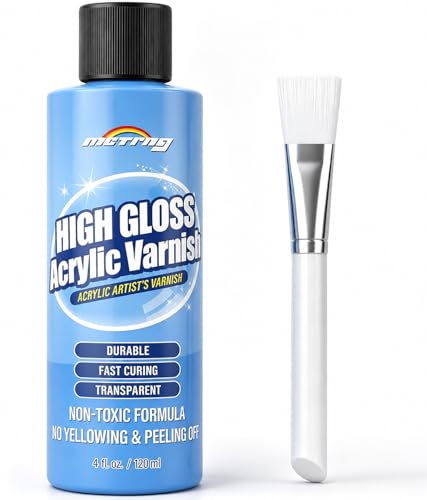
Clear Acrylic Paint Sealer, High Gloss Varnish for Acrylic Painting & Craft
- Crystal-Clear Gloss Finish: Provides a high-gloss, wet-look shine
- Permanent Protective Seal: Seals and protects finished artwork
- Resists Yellowing and Fading: Protects against UV, water, and dust
As an affiliate, we earn on qualifying purchases.
As an affiliate, we earn on qualifying purchases.
Conclusion
As you finish stretching and framing your canvas, imagine it as a window to your soul—each stretch a breath of life, each frame a frame of mind. Your artwork becomes a bridge between your inner world and the viewer, symbolizing connection and expression. By carefully preparing your canvas, you’re not just protecting your masterpiece—you’re opening a door to endless possibilities, inviting others to see the vibrant story that lies within each brushstroke.

Lineco Frame Backing Paper, 20×72'' Rolls, 0.006'' Thickness, Light Gray
- Acid-Free and Buffered: Preserves artwork with calcium carbonate buffer
- Moderate Porosity: Allows breathability and clean cuts
- High-Quality Material: Enhances framed artwork presentation
As an affiliate, we earn on qualifying purchases.
As an affiliate, we earn on qualifying purchases.
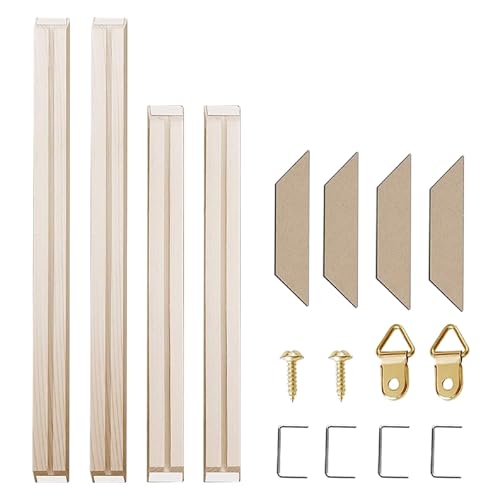
Texas Art DIY Wood Stretcher Bars for Canvas, Solid Wood Frame Kit, Easy to Assemble, Gallery Wrap for Oil Painting, Wall Posters, Customized Wooden Frame Kit for Diamond Painting, White, 36 x 48
- High-Quality Brazilian White Wood: Strong, smooth, and reliable material
- Heavy-Duty Weight Capacity: Supports large and heavy canvases
- Durable and Smooth Finish: Ensures long-lasting stability and a blemish-free surface
As an affiliate, we earn on qualifying purchases.
As an affiliate, we earn on qualifying purchases.