Exploring sumi-e and Chinese ink wash techniques lets you master expressive brushwork rooted in centuries-old traditions. You’ll learn how brush handling, pressure, and stroke speed influence textures and mood, creating everything from soft leaves to rugged mountains. Understanding cultural influences like Zen philosophy and Chinese aesthetics helps you grasp the deeper symbolism behind each stroke. Keep going, and you’ll uncover how these storied methods shape powerful, emotional artworks that connect tradition with your personal expression.
Key Takeaways
- Sumi-e emphasizes simplicity, spontaneous brushwork, and capturing the essence of subjects through minimal strokes rooted in Zen philosophy.
- Chinese ink wash techniques focus on layering ink and water to create textured landscapes and expressive atmospheres.
- Both traditions prioritize expressive brush handling, with Sumi-e often using swift, bold strokes and Chinese painting emphasizing delicate, nuanced textures.
- Cultural influences shape each style’s approach: Zen ideals in Sumi-e stress harmony and mindfulness, while Chinese methods highlight mood and atmosphere.
- Mastery of brush techniques in both styles allows artists to convey emotion, atmosphere, and the spirit of their subjects effectively.

Have you ever wondered how artists capture the beauty of nature with just ink and water? It’s a fascinating process that relies heavily on skillful brush techniques and a deep understanding of historical influences. When you begin exploring ink wash painting, you quickly realize that mastering the brush is essential. The way you hold the brush, the pressure you apply, and the speed of your strokes all influence the final effect. Artists often use varied brush techniques to create different textures, from the delicate, wispy leaves to the rugged mountains. For instance, light, quick strokes can suggest the softness of clouds or flowing water, while heavier, controlled strokes depict rocks and tree trunks with a sense of solidity. These techniques are not arbitrary but are rooted in centuries of tradition, passed down through generations. Historically, Chinese ink wash painting emerged from the desire to express the spirit of nature rather than realistic details, emphasizing mood and atmosphere. Similarly, Japanese sumi-e developed under the influence of Zen philosophy, promoting simplicity and spontaneity. Both traditions emphasize the importance of brushwork as a means of conveying emotion and capturing the essence of the subject. As you explore these techniques, you’ll notice that they are shaped by cultural influences that prioritize harmony, balance, and the flow of energy. Artists often study classic works, absorbing the subtle nuances of brush movement and ink application that define each style. These historical influences are evident in the way strokes are layered, the amount of ink used, and the way ink is diluted with water to produce varying shades of gray. The goal isn’t just to replicate what you see but to evoke a feeling or a mood, making each brushstroke a reflection of your inner experience. Understanding the historical context helps you appreciate the depth behind each mark and guides your practice. As you experiment, you’ll find that the brush techniques you develop become a dialogue between tradition and your own creative expression. Whether you aim for the bold, expressive strokes of Chinese shan shui or the subtle gradations of Japanese sumi-e, knowing the roots of these techniques enriches your art. In essence, mastering brush techniques and understanding the historical influences behind ink wash painting allow you to harness water and ink as powerful tools for storytelling—transforming simple strokes into timeless works of art that resonate with the viewer.
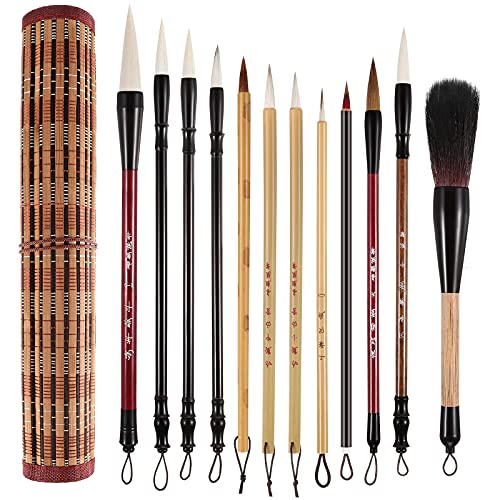
12 Pieces Chinese Calligraphy Brush Set with Sumi Watercolor
- Complete 12-Piece Brush Set: Includes various hair types and sizes
- Includes Brush Roll-Up Holder: Convenient storage and portability
- Exquisite Craftsmanship: Smooth handles and reinforced brush heads
As an affiliate, we earn on qualifying purchases.
As an affiliate, we earn on qualifying purchases.
Frequently Asked Questions
What Are the Origins of Ink Wash Painting?
You should know that ink wash painting originated in China over a thousand years ago, rooted in cultural symbolism and spiritual expression. It evolved through a rich historical journey, influenced by Daoist and Buddhist ideas, emphasizing simplicity and harmony. As you explore this art form, you’ll see how its techniques and symbolism reflect China’s philosophical beliefs, shaping a tradition that spread to Japan and other East Asian cultures, enriching their artistic heritage.
How Does Ink Wash Differ Across Asian Countries?
You’ll find ink wash styles vary across Asian countries more than stars in the sky. Cultural influences shape each region’s approach—Chinese techniques emphasize bold brushstrokes and landscapes, while Japanese sumi-e focuses on simplicity and Zen philosophy. Korean ink painting blends calligraphy with nature scenes, creating regional variations. These differences reflect deep cultural roots, making every piece a unique reflection of its homeland’s artistic soul and philosophical outlook.
What Materials Are Essential for Practicing Sumi‑E?
To practice sumi-e, you need essential materials like traditional brushes, which you’ll use for various brush techniques. You should also select the right paper types, such as rice or mulberry paper, that absorb ink well and allow for fluid strokes. These materials help you achieve the delicate, expressive lines characteristic of sumi-e, enabling you to focus on mastering brush techniques and capturing the essence of your subject with simplicity and elegance.
Can Ink Wash Techniques Be Combined With Other Art Styles?
You can definitely blend ink wash techniques with other art styles, creating a vibrant fusion of textures and ideas. Think of it as painting with a palette of possibilities, where mixed media breathes new life into traditional sumi-e. By combining ink wash with charcoal, watercolors, or digital tools, you craft a unique visual language that bridges cultural techniques and modern innovation, expanding your artistic horizons with exciting fusion techniques.
What Are Common Challenges Beginners Face in Ink Wash Painting?
You might struggle with brush control and color integration when starting ink wash painting. It’s common to find it tricky to create smooth gradients and control ink flow, making your strokes appear uneven. You’ll need patience to master these skills, practicing how to vary pressure and ink density. Focus on steady hand movements and blending techniques to improve your brush control, and experiment with mixing ink and water for seamless color integration.

A Beginner's Guide to Chinese Brush Painting: 35 Painting Activities from Calligraphy to Animals to Landscapes
As an affiliate, we earn on qualifying purchases.
As an affiliate, we earn on qualifying purchases.
Conclusion
As you explore ink wash painting, you’ll uncover a rich world of tradition and artistry. Did you know that sumi-e techniques date back over 700 years? This deep history shows how a simple palette can evoke complex emotions and landscapes. By practicing these Chinese and Japanese methods, you’ll connect with centuries of cultural expression. Keep experimenting, and you’ll find that every brushstroke brings you closer to mastering this timeless art form.

Watercolor Brushes Professional, Fuumuui 10Pcs Synthetic Squirrel Hair Water Color Paint Brush Set for Artists – Flat, Round Pointed, Dagger, Cats Tongue Oval Wash for Watercolor Gouache Inks Painting
- Variety of Brush Shapes and Sizes: Includes pointed, flat, dagger, oval, and cat's tongue
- Ideal for All Skill Levels: Suitable for beginners and professionals alike
- Synthetic Bristles for Control: Soft synthetic squirrel hair for smooth color flow
As an affiliate, we earn on qualifying purchases.
As an affiliate, we earn on qualifying purchases.
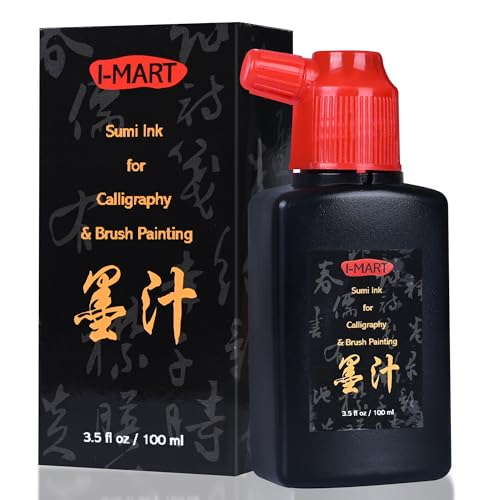
I-MART Sumi Ink for Chinese Calligraphy & Japanese Brush Art, Calligraphy Ink for Traditional Artworks, India Ink Black for Painting & Writing (3.5 fl oz/100 ml, Black)
- Ideal for Traditional Asian Art: Suitable for Chinese and Japanese brush art
- Versatile Ink for Various Techniques: Perfect for calligraphy, ink wash, and painting
- Rich Black Pigment: Contains carbon black for deep, vibrant black
As an affiliate, we earn on qualifying purchases.
As an affiliate, we earn on qualifying purchases.