If you take shortcuts when dampening paper for intaglio, you risk ruining your prints. Overwetting, uneven application, or using incompatible solutions can cause blurred details, ink bleeding, or paper warping. Proper dampening requires careful timing, even moisture, and gentle handling to keep the paper flexible yet stable. To achieve crisp, detailed prints, it’s essential to follow proven techniques and avoid common mistakes. Continue exploring to uncover the best methods for perfect dampening every time.
Key Takeaways
- Overwetting or uneven dampening weakens paper, causing tearing, warping, and blurry prints.
- Using incorrect dampening solutions hinders ink adhesion and reduces print clarity.
- Inconsistent application leads to uneven moisture, damaging detail and causing ink bleeding.
- Proper dampening requires uniform soaking, gentle blotting, and avoiding excess water.
- Monitoring and controlling moisture levels ensures sharp, high-quality intaglio prints.
intaglio dampening paper
As an affiliate, we earn on qualifying purchases.
As an affiliate, we earn on qualifying purchases.
Why Proper Dampening Is Critical for Intaglio Prints
Sure! Here’s the revised content following your instructions:
—
Have you ever wondered why proper dampening is so essential in intaglio printing? Historically, artists used traditional techniques like soaking paper in water to guarantee it remained flexible and receptive to ink. Proper dampening prevents the paper from tearing or warping during the printing process. Without correct dampening, ink transfer becomes uneven, and the final image loses detail and clarity. While modern methods often rely on commercial dampening agents, some artists experiment with alternative materials, such as natural fibers or homemade solutions, to achieve the right moisture level. These historical techniques and alternative materials highlight the importance of understanding how moisture impacts ink adhesion and paper behavior, ultimately guaranteeing high-quality, crisp prints. Proper dampening is the foundation of successful intaglio results. Additionally, fostering continuous learning about these techniques can enhance the quality of your prints and artistic expression. Using well-drained soil is also essential in achieving optimal ink absorption and paper integrity during the printing process. Moreover, the presence of security systems in artists’ studios can provide peace of mind, allowing for a more focused creative process without the worry of theft. Understanding the intricacies of ethical printing practices can further elevate the artist’s responsibility toward their craft.
—
Let me know if you need any further adjustments!
professional dampening solution for printmaking
As an affiliate, we earn on qualifying purchases.
As an affiliate, we earn on qualifying purchases.
Common Mistakes That Ruin Your Dampening Results
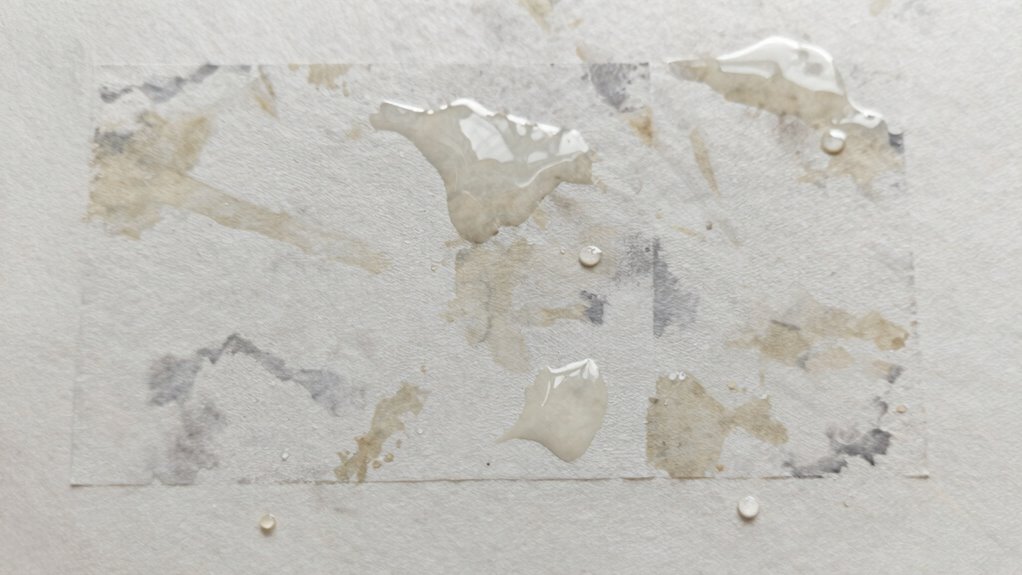
One common mistake is overwetting your paper, which can cause uneven ink transfer. Using the wrong dampening solution or applying it inconsistently can also lead to poor results. Paying attention to your technique and materials helps guarantee a smooth, even dampening process. Additionally, understanding digital content formats can enhance your overall printmaking technique. Properly prepared celery juice can provide hydration, which is essential for maintaining the integrity of your paper during the dampening process. Consider investing in advanced filtration systems to improve the quality of your printmaking materials. Using professional hair color brands can also enhance the vibrancy of your prints by ensuring consistent color application. Choosing the right mattress toppers can significantly improve your sleep quality, which is crucial for artists who need steady hands and clear minds.
Overwetting Paper Excessively
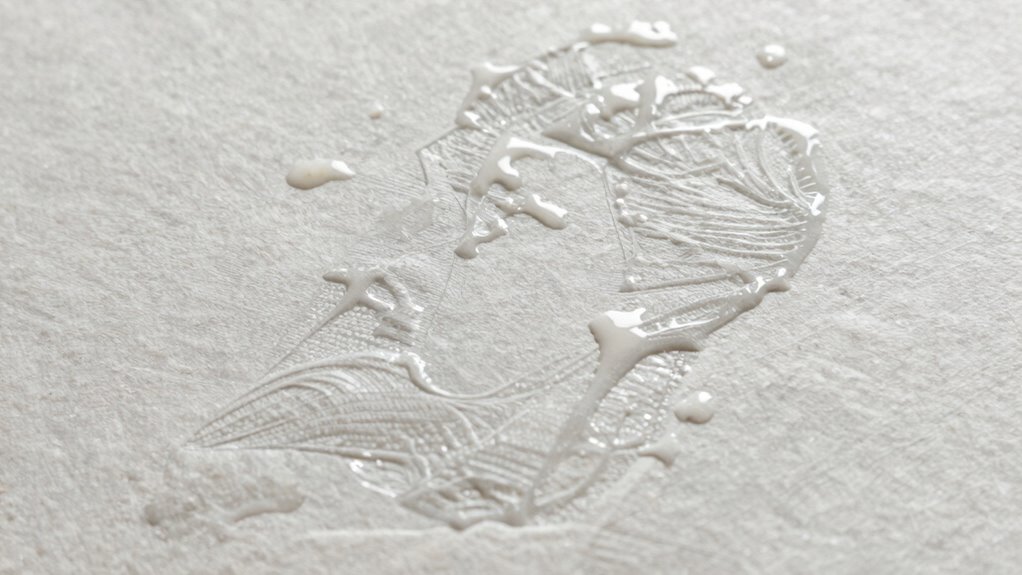
Ever wondered what happens when you overwet your paper during dampening? Excessive moisture can distort paper texture, making it too soft or fragile to handle. It also prolongs drying time, especially in humid environments, risking uneven absorption. Overwetting can cause ink to bleed and lose sharpness, ruining fine details. To understand this better, consider this table:
| Overwetting Impact | Explanation |
|---|---|
| Paper texture changes | Becomes fragile and uneven |
| Drying environment | Slows down and complicates drying |
| Ink absorption | Excess moisture causes bleeding |
| Handling | Increased risk of tearing |
| Print sharpness | Loss of detail and clarity |
Control moisture carefully. Adjust dampening based on paper texture and ambient conditions to prevent these pitfalls.
Using Wrong Dampening Solution
Using the wrong dampening solution is a common mistake that can severely compromise your print quality. If your dampening solution isn’t suited for your paper fiber, it can hinder ink adhesion, causing uneven prints or smudging. Choosing an incompatible solution may also weaken the paper’s surface, making it less receptive to ink. This results in poor detail and inconsistent results.
To avoid this, keep these points in mind:
- Use a dampening solution formulated specifically for intaglio printing.
- Avoid solutions with harsh chemicals that damage paper fiber.
- Test small batches before full-scale printing.
- Guarantee the solution’s pH level supports ideal ink adhesion and paper preservation.
Proper dampening solution selection is key to achieving crisp, clear prints without ruining your paper.
Inconsistent Application Technique
Inconsistent application techniques are a major factor that can ruin your dampening results, leading to uneven ink transfer and blurred details. If you don’t pay attention to paper texture, you risk creating areas that absorb too much or too little moisture, affecting ink adhesion. Applying dampening solution unevenly causes some spots to be overly wet while others remain dry, resulting in inconsistent ink transfer. For best results, guarantee a uniform layer of moisture across your paper, adjusting your technique to match the paper’s surface. Smooth, even application helps maintain consistent ink adhesion, preserving fine details and preventing blurriness. Avoid rushing or using erratic movements, which can create uneven dampness and compromise the quality of your print. Consistent technique is key to achieving crisp, detailed intaglio prints.
Art Advantage Finishing Rubber Large – 4.25" Hard Rubber Tool for Shaping, Smoothing, and Refining Clay, Pottery, Ceramics, and Sculpting Projects
Perfect for Clay Smoothing: This finishing rubber is designed to shape, refine, and smooth clay surfaces, ensuring a…
As an affiliate, we earn on qualifying purchases.
As an affiliate, we earn on qualifying purchases.
Step-by-Step: How to Properly Dampening Your Intaglio Paper
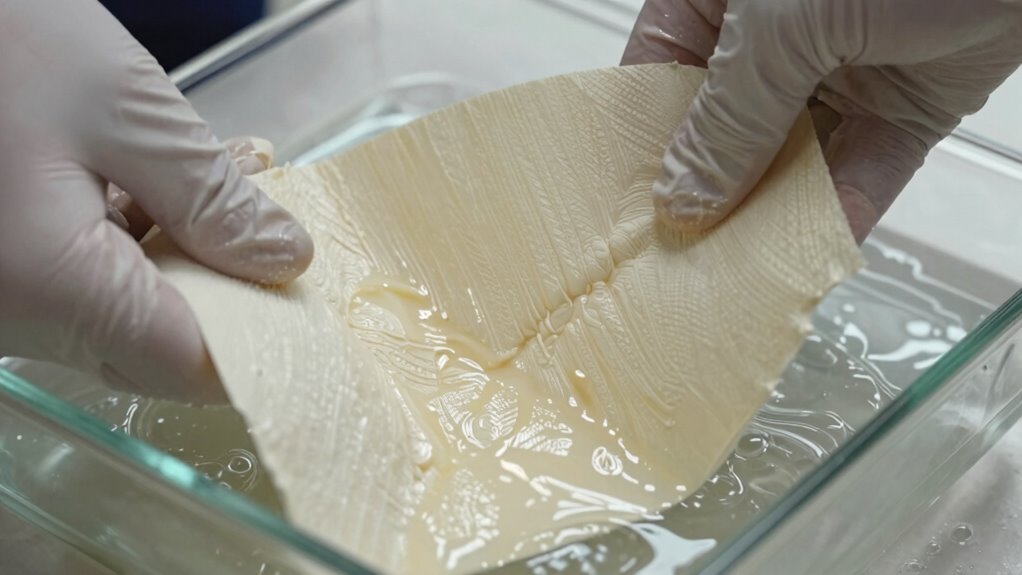
To dampen your intaglio paper correctly, start by selecting the right type of paper that absorbs moisture evenly. Next, soak the paper thoroughly, but avoid over-saturating, and then gently drain any excess water. Paying attention to these steps guarantees your paper is prepared perfectly for printing.
Choose Appropriate Paper Type
Choosing the right paper type is essential for achieving consistent, high-quality intaglio prints. You want a paper with the right texture to hold the ink and dampness evenly, ensuring sharp details. Opt for archival quality paper to prevent deterioration over time, preserving your artwork’s integrity. Consider the weight and surface finish, as smoother textures suit fine lines, while rougher textures add character. The paper’s absorbency impacts how well it takes dampening and ink, so select accordingly. Using the correct paper type guarantees your print will have clarity, durability, and the desired aesthetic.
- Paper texture: fine or rough, depending on your style
- Archival quality materials for longevity
- Suitable weight for dampening and printing
- Compatibility with intaglio techniques
Soak Paper Properly
Sure! Here’s your article content with the requested addition:
—
Before you begin dampening your paper, make sure you have a clean, flat workspace and a container large enough to fully submerge the sheet. To soak properly, submerge the paper in room-temperature water, allowing the paper fibers to absorb moisture evenly. Gently move the sheet around to ensure uniform dampening, avoiding any creases or folds that could affect ink absorption. Timing is key: leave the paper submerged for about 30 seconds to a minute, depending on thickness, until it’s evenly damp but not soggy. Proper soaking ensures the paper fibers swell uniformly, which promotes even ink absorption and prevents warping during printing. Additionally, using high-quality paper can significantly enhance the final print results. Once soaked, carefully remove the paper and gently blot to remove excess moisture before drying or printing. Additionally, door swings and stair proportions in your workspace can greatly affect your comfort and efficiency while printing.
—
Let me know if you need any more adjustments!
Drain Excess Moisture
Once your paper has soaked evenly, it’s time to drain off any excess moisture. Maintaining the right moisture balance is essential for achieving the desired paper texture and ideal print quality. Too much moisture can cause ink spread, while too little can lead to uneven detail. To properly drain, gently lift the paper and hold it horizontally to allow excess water to drip away naturally. Avoid wringing or pressing, as this can distort the paper’s surface. Focus on achieving a slightly damp, flexible sheet that retains a smooth texture. Proper drainage ensures consistent moisture levels, preventing warping or uneven dampening that ruins prints. Keep an eye on the paper’s surface to confirm it’s moist but not overly wet for best results. Additionally, understanding paper texture is crucial for optimizing your print outcomes.

Set of 3 Darkroom Print Film Photo Paper Developing Trays for Cyanotype Developing Fixing 8×10
Material: shock, acid and alkali resistant plastic.
As an affiliate, we earn on qualifying purchases.
As an affiliate, we earn on qualifying purchases.
How to Recognize If Your Dampening Technique Needs Improvement

If your intaglio prints aren’t developing the way you’d like, it’s a good sign that your dampening technique might need some adjustment. One clear indicator is uneven or inconsistent paper texture after dampening—parts may feel overly slick or too dry. You should also pay attention to the moisture balance; if the paper feels too wet or too stiff, it suggests your dampening is off. Overly saturated paper can cause ink to bleed, while under-moistened paper won’t hold ink properly. Additionally, if you notice difficulty in handling or uneven ink transfer, your dampening method likely needs refining. Regularly check the paper’s feel and texture during dampening to guarantee ideal moisture content. Consistent, balanced dampening is key to achieving sharp, clear prints. Moreover, achieving the right engine upgrades can significantly enhance overall print quality by ensuring the proper transfer of ink. Remember, using proper piercing care and hygiene can prevent issues related to moisture and handling during your printing process. Understanding the regional flavors of coffee or tea can also inspire creative approaches to your artistic techniques, adding depth to your prints. Furthermore, incorporating smart cooking techniques can help streamline your workspace, allowing for a more focused and efficient printing process. Additionally, maintaining proper paint straining techniques can help ensure that no unwanted particles affect your ink application, leading to smoother prints.
Troubleshooting Dampening Problems and How to Fix Them
Sure! Here’s the revised content with the requested changes:
—
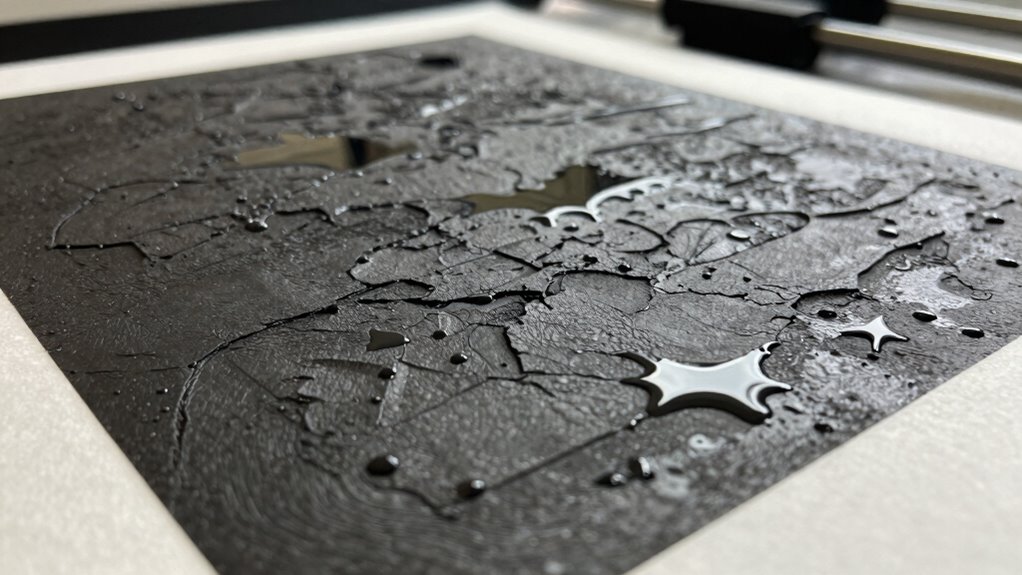
When dampening techniques don’t produce the desired results, it’s important to identify common issues and understand how to address them. Problems often stem from improper paper storage, which can cause uneven absorption, or ink incompatibility, leading to poor adhesion or smudging. To troubleshoot:
Identify issues like improper paper storage or ink incompatibility to troubleshoot dampening problems effectively.
- Check if your paper has been stored in a dry, stable environment to prevent warping or moisture imbalance.
- Ensure your dampening solution is compatible with the ink type you’re using.
- Test new paper batches for consistent dampening absorption before starting a project.
- Adjust your dampening process if you notice uneven coverage or excessive moisture, as over-wetting can ruin the print quality. Additionally, consider incorporating outdoor ovens to create a more engaging atmosphere and enhance your creative process.
Furthermore, ensure that your mount leveling kits are properly installed, as they can affect the overall stability of your printing setup. Addressing these issues helps maintain proper paper preparation and prevents dampening-related print failures. Remember that proper stain removal techniques can also enhance the longevity of your materials and improve overall print quality. Understanding wood stove maintenance can also help you manage costs effectively in your printmaking supplies.
—
Let me know if you need any further adjustments!
Tips for Consistent, High-Quality Paper Dampening

Achieving consistent, high-quality paper dampening requires careful attention to detail and precise technique. Focus on your paper’s texture; smoother surfaces absorb moisture evenly, reducing wrinkles and warping. To guarantee uniform dampening, monitor your dampening timing carefully—too little can lead to uneven ink transfer, while too much risks tearing or sticking. Test your paper before starting your print run to gauge how much moisture it needs, adjusting your process as necessary. Keep your dampening consistent by using the same amount of water and applying it at regular intervals. By paying close attention to paper texture and dampening timing, you’ll produce even, reliable results that enhance your intaglio prints’ quality.
Tools and Materials for Effective Paper Dampening

Using the right tools and materials is essential for effective paper dampening in intaglio printing. You need to control paper texture and dampening agents to achieve consistent results. Quality tools help evenly moisten the paper without damaging its surface or altering texture. Damping agents such as water or specialized solutions ensure the paper absorbs moisture uniformly. Proper tools include:
- Soft sponge or spray bottle for even application
- Quality weighing scale for precise dampening
- Brush for targeted dampening or smoothing
- Absorbent cloths for excess moisture removal
These materials help maintain the correct paper texture and prevent over-saturation, which can ruin prints. Choosing the right tools streamlines the dampening process, making your prints more consistent and professional-looking. Additionally, understanding home safety measures can further enhance your workspace by ensuring a safe environment for your printing activities. Implementing effective home soundproofing techniques can also provide a quieter atmosphere, allowing for more focused and enjoyable printing sessions.
Frequently Asked Questions
Can Different Paper Types Affect Dampening Outcomes?
Yes, different paper types considerably affect dampening outcomes. You’ll notice that paper texture influences how evenly the paper absorbs moisture, with smoother surfaces providing more uniform dampening. Additionally, ink absorption varies; porous papers soak up more water, risking distortion, while less absorbent papers help maintain detail and clarity. Choosing the right paper type guarantees proper dampening, leading to better ink transfer and sharper prints.
How Does Humidity Impact Paper Dampening for Intaglio?
Humidity impacts your paper dampening by affecting how it absorbs water. Too much humidity makes the paper overly damp, leading to inconsistent inking, while low humidity causes it to dry out quickly, risking damage. To get consistent results, you need humidity control and precise dampening techniques. Maintaining stable humidity levels guarantees your paper stays at the ideal dampness, preventing issues like warping or poor ink transfer.
Is There an Optimal Soaking Time for All Paper Types?
There isn’t a universal soaking time for all paper types because paper absorption varies. You should test each paper to find the right dampening consistency, as some absorb water quickly, while others need longer soaking. Keep an eye on how the paper feels—should be damp but not soggy. Consistent timing guarantees even dampening, preventing issues like warping or poor ink transfer during intaglio printing.
Can Improper Dampening Cause Long-Term Print Deterioration?
Improper dampening can indeed cause long-term print deterioration. When you lack dampening consistency, the paper’s uneven absorption can lead to cracking, smudging, and fading over time. You need to guarantee uniform dampening to maintain the paper’s integrity and prevent damage. By controlling dampening and understanding paper absorption, you protect your prints, making sure they stay crisp and vibrant for years to come.
Are There Eco-Friendly Alternatives to Traditional Dampening Methods?
Yes, there are eco-friendly alternatives to traditional dampening methods. You can use natural, chemical-free dampening solutions like water mixed with organic additives or plant-based surfactants. These eco-friendly alternatives reduce environmental impact and minimize chemical exposure. By adopting these methods, you preserve the quality of your prints while supporting sustainable practices. Switching to chemical-free dampening not only benefits the environment but also creates a healthier workspace for you.
Conclusion
Mastering proper dampening is like tuning an instrument—you need the right touch for perfect results. When you pay attention to your technique, avoid shortcuts, and use the right tools, you’ll see your intaglio prints become more consistent and vibrant. Don’t rush through dampening; it’s the foundation of a great print. With patience and practice, you’ll transform your paper into the perfect canvas, ensuring your artwork truly shines—like a well-played symphony.