When restoring watercolor paintings, you should use gentle, conservation-grade cleaning solutions to remove dirt and grime without damaging the fragile pigments or paper. Stabilize any weak or torn areas carefully with appropriate reinforcement techniques, such as humidification and Japanese tissue repair. Avoid harsh chemicals or excessive moisture to prevent further harm. Proper technique and expert judgment are key for preserving both the artwork’s appearance and structural integrity. To discover more about these delicate processes, continue exploring the essential steps involved.
Key Takeaways
- Use gentle, conservation-grade cleaning solutions to remove surface dirt without harming pigments or paper.
- Carefully humidify and flatten fragile watercolor paper to prevent further warping or tears.
- Reinforce weak areas with Japanese tissue to stabilize the artwork before cleaning or retouching.
- Employ reversible conservation techniques and compatible pigments for aesthetic corrections.
- Consult professional conservators to ensure proper techniques and prevent accidental damage during restoration.

Have you ever wondered how experts restore watercolor paintings to their original beauty? Restoring watercolors is a delicate process that requires skill, patience, and an understanding of various techniques. One of the key steps in this process involves carefully removing dirt, grime, and old varnishes through chemical cleaning. Unlike other mediums, watercolors are sensitive to moisture and harsh chemicals, so conservators use specialized, gentle cleaning solutions to avoid damaging the pigments or paper. During chemical cleaning, they might apply buffered solutions or solvents that dissolve surface dirt without penetrating deeply into the paper fibers. This step helps revive the painting’s vibrancy and clarity, making it look fresh and well-preserved. Additionally, understanding the properties of pigments and their stability over time is essential to ensure that restoration does not alter the original appearance of the artwork scientific inquiry.
Expert conservators carefully clean watercolors with gentle solutions to preserve their vibrancy and delicate paper surfaces.
Equally important is paper stabilization. Over time, watercolor paper can become fragile, warped, or torn due to age, humidity, or improper storage. When you undertake restoration, you must verify the paper remains stable throughout the process. Paper stabilization involves humidifying the artwork carefully to relax the fibers, then flattening it under controlled pressure. If there are tears or weak spots, conservators often reinforce these areas with Japanese tissue or other compatible, reversible materials. These delicate interventions prevent further deterioration and provide a solid foundation for subsequent restoration steps. Stabilizing the paper is vital because it guarantees that cleaning and retouching can be performed safely without causing additional damage.
Restoration isn’t just about cleaning and stabilization; it also involves evaluating the artwork’s overall condition and deciding on appropriate treatments for any paint losses or discoloration. This might include carefully retouching areas with conservation-grade pigments, ensuring that the original artist’s intent remains intact. You must always remember that preservation techniques should be reversible whenever possible, so future conservators can undo or modify treatments if needed. Throughout the process, maintaining the artwork’s integrity and respecting its historical significance is paramount.
In essence, restoring a watercolor painting requires a meticulous approach that balances cleaning, stabilization, and aesthetic correction. Chemical cleaning helps remove the layers of grime accumulated over time, restoring brightness, while paper stabilization ensures the artwork remains structurally sound. By combining these techniques with a gentle touch and expert judgment, you help preserve the painting’s original beauty for future generations. Every decision you make should prioritize the artwork’s longevity and authenticity, making restoration a precise craft rooted in respect for the artist’s original work.
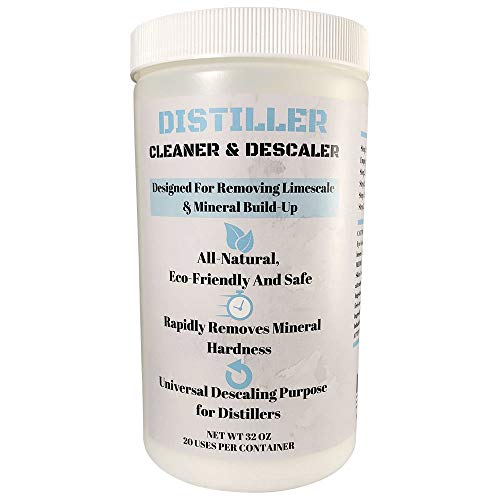
Distiller Cleaner & Descaler (2 LBS) Citric Acid – Universal Application for Waterwise, Natural & Safe – Deeply Penetrates LimeScale & Water Mineral Build-up, Compare to KleenWise
BEST VALUE – With 20 Uses Per Container And Uncompromising Quality You Will Not Find A Better Price…
As an affiliate, we earn on qualifying purchases.
As an affiliate, we earn on qualifying purchases.
Frequently Asked Questions
How Long Does the Restoration Process Typically Take?
The restoration timeline varies depending on the painting’s condition, but it generally takes a few weeks to a couple of months. You’ll need to factor in the entire drying process, which can take several days, especially after cleaning or consolidating layers. Patience is key, as rushing can damage the delicate watercolor. Proper assessment and careful work ensure a successful restoration, balancing thoroughness with the drying process to achieve the best results.
Can Watercolor Paintings Be Restored Without Professional Help?
You can attempt DIY repair for minor damage or amateur restoration of watercolor paintings, but it’s risky. Watercolors are delicate, and improper techniques might cause irreversible harm. If you’re inexperienced, it’s best to consult a professional. They have the skills and tools to properly restore your artwork without further damage. Remember, amateur restoration can sometimes worsen the condition, so weigh the risks before trying to fix it yourself.
What Are the Costs Associated With Restoration Services?
Thinking about restoration costs, you’ll find service pricing varies based on the painting’s size, condition, and complexity. Like a vintage vinyl, old artworks demand special care, which can drive up the price. Typically, professional restoration services might range from a few hundred to several thousand dollars. It’s best to get a detailed quote first, so you’re clear on what to expect and can decide if the investment fits your budget.
How Do I Prevent Future Damage to Watercolor Artworks?
To prevent future damage to your watercolor artworks, you should prevent moisture from affecting them by keeping them in a dry environment. Store your paintings properly, ideally in acid-free, archival-quality materials, and avoid exposure to direct sunlight or extreme temperatures. Regularly inspect your artworks for signs of deterioration, and handle them carefully. This proactive approach helps preserve your watercolors and maintains their vibrant appearance over time.
Are There Any Risks of Damaging the Original Artwork During Restoration?
Yes, there are risks of damaging your watercolor artwork during restoration, especially if improper techniques are used. You might trigger harmful chemical reactions or expose the piece to environmental hazards like humidity or pollutants. To mitigate these risks, work carefully, use appropriate materials, and consider consulting a professional conservator. This way, you protect your artwork from unintended damage and ensure its longevity.

50/100 Sheets FIVEIZERO A4 Mulberry Paper Sheets Natural Fiber Rice Papers,8.3×11.7in Natural Decoupage Tissue Paper for Writing Painting, Decorative &Card Making Papers DIY Craft
【Reliable Material】FIVEIZERO mulberry paper is made from 100% natural fibers(goji bark & sandalwood bark),The paper fiber distribution is…
As an affiliate, we earn on qualifying purchases.
As an affiliate, we earn on qualifying purchases.
Conclusion
Remember, restoring watercolor paintings requires patience, precision, and respect for the artwork. Use appropriate techniques and always prioritize preservation over alteration. Don’t rush the process—”Haste makes waste,” as the saying goes. By taking careful steps and knowing your limits, you can help guarantee your masterpiece remains vibrant for generations to come. When in doubt, consult a professional; sometimes, the best restoration is knowing when to seek expert help.

Arches Watercolor Paper Pad, 140 pound, Cold Press, 9"x12"
Prized Paper – The long fibers in Arches natural white 100% cotton watercolor paper provide timeless beauty and…
As an affiliate, we earn on qualifying purchases.
As an affiliate, we earn on qualifying purchases.

GENERAL'S The Masters Brush Cleaner and Preserver – Non-Toxic – Cleans & Restores Art Paint Brushes – Removes Acrylic, Oil & Watercolor Paint – 2.5 oz
Removes oils, acrylics, watercolours, stains, & varnishes
As an affiliate, we earn on qualifying purchases.
As an affiliate, we earn on qualifying purchases.