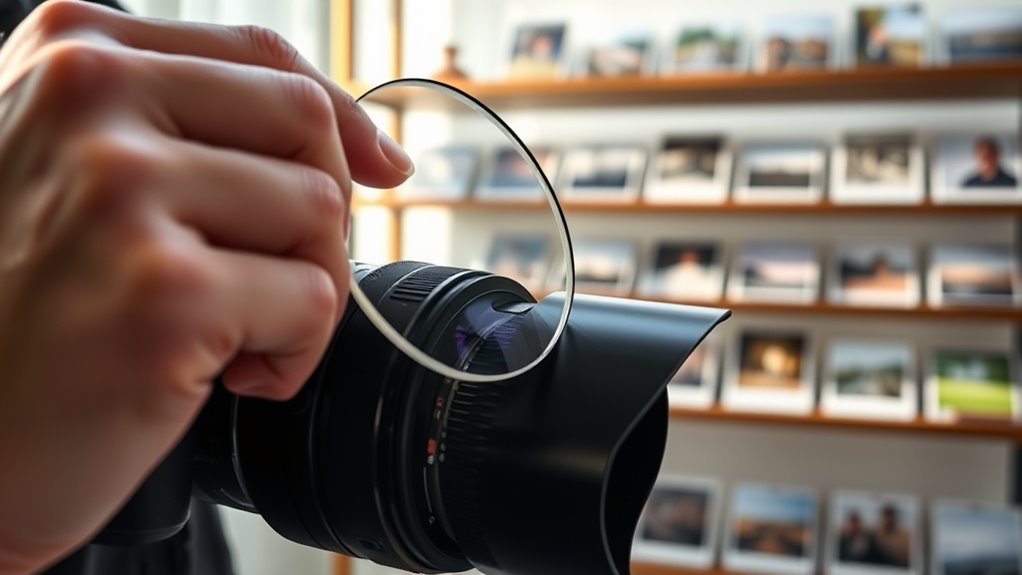

To prevent light damage, you should use UV filters on windows and light fixtures to block harmful rays. Position lighting carefully, keeping fixtures at safe distances and angles, and consider using diffusers or low UV LED lights for even, gentle illumination. Installing blackout curtains or UV-protected glass adds extra protection. These strategies work together to preserve your valuables, and exploring additional techniques can help you better safeguard your collection over time.
Open a free Amazon Business account
Business pricing, bulk buying and tax-exempt orders.
As an affiliate, we earn on qualifying purchases.
Key Takeaways
- Use UV filters on display cases, windows, and lighting fixtures to block harmful UV rays and prevent fading.
- Position lights at appropriate distances and angles to minimize direct exposure on sensitive items.
- Utilize diffusers, soft lighting, and LED lights with low UV emissions to evenly distribute light and reduce damage risk.
- Implement control systems like timers and dimmers to regulate light exposure duration and intensity.
- Incorporate UV-protective coatings and curtains to further shield valuables from damaging light over time.

Have you ever wondered how exposure to light can harm your precious belongings? Light, especially in the form of ultraviolet (UV) rays, can cause significant damage over time. This is where understanding UV filter benefits becomes essential. UV filters act as a shield, blocking harmful rays that can fade colors, weaken materials, or cause irreversible deterioration. By attaching a UV filter to your display cases, cameras, or light fixtures, you effectively reduce the amount of damaging light that reaches your valuables. This simple addition can prolong the lifespan of artwork, photographs, textiles, and other delicate items. But UV filters are just one part of a broader strategy—employing proper display lighting techniques can make a notable difference.
When it comes to display lighting techniques, the goal is to illuminate without overexposing. You want your items to be visible and appreciated without risking their integrity. Positioning your lights correctly is essential; keep light sources at appropriate distances and angles to minimize direct exposure. Using diffusers or soft light fixtures helps distribute illumination evenly, reducing hotspots that can accelerate damage. Additionally, selecting lights with low UV emissions and controlled color temperatures can further protect your items. It’s advisable to use LED lighting, which generally emits less UV radiation compared to traditional incandescent or halogen bulbs. These measures ensure your display is inviting and well-lit while safeguarding its contents. Furthermore, recent advancements in lighting technology have introduced filters and coatings that significantly reduce UV emissions, providing an extra layer of protection.
Proper display lighting minimizes damage by positioning lights carefully and using diffusers, low UV LEDs, and controlled temperatures.
Implementing a combination of UV filter benefits and thoughtful display lighting techniques offers a proactive approach to preservation. For example, in museums or galleries, where artwork is displayed for extended periods, UV filters are often installed on windows and light fixtures. This reduces UV penetration while still providing adequate lighting for viewers. When you set up your display, consider blackout curtains or UV-filtered glass for windows, and use timers or dimmers to control light exposure throughout the day. These practices help maintain a stable environment, preventing rapid fading or material breakdown.
In essence, protecting your belongings from light damage isn’t complicated, but it does require deliberate planning. By leveraging UV filter benefits and adopting effective display lighting techniques, you create a safer environment for your most valued possessions. You’ll enjoy showcasing your items without the worry of long-term harm, knowing you’ve taken smart steps to preserve their beauty and integrity. With mindful lighting choices, you can appreciate your collection today—and for many years to come.
As an affiliate, we earn on qualifying purchases.
Frequently Asked Questions
How Often Should UV Filters Be Replaced?
You should replace your UV filter when it shows signs of damage, scratches, or significant dirt that can’t be cleaned off. Generally, UV filter longevity can vary, but most experts recommend contemplating replacement every 1-2 years if you frequently shoot outdoors or in harsh conditions. Regularly inspecting your filter guarantees maximum protection for your lens and maintains image quality, so don’t wait until it’s visibly compromised to think about a replacement.
Can UV Filters Affect Image Quality?
Like a fog settling over a landscape, a UV filter can subtly affect your image quality. If the filter’s lens coating gets scratched or dirty, it may cause a loss of sharpness or introduce unwanted reflections. Proper filter maintenance keeps your UV filters clean and clear, ensuring they don’t degrade your photos. When installed correctly, UV filters protect your lens without compromising image quality.
Are UV Filters Necessary for Digital Displays?
You don’t necessarily need UV filters for digital displays, but they can help with display protection techniques. Regular UV filter maintenance guarantees they stay effective without affecting image quality. If you choose to use one, clean it properly and keep it free from scratches. While not essential, UV filters can reduce glare and protect your screen from environmental damage, extending the lifespan of your display.
What Are the Signs of Light Damage on Displays?
You’ll notice light damage on displays as uneven fading, color shifts, or darkened spots, especially after prolonged exposure to intense light. UV filter longevity plays a role in protecting your screen, but repeated display light exposure can still cause damage over time. Keep an eye on these signs, and consider using protective measures like UV filters to minimize light exposure and extend your display’s lifespan.
Do All Displays Benefit Equally From UV Protection?
Think of your display like a delicate painting—some need extra protection more than others. Not all displays benefit equally from UV filters; compatibility varies based on screen material and purpose. For example, a touchscreen might benefit from glare reduction, while an older monitor may not need UV protection. You should assess your display’s needs to decide whether adding a UV filter helps prevent damage and reduces glare effectively.
As an affiliate, we earn on qualifying purchases.
Conclusion
By using UV filters and mindful display practices, you safeguard your photos from the silent thief of light damage. Think of your camera as a delicate vessel, vulnerable yet resilient when protected. Don’t let UV rays silently erode your work’s integrity—stand guard with these simple steps. After all, preserving your images isn’t just about equipment; it’s about safeguarding your vision’s legacy against the relentless march of time.
As an affiliate, we earn on qualifying purchases.
As an affiliate, we earn on qualifying purchases.
Fall Picks
fall essentials
As an affiliate, we earn on qualifying purchases.