Using sustainable materials in conservation practices helps protect and preserve artifacts while reducing environmental harm. Eco-friendly coatings and biodegradable adhesives provide effective support without introducing toxins or long-lasting waste. These choices promote safer working conditions and demonstrate a responsible approach to heritage preservation. Incorporating green materials also sets a standard for ethical conservation. To discover more about how these sustainable options can benefit your projects, keep exploring the latest advancements in conservation materials.
Key Takeaways
- Use biodegradable coatings to protect artifacts while minimizing environmental impact.
- Choose eco-friendly adhesives derived from renewable resources for safe, reversible conservation bonding.
- Implement environmentally sustainable materials to reduce hazardous waste and toxic emissions during conservation.
- Prioritize materials that offer durability and safety for both artifacts and conservation professionals.
- Promote ethical conservation practices by integrating sustainability to preserve cultural heritage responsibly.

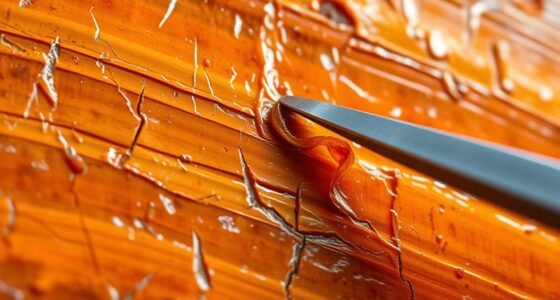
Conservation materials play a crucial role in protecting and preserving artifacts, artworks, and historical objects. When you choose sustainable options, you’re not only guaranteeing the longevity of these items but also minimizing your environmental impact. One of the most significant advances in this area involves the use of biodegradable coatings. These coatings are designed to be environmentally friendly, breaking down naturally without leaving harmful residues. They provide a protective layer that guards against moisture, pollutants, and physical damage while maintaining the object’s integrity. Biodegradable coatings are especially valuable because they reduce waste and avoid long-term pollution, aligning with conservation’s core goal of preservation with minimal ecological footprint.
Biodegradable coatings protect artifacts while reducing waste and environmental impact.
Alongside biodegradable coatings, eco-friendly adhesives are transforming how you approach restoration projects. Traditional adhesives often contain volatile organic compounds (VOCs) or toxic chemicals, posing health risks and environmental concerns. In contrast, eco-friendly adhesives are formulated from natural, renewable resources, making them safer for both conservators and the environment. These adhesives offer excellent bonding strength while being reversible, a critical feature in conservation work that allows future restorers to safely remove or replace materials without damaging the original object. By opting for these sustainable adhesives, you guarantee your conservation efforts are gentler on the environment and more aligned with the principles of minimal intervention and reversibility.
Using biodegradable coatings and eco-friendly adhesives isn’t just about sustainability; it’s about safeguarding cultural heritage responsibly. When you apply biodegradable coatings, you help prevent the accumulation of hazardous waste, reducing the risk of environmental contamination. Similarly, eco-friendly adhesives contribute to a healthier workspace by emitting fewer fumes and toxins, which benefits your health and that of your colleagues. These materials are often derived from renewable resources such as plant-based polymers, making their sourcing more sustainable compared to synthetic counterparts. Their effectiveness in conservation applications, combined with their environmental benefits, makes them increasingly popular choices among professionals committed to green practices.
Furthermore, incorporating these sustainable materials into your conservation toolkit demonstrates a commitment to ethical responsibility. It shows that you prioritize not only the preservation of the artifacts but also the well-being of the planet. As more conservation projects adopt biodegradable coatings and eco-friendly adhesives, the industry moves toward a future where preservation and sustainability go hand in hand. Your decisions today can set a standard for environmentally conscious practices, ensuring that the cultural treasures of tomorrow remain protected without compromising the health of our planet. Ultimately, choosing these innovative materials elevates your work, making it more sustainable, responsible, and aligned with the growing global emphasis on eco-consciousness. Additionally, utilizing biodegradable materials can lead to cost savings in waste management and disposal over time.
biodegradable conservation coatings
As an affiliate, we earn on qualifying purchases.
As an affiliate, we earn on qualifying purchases.
Frequently Asked Questions
How Do Sustainable Materials Compare in Long-Term Durability?
Sustainable materials often offer comparable longevity to traditional options, but biodegradability challenges can impact their long-term durability. You might find that some eco-friendly materials break down faster, especially when exposed to environmental elements, reducing their lifespan. However, advances in sustainable technology are improving material longevity. Ultimately, you should weigh the benefits of biodegradability against durability needs to choose the best sustainable material for your conservation project.
Are Sustainable Materials Cost-Effective for Large-Scale Projects?
You’ll find sustainable materials surprisingly cost-effective for large-scale projects. A thorough cost analysis shows they often save money in the long run by reducing maintenance and replacement costs. Plus, their resilient supply chain guarantees availability, preventing costly delays. While initial investments may seem higher, the overall savings and environmental benefits make them a smart, budget-friendly choice that can transform your project’s sustainability and success.
What Training Is Needed to Work With Eco-Friendly Conservation Materials?
You need conservation training focused on eco-friendly certifications to work effectively with sustainable materials. This training helps you understand proper handling, application, and safety protocols for eco-friendly products. Additionally, gaining certifications like LEED or Green Seal boosts your expertise and credibility. Stay updated on new eco-friendly certifications and industry best practices to guarantee you’re using sustainable materials correctly and efficiently in conservation projects.
How Do Sustainable Materials Impact the Preservation of Historically Significant Items?
You might be surprised to find that sustainable materials like eco-friendly adhesives and biodegradable coatings play a vital role in preserving historically significant items. These materials minimize chemical damage and reduce environmental impact, ensuring artifacts stay intact longer. By choosing eco-conscious options, you help protect cultural heritage while maintaining authenticity. Your careful selection of sustainable materials supports both conservation goals and environmental responsibility, making a lasting difference for future generations.
Are There Any Environmental Risks Associated With Alternative Conservation Materials?
Yes, there are environmental risks with alternative conservation materials. You should watch for chemical leaching, which can contaminate soil and water, harming ecosystems. Additionally, consider wildlife impact; some materials may inadvertently threaten local fauna if they leach toxins or disrupt habitats. Always evaluate the environmental footprint of these materials, ensuring they don’t pose hidden risks to the environment while helping preserve historical items effectively.

Plant a Tree Save The Forest Sticker 5 Inch Waterproof Vinyl Decal Environmental Awareness Nature Conservation Eco Friendly Laptop Water Bottle Car Window Gift
"Funny & Eye-Catching Designs Collection of humorous, sarcastic, and awareness-themed stickers including driving jokes, senior driver signs, eco…
As an affiliate, we earn on qualifying purchases.
As an affiliate, we earn on qualifying purchases.
Conclusion
By embracing sustainable materials in conservation, you gently nurture the delicate balance of history and nature. These eco-friendly choices act like a soft whisper, guiding preservation efforts toward harmony without overwhelming the original essence. As you weave these materials into your practice, you create a subtle, enduring legacy—one that respects the past while quietly safeguarding the future. In doing so, you help keep the story alive, like a gentle breeze that stirs the leaves of time.

DJL Marketing 1/8 CLEAR ACRYLIC REVERSE PRINTED 2 COLOR 'WATER ON/OFF' SIGN 3M ADHESIVE
P-AREA,P-WATEROFF
As an affiliate, we earn on qualifying purchases.
As an affiliate, we earn on qualifying purchases.
sustainable artifact preservation materials
As an affiliate, we earn on qualifying purchases.
As an affiliate, we earn on qualifying purchases.