
Indigenous art traditions play a vital role in preserving cultural heritage by passing down stories, beliefs, and values through generations. You’ll see how traditional techniques, materials, and motifs carry deep symbolic meanings connected to nature, spirits, and community identity. These practices help maintain cultural continuity and resist homogenization, keeping ancient customs alive today. If you continue exploring, you’ll discover how these art forms act as powerful tools for cultural resilience and legacy.

Get art and craft supplies delivered free — and shop member deals
- Fast, free delivery on millions of items
- Access to Prime Big Deal Days deals on October 6–7
- Prime Video, Amazon Music and more included
Key Takeaways
- Indigenous art preserves cultural stories, beliefs, and values across generations through symbolic motifs and traditional techniques.
- Use of natural materials and age-old methods maintains authenticity and connects artisans with ancestral practices.
- Artworks serve as visual languages, conveying spiritual connections, myths, and community identity.
- Creating and practicing traditional art fosters cultural continuity and resistance to homogenization.
- Indigenous art acts as a living record, safeguarding cultural heritage and fostering resilience amidst globalization.

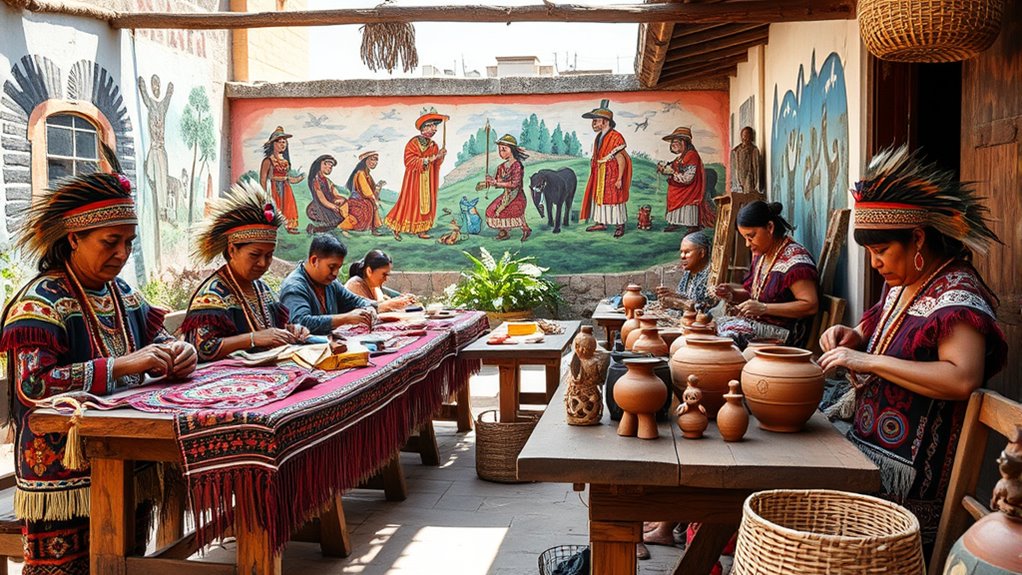
Have you ever wondered how indigenous communities preserve their unique cultural identities through art? It’s a fascinating process that involves more than just creating beautiful objects; it’s a way of passing down stories, beliefs, and values from one generation to the next. Central to this effort are traditional techniques—methods passed down for centuries that connect present-day artisans with their ancestors. These techniques often involve specific ways of using natural materials, like clay, fibers, or dyes, that have been refined over generations to produce distinctive textures and patterns. When you see an indigenous piece, you’re witnessing the culmination of these time-honored practices, which are carefully maintained to keep the authenticity of their cultural expressions alive.
Alongside these techniques, symbolic motifs play a vital role in indigenous art. These motifs aren’t just decorative elements; they carry deep meanings rooted in the community’s worldview, history, and spiritual beliefs. For example, certain shapes, colors, or patterns might represent elements of nature, ancestral spirits, or important myths. When artisans incorporate these motifs into their work, they’re communicating stories and lessons that are central to their identity. These symbols often serve as visual language, allowing communities to preserve their collective memory even as languages evolve or fade. As you observe these motifs, you gain insight into the community’s spiritual connection to the land, their ancestors, and their ongoing cultural journey.
What makes indigenous art unique is that it’s often created with the intention of maintaining cultural continuity. Artists don’t simply aim to produce aesthetically pleasing objects; they embed meaning into every stitch, brushstroke, or carving. This deliberate use of symbolic motifs and adherence to traditional techniques guarantee that their art remains a living testament to their heritage. When you appreciate indigenous art, you’re participating in a form of cultural preservation that resists homogenization and globalization’s pressures. It’s about honoring the past while adapting to the present, safeguarding that future generations can continue to tell their stories through these expressive forms.
As an affiliate, we earn on qualifying purchases.
Frequently Asked Questions
How Do Indigenous Artists Pass Down Their Techniques?
You pass down your techniques through traditional workshops and apprenticeship programs that connect you with elders and experienced artists. These hands-on settings allow you to learn skills directly from masters, ensuring cultural methods stay alive. By participating actively and asking questions, you keep your heritage vibrant. These programs foster a sense of community, helping you understand the significance behind each technique and ensuring your traditions are preserved for future generations.
What Role Does Storytelling Play in Indigenous Art?
Storytelling plays a crucial role in indigenous art by embedding cultural symbolism and oral history into each piece. As you create or observe these artworks, you connect with stories that pass down traditions, values, and beliefs from generation to generation. This oral transmission guarantees that cultural knowledge stays alive, deepening your understanding and appreciation of the community’s history and identity through visual and symbolic storytelling woven into the art.
How Are Modern Influences Incorporated Into Traditional Art Forms?
You plunge into traditional art, and suddenly, it’s like a whirlwind of cultural fusion and artistic innovation! Modern influences are vividly woven into classic styles, transforming them into spectacular, jaw-dropping masterpieces. You might see bold graffiti motifs blending with ancient symbols or digital techniques enhancing traditional storytelling. This exciting mix keeps art fresh, relevant, and alive, proving that tradition and innovation can dance together in a vibrant, unstoppable celebration of cultural heritage.
What Challenges Do Indigenous Artists Face Today?
You face significant challenges today, like cultural appropriation, which can dilute and misrepresent your traditions. Funding struggles also hinder your ability to preserve and innovate your art forms. These obstacles threaten the integrity and sustainability of your cultural heritage. You need support and awareness to protect your work from misappropriation and guarantee you have the resources necessary to keep your art vibrant and authentic for future generations.
How Can Non-Indigenous Communities Support Preservation Efforts?
You can support preservation efforts by embracing cultural exchange and advocating for policy change. Get involved by attending Indigenous art shows, sharing stories, and respecting traditions. Push policymakers to create laws that protect Indigenous heritage and ensure fair compensation. Remember, supporting cultural exchange isn’t just about admiration; it’s about standing up for their rights and helping conserve their art for future generations. Your active support makes a real difference.
As an affiliate, we earn on qualifying purchases.
Conclusion
By embracing indigenous art traditions, you help keep centuries of cultural heritage alive, much like preserving a rare vinyl record in a digital age. Your appreciation guarantees these ancient stories and skills aren’t lost in the shuffle of modernity. Remember, every brushstroke or beadwork carries the spirit of ancestors who fought to keep their identity, even during the dawn of the internet. So, keep supporting and sharing these vibrant traditions—your role is essential in their timeless story.
As an affiliate, we earn on qualifying purchases.
As an affiliate, we earn on qualifying purchases.
Fall Picks
fall essentials
As an affiliate, we earn on qualifying purchases.