
The economics of artist proofs (A.P.) hinge on their rarity, condition, and the artist’s reputation, making them highly valued collectibles. Limited editions and signatures boost their market worth, while pristine condition and provenance add to their appeal. Market trends and collector demand influence prices, which can fluctuate with popularity and artistic significance. If you’d like to uncover how these factors interplay and impact their investment potential, there’s much more to explore.

Get art and craft supplies delivered free with Prime
- Fast, free delivery on millions of items
- Prime Video, Amazon Music and more included
- Member-only deals all year
Key Takeaways
- Rarity and limited edition sizes significantly drive the market value and desirability of artist proofs.
- Signed proofs by renowned artists command higher prices, reinforcing their exclusivity and market appeal.
- Market demand fluctuates based on artist reputation, provenance, and collector interest, impacting proof valuations.
- Technological advances, like digital reproductions, influence future supply, demand, and the perceived uniqueness of artist proofs.
- Provenance, condition, and authenticity are critical factors that affect the economic stability and investment potential of artist proofs.
Popular right now

Bose QuietComfort Wireless Noise-Cancelling Over-Ear Headphones, Black

Roborock RockNeo Q110H Wire-Free Robot Lawn Mower

KitchenAid Artisan Series 5-Quart Tilt-Head Stand Mixer, Dried Rose (KSM150PS)
As an affiliate, we earn on qualifying purchases.
Defining Artist Proofs and Their Role in Artistic Production
Artist proofs are special prints kept aside during the production of a limited edition to serve specific purposes. They are often created using various printmaking techniques, which allow artists to experiment and refine their work before mass production. These proofs typically feature the artist’s signature, set apart from the regular editions, emphasizing their unique status. Artist signatures on proofs authenticate their originality and connection to the artist, making them highly desirable. As a result, artist proofs often carry a higher value and appeal to collectors. Their role in artistic production isn’t just about exclusivity; they also serve as a means for artists to maintain control over their work. Formulated to maintain color vibrancy and shine, artist proofs are sometimes used to test how different colors will appear in the final edition. By understanding their purpose, you can appreciate how artist proofs influence both the artistic process and the art market.
Historical Perspective on the Value of Artist Proofs

Throughout history, the value placed on artist proofs has often reflected their rarity and the artist’s reputation. Collector interest has consistently driven their market valuation, making them highly sought after, especially when artists are renowned. In earlier periods, artist proofs were considered exclusive, often reserved for the artist or close associates, which increased their desirability. As art markets evolved, these proofs became symbols of prestige, with their scarcity enhancing their worth. Collectors valued them not only for their rarity but also as representations of an artist’s personal touch. Over time, the market valuation of artist proofs has fluctuated based on the artist’s prominence and the historical significance attached to these works, cementing their status as highly prized collectibles in the art world. Additionally, understanding the market dynamics surrounding artist proofs can shed light on their fluctuating value over different periods.
Factors Influencing the Price of Artist Proofs
The price of artist proofs is shaped by factors like rarity, edition size, and the artist’s reputation. Provenance and authenticity also play vital roles in determining value. Understanding these aspects helps you evaluate what makes an artist proof more or less desirable. Additionally, embracing failure in the creative process can lead to unique artistic expressions that may enhance an artwork’s desirability and value.
Rarity and Edition Size
Rarity and edition size play crucial roles in determining the value of artist proofs. A smaller print edition often means higher artistic exclusivity, making each proof more desirable and valuable. When the edition size is limited, the perceived rarity increases, which can drive up the price of artist proofs. If your proof is part of a low-numbered edition, collectors see it as more unique and sought after. Conversely, larger editions tend to lessen rarity, potentially lowering individual proof value. The balance between an artist’s print edition and the number of proofs created influences how collectors and investors perceive exclusivity. Ultimately, the fewer proofs available within a limited print edition, the more likely your artist proof will be considered rare and command a premium price. Additionally, edition size directly impacts the potential for provenance and desirability in the art market.
Artist’s Reputation Influence
An artist’s reputation considerably influences the value of artist proofs because collectors and investors often associate the artist’s prominence with the artwork’s desirability. When an artist has a strong reputation, their artist proofs tend to command higher prices due to increased market influence. A well-known artist’s name can elevate the perceived worth of these proofs, making them more attractive to buyers who value prestige and recognition. Market influence plays a key role, as the artist’s standing can sway demand and price levels. If the artist is celebrated for innovation or historical significance, their proofs become even more sought after. Ultimately, your perception of an artist’s reputation directly impacts the valuation of artist proofs, reflecting their importance within the broader art market. Additionally, an artist’s reputation can be shaped by their seasonal variations, which influence their visibility and desirability over time.
Provenance and Authenticity
Provenance and authenticity substantially shape the value of artist proofs because buyers rely on verified histories and genuine origins to assess worth. If an artist proof has a clear provenance, it confirms the piece’s origin and ownership history, boosting its desirability. Authenticity is equally vital; art authentication verifies that the proof is an original or legitimately authorized reproduction. In today’s digital age, digital reproduction plays a role in establishing provenance, especially when combined with proper documentation. A piece with verifiable provenance and confirmed authenticity commands higher prices, as collectors seek assurance that their investment is genuine. Conversely, doubts about authenticity or unclear provenance can considerably decrease a proof’s value, making verification processes essential in the art market. Additionally, understanding forsale 100 can help buyers identify genuine opportunities and avoid potential scams in the art world.
Comparing Artist Proofs to Regular Editions and Their Market Perception
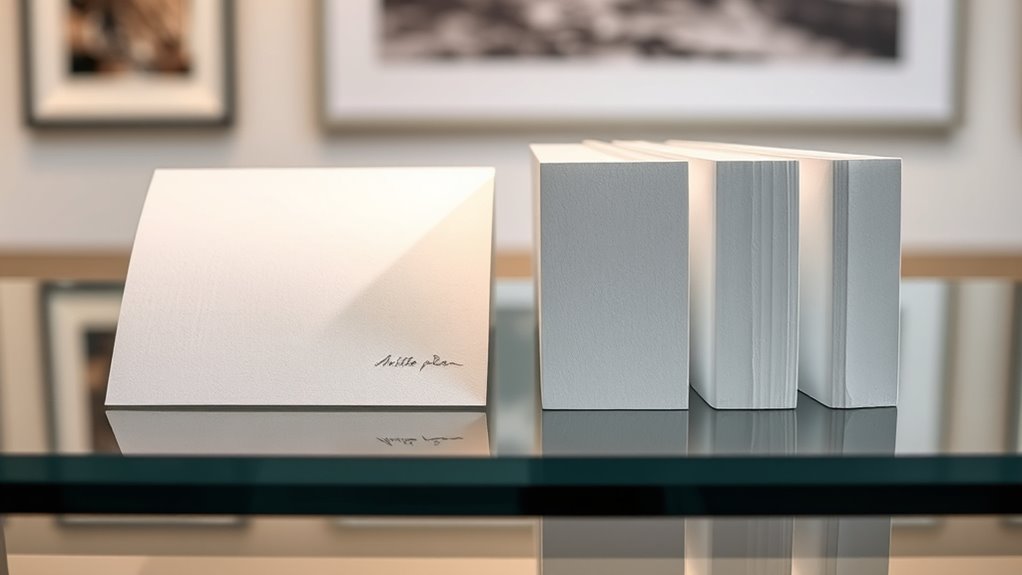
Artist proofs often command a premium compared to regular editions because collectors see them as more exclusive and closer to the artist’s original vision. This perception influences collector psychology, making A.P.s highly desirable. However, market saturation plays a role; when artist proofs flood the market, their exclusivity diminishes, decreasing value. Conversely, limited availability sustains high demand. Regular editions, while more accessible, are perceived as less unique, which impacts their market perception negatively. Collectors often view A.P.s as a symbol of authenticity and prestige, driving their higher prices. Understanding this dynamic helps you grasp why artist proofs hold a different place in the art market than regular editions. It’s a balance between perceived rarity, collector psychology, and overall market saturation that influences their value. Additionally, vetted artist proofs tend to maintain higher integrity and are often more carefully produced, further enhancing their desirability among collectors.
The Impact of Artist Reputation and Signature on A.P. Value
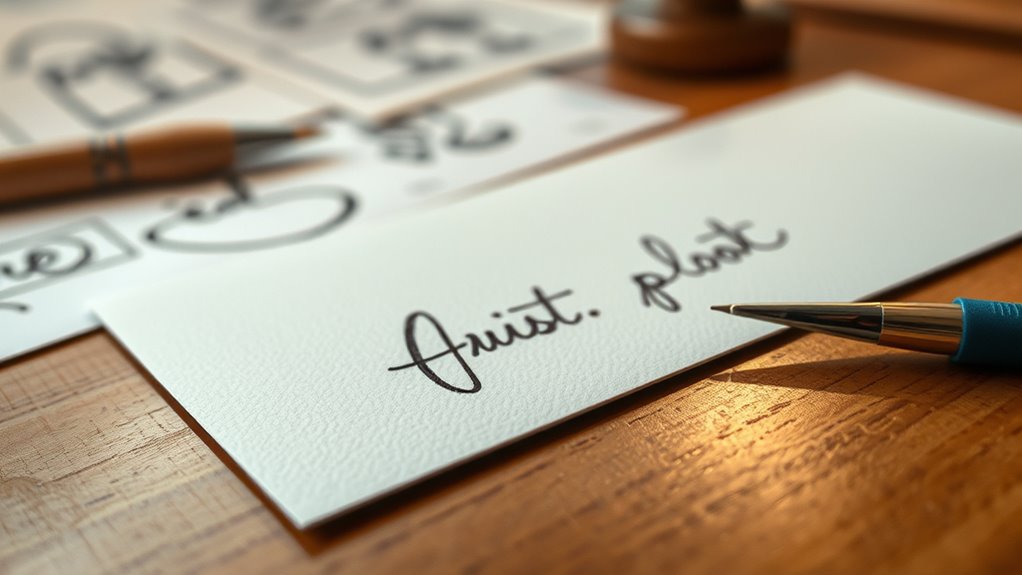
Reputation and signature play significant roles in shaping the value of artist proofs. When collectors seek proofs signed by renowned artists, their motivation often hinges on authenticity and prestige, driving up prices. A well-known artist’s signature acts as a mark of authenticity, reducing authentication challenges and reassuring buyers. Conversely, lesser-known artists may see less premium for signed proofs, as collectors weigh the signature’s significance against the artist’s reputation. Signed proofs also serve as tangible proof of the artist’s endorsement, increasing perceived value. However, for high-profile artists, forgeries or misattributions can complicate valuation, underscoring the importance of verified signatures. Additionally, the market demand for artist proofs can fluctuate based on current trends and the artist’s prominence, further influencing their market value. Ultimately, an artist’s reputation and signature are key factors influencing the desirability and market value of artist proofs.
Rarity, Condition, and Their Effect on Pricing
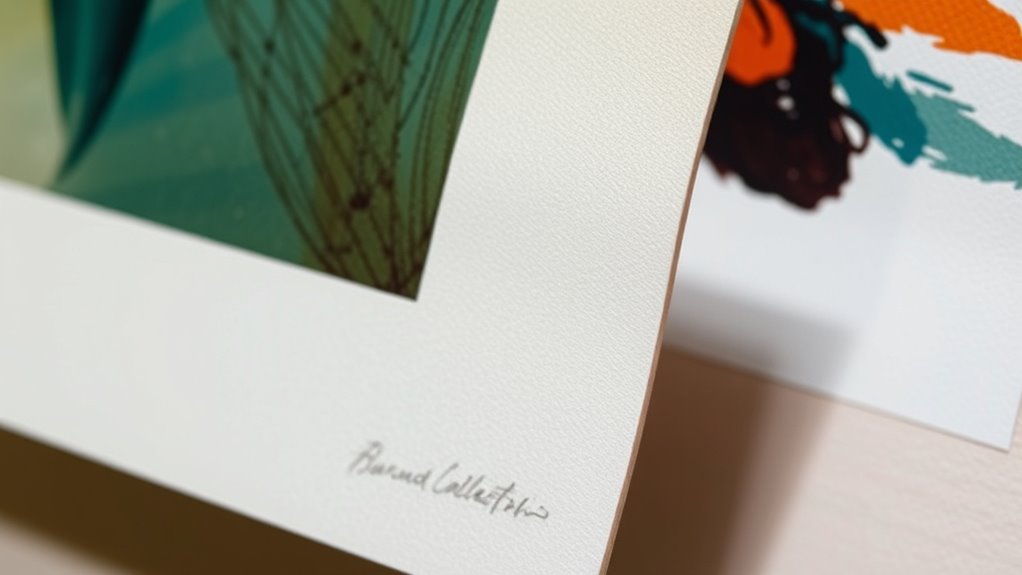
Rarity and condition are critical factors that directly influence the market value of artist proofs. Rare prints, especially those created using unique or limited printmaking techniques, command higher prices because fewer collectors can access them. The condition of an artist proof also matters; proofs in pristine condition with minimal wear are more desirable and fetch premium prices. Collector demographics play a role, as seasoned collectors often prioritize rarity and condition when valuing proofs. Limited editions or proofs with distinctive qualities tied to specific printmaking techniques tend to be more sought after. Additionally, the overall market demand for certain artist proofs can significantly impact their prices. Ultimately, a proof’s scarcity combined with excellent condition elevates its desirability and market price, making these factors essential considerations for both buyers and sellers in the art market.
Market Trends and Collectors’ Demand for Artist Proofs
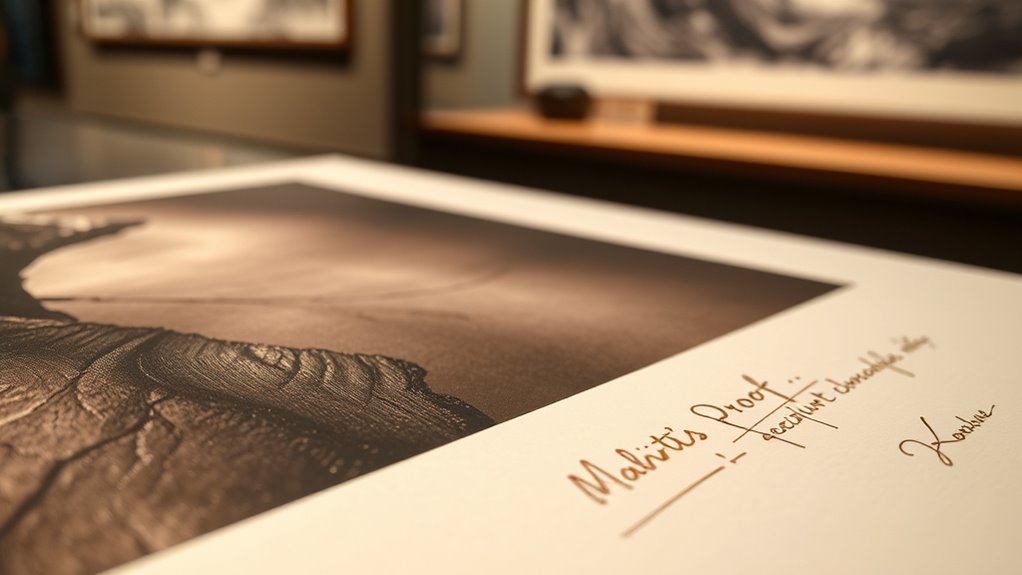
Market trends currently show a growing demand for artist proofs, driven by collectors seeking unique and limited-edition works. Appreciation trends indicate that collectors increasingly value the exclusivity and authenticity of A.P.s, viewing them as more personal or rare versions of original art. Collector demographics also influence demand; younger collectors and seasoned art enthusiasts alike seek artist proofs for their perceived rarity and investment potential. As appreciation for artist proofs grows, so does their desirability in the marketplace. This demand fosters a cycle where collectors actively seek out these proofs, fueling higher prices and increased interest from galleries and dealers. Additionally, the collectible nature of artist proofs enhances their appeal, reinforcing their status as coveted items among collectors. Ultimately, understanding these market trends helps you recognize why artist proofs continue to hold a special appeal and why their demand remains robust.
Investing in Artist Proofs: Risks and Rewards
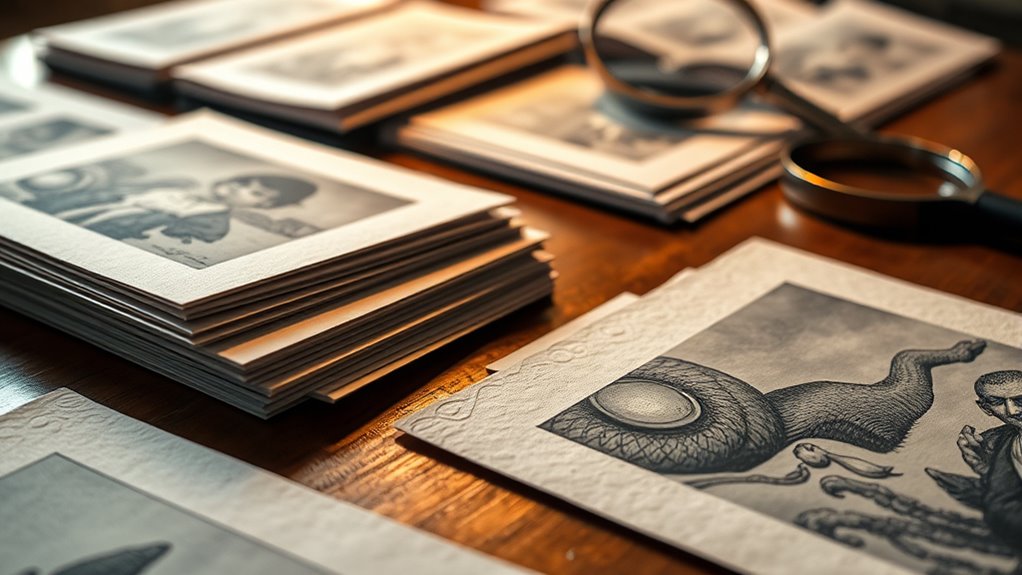
Is investing in artist proofs a smart move for collectors and investors? It depends on your approach to market speculation and your investment strategies. Artist proofs can carry higher risks due to their limited supply and fluctuating demand, making them susceptible to market volatility. If you’re aiming for short-term gains, timing the market becomes vital, but it also increases risk. Conversely, long-term investment strategies may benefit from the appreciation of artist proofs as their rarity and artist reputation grow over time. However, you should be aware that the value of artist proofs isn’t guaranteed and can decline if market interest wanes. Carefully weigh these risks against potential rewards before committing, and consider how market trends influence the value of these proofs within your overall investment plan. Additionally, understanding the financial impact of artist proofs, like WWE Raw’s significant revenue generation, can provide insight into their potential value in the entertainment and collectible markets.
Future Outlook for the Economics of Artist Proofs
As the landscape of artist proofs continues to evolve, understanding their future economic prospects becomes increasingly important for collectors and investors. Digital reproduction technology will likely influence how artist proofs are valued, potentially making authentic proofs more desirable amid high-quality reproductions. This shift could elevate the premium placed on original artist proofs, especially as they become rarer. Additionally, art licensing may open new revenue streams, enabling artists and owners to monetize proofs through licensing agreements for reproductions, merchandise, or digital platforms. These developments could stabilize or even increase the economic value of artist proofs over time. However, the rise of digital reproduction also poses a challenge, as it may dilute the exclusivity that traditionally drives their worth. The impact of color accuracy and other technological factors on the perception of authenticity will also play a role in shaping future valuations. Overall, adaptability to technological trends will shape the future market for artist proofs.
Frequently Asked Questions
How Do Authenticity and Provenance Affect Artist Proof Valuations?
Authenticity and provenance greatly influence artist proof valuations because they assure buyers of the piece’s legitimacy. When you verify authenticity through authentication and track provenance carefully, it boosts confidence in the artwork’s history and originality. This transparency increases demand and value, as collectors seek verified pieces. Without proper authenticity verification and provenance tracking, the worth of artist proofs declines, making them less desirable and harder to sell at a premium.
What Role Do Gallery and Dealer Commissions Play in Pricing?
You might think gallery and dealer commissions don’t impact prices, but they substantially influence the final cost. Gallery markup covers their expenses and profit, while dealer incentives motivate them to sell certain artworks quickly. These factors add to the artwork’s price, making it essential to understand how gallery and dealer commissions shape the art market. Recognizing this helps you better assess an artwork’s true value beyond its initial price.
How Do Digital Art and NFTS Influence A.P. Market Dynamics?
You see that digital art and NFTs are changing how artist proofs (A.P.) function. Digital ownership and blockchain transparency give buyers confidence in authenticity and provenance, making A.P. more valuable and tradable. You might notice that collectors now view A.P. as exclusive digital assets, increasing demand. This shift encourages artists and galleries to rethink pricing and exclusivity, blending traditional art concepts with innovative blockchain technology.
Are Artist Proofs More Susceptible to Market Fluctuations Than Regular Editions?
You might notice that artist proofs are more susceptible to market fluctuations than regular editions because collector speculation often drives their value. Market volatility impacts these proofs more because they’re seen as rarer, making them more desirable during hype. When collector interest shifts, prices can drop quickly. So, your investment in artist proofs is riskier, especially in uncertain markets, compared to more stable, regular editions.
How Does Artist Reputation Impact Long-Term A.P. Investment Potential?
Your understanding of how artist reputation impacts long-term A.P. investment potential hinges on collector loyalty and auction trends. When an artist has a strong reputation, collectors tend to stay loyal, increasing demand for A.P.s. This often results in favorable auction trends, boosting their value over time. With a reputable artist, your A.P. investments are more likely to appreciate, offering better stability and growth in the long run.
Conclusion
So, as you consider investing in artist proofs, ask yourself if the rarity, reputation, and market trends align with your goals. Will these unique pieces hold their value or become elusive treasures? Understanding their nuanced economics can help you make smarter choices. Ultimately, steering through the world of artist proofs demands both insight and intuition—are you ready to recognize their true worth and seize the opportunities they present?