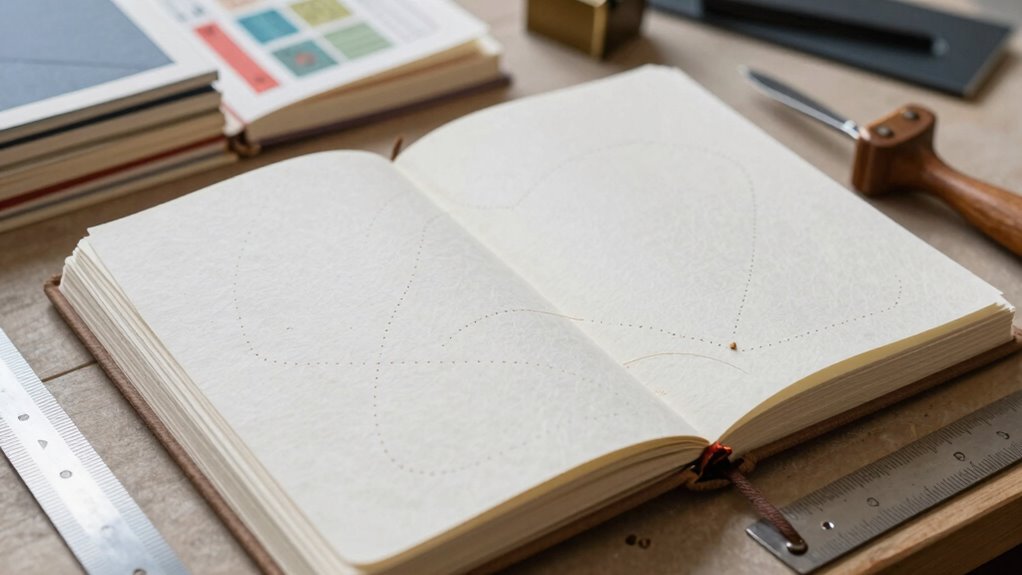
Before you start making your artist book, it’s essential to understand basic binding techniques like saddle stitch, perfect binding, Japanese stab, and sewn bindings. Each method offers different aesthetic and durability qualities, so choose based on your style and materials. Keep in mind common issues and how to fix them to guarantee your book stays intact. Exploring these options will help you create unique, durable pieces that stand out—there’s much more to discover ahead.
Listen free for 30 days with Audible
Thousands of audiobooks and originals — cancel anytime.
As an affiliate, we earn on qualifying purchases.
Key Takeaways
- Understand basic binding techniques like saddle stitch, perfect binding, Japanese stab binding, and sewn bindings for different artistic effects.
- Match binding methods to your artistic vision, considering aesthetics, durability, and compatibility with materials.
- Recognize common binding issues and learn troubleshooting tips to ensure longevity and structural integrity.
- Use high-quality, archival materials such as acid-free paper and durable adhesives for lasting artist books.
- Properly store artist books in stable environments to preserve their condition and prevent damage over time.
As an affiliate, we earn on qualifying purchases.
What Are the Basic Artist Book Binding Techniques?
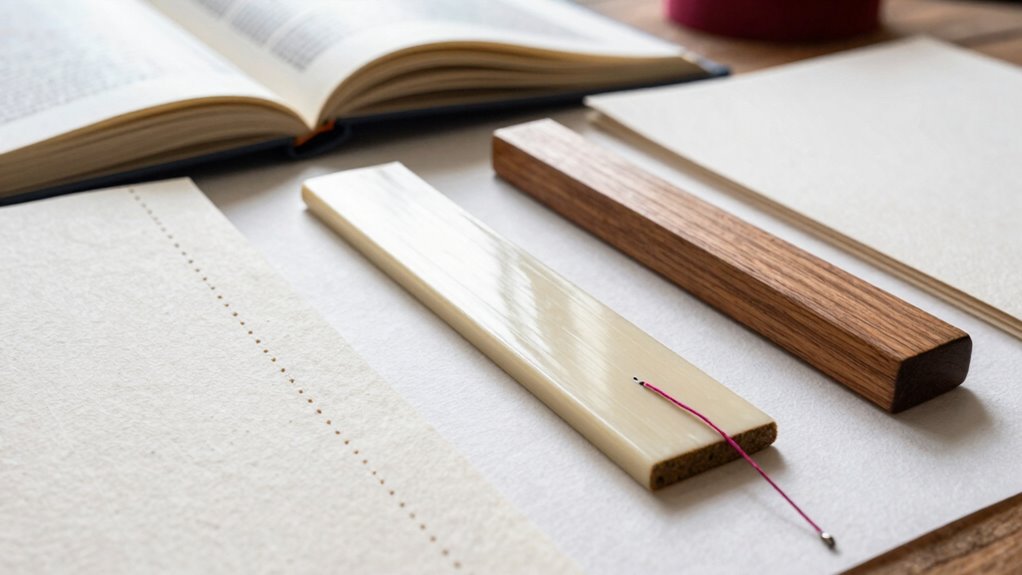
Understanding the basic artist book binding techniques is essential for creating unique and durable books. Your choice of binding influences the overall binding aesthetics, giving your book a distinct look and feel. Simple methods like stitched or sewn bindings can add a handcrafted charm, while more complex techniques create textured or layered effects. When selecting paper, consider its weight, texture, and color, as these choices impact both appearance and durability. Thick, high-quality paper enhances the book’s tactile appeal, while lighter paper suits delicate, layered designs. Balancing paper selection with your binding method ensures your artist book reflects your vision and lasts over time. Mastering these basics helps you craft books that are both visually striking and structurally sound.
As an affiliate, we earn on qualifying purchases.
How to Use Saddle Stitch in Your Artist Books

Saddle stitching is one of the simplest and most versatile binding methods for artist books, making it a popular choice for both beginners and experienced creators. It’s quick, affordable, and allows for creative experimentation, such as adding embossing techniques or foil stamping on the cover. To use saddle stitch, fold your pages in half and punch holes along the fold line, then sew or staple through these holes. For a professional touch, incorporate embossing techniques or foil stamping before binding to add texture and shine. Here’s a quick overview:
| Step | Tip |
|---|---|
| 1 | Choose sturdy paper for durability |
| 2 | Use a long-arm stapler or needle |
| 3 | Emboss or foil stamp before binding |
| 4 | Keep holes aligned |
| 5 | Add decorative covers |
Choosing the right printmaking paper can enhance the overall quality and feel of your artist books. Additionally, using high-quality materials not only improves durability but also enhances the visual appeal of your finished work. This method aligns well with digital concepts that encourage innovation in creative processes.
stapler for saddle stitch binding
As an affiliate, we earn on qualifying purchases.
As an affiliate, we earn on qualifying purchases.
Creative Ways to Use Perfect Binding
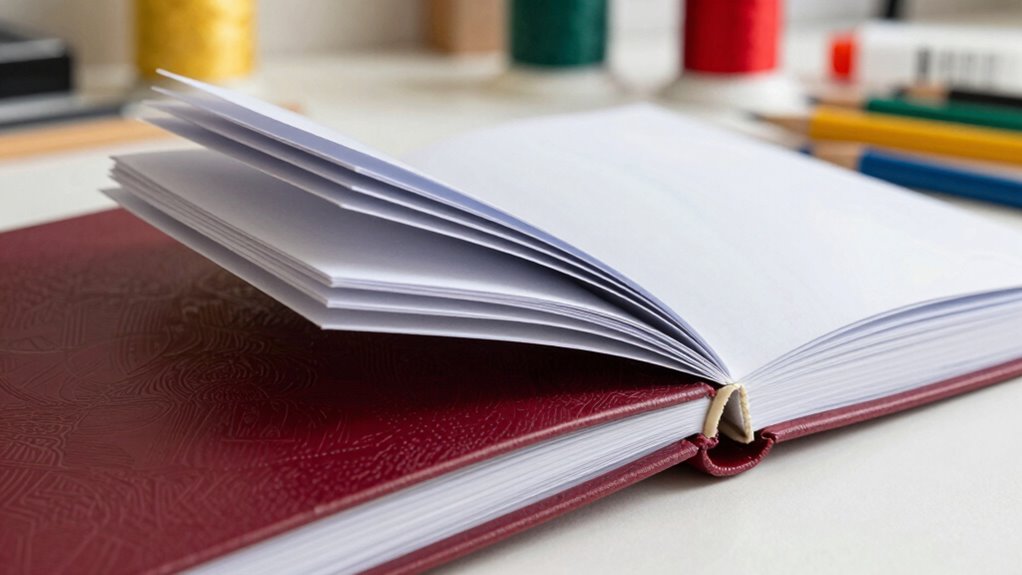
Perfect binding offers a sleek, professional look that’s perfect for creating polished artist books. To elevate your work, experiment with innovative binding techniques, like incorporating embossed covers or layered textures. Unconventional material choices—such as fabric, metal, or transparent plastics—can add depth and uniqueness to your books. Combine perfect binding with mixed media elements to create tactile experiences that surprise viewers. You might also explore varying the thickness of pages or using different paper types within a single volume for visual interest. Don’t be afraid to push boundaries by integrating collage, fabric inserts, or handmade papers. These approaches transform a simple perfect-bound book into a dynamic, engaging art piece that reflects your creative vision. Additionally, consider how employee ownership strategies can inspire collaborative projects that enhance your artistic community.
As an affiliate, we earn on qualifying purchases.
Japanese Stab Binding: A Traditional Technique for Artists
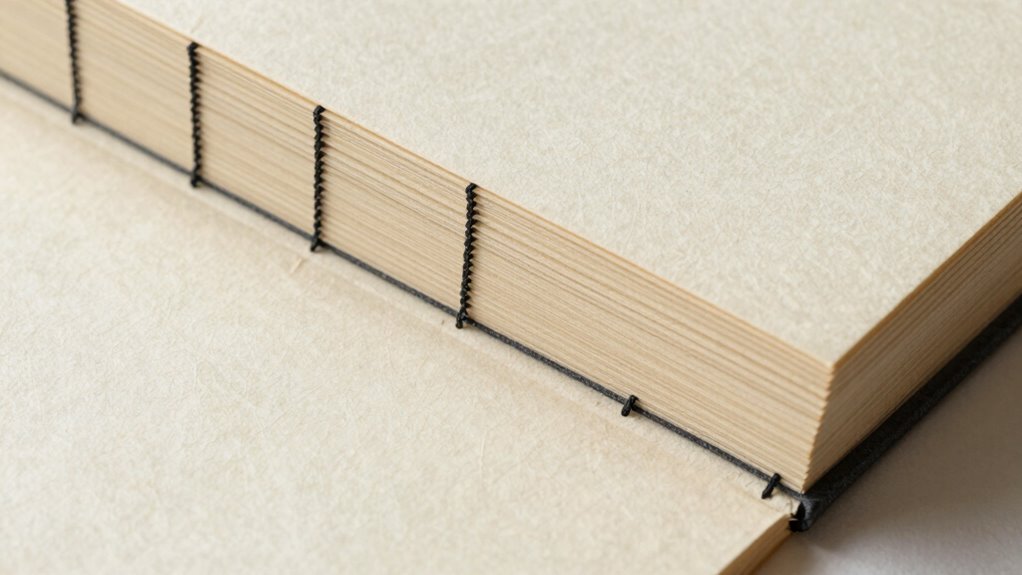
While perfect binding creates a sleek, modern look, exploring traditional bookbinding methods can add a rich, handcrafted touch to your artist books. Japanese stab binding is a prime example, emphasizing craftsmanship and aesthetic appeal. You’ll start by carefully trimming your paper, ensuring each sheet aligns perfectly. Then, incorporating origami folding techniques can add decorative elements to your cover or pages. The binding process involves punching holes along the spine, often in decorative patterns, and sewing through these holes with strong thread. This method is versatile, allowing for creative variations in stitch patterns or materials. Japanese stab binding not only secures your pages firmly but also showcases a beautiful, artisanal finish perfect for personal projects or artistic expression. Additionally, the precision in binding methods enhances the overall quality and durability of your artist books.
Sewn Bindings: Combining Durability and Style
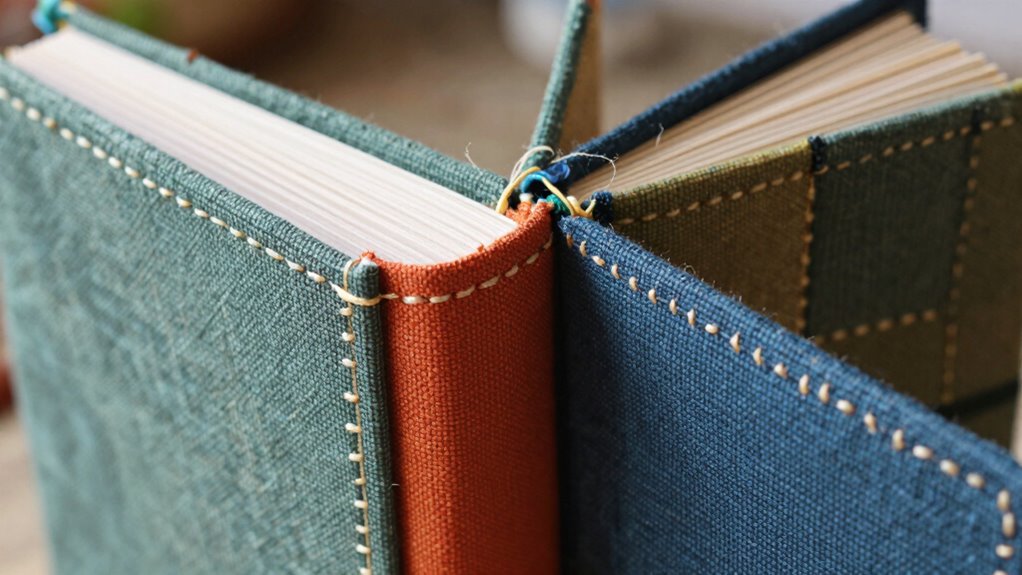
Sewn bindings offer a great balance of strength and flexibility, making your books both durable and easy to handle. You can enhance their look with decorative stitch patterns that add a personal touch. Choosing the right materials and quality threads guarantees your binding looks good and lasts over time.
Strength and Flexibility
Have you ever wondered how artist books can be both sturdy and flexible at the same time? It all comes down to choosing the right sewn binding techniques. By selecting high-quality paper with excellent durability, you guarantee your book withstands handling while maintaining a refined look. Sewn bindings naturally offer strength, holding pages securely, yet they can also be flexible enough to open flat or lay comfortably in your hands. This flexibility enhances the binding aesthetics, making your book both practical and visually appealing. Properly executed sewn bindings strike a balance, giving your artist book the resilience to last and the adaptability to showcase your work beautifully. With the right approach, you create a piece that’s as durable as it is dynamic. Additionally, understanding color accuracy can further enhance your artist book’s visual appeal by ensuring that the images printed within are vibrant and true to life.
Decorative Stitch Patterns
Decorative Stitch Patterns (Sewn Bindings: Combining Durability and Style)
Decorative stitch patterns elevate the visual appeal of sewn bindings, transforming a functional element into a signature design feature. By incorporating embroidery stitches and decorative motifs, you add a personalized touch that enhances the book’s overall aesthetic. These stitches can run along the spine, edges, or cover, creating intricate patterns or bold lines that catch the eye. You might choose a simple running stitch for subtle texture or experiment with more complex embroidery stitches like the chain or feather stitch for detailed motifs. The key is to balance durability with style, ensuring your decorative stitches complement the book’s theme. Additionally, integrating accessibility features into your design can make your artist books more inclusive and engaging for diverse audiences. These patterns not only strengthen the binding but also serve as visual accents, making each artist book uniquely expressive. Additionally, consider how eco-friendly practices in your bookbinding process can reflect a commitment to sustainability, further enhancing the narrative of your work. Using high-quality materials can significantly improve the longevity of your decorative stitches while maintaining their aesthetic appeal.
Material Choices and Quality
Choosing the right materials is essential for creating sewn bindings that strike a balance between durability and style. Your choice of paper textures impacts the book’s feel and visual appeal, from smooth to textured surfaces. High-quality binding adhesives ensure the stitches stay strong without damaging the paper. Consider these options:
| Material Type | Paper Textures | Binding Adhesives |
|---|---|---|
| Cotton Rag | Smooth, plush | PVA glue, wheat paste |
| Handmade Paper | Textured, fibrous | Archival glue |
| Recycled Paper | Slightly rough | Acid-free adhesive |
| Fine Art Paper | Varied textures | Flexible, strong glue |
Selecting appropriate materials enhances both the longevity and aesthetic of your sewn book, making it a true work of art.
How to Choose the Right Binding Method for Your Artistic Style
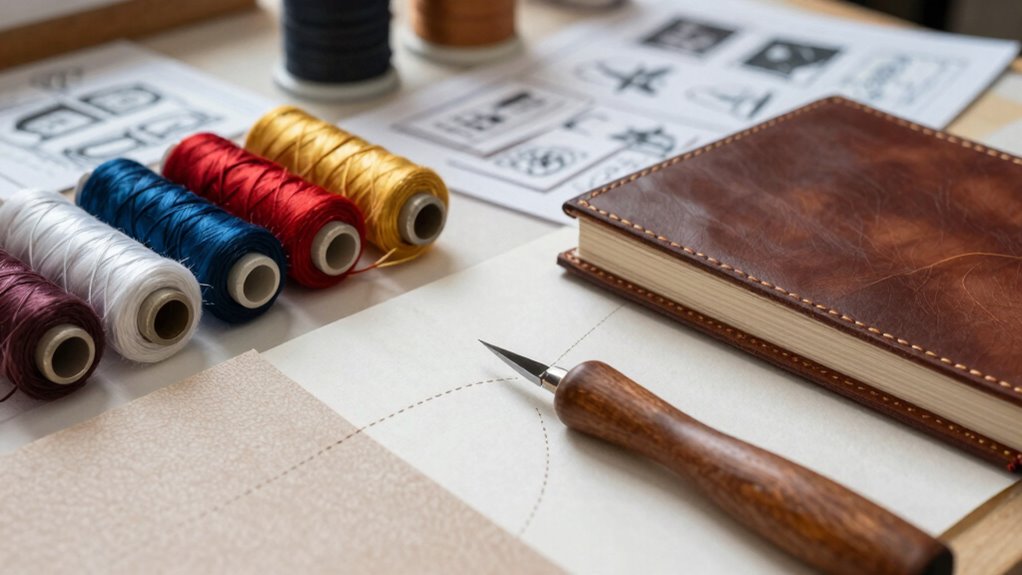
Selecting the right binding method is essential because it directly influences the overall look and functionality of your artist book. To do this effectively, consider your desired binding aesthetics—do you want a sleek, minimalist look or something more textured and elaborate? Your artistic style should guide this choice, guaranteeing the binding complements your artwork. Also, think about material compatibility: some bindings work better with certain papers, fabrics, or other materials. For example, exposed spines highlight craftsmanship, while sewn bindings add durability. Regular cleaning of the cage is crucial for maintaining the longevity of your materials. Overall, the choice of binding technique matches your aesthetic preferences with practical considerations like flexibility and durability. Ultimately, the right binding method enhances your creative vision and ensures your book not only looks great but functions well for your artistic intentions.
Common Binding Problems and How to Fix Them
Sure! Here’s the revised content following your instructions:
—
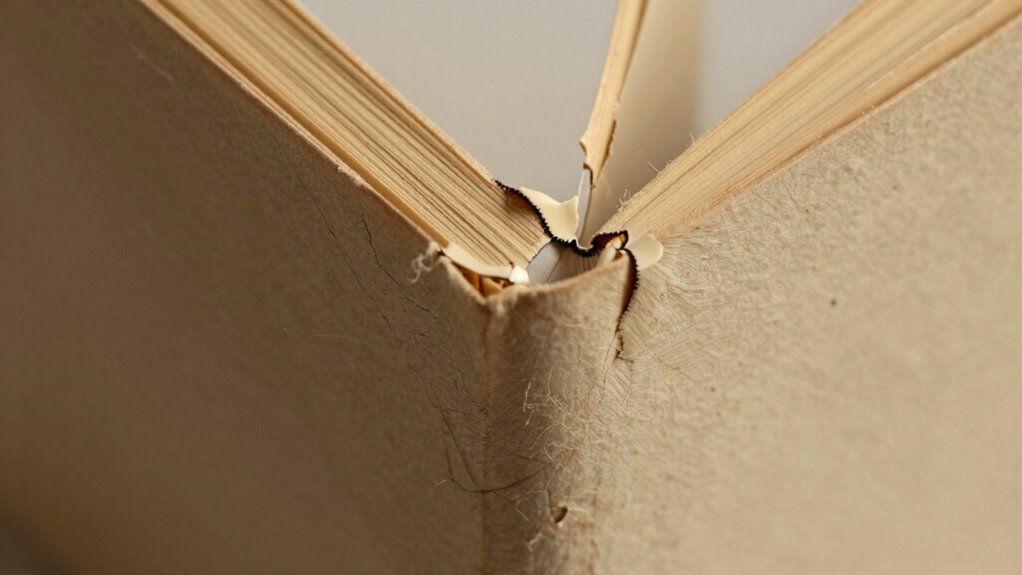
Even with careful planning, binding problems can still occur, affecting both the appearance and durability of your artist book. One common issue is with the binding material, which might not hold up if it’s incompatible or poorly applied. For example, using the wrong type of glue can lead to glue issues like warping, wrinkling, or weak adhesion. If pages start to loosen or the cover detaches, it’s often due to insufficient or uneven glue application. To fix these problems, carefully remove the affected pages or cover, then reapply a suitable, flexible glue designed for your binding material. Make certain you spread the glue evenly and press everything firmly while it dries. Proper preparation and attention to glue consistency can prevent most binding problems. Additionally, understanding the properties of various adhesives can greatly enhance your binding success. Using high-quality materials can also significantly improve the longevity of your artist book. Always ensure that your materials are chosen with user privacy in mind, as the right choices can contribute to a more satisfying overall experience. Furthermore, ethical consumerism encourages artists to select materials that are sustainable and responsibly sourced, which can also enhance the appeal of your work.
—
Let me know if you need any further adjustments!
Tips for Making Your Artist Book Bindings Last
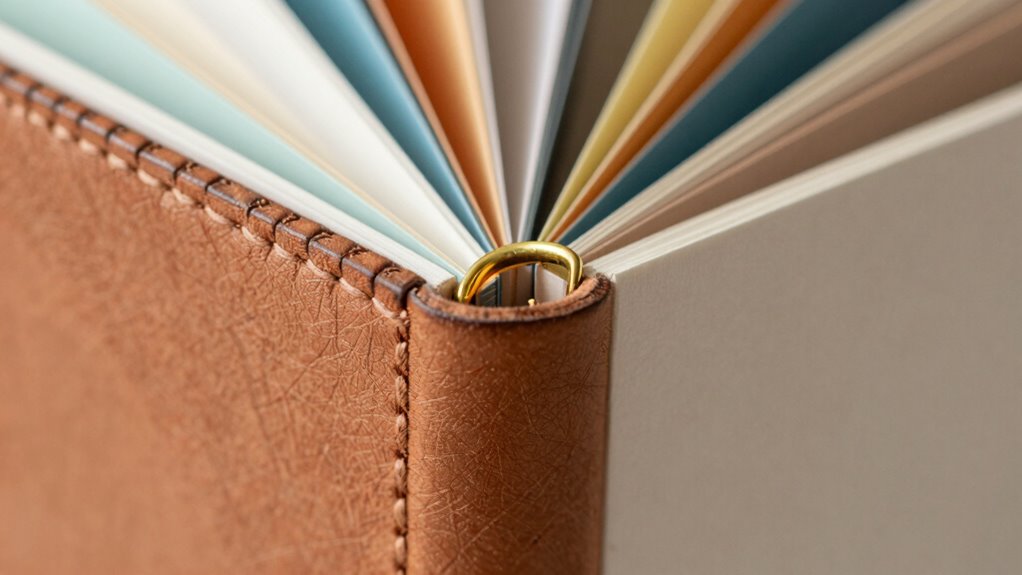
To make your artist book bindings last, start by choosing high-quality materials that stand the test of time. Proper storage is essential—keep your books in a safe, stable environment away from direct sunlight and moisture. Taking these steps guarantees your creations remain intact and beautiful for years to come. Additionally, consider how battery life affects the longevity of electronic components in some artist books. Furthermore, understanding how water damage can affect paper and bindings is crucial for maintaining the integrity of your work. Incorporating essential oils such as lavender can help protect your books from mildew and pests. Using high-quality materials not only enhances durability but also ensures that your work reflects the beauty and innovation found in contemporary artist books. Moreover, applying a straining technique when preparing your materials can further improve the quality and longevity of your bindings.
Use Quality Materials
Using high-quality materials is vital if you want your artist book bindings to stand the test of time. Choosing durable paper textures ensures your pages resist tearing and aging, while selecting the right ink types prevents smudging or fading over years. High-quality materials also improve the overall look and feel, making your work more professional and lasting.
- Opt for acid-free paper to prevent yellowing
- Use archival-quality inks for longevity
- Select textured papers that add visual interest
- Invest in sturdy binding materials for durability
Store Properly and Safely
Proper storage is essential to preserving the integrity of your artist book bindings over time. You should choose the right storage solutions to prevent damage from light, humidity, and dust. Keep your books in a cool, dry environment, ideally in a climate-controlled space. Use archival techniques, such as acid-free boxes or sleeves, to protect your books from deterioration and discoloration. Store them upright or flat, depending on their size and structure, to avoid warping. Avoid stacking heavy objects on top of your artist books. Regularly inspect your collection for signs of damage or deterioration, and address issues promptly. By implementing proper storage solutions and archival techniques, you’ll guarantee your artist books stay in excellent condition for years to come. Additionally, consider using acid-free materials to further enhance the longevity of your bindings.
Frequently Asked Questions
What Tools Are Essential for Beginner Artist Book Binding?
You need basic tools like a bone folder, sharp craft knives, and self-healing cutting mats to start. These help you work with different paper textures and guarantee clean cuts. A ruler, glue, and clamps are also essential for various binding styles. With these tools, you can confidently explore different binding styles, experiment with textures, and create professional-looking artist books right from the beginning.
How Do I Select the Best Binding for My Artwork?
To select the best binding for your artwork, consider your paper textures and cover materials. Think about how tactile or delicate your paper is—softer textures might need more flexible bindings like saddle-stitching, while sturdy cover materials suit case bindings. Match the binding style to the feel and durability you want, ensuring it complements your artwork’s aesthetic and function. Test different options to find what truly enhances your book.
Can I Combine Different Binding Techniques in One Artist Book?
Think of your artist book as a versatile garden—different bindings are like diverse plants thriving together. Yes, you can combine mixed media and unconventional structures to create a dynamic piece. By blending techniques like sewn signatures with pop-up elements, you craft a unique visual story. Just guarantee each binding complements the others, allowing your mixed media to flow seamlessly across the unconventional structures, making your book an engaging, cohesive work of art.
What Are Eco-Friendly Materials for Artist Book Bindings?
You can choose eco-friendly materials for artist book bindings by selecting sustainable paper options like recycled or handmade papers. Use biodegradable adhesives, such as wheat paste or natural glues, to minimize environmental impact. These materials not only support sustainability but also add unique textures and qualities to your book. Incorporating eco-friendly elements makes your art more conscious, helping you create beautiful, environmentally responsible artist books.
How Do I Add Decorative Elements to My Book Bindings?
Adding decorative elements transforms your book into a masterpiece, making it impossible for anyone to ignore its beauty. You can choose from a variety of decorative papers, like handmade or metallic, to add visual interest. Embellishment techniques such as embossing, stamping, or applying foil can elevate your design further. Experimenting with these options lets you personalize your binding and create a truly stunning, one-of-a-kind book that captures your artistic vision.
Conclusion
Now that you’re armed with these binding techniques, your artist books can truly blossom like a well-tended garden. Remember, choosing the right method is like finding the perfect key to access your creative voice. Don’t be discouraged by setbacks—they’re just ripples in your creative pond. Keep experimenting, and your artistry will shine through, turning each book into a story that’s as resilient and beautiful as a tree standing tall through seasons.
Fall Picks
fall essentials
As an affiliate, we earn on qualifying purchases.