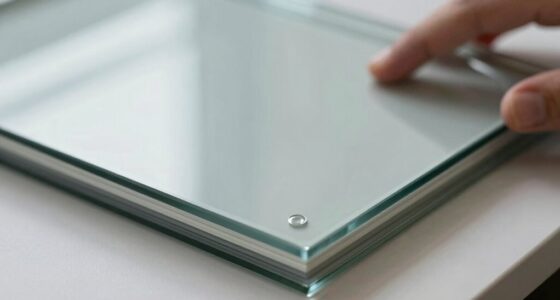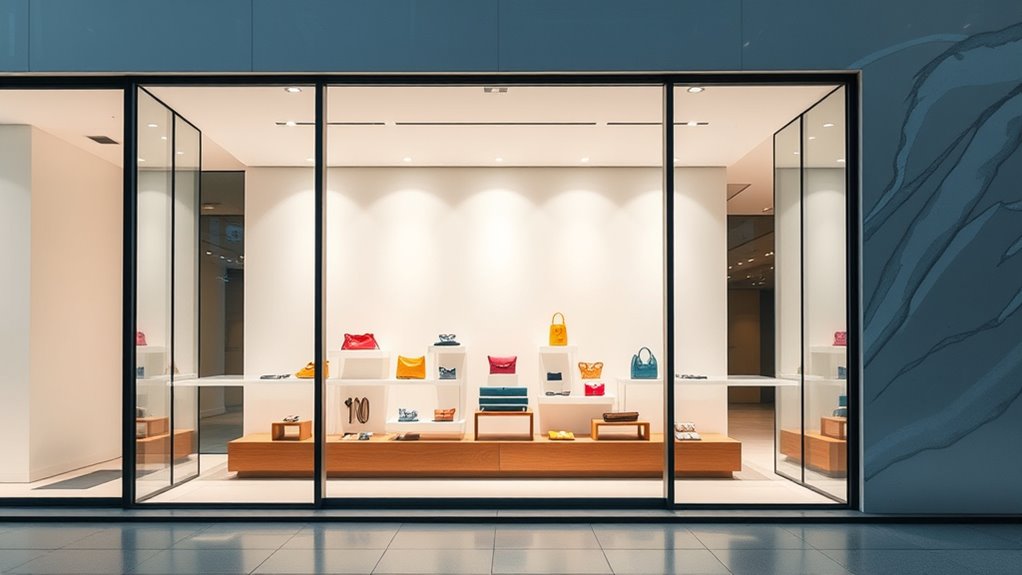

Frameless displays are perfect when you want a sleek, immersive look that minimizes distractions. Use them in environments like retail stores, conference rooms, or home theaters where a modern, sophisticated aesthetic matters. Proper installation guarantees a seamless appearance that enhances visual impact. Because these displays are delicate, professional mounting is recommended to maintain their clean look over time. Continue to explore how you can make the most of frameless displays to elevate your space.

Get art and craft supplies delivered free with Prime
- Fast, free delivery on millions of items
- Prime Video, Amazon Music and more included
- Member-only deals all year
Key Takeaways
- Use frameless displays in environments prioritizing modern aesthetics, such as retail, conference rooms, or home theaters.
- Opt for them when immersive visuals and minimal distractions enhance viewer engagement or presentation impact.
- Ensure proper installation by professionals to securely mount and maintain the seamless appearance over time.
- Choose frameless displays for digital signage and art installations to create striking, borderless visual presentations.
- Consider durability and support needs, as the delicate, edge-to-edge design requires careful handling and maintenance.
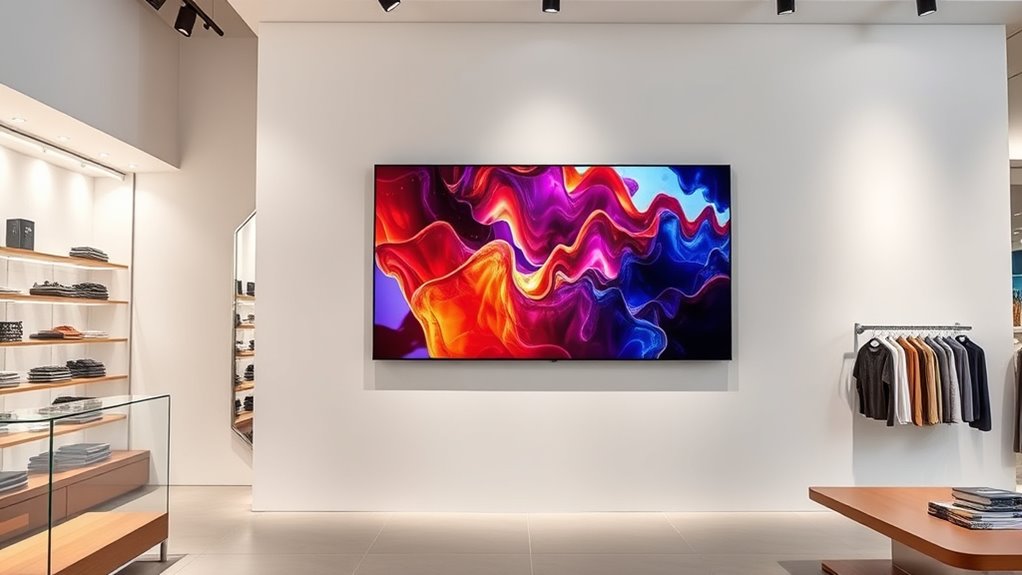
Have you ever wondered what makes modern screens look so seamless and immersive? It all comes down to the edge to edge design that’s become a hallmark of contemporary display technology. Frameless displays eliminate the bulky borders traditionally found around screens, allowing the display itself to extend seamlessly from one edge to the other. This design creates a visually striking experience, drawing you into the content without any interruptions or distractions. When you use a frameless display, you’re enjoying an environment where the boundary between the screen and the surrounding space virtually disappears, making it ideal for applications that demand a high level of immersion or aesthetic appeal.
The secret to the appeal of frameless displays lies in their seamless integration. Manufacturers carefully engineer these screens to guarantee that the glass or display panel flows smoothly into the edges, with minimal bezels or gaps. This requires precision craftsmanship and advanced manufacturing techniques, but the payoff is a clean, uncluttered look that enhances the overall user experience. With seamless integration, the focus remains entirely on what’s being displayed, whether it’s a vivid image, a detailed graphic, or an interactive interface. This is especially important in settings like retail, corporate environments, or home theaters, where visual impact matters most. You’re less distracted by borders or frames and more engaged with the content itself.
When it comes to choosing when to use a frameless display, consider environments where aesthetics and immersion are priorities. If you’re designing a modern retail store or creating a sleek conference room, a frameless screen can elevate the space’s overall look, making it feel more sophisticated and contemporary. In homes, these displays are perfect for media rooms or smart home setups, where a clean, unobtrusive design enhances the decor. They’re also well-suited for digital signage, art installations, or public displays where a seamless, eye-catching presentation captures attention effortlessly. Additionally, ensuring proper installation techniques can make a significant difference in maintaining the integrity and appearance of the display over time.
Installing a frameless display requires attention to detail, especially in guaranteeing proper mounting and support, since the absence of a frame can make the setup more delicate or demanding. It’s vital to work with professionals who understand the nuances of seamless integration, so the display remains secure and visually flawless. Ultimately, frameless displays are about creating a visual experience that’s immersive, elegant, and free of distractions. When used thoughtfully, they transform ordinary screens into stunning focal points that blend effortlessly into any space, elevating both form and function with their sleek, borderless design.
As an affiliate, we earn on qualifying purchases.
Frequently Asked Questions
Are Frameless Displays Suitable for Outdoor Environments?
Frameless displays aren’t typically suitable for outdoor environments unless they have strong weather resistance and vandalism protection. If you’re considering them outside, make certain they’re designed with durable, weatherproof materials to withstand rain, sunlight, and temperature changes. Additionally, look for vandalism protection features like reinforced glass or anti-theft mounting. Without these safeguards, frameless displays could get damaged easily, reducing their lifespan and effectiveness outdoors.
How Do Frameless Displays Impact Maintenance and Repairs?
Think of frameless displays as sleek, glass sculptures—beautiful but delicate. Their seamless design can make installation challenging, requiring precise handling. When repairs are needed, you might find repair accessibility tricky, as the flush surface leaves little room for tools. This means you need to plan for potential installation challenges and guarantee easy access for repairs, so your display remains stunning without turning into a maintenance nightmare.
What Are the Cost Differences Between Frameless and Traditional Displays?
You’ll find that frameless displays generally cost more upfront compared to traditional displays due to their sleek design and advanced materials. The cost comparison shows higher installation expenses because they require precise mounting and specialized equipment. However, they can save you money over time with easier maintenance and a modern aesthetic that may reduce replacement frequency. Overall, weigh the initial investment against long-term benefits to determine if they fit your budget.
Can Frameless Displays Be Integrated With Existing Signage Systems?
Yes, you can integrate frameless displays with your existing signage system. You’ll need to check mounting options to guarantee compatibility, as frameless displays often require specific brackets or fixtures. Consider compatibility considerations like signal connections and software integration to avoid issues. Proper planning ensures seamless integration, making your signage more modern and sleek without replacing your entire setup. Just verify the specifications and mounting options beforehand for smooth installation.
What Are the Best Practices for Cleaning Frameless Display Screens?
To keep your frameless display screens looking sharp, you should regularly perform screen cleaning using a soft, lint-free cloth. Avoid harsh chemicals; instead, use a damp cloth with a gentle screen cleaner or distilled water. Follow maintenance tips like turning off the display before cleaning and avoiding excessive pressure. This routine guarantees your screens stay clear, vibrant, and functioning at their best over time.
professional wall mount for digital signage
As an affiliate, we earn on qualifying purchases.
As an affiliate, we earn on qualifying purchases.
Conclusion
Frameless displays are like clear windows into digital worlds, offering sleek elegance and immersive experiences. Use them when you want a modern, minimalist look that draws attention to your content without distractions. They’re perfect for retail, exhibitions, or high-end tech environments. Just remember, their beauty lies in simplicity—so choose wisely and place them where they can truly shine. With the right setup, you’ll create an impact as striking as a perfectly cut diamond.
edge-to-edge monitor for home theater
As an affiliate, we earn on qualifying purchases.
As an affiliate, we earn on qualifying purchases.
borderless digital signage screen
As an affiliate, we earn on qualifying purchases.
As an affiliate, we earn on qualifying purchases.
Halloween Picks
halloween
As an affiliate, we earn on qualifying purchases.