Choosing between roll paper and sheets can streamline your print workflow, save costs, and improve material management. Roll paper is ideal for large, continuous prints like banners, reducing waste and speeding up production. Sheets work well for small, detailed projects but may slow you down with handling and storage. To optimize your approach, you need to take into account project size, quality, and volume. Keep exploring for detailed insights that can help you make the best choice for your needs.
Key Takeaways
- Roll paper is ideal for large, continuous prints, reducing waste and setup time, while sheets suit high-detail, fixed-size projects.
- Material properties like smoothness and thickness influence print quality, durability, and environmental impact.
- Roll paper offers cost efficiency and faster workflows for high-volume printing; sheets provide precision for small, detailed jobs.
- Proper handling, storage, and maintenance are essential to preserve material integrity and prevent damage.
- Workflow and project requirements, including volume, detail, and eco-friendliness, determine the best choice between roll paper and sheets.

VOISEN Wide Format Paper, 4 Rolls Plotter Paper 24 In x 150 Ft
- Size and Quantity: 4 rolls, 24in x 150ft each
- Core Compatibility: Fits 2-inch industry-standard printers
- High-Quality Material: Optimum moisture for precise ink absorption
As an affiliate, we earn on qualifying purchases.
As an affiliate, we earn on qualifying purchases.
How Do Roll Paper and Sheets Differ in Printing?
Sure! Here’s your revised article subheading content with the requested modifications:
—
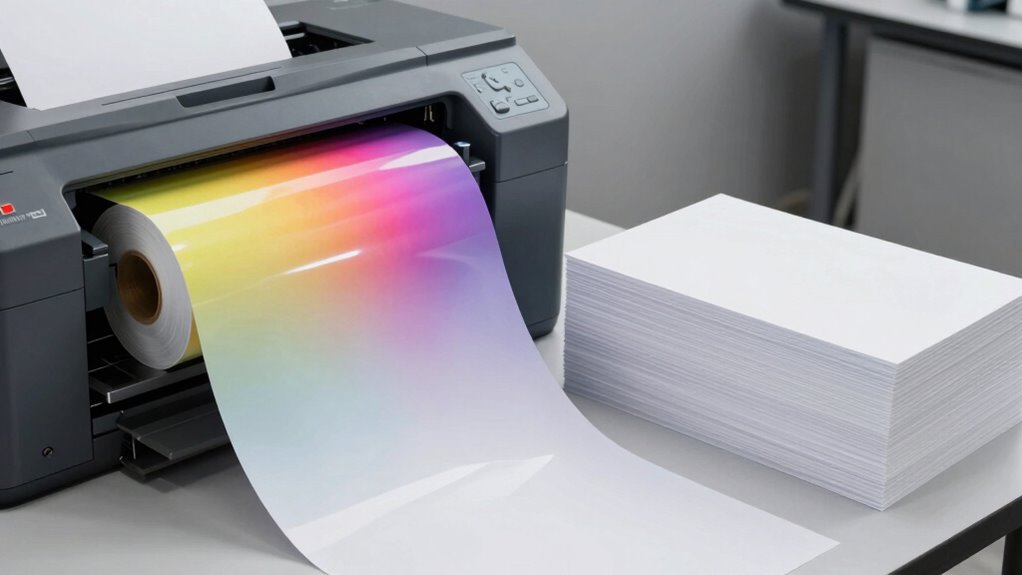
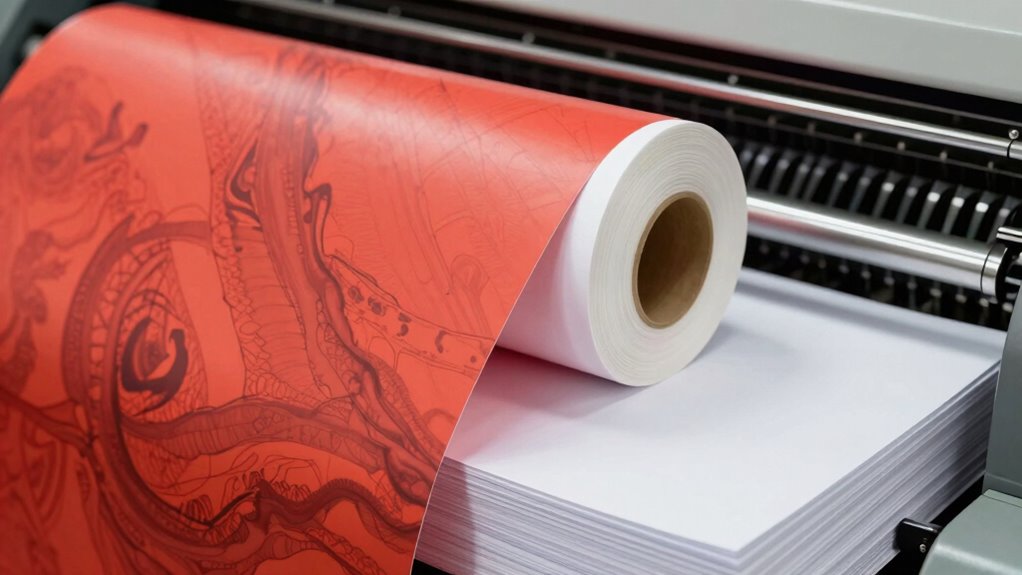
Have you ever wondered how roll paper and sheets differ in printing? The main differences lie in ink quality and paper thickness. Roll paper typically offers a smoother surface, which helps produce sharper images and vibrant colors, enhancing ink quality. Its continuous length allows for larger prints without seams, maintaining consistent ink absorption. Flywheels can similarly enhance performance by offering smoother operation in automotive applications. Sheets, on the other hand, come in pre-cut sizes with varying paper thicknesses, which can affect how ink settles and dries. Thicker sheets are more durable and resist bleeding, making them suitable for high-quality prints. Roll paper’s uniform surface ensures consistent ink application over extended prints, while sheets may introduce slight variations. Understanding these differences helps you choose the right medium for your printing needs, guaranteeing top-notch ink quality and appropriate paper thickness. Additionally, ensuring proper safety measures for devices can prevent overheating and enhance the longevity of your printing equipment. This choice in medium is crucial for exploring new frontiers in digital content, enabling you to achieve optimal results in your projects. Furthermore, sustainable printing practices can also play a significant role in reducing waste and promoting environmental responsibility. Additionally, using high-quality materials can further improve both the durability and visual appeal of your printed outputs.
—
Let me know if you need any more adjustments!

Dwpetzo Forest Woodland Castle Scenery Sticker Book for Journaling, 20 Sheets Precut PET Washi Materials Ephemera Stickers for Junk Journal Supplies, Scrapbooking, DIY Crafts Arts
- Complete Sticker Set: 20 sheets with diverse themes and styles
- Premium Craft Materials: Includes PET, washi paper, and writing paper
- Pre-Cut for Convenience: Peel-and-stick design for easy use
As an affiliate, we earn on qualifying purchases.
As an affiliate, we earn on qualifying purchases.
When Should You Use Roll Paper Instead of Sheets?
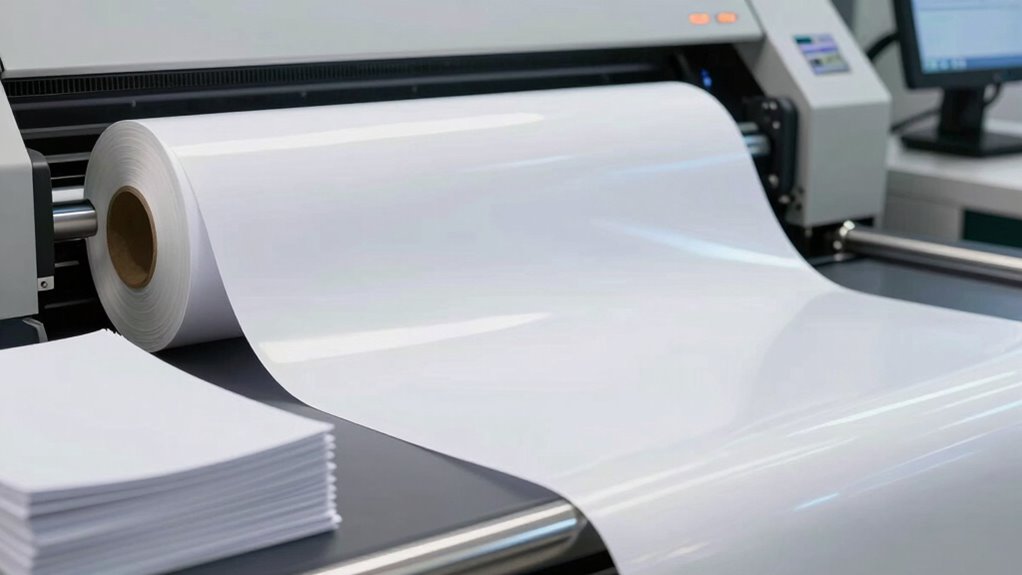
Wondering when to opt for roll paper instead of sheets? If your projects require large or continuous prints, roll paper is the best choice. It offers more customization options, allowing you to produce wide banners, posters, or continuous designs without seams. Roll paper also reduces waste, since you’re not limited by pre-cut sizes, which can help lower your environmental impact. When your workflow demands high-volume printing or custom dimensions, roll paper streamlines production and minimizes material excess. Additionally, if your printing needs frequently change in size or format, roll paper provides flexibility that sheets can’t match. Overall, choose roll paper when you prioritize large-scale, customizable output with a focus on efficiency and sustainability. Furthermore, using roll paper can enhance color accuracy in your prints, ensuring vibrant and true-to-life images. The choice of paper type can significantly impact print quality, which is crucial for achieving professional results. Also, consider that using roll paper can accommodate higher power output from printers designed for larger formats, enabling faster production times. As the demand for AI cybersecurity jobs grows, ensuring your printing technology is protected against evolving threats is essential for maintaining operational integrity. Additionally, roll paper can be a more cost-effective solution for large volume printing, reducing the frequency of material replacements.
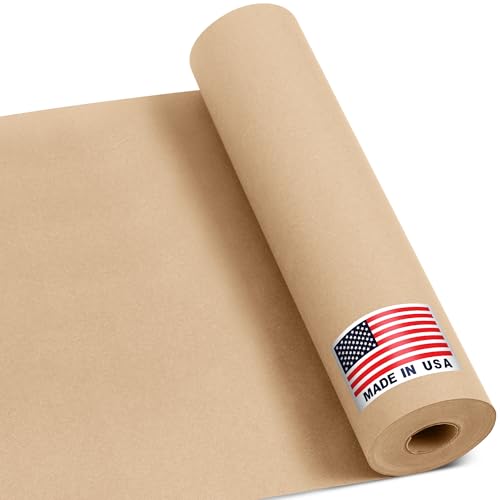
12" x 1200" (100 ft) Natural Kraft Paper Roll
- Made in USA: Durable Kraft Paper for Packaging
- Eco-Friendly Material: Recyclable, Non-toxic, Odorless
- Versatile Packing Use: Wraps fragile items and fills boxes
As an affiliate, we earn on qualifying purchases.
As an affiliate, we earn on qualifying purchases.
What Factors Should You Consider When Choosing Your Printing Material?
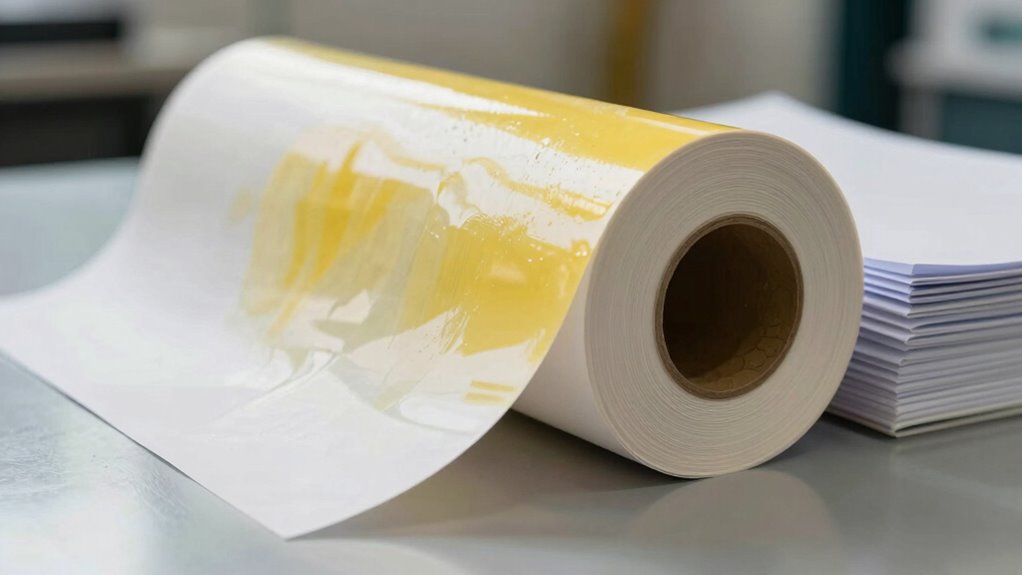
Choosing the right printing material depends on several key factors that directly impact your final output and workflow. Material durability is essential; consider how well the paper withstands handling, exposure, or time. For projects that need longevity or frequent handling, opt for more durable options like specialty papers or thicker sheets. Environmental impact is equally important—look for eco-friendly materials made from recycled or sustainably sourced fibers to reduce your footprint. Additionally, think about your printing environment and the type of ink or toner you’ll use, as some materials perform better with specific technologies. Balancing durability and environmental considerations helps you select a material that meets your needs without compromising sustainability or quality. Effective debt management strategies can also influence your overall budget for printing materials, ensuring you can invest in higher-quality options.

RCdepot1-1 x 24 inch x 100 ft Matte Window Decal Graphics Photo Peel sticker paper banner roll Printable Adhesive Vinyl Waterproof 2 inch core, Inkjet print signs and Stick labels PVC diy
- Material: Premium matte adhesive vinyl
- Size: 24 inch x 100 ft roll
- Thickness: 6 Mil thick
As an affiliate, we earn on qualifying purchases.
As an affiliate, we earn on qualifying purchases.
Pros and Cons of Using Roll Paper for Large Projects
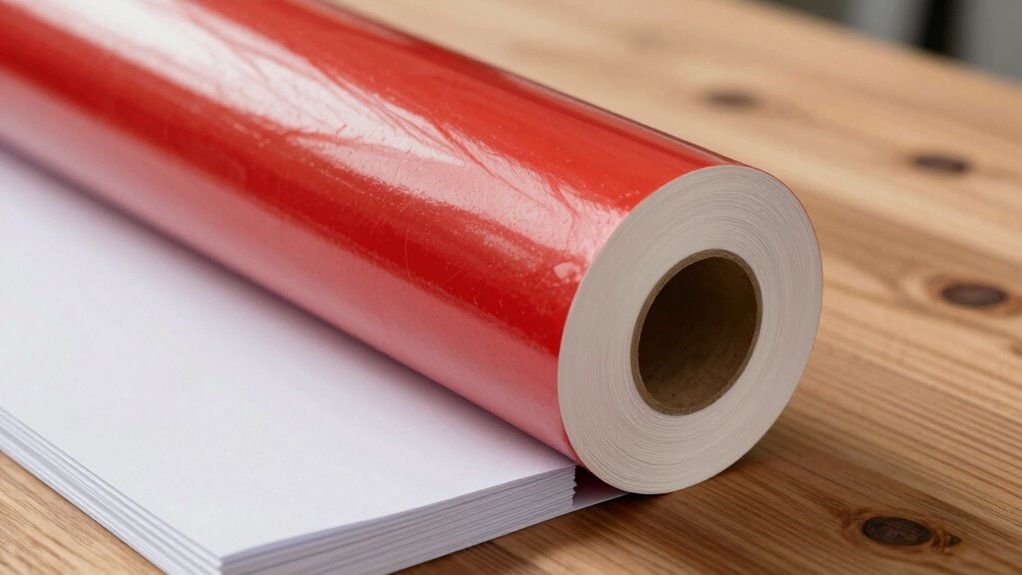
Using roll paper can save you money on large prints and keep your workflow smooth with continuous printing. However, it also presents handling and storage challenges that you’ll need to manage carefully. Additionally, sauna safety tips can provide valuable insights into maintaining an optimal environment during long print sessions. Incorporating auditory feedback therapy techniques can enhance focus and minimize distractions during these lengthy tasks. For those considering different formats, wide-format printing can offer additional benefits for large projects. Furthermore, investing in car protection accessories can protect your equipment from potential damage during these extensive printing operations. Understanding essential DIY tools can also help you set up your printing area effectively. Weighing these pros and cons helps you decide if roll paper fits your project needs.
Cost-Effective for Large Prints
When managing large print projects, roll paper often proves to be a more cost-effective option compared to sheets, especially over extended runs. It offers significant cost savings by reducing waste and minimizing the need for multiple cuts. Additionally, roll paper’s material versatility allows you to use it for a wide range of applications, from banners to fine art prints, without changing materials. Here are some advantages:
- Lower per-unit costs over long runs
- Reduced waste due to continuous length
- Fewer setup and handling expenses
- Flexibility in print sizes and formats
Choosing roll paper can streamline your workflow and optimize expenses, making it ideal for large-scale printing where cost efficiency matters most.
Continuous Workflow Benefits
Have you ever considered how roll paper can streamline your large project workflow? Its continuous nature allows for seamless printing without frequent pauses, boosting efficiency. Automation integration is easier, enabling your printer to handle long runs with minimal intervention. This setup reduces downtime, speeds up production, and guarantees consistent output. Additionally, using roll paper can lower environmental impact by minimizing waste compared to sheet handling, which often results in excess material. You save on packaging and disposal, making your process more eco-friendly. The uninterrupted flow helps maintain quality and reduces errors caused by sheet misalignment or manual loading. Overall, roll paper supports a smoother, more sustainable workflow, especially when working on large-scale projects that demand high-volume, continuous printing.
Handling and Storage Challenges
Handling and storing roll paper for large projects can present notable challenges, especially when it comes to managing its size and weight. Proper storage organization is vital to prevent damage and guarantee quick access. You need effective handling techniques to avoid tears or creases during transport or setup. Additionally, being aware of early detection signs can be crucial in ensuring that you take timely action if needed. Regularly checking for signs of deterioration can help maintain the quality of your materials and prevent potential issues.
Consider these key points:
- Use sturdy, vertical racks to minimize bending and facilitate easy access.
- Keep rolls in a cool, dry environment to prevent warping or deterioration.
- Unroll and handle with care to avoid stretching or tearing.
- Label rolls clearly for quick identification, reducing handling time.
Implementing these strategies helps streamline your workflow and protect your investment, making roll paper management more efficient and less cumbersome. Additionally, understanding the importance of reducing screen time can further enhance your focus and productivity during print projects.
Benefits and Limitations of Printing With Sheets for Small Jobs
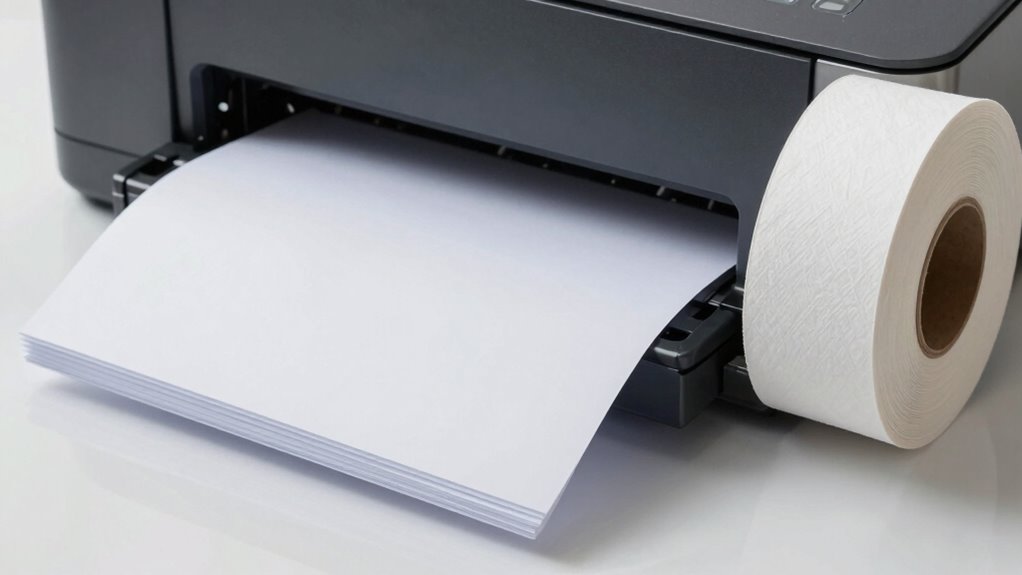
Printing with sheets for small jobs offers notable advantages, especially regarding flexibility and control. You can easily manage digital integration, allowing quick adjustments without wasting large rolls. Sheets also support high color accuracy, making them ideal for detailed, vibrant prints. Additionally, the philosophy of comparative advantage suggests that maximizing resource efficiency can enhance your printing outcomes. However, limitations exist. Handling multiple sheets can be time-consuming, and storing them neatly requires space. Additionally, for complex or larger projects, sheets become less practical. The table below highlights key ideas:
| Benefit | Limitation | Use Case |
|---|---|---|
| Precise color control | Time-consuming for large jobs | Small, detailed prints |
| Easy digital integration | Space for storage needed | Quick adjustments |
| Flexibility in handling | Less efficient for bulk | Short-term, high-quality jobs |
Using sheets can enhance your workflow, especially when considering efficient techniques for airless paint spraying.
How to Choose the Right Printing Method for Your Workflow
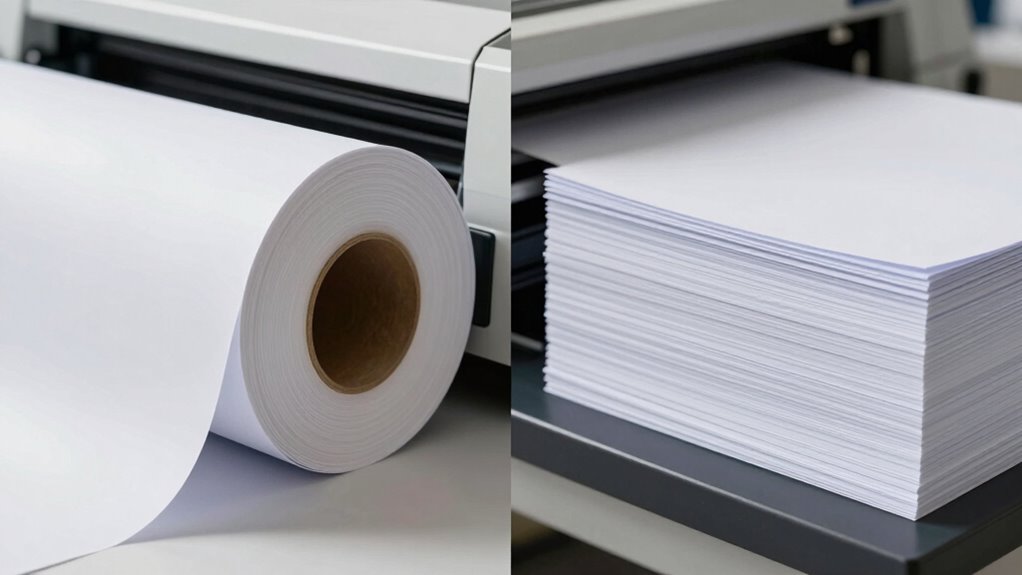
Choosing the right printing method depends on understanding your specific workflow needs and project requirements. Consider these factors:
Selecting the appropriate printing method hinges on your workflow and project needs.
- Digital integration: Opt for methods compatible with your digital systems to streamline file management and automation.
- Environmental impact: Select eco-friendly options that reduce waste and energy consumption, aligning with sustainability goals.
- Print volume and speed: High-volume needs favor roll paper for efficiency, while smaller jobs benefit from sheets for quick turnaround.
- Print quality and detail: Determine if your project demands sharp images or fine details, guiding your choice between roll and sheet printing.
Frequently Asked Questions
Can Roll Paper Be Used With Standard Office Printers?
Yes, you can use roll paper with standard office printers if they support larger or specialized paper types. Check your printer’s compatibility and paper handling capabilities first. Many office printers handle roll paper, especially for printing large banners or posters, but some might require additional equipment or settings adjustments. Always verify your printer’s specifications to guarantee smooth printing without paper jams or damage, and to get the best print quality.
How Does Print Quality Differ Between Roll Paper and Sheets?
You’ll notice that print quality on roll paper often surpasses sheets, thanks to better ink absorption and color consistency. Studies show roll media can deliver up to 30% more vibrant colors and sharper details. This is because the continuous surface minimizes printhead movement, reducing errors. So, if you prioritize high-quality, consistent images, roll paper provides a smoother, more professional finish compared to sheets.
Are There Cost Differences Between Using Roll Paper and Sheets?
You’ll find that using roll paper often offers better cost efficiency for large-scale or continuous printing, as it reduces waste and allows for longer runs. Sheets, on the other hand, can be more expensive per unit but provide material versatility for smaller or specialized jobs. Your choice depends on your printing needs—if you prioritize economy and flexibility, roll paper might be the smarter option.
What Maintenance Is Required for Roll Paper Printing Systems?
You need to follow regular maintenance routines for roll paper printing systems, including cleaning print heads and sensors to prevent clogs. Proper paper handling is essential; always load roll paper correctly to avoid jams or misfeeds. Check for dust or debris in the paper path, and guarantee rollers are clean and functioning smoothly. Regularly inspecting and maintaining your system keeps prints consistent and extends your equipment’s lifespan.
How Does Storage Space Impact Your Choice of Printing Material?
Storage space greatly impacts your choice of printing material. You should consider storage efficiency and space optimization to prevent clutter and guarantee easy access. Roll paper requires more room for unrolled length, which might be less suitable if space is limited. Sheets, on the other hand, are more compact and easier to store, making them ideal for tight spaces. Your decision hinges on balancing storage needs with your printing volume.
Conclusion
Ultimately, choosing between roll paper and sheets hinges on your specific needs—like a tailor selecting fabric for a suit. Think about your project size, workflow, and quality requirements. Remember, the right choice can streamline your process and elevate your results, transforming your printing experience from a mere task into an art form. After all, isn’t it time you let your workflow be as flexible and refined as your vision?