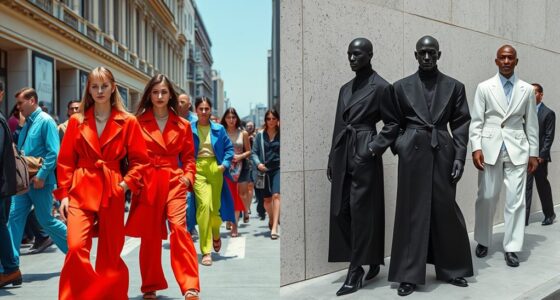
To craft evocative, enveloping spaces, focus on aligning colors, lighting, textures, and materials to evoke specific emotions. Use warm tones and layered lighting for energizing environments, or cool hues and soft textures for calming retreats. Incorporate sensory elements like tactile textures and sound to deepen emotional impact. Thoughtfully combining these elements creates immersive, personalized atmospheres that resonate deeply. Keep exploring how synchronizing interior details can transform any space into a mood-driven sanctuary.

Get art and craft supplies delivered free — and shop member deals
- Fast, free delivery on millions of items
- Access to Prime Big Deal Days deals on October 6–7
- Prime Video, Amazon Music and more included
Key Takeaways
- Use color psychology to select hues that evoke desired emotional responses, creating mood-specific environments.
- Incorporate varied textures and materials to add tactile interest and reinforce the intended emotional ambiance.
- Layer different lighting types to control sensory perception, enhancing intimacy, energy, or calmness as needed.
- Combine sensory elements like sound, scent, and touch to deepen emotional engagement and immersion.
- Integrate thoughtful design elements cohesively to craft personalized, emotionally resonant spaces that envelop occupants.
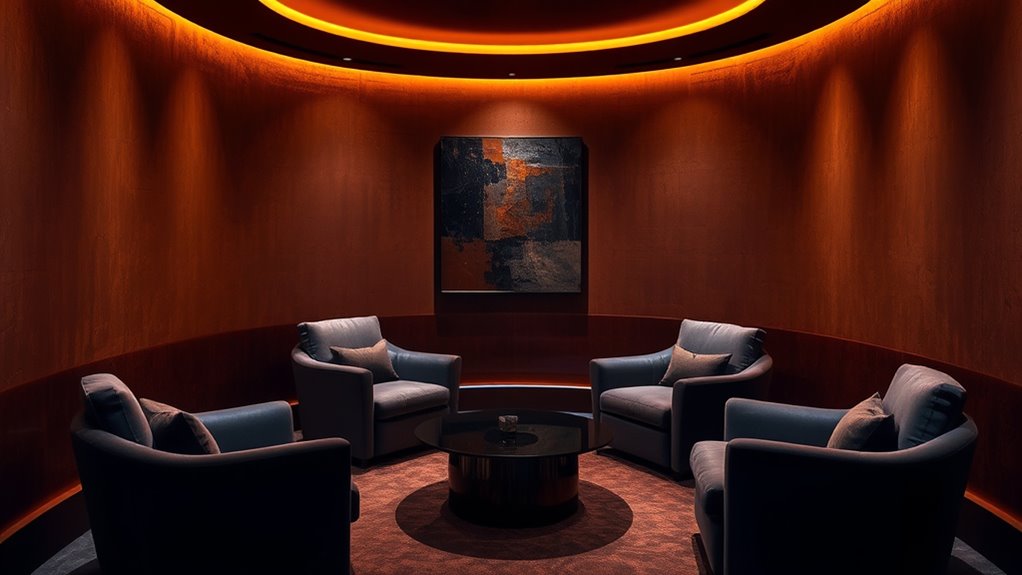
Creating a mood-driven interior begins with understanding how colors, lighting, and textures influence emotions. When you select elements intentionally, you shape an environment that evokes specific feelings and enhances your overall experience. Central to this process is color psychology, which explores how different hues impact mood and behavior. Warm colors like reds, oranges, and yellows tend to energize and stimulate, making spaces feel lively and inviting. Conversely, cool tones such as blues and greens promote calmness and relaxation, perfect for areas meant for unwinding. By grasping these psychological associations, you can craft spaces that align with your desired emotional atmosphere, whether it’s tranquility, excitement, or comfort.
Understanding color psychology helps create spaces that evoke the desired mood and enhance emotional well-being.
Sensory stimulation plays a crucial role in designing interiors that truly resonate with your senses. It’s not just about sight—touch, sound, and even smell contribute to the overall mood. Think about the textures you incorporate; plush fabrics, rough woods, or sleek surfaces each evoke different feelings. Soft textiles can create a cozy, welcoming vibe, while smooth, glossy finishes radiate modernity and sophistication. Lighting also profoundly influences sensory perception. Warm, dim lighting fosters intimacy and relaxation, whereas bright, cool light energizes and sharpens focus. Incorporating layered lighting options—like ambient, task, and accent lights—gives you control over the mood throughout the day or evening, enhancing sensory engagement.
Textures further amplify the emotional impact of a space. Combining different materials adds depth, interest, and tactile variety, which heightens sensory stimulation. For example, a plush velvet sofa paired with a rough stone fireplace creates a dynamic contrast that invites touch and visual intrigue. When textures are thoughtfully chosen, they reinforce the mood you want to achieve, whether it’s cozy and inviting or sleek and avant-garde. These choices influence how you feel within the space, making it more than just visually appealing—they make it emotionally resonant.
Ultimately, designing a mood-driven interior is about understanding how various elements work together to influence your senses and emotions. By applying principles of color psychology, selecting textures that provoke tactile responses, and using lighting to control sensory stimulation, you create an environment that feels intentional and immersive. This thoughtful approach transforms a mere room into a space that not only looks good but also makes you feel truly at home. When you pay attention to these details, you craft interiors that evoke the right mood, enrich your daily experience, and reflect your personality perfectly. Incorporating sound healing techniques can further enhance the sensory atmosphere and promote emotional well-being within your space.
As an affiliate, we earn on qualifying purchases.
Frequently Asked Questions
How Can Lighting Influence Emotional Responses in Interior Design?
Lighting considerably influences your emotional responses by shaping ambient atmospheres and providing emotional illumination. You can create a cozy, calming space with warm, soft light or energize a room with bright, cool tones. By adjusting light intensity and color, you guide feelings like relaxation or motivation. Thoughtful lighting design helps evoke specific moods, making your space more inviting and aligned with your emotional needs.
What Role Do Textures Play in Creating Mood-Driven Spaces?
Textures play a vital role in creating mood-driven spaces by offering tactile contrast that evokes emotional responses. You can use soft, plush fabrics to foster comfort or rough, rugged surfaces to introduce a sense of ruggedness or tension. Material symbolism also influences mood; for example, smooth marble suggests elegance, while reclaimed wood adds warmth and authenticity. By thoughtfully selecting textures, you enhance the space’s emotional impact and overall atmosphere.
How Can Color Psychology Be Effectively Integrated Into Design?
Imagine your space as a canvas, where each hue tells its story. To effectively integrate color psychology, use emotional color palettes that evoke specific feelings, guided by color symbolism. You can craft moods by choosing shades that resonate with your desired atmosphere, whether calming blues or energizing reds. This approach transforms your environment into a vibrant, emotional tapestry, making every corner feel intentional and alive.
What Are Common Pitfalls When Designing Immersive Environments?
When designing immersive environments, you risk overdesign pitfalls that overwhelm the space and neglecting functionality, which can make it uncomfortable or impractical. Avoid cluttering with excessive decor or complex layouts that hinder movement and usability. Focus on creating a balanced atmosphere where mood-driven elements enhance the experience without sacrificing practicality. Remember, immersive spaces should evoke emotion while remaining intuitive and functional for all users.
How Do Cultural Differences Affect Mood-Driven Interior Choices?
Ever wonder how culture influences your mood-driven interior choices? Cultural symbolism and regional aesthetics deeply shape what feels welcoming or inspiring to you. You might prefer warm, earthy tones if your culture values natural harmony, or vibrant colors reflecting celebration. Recognizing these cultural nuances helps you create spaces that resonate emotionally, making your environment truly personal and immersive. So, do you consider cultural influences when designing your space?
As an affiliate, we earn on qualifying purchases.
Conclusion
By blending bold colors, balanced backgrounds, and thoughtful textures, you can craft enchanting, comfort-filled spaces that stir emotions and spark sensations. When you tap into the power of mood-driven design, you transform ordinary rooms into extraordinary experiences. Remember, the magic lies in your mindful manipulation of materials and moods. So, seize the chance to sculpt spaces that soothe, surprise, and inspire—making every moment within them meaningful and memorable.
As an affiliate, we earn on qualifying purchases.
layered ambient lighting fixtures
As an affiliate, we earn on qualifying purchases.
As an affiliate, we earn on qualifying purchases.
Halloween Picks
halloween
As an affiliate, we earn on qualifying purchases.