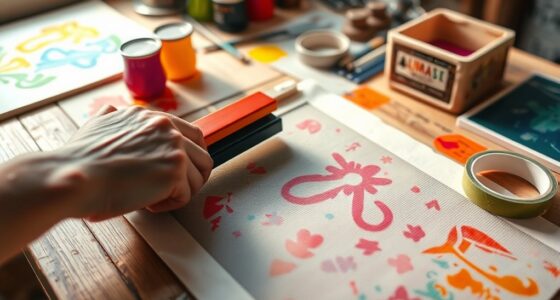

Letterpress feels so ‘crisp’ because it uses raised type that presses the ink into high-quality paper with just the right amount of pressure. This creates sharp, clean lines and tactile impressions you can feel and see. The combination of precise pressure, durable ink, and premium materials guarantees each print has a vibrant, embossed look. To discover how these elements come together for that signature crispness, explore further, and you’ll find even more details.

Get art and craft supplies delivered free — and shop member deals
- Fast, free delivery on millions of items
- Access to Prime Big Deal Days deals on October 6–7
- Prime Video, Amazon Music and more included
Key Takeaways
- The high pressure from vintage presses creates deep, tactile impressions that give letterpress its distinctive crisp feel.
- Proper ink application and consistent pressure produce sharp, clean lines and vibrant images.
- Using thick, high-quality paper enhances the tactile texture and helps maintain crisp impressions.
- Precise calibration and alignment prevent blurring, ensuring clear, sharp printing results.
- The embossed impressions on paper add a physical, textured quality that contributes to its ‘crisp’ sensation.
As an affiliate, we earn on qualifying purchases.
What Is Letterpress Printing and How Does It Work?

Have you ever wondered how the crisp, tactile feel of a printed letterpress piece is achieved? Modern design combines traditional craftsmanship with digital integration, making letterpress accessible and versatile today. You start by creating a digital design that’s precisely formatted and sent to a printing press. The digital files control the placement and pressure of the type or plates, ensuring accuracy. The press then uses engraved or raised surfaces to push ink onto thick, high-quality paper, creating that distinctive texture. This blend of digital precision and manual printing techniques results in a crisp, tactile finish that feels substantial and luxurious. Modern design tools allow for intricate detail, while digital integration streamlines production, making letterpress both timeless and adaptable to contemporary aesthetics.
As an affiliate, we earn on qualifying purchases.
A Brief History of Letterpress Techniques
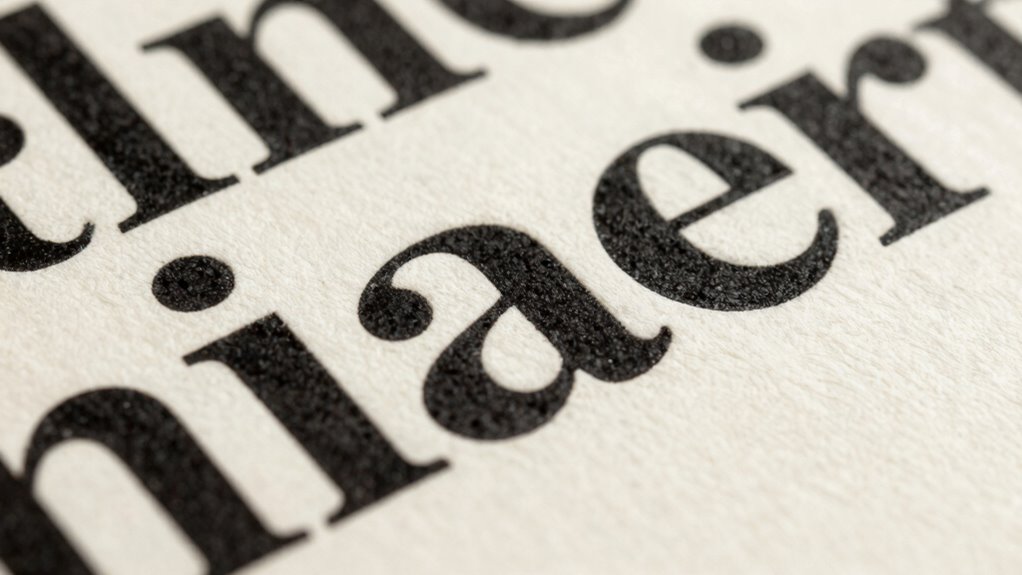
The history of letterpress techniques begins with the invention of early printing methods, transforming how information was shared. You’ll see how tools evolved from simple blocks to sophisticated presses, shaping the craft over centuries. Understanding this progression helps you appreciate the craftsmanship behind modern letterpress printing. This evolution parallels advancements in color accuracy that enhance the quality of printed materials. Additionally, early letterpress techniques relied heavily on manual cleaning to maintain the precision of the type and ensure the clarity of prints. As these methods advanced, printers began to incorporate fire pits for warming ink, enhancing the overall printing process. The rise of digital content has also influenced contemporary practices in letterpress, merging tradition with innovation. Furthermore, the precision achieved through auditory feedback in speech therapy mirrors the meticulous attention to detail necessary in letterpress printing.
Origins of Printing Technology
Printing technology has a long and fascinating history, with letterpress techniques playing a pivotal role in shaping how information was disseminated. Early on, inventors used vintage machinery to develop methods for transferring ink onto paper, revolutionizing communication. Johannes Gutenberg’s invention of the movable type around 1440 marked a significant milestone, enabling mass production of texts. This innovation paved the way for creative typography, where designers experimented with fonts, sizes, and layouts. The craftsmanship involved in operating vintage presses demanded skill and precision, laying the foundation for modern printing. As these techniques spread across Europe, they transformed society by making books and newspapers accessible to a broader audience. Understanding these origins highlights how the tactile, crisp quality of letterpress printing evolved from centuries of technological and artistic development.
Evolution of Letterpress Tools
As letterpress tools evolved over centuries, artisans and inventors continuously refined their methods to improve efficiency, precision, and quality. Vintage machinery played a vital role in this evolution, with early presses like the Gutenberg press revolutionizing printing processes. Over time, new tools emerged, allowing for greater detail and consistency. Artistic techniques were integrated into the craft, enabling artisans to create intricate designs and textures. Manual presses became more sophisticated, incorporating features that enhanced control and repeatability. The development of metal type and improved inking systems further elevated the craft, similar to the way advanced technology transformed pinball machines. These innovations laid the groundwork for modern letterpress, blending traditional craftsmanship with technological advances. Today’s printers still draw inspiration from this rich history, preserving the artistry and technical precision that define letterpress. Additionally, the principles of debt management can be applied to investing in quality letterpress materials, ensuring long-term value and sustainability in the craft.
As an affiliate, we earn on qualifying purchases.
What Makes Letterpress Feel So ‘Crisp’ and Tactile?

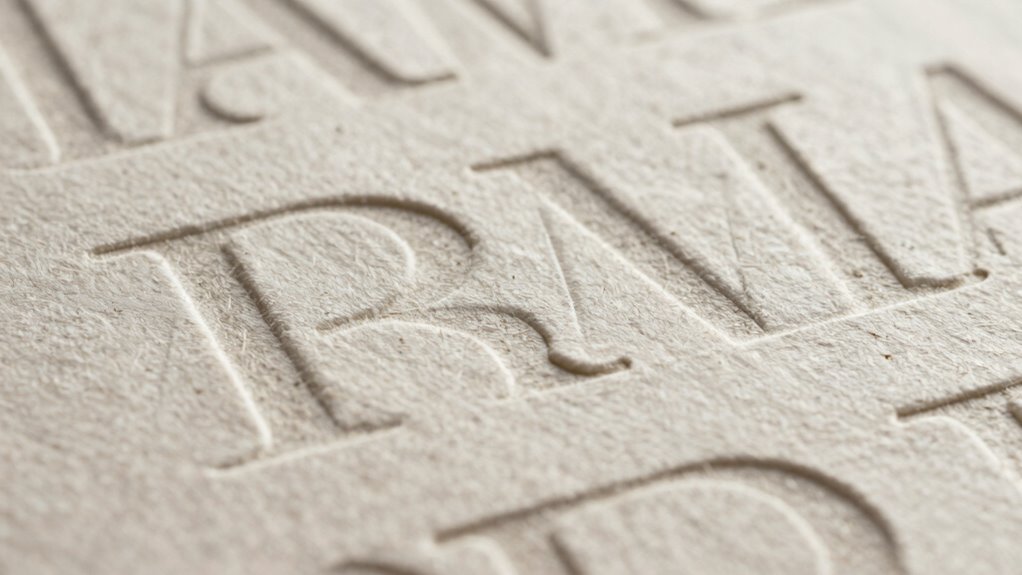
What makes letterpress feel so ‘crisp’ and tactile lies in its unique ability to create physical impressions on paper. This quality comes from the combination of vintage machinery and artistic craftsmanship. The vintage presses apply intense pressure, embossing the paper and leaving a tangible, raised impression. This process produces a distinct texture that you can feel with your fingertips, adding depth to the design. The craftsmanship involved ensures each impression is precise and consistent, highlighting the skill of the artisans. These elements combine to create a sensory experience that’s both visual and tactile, making letterpress stand out among printing methods. Additionally, the use of specialized gear in the printing process can significantly enhance the final results.
| Aspect | Explanation |
|---|---|
| Vintage machinery | Provides the pressure needed for impressions |
| Artistic craftsmanship | Ensures precision and quality |
| Physical impressions | Create tactile texture |
| Sensory appeal | Combines visual and tactile qualities |
As an affiliate, we earn on qualifying purchases.
How Letterpress Creates Sharp, Clean Lines With Raised Type
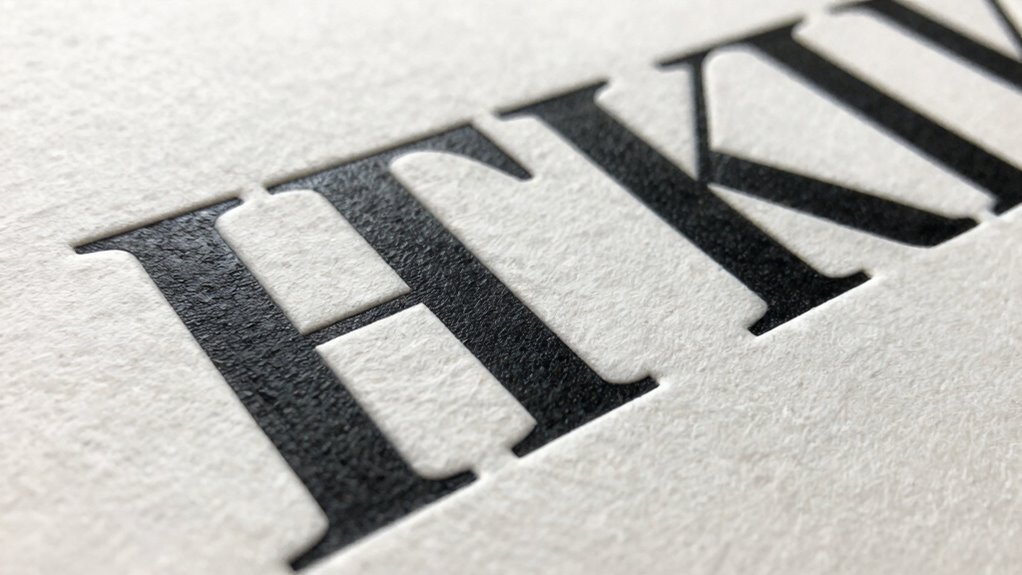
The precision of letterpress comes from how it elevates the type itself, creating sharp, clean lines that stand out vividly against the paper. This raised type forms a clear, crisp edge that defines each letter with precision, giving your design a modern aesthetic. The process emphasizes simplicity and craftsmanship, aligning with eco-friendly practices by reducing ink waste and minimizing chemical use. By using durable, sustainable materials, letterpress also lessens environmental impact compared to digital printing. The raised type punches through the paper, producing a tactile, visually striking impression. This method’s ability to create sharp, clean lines not only enhances readability but also lends a timeless quality to your work, combining traditional techniques with contemporary values. Additionally, the meticulous craftsmanship involved in letterpress printing mirrors the attention to detail required in ADAS sensor calibration, ensuring high-quality results in both fields.
How Ink and Pressure Produce Perfect Letterpress Impressions

How Ink and Pressure Produce Perfect Letterpress Impressions
Ink and pressure work together in letterpress to produce sharp, consistent impressions. When you apply ink, you want a balanced amount for vibrant color layering without smudging. The pressure from the press presses the inked type into the paper, creating a crisp, clean impression. Proper pressure ensures the ink transfers evenly, resulting in sharp edges and a tactile feel. Since ink drying can take time, it’s essential to allow sufficient drying before handling or stacking prints, preventing smudges. The combination of precise pressure and careful ink application guarantees that each impression is crisp and well-defined, highlighting the print’s depth and clarity. Sauna safety tips can also serve as a reminder of the importance of monitoring your environment while printing, ensuring optimal conditions for the best results. By mastering ink layering and understanding ink drying, you achieve the perfect balance that characterizes classic letterpress work. Additionally, the principles of molecular-scale circuits can inspire innovative approaches in optimizing pressure and ink delivery systems for enhanced printing quality. Understanding slang terms can also help in communicating the nuances of letterpress techniques in a more relatable way.
The Indentation Effect: Adding Depth and Texture to Your Prints

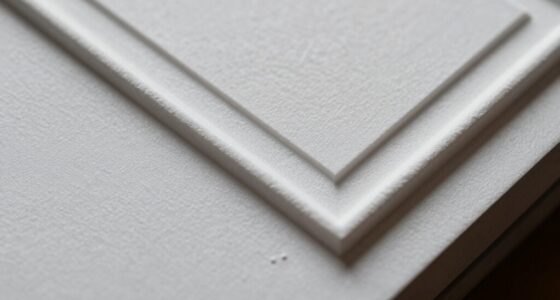
Adding depth and texture to your prints is what gives letterpress its distinctive tactile appeal. The indentation effect creates embossed textures that you can feel with your fingertips, making each piece more engaging. When you press the type into the paper, it leaves behind tactile impressions that add a subtle, yet powerful, dimension. This depth is achieved through precise pressure and the right paper choice, resulting in a crisp, raised look on the front and a corresponding indentation on the back. These embossed textures aren’t just visual; they invite touch, making your print more memorable. The indentation effect enhances the overall quality, emphasizing the craftsmanship behind letterpress and giving your designs a unique, textured character that digital printing simply can’t replicate. Additionally, the meticulous process of letterpress printing mirrors the importance of early detection of metabolic disorders, as both require careful attention to detail to achieve optimal results. The choice of moisture-wicking fabrics in printing materials can also influence the final tactile experience, enhancing the overall feel of the piece. Furthermore, selecting the right paper types can significantly impact the final print quality, ensuring that each impression showcases the unique characteristics of letterpress. Incorporating ergonomic design principles into your workspace can also enhance comfort, allowing for a more focused and enjoyable printing experience. Furthermore, using smart home technology can help streamline your printing process, increasing efficiency and safety in your workspace.
Comparing Letterpress and Digital Printing: What Sets Them Apart?

While the indentation and tactile qualities of letterpress set it apart, understanding how it compares to digital printing reveals more about their unique strengths. Letterpress offers a timeless, artisanal feel that emphasizes craftsmanship and sustainability, often using eco-friendly inks and papers. It’s ideal for high-end branding and special projects where texture matters. Additionally, the watt-hours of ink used in letterpress can be more environmentally friendly compared to some digital printing methods. Proper cabling solutions in the printing process can also enhance the overall quality and efficiency of production. Digital printing, on the other hand, excels in digital customization, allowing you to produce small runs with rapid turnaround times and endless design flexibility. It’s cost-effective for quick, intricate designs and offers consistent results. While letterpress emphasizes eco-consciousness and tactile elegance, digital printing prioritizes speed and versatility. Both methods serve different purposes, and your choice depends on whether you value tactile depth and sustainability or customization and efficiency. Incorporating natural ingredients in dog treats can also align with the sustainable practices found in letterpress printing, enhancing the appeal for eco-conscious consumers.
Materials and Paper Types That Enhance the ‘Crisp’ Feel

Choosing the right materials and paper types is essential for achieving a crisp, clean impression with letterpress printing. You want a sturdy, thick paper—preferably 100-160 lb. cover stock—that can hold the indentation without buckling. A smooth surface enhances the sharpness of your print and complements a focused color palette, such as bold blacks or vibrant metallics, which accentuate the crispness. When selecting paper, consider how typography styles will interact with the material; clean, sans-serif fonts or classic serif types look sharper on textured or matte finishes. The right combination of high-quality paper and thoughtful color choices guarantees your design feels tangible and precise, amplifying the tactile and visual sense of crispness that’s so distinctive to letterpress.
Common Challenges in Letterpress Printing and How to Overcome Them

You may encounter issues like uneven ink distribution, paper compatibility problems, or misaligned pressure during your printing process. These challenges can affect the quality of your final piece if not addressed properly. Understanding how to identify and fix these issues will help you produce crisp, professional results every time. Additionally, incorporating Victorian steampunk aesthetics can enhance the visual appeal of your printed materials. Using passive voice detection tools can streamline your editing process and enhance clarity. Keeping an eye on home safety measures can ensure a smoother printing experience by preventing unexpected interruptions. Furthermore, utilizing car protection accessories can safeguard your printing equipment, ensuring longevity and consistent performance.
Ink Distribution Issues
Ink distribution issues are a common challenge in letterpress printing that can lead to uneven impressions and inconsistent results. Poor ink saturation can cause parts of your print to appear faint or patchy, affecting the overall crispness. To improve this, make certain your press is properly balanced and your ink is neither too thick nor too thin. Uneven ink transfer often results in inconsistent color consistency across your print run. Regularly check your rollers and adjust their pressure to promote even ink application. Additionally, cleaning your equipment thoroughly prevents ink buildup that can cause irregularities. By maintaining proper ink consistency and guaranteeing uniform ink distribution, you’ll achieve sharper, more vibrant impressions that highlight the crisp quality unique to letterpress.
Paper Compatibility Problems
Even with perfectly balanced ink and clean equipment, paper selection can still pose challenges in letterpress printing. Paper texture affects the crispness of the impression and can cause uneven ink absorption, leading to fuzzy or inconsistent results. Thin or overly textured paper might not hold detail well, while thick or rough paper can produce a less sharp image. Choosing the right paper involves balancing texture and ink absorption to achieve a crisp, clean impression.
| Paper Type | Texture | Ink Absorption |
|---|---|---|
| Cotton rag paper | Smooth, soft | Low to moderate |
| Recycled paper | Textured, rough | High |
| Cover stock | Smooth, sturdy | Moderate |
| Handmade paper | Very textured | Varies |
| Vellum | Slightly textured | Moderate |
Pressure and Alignment Errors
Pressure and alignment errors are among the most common challenges in letterpress printing, often resulting in uneven impressions or blurred images. If the pressure isn’t consistent, ink application will vary, causing parts of your design to appear too light or too dark. Proper press calibration is essential to maintain even pressure across the entire print bed. Misaligned type or image plates can lead to blurred details and uneven impression depth. To fix these issues, regularly check and adjust your press settings, ensuring the pressure is evenly distributed. Double-check alignment before printing, and test with a small run to identify trouble spots. Fine-tuning pressure and alignment helps achieve crisp, uniform impressions that showcase the true quality of letterpress printing.
Why Letterpress Continues to Inspire Designers and Enthusiasts

What is it about letterpress that keeps inspiring both designers and enthusiasts today? Its tactile quality and historical significance make it timeless. The craftsmanship evokes a sense of authenticity and connection to the past, even as typography evolves. Plus, letterpress offers a unique texture that digital methods can’t replicate, making it a favorite for modern design projects.
Here are three reasons why it endures:
- It bridges tradition and innovation, inspiring contemporary typography evolution.
- Its handcrafted feel adds depth and personality to modern design, setting work apart.
- The process fosters creativity, encouraging designers to experiment with form and material.
Regardless of technological advances, letterpress remains a source of inspiration due to its tangible, artistic appeal and enduring influence.
Frequently Asked Questions
What Are the Best Paper Options for Letterpress Printing?
You should choose papers with a smooth, sturdy texture like cotton or high-quality cardstock for letterpress printing. These options handle ink coverage well, ensuring your design looks crisp and vibrant. Thicker papers create a beautiful embossed effect and prevent ink bleed, enhancing the overall feel. Avoid overly textured or flimsy papers, as they can compromise the sharpness and depth of your print, making the final product look less polished.
How Do You Troubleshoot Uneven or Inconsistent Impressions?
To troubleshoot uneven or inconsistent impressions, start by checking your impression pressure; too much or too little can cause uneven ink coverage. Adjust the pressure settings on your press to make certain of even contact across the entire plate. Also, examine the ink coverage—uneven ink distribution can lead to inconsistent impressions. Make sure your inking system is functioning properly, and consider testing on scrap paper to fine-tune your settings for a crisp, uniform impression.
Can Letterpress Be Used for Large-Scale Production?
Yes, you can use letterpress for large-scale production by applying scaling techniques and utilizing industrial presses. These presses are designed for higher volume work, ensuring consistent impressions and efficiency. By investing in advanced equipment and optimizing your workflow, you can produce high-quality letterpress prints at scale. Automation and proper maintenance also help maintain the crispness and precision that make letterpress so appealing, even in large quantities.
What Tools and Equipment Are Essential for Beginner Letterpress Printers?
You need just a few essential tools to start your letterpress journey—think a sturdy press, a set of metal or wooden type, and a brayer for smooth ink application. Immerse yourself in the history and evolution of letterpress, blending old-school craftsmanship with modern techniques. These basics will help you craft crisp, professional prints, making every impression feel like a timeless masterpiece, even with beginner gear.
How Does Letterpress Affect the Longevity of Printed Materials?
Letterpress enhances the longevity of printed materials because its ink absorption creates a rich, durable print that resists fading over time. The embossing process also adds depth, making the print more resistant to wear. When you carefully select quality paper and ink, you improve overall print durability. This combination guarantees your printed pieces stay crisp and vibrant longer, making letterpress an excellent choice for heirloom-quality projects.
Conclusion
Think of letterpress as a master sculptor carving crisp, clear impressions into the paper’s surface, leaving a tactile masterpiece behind. Its timeless charm lies in the way each letter and line stands proudly, inviting your fingers to feel its craftsmanship. When you choose letterpress, you’re not just printing—you’re creating a tangible piece of artistry that speaks to the soul of design, echoing history with every bold, beautiful impression.
Fall Picks
fall essentials
As an affiliate, we earn on qualifying purchases.