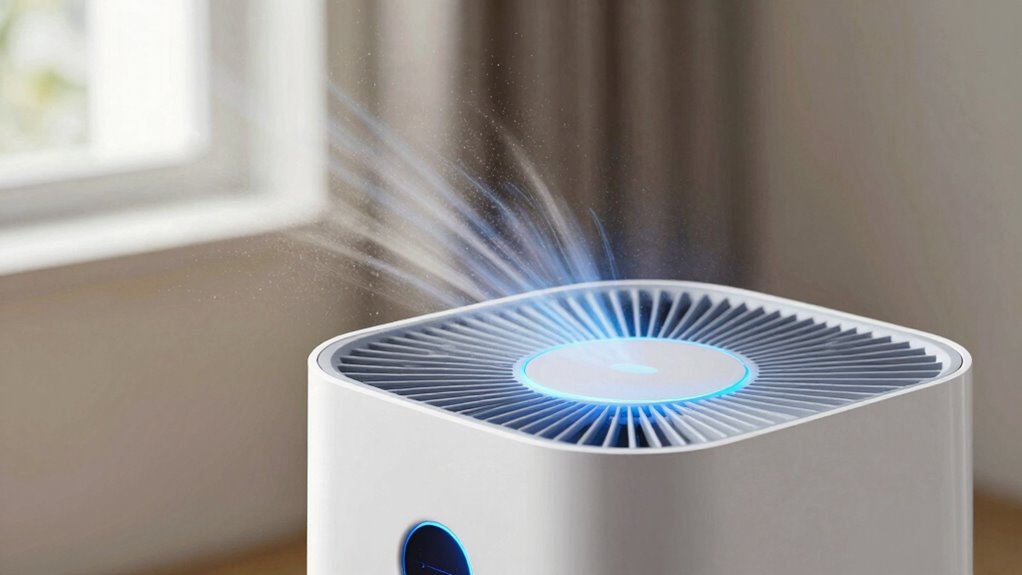

Maintaining good indoor air quality is essential for protecting both your health and art pieces. VOCs from paints, adhesives, and art supplies release toxins that can cause headaches, dizziness, and respiratory issues. Dust and particulates can worsen allergies and damage delicate art over time. Using effective air filters like HEPA and activated carbon helps trap dust, VOCs, and odors. Proper ventilation and regular cleaning are key. Keep exploring to discover how to create a healthier, safer environment for your art and wellbeing.
Open a free Amazon Business account
Business pricing, bulk buying and tax-exempt orders.
As an affiliate, we earn on qualifying purchases.
Key Takeaways
- VOCs from art supplies and cleaning products can degrade indoor air quality, damaging both health and delicate artworks.
- Dust, pollen, and pet dander accumulate indoors, posing health risks and accelerating art material deterioration.
- Air filters, especially HEPA and activated carbon, effectively remove dust, VOCs, and odors, improving air quality.
- Proper ventilation and humidity control prevent mold growth and dust buildup, protecting art and occupant health.
- Using low-VOC art materials and sealed storage reduces indoor pollutant levels and preserves art integrity.
HEPA air purifier for dust and VOCs
As an affiliate, we earn on qualifying purchases.
As an affiliate, we earn on qualifying purchases.
Why Indoor Air Quality Matters for Your Health
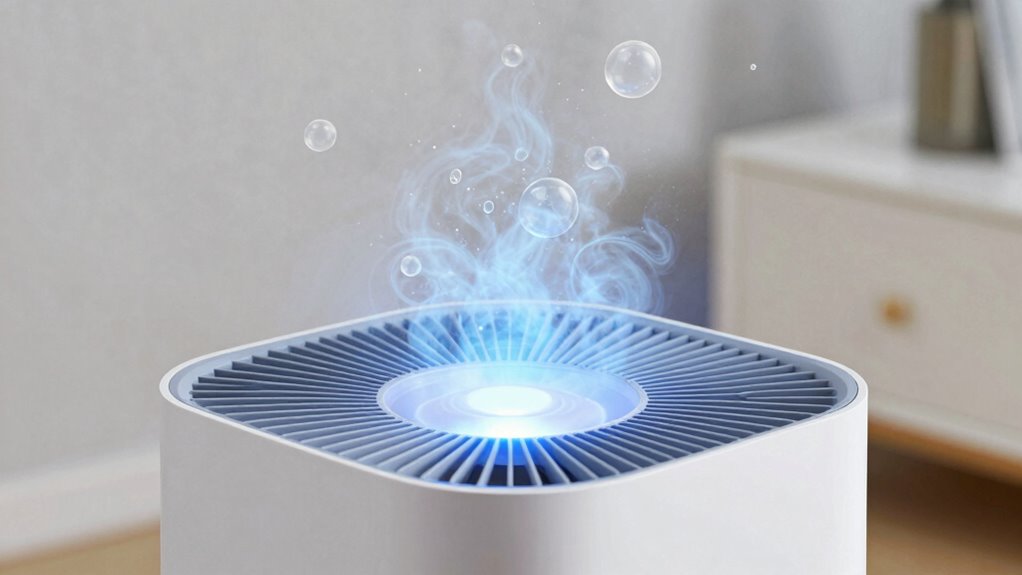
Since indoor air can contain pollutants that you might not even notice, it’s vital to understand how it impacts your health. Airborne toxins and indoor allergens can linger in your environment, affecting your well-being even if you don’t see or smell them. These pollutants can cause respiratory issues, allergies, and other health problems over time. Poor air quality may lead to headaches, fatigue, and worsened asthma symptoms. By paying attention to indoor air quality, you reduce your exposure to these harmful substances. Using filters and maintaining a clean space helps minimize airborne toxins and indoor allergens, creating a healthier environment. HEPA filters are essential in capturing many of these pollutants, making them a key tool in improving indoor air quality. Additionally, microplastics in dust can contribute to health risks, emphasizing the need for effective air filtration. Regular filter maintenance is crucial in ensuring that air purifiers operate at peak performance, further protecting your indoor air quality. Incorporating eco-friendly practices in your home can further enhance air quality by reducing indoor pollutants. Understanding the importance of digital content exploration is vital in discovering innovative ways to improve your indoor environment. Protecting your indoor air quality is a key step toward better overall health and comfort in your home.
activated carbon air filter for odors
As an affiliate, we earn on qualifying purchases.
As an affiliate, we earn on qualifying purchases.
What Are Common Indoor Pollutants (VOCs, Dust, Particulates)?
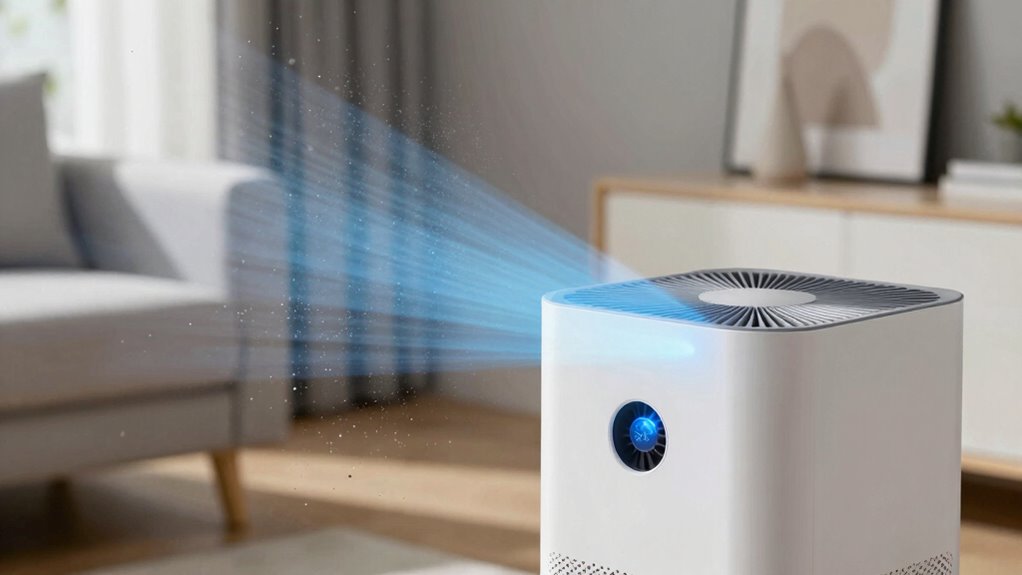
Indoor air can contain pollutants like volatile organic compounds (VOCs), dust, and tiny particulates that you might not notice. These pollutants can pose health risks, especially with prolonged exposure. Understanding what they are helps you take steps to improve your indoor environment. Additionally, maintaining metabolic health is crucial, as poor air quality can exacerbate existing conditions. For instance, ensuring proper ventilation and using air quality filters can significantly reduce the presence of these harmful pollutants. Moreover, using portable oil radiators can help maintain a comfortable temperature while minimizing dust circulation in the air. Furthermore, color accuracy in your home cinema setup can also affect your overall comfort and enjoyment, as a well-calibrated image can enhance your viewing experience, making it more enjoyable in a clean environment.
Common Indoor Pollutants Types
Many common pollutants can quietly accumulate inside your home, affecting both your health and the environment. Volatile Organic Compounds (VOCs) from paints, cleaning products, and furniture can off-gas into the air. Dust and particulates, including pet dander and pollen, settle on surfaces and circulate with airflow. These pollutants can diminish indoor air quality, making your space less comfortable. Using indoor plant benefits, such as air-purifying plants, can help reduce some pollutants naturally. Installing air quality sensors allows you to monitor pollutant levels in real-time, giving you better control over your environment. Understanding the types of indoor pollutants helps you take proactive steps to improve air quality and protect your health. Regular cleaning and proper filtration are essential defenses against these common indoor pollutants.
Health Risks of Pollutants
Have you ever wondered how the pollutants lingering in your home can affect your health? Airborne toxins, like VOCs from paints and cleaning products, can cause headaches, dizziness, and respiratory issues. Dust and particulates, often containing allergens or heavy metals, can worsen asthma and trigger allergic reactions. When you’re exposed to chemical fumes or dust, you increase your risk of long-term health problems, including lung damage and cardiovascular issues. Poor indoor air quality means you’re constantly inhaling these pollutants, which can build up over time. Even seemingly harmless art supplies or furniture can release chemicals into the air. Reducing exposure through proper ventilation and filters is essential to protect yourself from these hidden health risks caused by airborne toxins and chemical exposure indoors. Additionally, understanding the impact of location on assisted living costs can help inform decisions about maintaining a safe and healthy living environment.
As an affiliate, we earn on qualifying purchases.
How Art Supplies Contribute to Indoor Air Pollution

Ever wonder how your favorite art supplies might be affecting the air you breathe? Many common materials release volatile organic compounds (VOCs) and dust, which can build up in poorly ventilated spaces. Without proper art studio ventilation, these pollutants linger, increasing exposure and impacting your health. Even water-based paints and markers can emit VOCs, especially over time. To maintain creative workspace safety, it’s essential to use well-ventilated areas, open windows, and consider air purifiers designed for art environments. Choosing low-VOC or natural alternatives also helps reduce indoor pollution. Additionally, engaging in practices from somatic therapy can enhance your awareness of how these pollutants affect your body. Understanding indoor air quality is crucial for artists, as small changes in how you handle supplies and manage airflow can make a big difference in keeping your indoor air cleaner, safer, and more conducive to both creativity and well-being. Furthermore, necessary cookies can enhance your browsing experience by ensuring essential website functionalities are maintained. Moreover, inclusive casting in the art community can encourage discussions on health and safety practices that benefit all artists, fostering a more supportive creative environment. Furthermore, young players in various fields are increasingly focusing on health and safety, emphasizing the importance of maintaining a safe workspace.
air quality monitor for indoor pollutants
As an affiliate, we earn on qualifying purchases.
As an affiliate, we earn on qualifying purchases.
What Are the Risks of VOCs in Your Home or Studio?
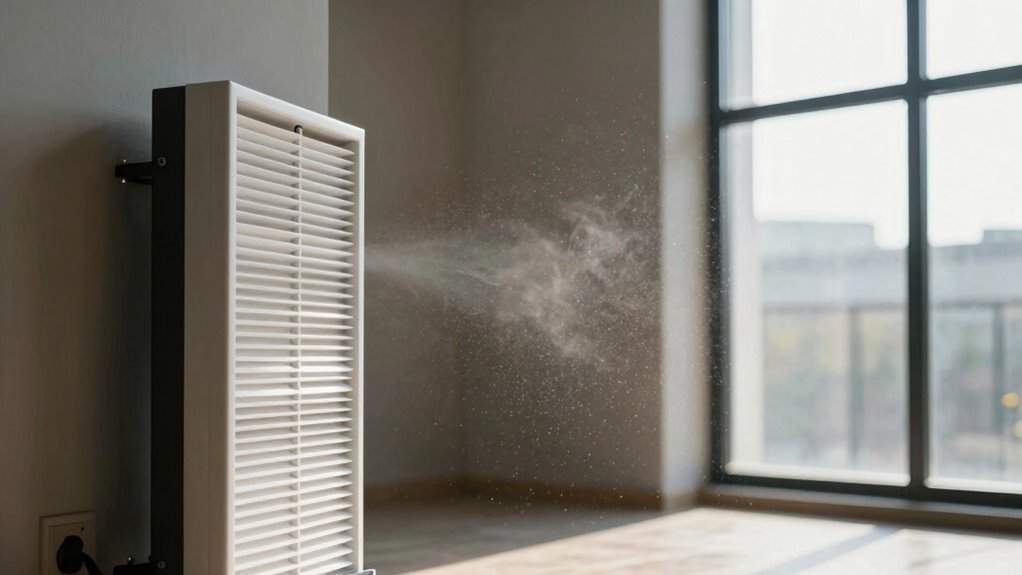
VOCs released from art supplies don’t just dissipate; they can accumulate in your home or studio, posing real health risks. Exposure to these volatile organic compounds can cause headaches, respiratory issues, and eye irritation, especially with prolonged or high-level exposure. Without proper VOC reduction strategies, the air quality worsens, impacting your health and creative environment. Dust control is also essential, as dust can carry VOC residues and other pollutants, further complicating air quality. Regularly ventilating your space, using air purifiers, and choosing low-VOC or VOC-free supplies help minimize these risks. Being proactive about VOC reduction and dust control keeps the air cleaner, ensuring a safer, healthier space for your art and well-being.
How Dust and Particles Can Harm Your Breathing
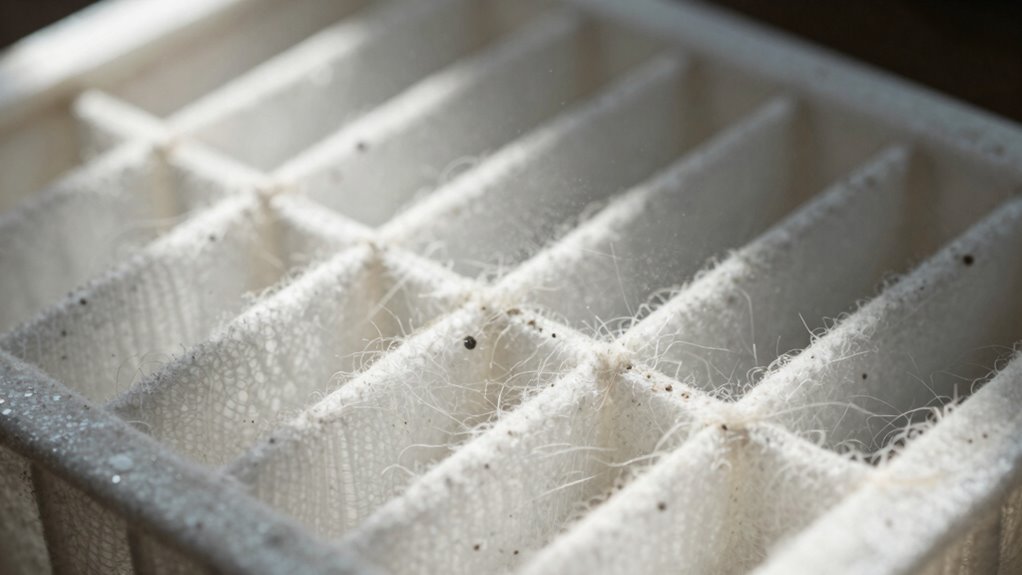
Dust and tiny particles in your studio or home can significantly harm your breathing, especially if you work with materials that generate or settle dust. Over time, dust accumulation increases the risk of particle inhalation, which can irritate your lungs and airways. Breathing in these particles may lead to coughing, wheezing, or even long-term respiratory issues. Fine dust particles can penetrate deep into your lungs, making it harder to breathe and potentially aggravating conditions like asthma or allergies. Regularly cleaning surfaces and using air filters can reduce dust buildup, lowering the chances of harmful particle inhalation. Air systems play a crucial role in maintaining indoor air quality by filtering out harmful particles, enhancing event planning for healthier environments. Additionally, implementing creative storytelling about air quality in your workspace can raise awareness and foster a culture of health and safety. Staying vigilant about dust control isn’t just about cleanliness—it’s a vital step in protecting your respiratory health while working creatively. Incorporating everyday materials into your art can help minimize dust production, making your creative space safer. Empathy and collaboration are essential in design thinking, allowing us to create environments that prioritize well-being.
Why Your Ventilation Might Not Be Enough
Sure! Here’s your revised article subheading content with the requested changes:
—
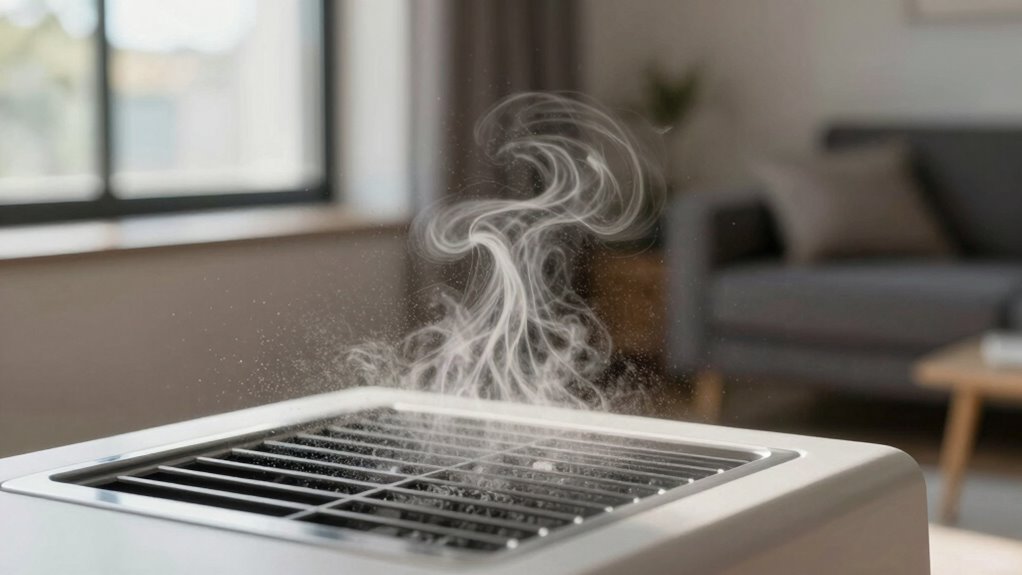
While good ventilation is essential for maintaining air quality, it often isn’t enough to fully protect you from harmful particles and pollutants. Ventilation limitations mean that outdoor air exchange alone can’t eliminate all indoor contaminants. Dust, VOCs, and allergens may still linger despite airflow. Proper filter maintenance is vital—neglecting it reduces effectiveness, allowing pollutants to circulate. Here’s what you might encounter:
- Air exchange rates that don’t keep up with indoor pollution levels.
- Filters that become clogged or degraded over time, diminishing their ability to trap particles.
- Pollutants re-circulating due to inadequate or poorly maintained filtration systems. Emerging trends in digital publishing highlight the importance of accurate information in assessing air quality. Investing in high-quality filters can significantly improve your indoor air environment. Additionally, understanding indoor air quality standards can help you make informed choices about your ventilation system. Holistic SEO practices emphasize the need for comprehensive strategies to address indoor pollution effectively.
Relying solely on ventilation leaves gaps; effective air quality requires regular filter checks and replacements. Additionally, understanding testing accuracy can help you choose the right tools for monitoring indoor air quality.
—
Let me know if you need any further modifications!
How to Choose the Best Air Filters for Your Space
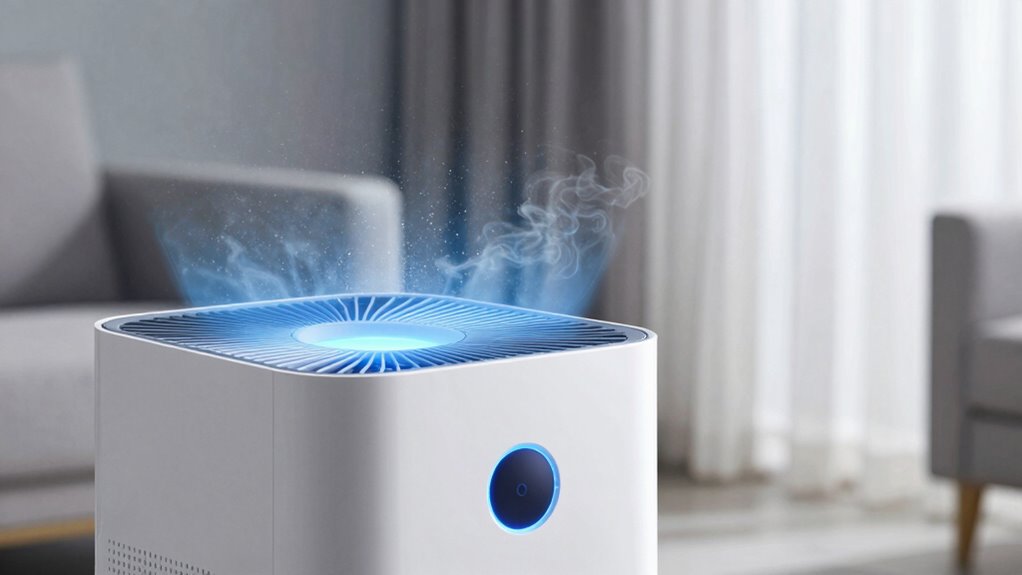
When selecting air filters, you need to take into account the different types and how effective they are at capturing pollutants. Make sure the filter size and efficiency match the room’s size and air quality needs. Choosing the right combination helps guarantee cleaner air and better protection for your space.
Filter Types and Effectiveness
Choosing the right air filter depends on understanding the different types available and how effective they are at capturing pollutants. Filter effectiveness varies by design and material, influencing overall air purification. For example:
- HEPA filters trap 99.97% of particles as small as 0.3 microns, making them ideal for dust and allergens.
- Activated carbon filters excel at absorbing VOCs and odors, enhancing air quality in spaces with chemical fumes.
- Electrostatic filters use static electricity to attract particles, offering a reusable option with decent filter effectiveness.
Your goal is to select a filter that balances air purification needs with your space’s specifics. Knowing these types helps ensure you’re improving air quality effectively, protecting your art and health.
Room Size Compatibility
Ever wonder how to pick an air filter that truly fits your space? The key is matching the filter’s capacity to your room size. Larger rooms require filters with higher filter capacity to effectively clean the air without overworking the device. Check the specifications; most filters specify their coverage area, usually in square feet. If the filter’s capacity is too small for your room, it won’t circulate air efficiently, leaving dust and VOCs behind. Conversely, a filter with excessive capacity for a small space can be unnecessary and more costly. Measure your room accurately, then choose a filter rated for that size. Properly matching room size and filter capacity guarantees the best air quality, making your space healthier and more comfortable.
How Effective Filters Improve Indoor Air Quality
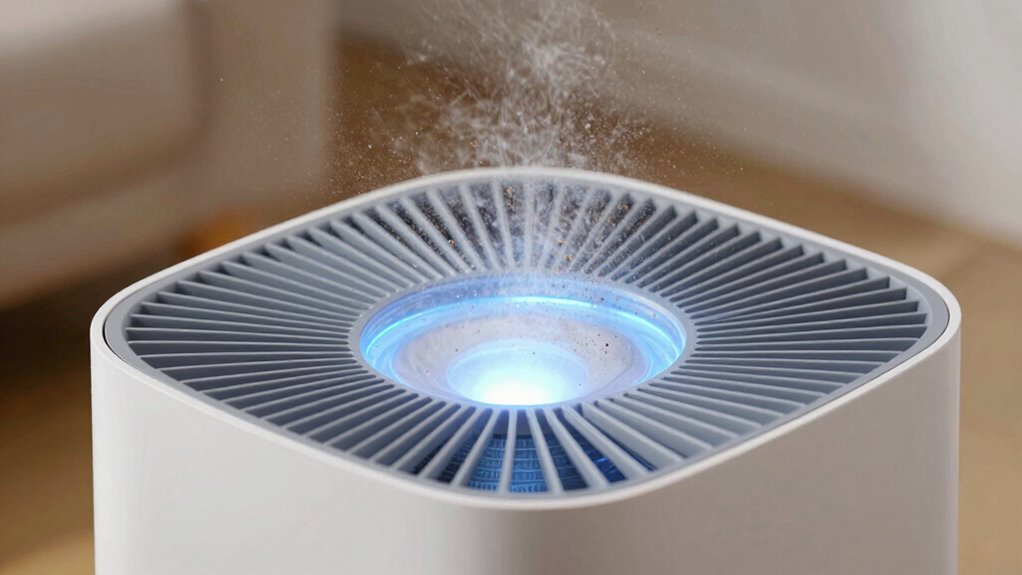
Have you ever wondered how some filters can profoundly improve the air you breathe indoors? Effective filters enhance indoor air quality by optimizing air filtration and pollutant removal. They trap harmful particles before they circulate, making your environment healthier. Here’s how they work:
- Capture dust, pollen, and pet dander, reducing allergens.
- Remove VOCs and chemical fumes from art supplies, decreasing toxic exposure.
- Block airborne bacteria and viruses, lowering infection risks.
Simple Ways to Reduce Pollutants From Art Materials
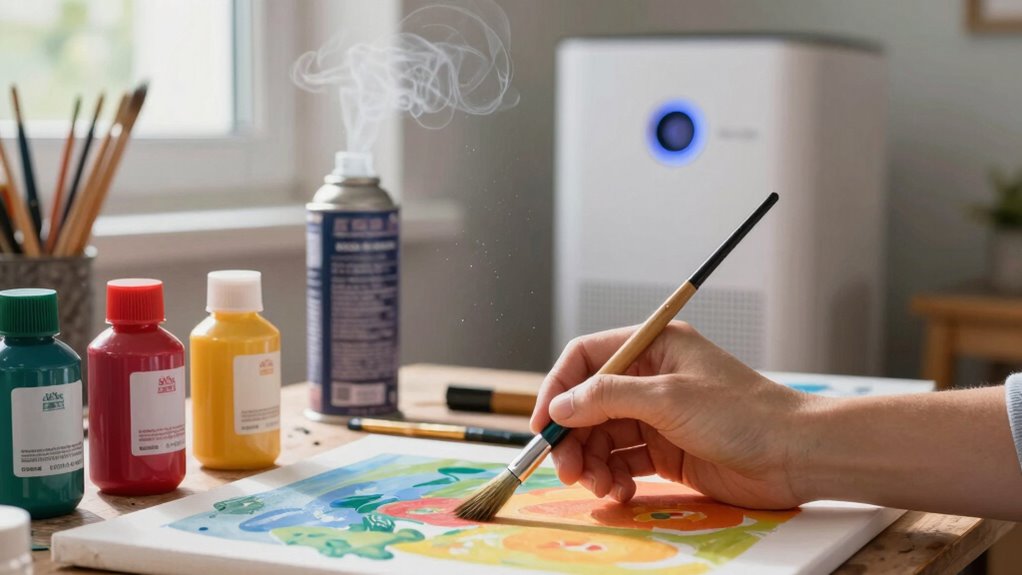
You can reduce pollutants by choosing low-VOC art supplies, which emit fewer harmful fumes. Properly storing your materials also helps prevent the release of volatile compounds into the air. Taking these simple steps makes your art space healthier for everyone.
Choose Low-VOC Products
Choosing low-VOC (volatile organic compound) products is one of the simplest ways to reduce indoor air pollution from art materials. When selecting your supplies, focus on products that emit fewer fumes, improving air quality and your health. This impacts your art technique and color palette, allowing you to work comfortably without risking inhaling harmful chemicals. To get started:
- Opt for water-based paints instead of solvent-based ones.
- Choose natural or mineral pigments over synthetic dyes.
- Use low-VOC adhesives, sealants, and varnishes for finishing touches.
These choices help keep your studio safer and cleaner. By prioritizing low-VOC options, you create a healthier environment for your creativity to flourish, without compromising on the vibrancy or quality of your art.
Store Materials Properly
Storing art materials properly is a simple yet effective way to minimize indoor air pollution. Proper material storage prevents dust and VOCs from dispersing into your workspace, reducing airborne pollutants. Keep art supplies in sealed containers or cabinets to limit exposure to fumes and dust. Organize your art supply area to guarantee materials are stored upright or in designated bins, which helps prevent spills and reduces clutter. Avoid leaving open containers of paints, solvents, or adhesives, as these release VOCs over time. Regularly check and dispose of expired or unused products. Good art supply organization not only keeps your space tidy but also minimizes the release of pollutants, making your environment safer and healthier for creative work.
Tips to Maintain Good Indoor Air Quality Over Time
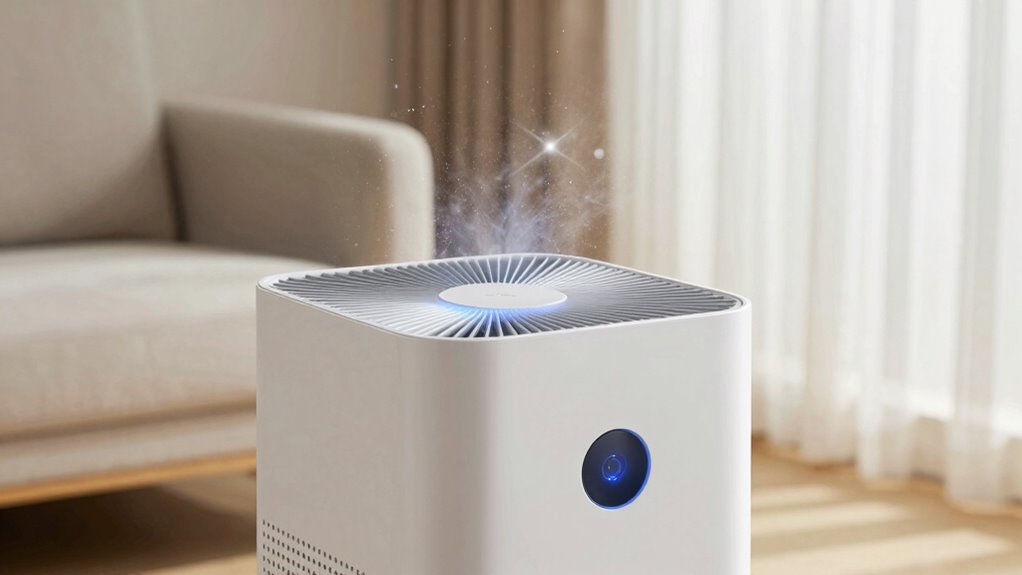
Maintaining good indoor air quality over time requires consistent effort and mindful practices. To do this effectively, consider these steps:
- Regularly clean and replace air purifier filters to guarantee peak performance and VOC removal.
- Monitor and control humidity levels with a dehumidifier or humidifier, aiming for 30-50% humidity to reduce dust and mold.
- Keep your space well-ventilated by opening windows or using exhaust fans to dilute indoor pollutants and dust.
Frequently Asked Questions
How Often Should I Replace Air Filters to Maintain Optimal Air Quality?
You should replace your air filters every 1 to 3 months to maintain ideal air quality. Check your filter’s lifespan based on your maintenance schedule and the manufacturer’s recommendations. Factors like pets, allergies, or poor air quality may require more frequent changes. Regularly inspecting your filters guarantees they’re functioning properly, helping reduce VOCs and dust, and keeping your indoor environment healthier and cleaner.
Are There Specific Art Materials That Produce Fewer VOCS?
You should choose eco-friendly materials and low emission supplies for your art projects. Look for paints labeled low-VOC or VOC-free, natural dyes, and organic mediums. These options emit fewer volatile organic compounds, reducing indoor air pollution and creating a healthier environment. By selecting such materials, you protect your health and improve air quality, making your art space safer and more sustainable for yourself and others around you.
Can Air Purifiers Completely Eliminate Indoor Pollutants?
Yes, air purifiers can substantially reduce indoor pollutants, but they can’t completely eliminate them. You can boost benefits by adding indoor plants that naturally purify and using air quality sensors to monitor changes. Picture peaceful plants and precise sensors working in tandem, transforming turbulent toxins into tranquil, clean air. While filters improve air quality, staying vigilant with sensors ensures you know when pollutants sneak back in, keeping your space safe and serene.
What Are the Signs of Poor Indoor Air Quality in a Studio?
You might notice persistent allergies, headaches, or coughing, which are signs of poor indoor air quality in your studio. Airborne irritants like dust and VOCs can accumulate if ventilation strategies aren’t effective. Poor airflow can cause these pollutants to linger, affecting your health and workspace. To improve air quality, make certain proper ventilation, use air filters, and regularly clean your studio to reduce airborne irritants and promote a healthier environment.
How Do Different Filter Types Compare in Removing Dust and VOCS?
You’ll find that HEPA filters excel in removing dust due to their high filter efficiency, capturing tiny particles effectively. Activated carbon filters are best for VOC removal, as they absorb chemical vapors efficiently. Combining these filters offers thorough air cleaning, tackling both dust and VOCs. When choosing, consider your studio’s needs to guarantee excellent air quality, prioritizing filter efficiency for dust and VOC removal for a healthier workspace.
Conclusion
Maintaining good indoor air quality is like tending a garden—you need to regularly care for and remove pollutants to keep everything thriving. By choosing the right filters, minimizing art supply emissions, and staying vigilant, you create a healthier space for your creativity to flourish. Don’t let invisible pollutants cloud your inspiration; instead, breathe easy and let fresh air be the canvas for your artistic journey. Your lungs—and your art—will thank you.
Flea & tick season Picks
flea and tick prevention
As an affiliate, we earn on qualifying purchases.