If your art photos look crooked, you can instantly fix the perspective with just one tap using apps like Lightroom, Snapseed, or Photoshop. These tools have automatic correction features that straighten lines and align angles for a professional finish. To get the best results, make sure your camera is steady and your composition is balanced before shooting. Want to improve your photos further? Keep exploring, and you’ll discover more tips for perfecting your artwork’s presentation.
Key Takeaways
- Use the “Tap to Straighten” or automatic perspective correction feature in editing apps for quick, one-step fixes.
- Enable gridlines or a level during shooting to ensure straight horizons and aligned lines from the start.
- Apply dedicated photo editing tools like Lightroom, Snapseed, or Photoshop for instant perspective adjustments.
- Avoid overcorrecting or rushing edits to maintain natural lines and prevent distortion.
- Double-check the composition after correction to ensure lines and angles appear natural and balanced.

Authticar WLtoys Mini RC Car, 1:64 Scale FPV RC Drift Car with 720P HD Camera, 2.4GHz Transmitter and WiFi App Control with Gyro First Person Perspective Mini Racing Toys for Hobby RC(Orange)
Real-Time HD Video & Live Streaming:Equipped with 720P wide-angle camera and ultra-responsive WiFi module, this 1:64 mini camera…
As an affiliate, we earn on qualifying purchases.
As an affiliate, we earn on qualifying purchases.
How to Tell if Your Art Photos Are Crooked

Sure! Here’s the revised content with the requested modifications:
—
Sometimes, crooked art photos are obvious, but other times, they’re more subtle. To spot if your photo is off, check the composition balance. If the elements seem uneven or lopsided, your photo might be crooked. Look at the lines and shapes—if they don’t align with the frame or appear skewed, it’s a sign. Additionally, sound vibrations from music can create a calming environment, aiding your focus while you work on your photography. Also, pay attention to color harmony; if colors seem mismatched or disturbed by perspective distortion, your photo could be crooked. A quick way to test is to compare the photo to a straight horizon or vertical line. If everything appears tilted or out of sync, it’s time to fix the perspective. Recognizing these signs helps you create more balanced and visually pleasing art photos. Additionally, fostering personal transformation through art can enhance your creative expression and overall satisfaction. Understanding proper alignment techniques can further assist in achieving the best perspective in your art photos. Moreover, using lightweight foundations can help you capture natural lighting effectively, ensuring your artwork is presented in the best possible way. Exploring digital content formats can also provide new insights into how to present your artwork effectively.
—
Let me know if you need any more adjustments!

Manual Wire and Cable Straightener, Wire Straightener Wire Wheel Semi-automatic Straightener Iron Wire Copper Wire Straightening Tools (S)
The frame structure of this wire straightener is made of stainless steel, and the straightening wheel and wire…
As an affiliate, we earn on qualifying purchases.
As an affiliate, we earn on qualifying purchases.
Quickly Fix Perspective in One Simple Tap
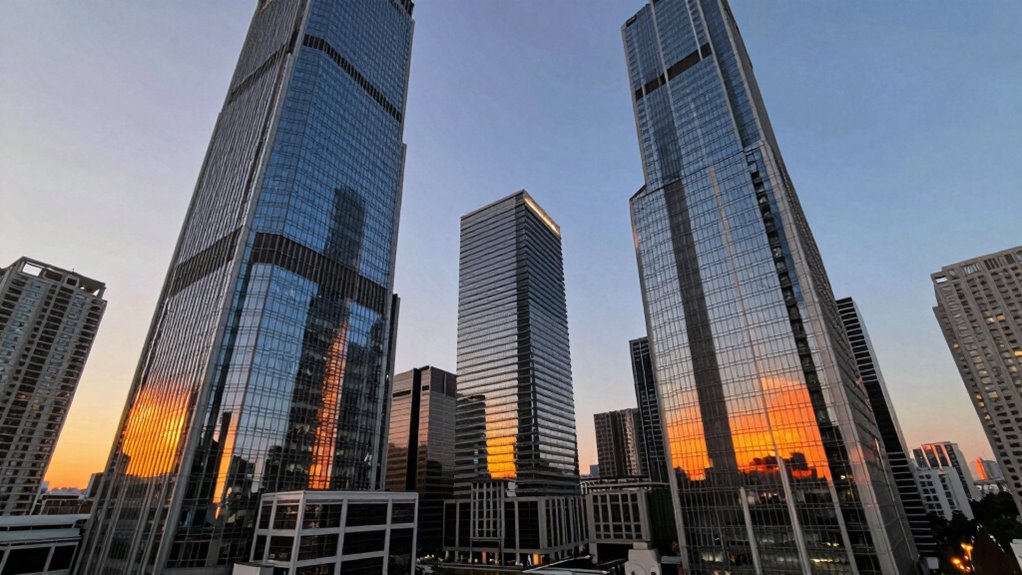
With just one tap, you can instantly straighten and correct the perspective of your art photos. Adjusting the perspective becomes effortless, saving you time and effort. This simple step guarantees your images look perfectly aligned in seconds. Additionally, this tool exemplifies how cutting-edge technology is making creative processes more accessible to everyone. By utilizing a flexible publishing platform, you can seamlessly share and showcase your artistic vision. Understanding fan culture’s evolution can further enhance your ability to connect with your audience through visual storytelling.
Tap to Straighten
Your Art Photos Look Crooked? Fix Perspective in One Step
Tap to Straighten (Quickly Fix Perspective in One Simple Tap)
When your art photos appear crooked, the quickest fix is to use the “Tap to Straighten” feature. This simple tap automatically aligns your image, saving you time and effort. As you straighten the photo, ensure color calibration remains accurate so that hues stay true to the original. Correcting perspective can sometimes affect lighting consistency, so double-check that shadows and highlights look natural after straightening. The feature makes it easy to enhance your art photos without complex adjustments, keeping the process quick and straightforward. Just tap once, and your image will be aligned properly, making it look professional and polished. This tool helps you fix perspective instantly while maintaining the integrity of your artwork’s color and lighting. Additionally, understanding lighting consistency is crucial for achieving the best results. Engaging in regular practice can help improve your HRV insights, leading to better outcomes in your photographic endeavors.
Adjust Perspective Easily
Ever wish you could fix perspective issues in your art photos with just a single tap? With a simple, intuitive adjustment, you can instantly correct skewed lines and angles. Use framing techniques to align your subject perfectly within the composition, ensuring everything feels balanced. Color theory also plays a subtle role—you can enhance the corrected perspective by adjusting hues and contrasts, drawing viewers’ eyes naturally. This quick fix streamlines your editing process, making your art look professional without complex steps. The key is recognizing how perspective impacts the overall harmony of your photo, and with just one tap, you can achieve a polished, cohesive look. It’s a fast, effective way to elevate your art photos and keep your creative flow uninterrupted. Additionally, incorporating natural light in your setup can further enhance the visual appeal of your art, creating a more inviting atmosphere.
Instant Photo Correction
Sometimes, perspective distortions can quickly ruin the impact of your art photos, but fixing them doesn’t have to be complicated. With instant photo correction, you can straighten crooked lines and adjust angles with just a single tap. Many editing apps now include automatic tools that analyze your image and correct perspective instantly, saving you time. While fixing perspective, you can also enhance your photo’s mood through color grading, adding warmth or cool tones as needed. Don’t forget lighting techniques—adjust brightness and contrast to highlight your subject and create depth. This all-in-one process guarantees your art photos look polished and professional without tedious adjustments, helping your creative vision shine through effortlessly.

Photo editing software compatible with Windows 11, 10 – view, edit, enhance and organize your photos – more than 200 features (collages, slideshows and more)
Image editing program compatible with Windows 11, 10 (x64)
As an affiliate, we earn on qualifying purchases.
As an affiliate, we earn on qualifying purchases.
Best Tools and Apps for Perspective Correction
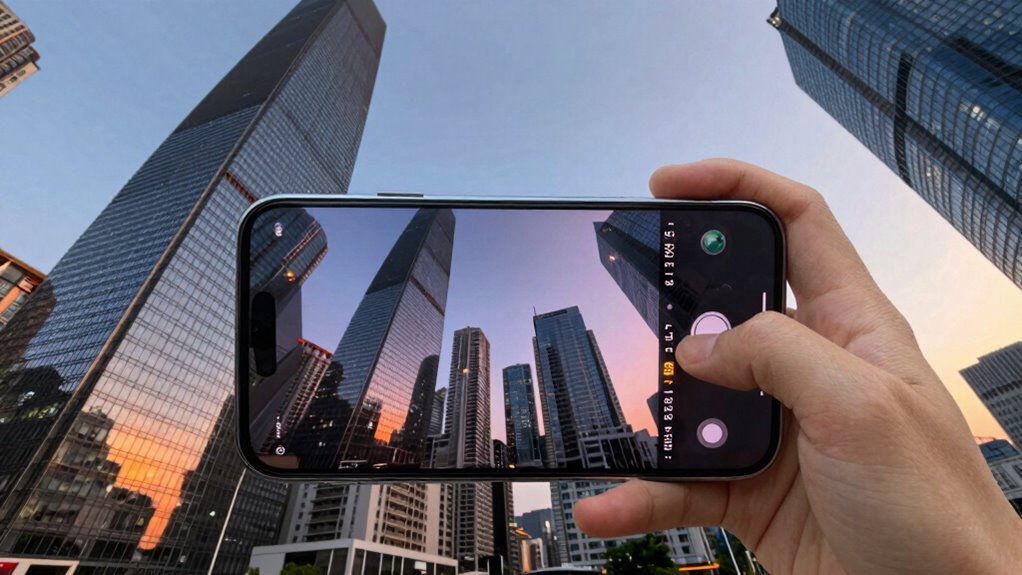
To effectively correct perspective distortion in your art photos, you’ll want to use dedicated tools and apps designed for this purpose. These tools help straighten lines and improve overall composition, making your images more polished. Popular options include Lightroom, Photoshop, and mobile apps like Snapseed, which offer user-friendly perspective correction features. When choosing a tool, consider its ability to assist with color grading and refine composition techniques, ensuring your photo’s visual impact is maximized. For example, Lightroom’s Transform panel allows precise adjustments, while Snapseed’s perspective correction is quick and easy. These apps enable you to fix crooked lines efficiently, so your art photos appear professional and balanced. Using the right tool simplifies the process and enhances your creative control. Additionally, ensuring color accuracy in your images can significantly enhance the visual appeal of your art photos.

FOTYRIG Camera Level Hot Shoe Level 3 Axis Bubble Spirit Level Standard Shoe Mount Compatible with Nikon, Olympus, Pentax Digital and Film Cameras
Easy to Carry-a small size, high quality and novelty design Clearly see the level direction so you can…
As an affiliate, we earn on qualifying purchases.
As an affiliate, we earn on qualifying purchases.
Step-by-Step Guide to Straightening Your Photos
Sure! Here’s your revised article content with the requested changes:
—
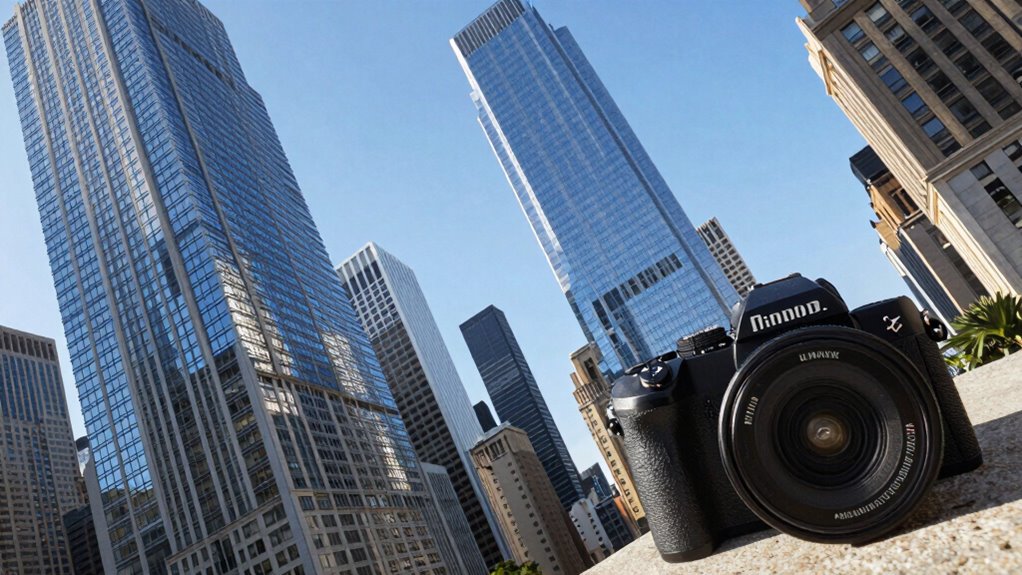
Are your photos looking off-kilter? To straighten them, start by selecting your image in your editing app. Use the perspective correction tool to align the horizon or vertical lines, making sure the photo feels balanced. As you adjust, consider color theory principles—correcting perspective can enhance the photo’s mood by emphasizing harmonious tones and contrasts. Additionally, consider incorporating halal ingredients into your food photography to highlight cultural diversity and appeal. Proper cabling solutions are essential to ensure your projector displays images accurately, which can also impact your photography setup. When working with your images, remember that the right spray technique can impact how the colors pop and how details are perceived, enhancing your overall composition. Pay attention to framing techniques, cropping or rotating the image to center the main subject and eliminate distractions. Make subtle tweaks rather than drastic changes to preserve naturalness. Once aligned, compare the before and after to confirm the correction feels seamless. This step-by-step approach helps you fix crooked photos efficiently, turning imperfect shots into compelling, well-composed art pieces. Additionally, embracing inclusive casting in your photography can further enrich your visual storytelling by representing diverse perspectives. Integrating traditional healing methods can inspire a deeper connection to the subjects you capture, reflecting their holistic wellness.
—
Let me know if you need any more adjustments!
Tips to Keep Your Photos Straight While Shooting

Sure! Here’s your revised content with the requested modifications:
—
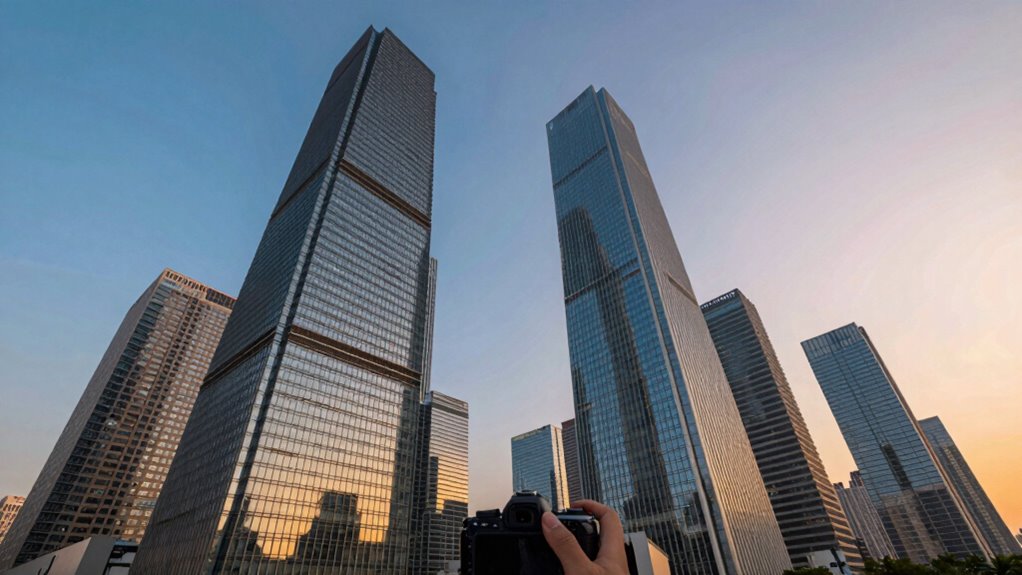
Keeping your photos straight while shooting is essential to avoid extra editing later. To maintain proper framing, use a tripod or stabilize your camera to prevent accidental tilts. Pay attention to lighting consistency; shooting in even, diffused light reduces shadows and color discrepancies that can make images appear uneven. Adjust your camera’s gridlines or level indicator to ensure the horizon stays straight during capture, saving time on corrections later. Additionally, consider using natural oils in your environment, as they can enhance the overall aesthetic of your photos. Also, aim for consistent color correction by shooting in RAW format, which preserves color accuracy and makes post-processing smoother. Remember, just like in sailing practices, maintaining stability in your photography can lead to clearer, more professional-looking images. Effective debt management is similar in that both require careful planning and consistent practices to achieve the desired outcome. Exploring diverse camping locations can also inspire creativity in your photography by providing stunning backdrops. Additionally, keeping your dog’s diet balanced with high-quality protein sources can ensure they remain healthy and energetic, allowing for more engaging outdoor photography sessions.
Keep your photos straight with a tripod, gridlines, and even lighting for quick, professional results.
- Use gridlines or a level to align your shot
- Shoot in even, diffused lighting for consistency
- Maintain camera stability and proper framing to prevent crooked images
Common Mistakes When Correcting Perspective

When correcting perspective, it’s easy to overdo it and distort the image, making it look unnatural. Ignoring lens distortion can also cause issues, as straightening lines without accounting for it leads to odd results. Rushing through adjustments often results in sloppy fixes that create more problems than they solve. Understanding fragrance categories can enhance your ability to make precise adjustments, ensuring your artistic vision is accurately represented. Embracing calm and clarity in your editing process can help you maintain focus and achieve a more balanced result. Additionally, studying Victorian fashion trends can inspire your creative choices and provide a unique aesthetic touch to your photography.
Overcorrecting Distorts Image
Have you ever overcorrected your perspective adjustments and ended up with a distorted image? It’s a common mistake that can throw off your composition balance and make your photo look unnatural. Overcorrection can also affect color grading, causing unnatural color shifts or loss of detail. When you push adjustments too far, straight lines become jagged, and the overall image feels off. To avoid this, make subtle tweaks, checking the overall harmony of your photo. Keep in mind that small, precise edits preserve the natural look and help maintain the original intent. Overcorrection often results from trying to fix every distortion at once, so step back and review your work carefully. Remember, less is often more when it comes to perspective correction.
Ignoring Lens Distortion
Ignoring lens distortion is a common mistake that can ruin an otherwise perfectly corrected perspective. When you skip lens calibration, you risk leaving unwanted distortions that make straight lines appear curved, especially at the edges of your photo. Focal length plays a vital role here; wider lenses tend to introduce more distortion, which can skew your perspective correction efforts. If you don’t account for these factors, your adjustments won’t look natural, and your image may still appear warped. Always calibrate your lens before editing, especially if you’re working with wide-angle or zoom lenses. This step guarantees that any inherent distortion is accounted for, allowing your perspective correction to produce clean, straight lines and a more professional, realistic result.
Rushing the Adjustment Process
Rushing through the perspective adjustment can undo the careful work you’ve already done, resulting in unnatural or skewed images. When you hurry, you might overlook subtle distortions that add authenticity, harming your creative storytelling. Take your time to assess the scene thoroughly before making changes, ensuring the perspective looks natural and balanced. Fast adjustments often lead to inconsistent color calibration, making the image appear off or less professional.
- Skipping detailed checks can cause unnatural stretching or compression.
- Moving sliders too quickly can create jarring, unrealistic results.
- Ignoring the importance of subtlety hampers achieving a cohesive, polished look.
Patience allows for precise corrections, elevating your art photos and maintaining the integrity of your vision.
Enhance Your Art Photos Beyond Fixing Perspective

Once you’ve fixed the perspective, you can take your art photos to the next level by enhancing their overall quality. Start with color grading to create mood and emphasize your artistic intent—adjust tones, contrast, and saturation for a more compelling image. Then, focus on composition balance; guarantee elements are harmoniously arranged to guide the viewer’s eye smoothly across the photo. Small tweaks, like cropping or repositioning key subjects, can dramatically improve visual impact. These enhancements don’t just polish your images—they reinforce your creative vision. By refining color and composition after fixing perspective, you transform a good shot into a powerful piece of art, making sure every detail supports your story.
Why Correcting Perspective Elevates Your Artistic Work

Correcting perspective creates visual harmony, making your artwork more pleasing to the eye. It also adds depth, giving your images a richer, more engaging feel. When you fix these elements, your art stands out with a more professional and compelling look.
Enhances Visual Harmony
When you straighten the perspective in your art photos, it immediately creates a sense of balance and order that the viewer naturally appreciates. Correcting perspective aligns elements, which enhances visual harmony and makes your composition more appealing. This adjustment helps unify your colors, creating a cohesive color harmony that feels more intentional. It also emphasizes the relationship between objects, strengthening your composition balance. By fixing perspective issues, you guide the viewer’s eye smoothly across the image, fostering a more immersive experience.
- Creates a unified flow that draws attention to key elements
- Reinforces the natural relationship between colors
- Guarantees structural harmony, making your artwork feel more polished
Adds Artistic Depth
Adjusting the perspective in your art photos can profoundly deepen their artistic impact by adding a sense of dimension and realism. When you correct perspective distortions, you create a more compelling visual narrative that draws viewers in. This process enhances your use of color theory, allowing colors to interact more naturally within the scene, emphasizing depth and mood. Additionally, it refines your composition techniques by aligning elements harmoniously, guiding the eye smoothly through the artwork. Correct perspective allows you to emphasize foreground and background relationships, making your images feel more immersive. Overall, this adjustment elevates your work from flat representations to dynamic, multidimensional pieces that convey a stronger emotional and artistic statement.
Maintaining Perfect Perspective in Your Photography

Maintaining perfect perspective in your photography requires an awareness of how angles and lines interact within your frame. To achieve this, you should focus on composition techniques that emphasize straight lines and correct proportions. Use color theory to draw attention to key elements and create visual harmony, which can also help guide the viewer’s eye along correct perspective lines. Keep your camera level and consider the point of view to avoid distortion. Pay attention to the placement of objects to maintain spatial relationships.
- Use leading lines to direct the viewer’s gaze and reinforce perspective
- Adjust your shooting angle to minimize distortion
- Apply color contrasts to emphasize depth and structure
Final Tips for Professional-Quality Art Photos
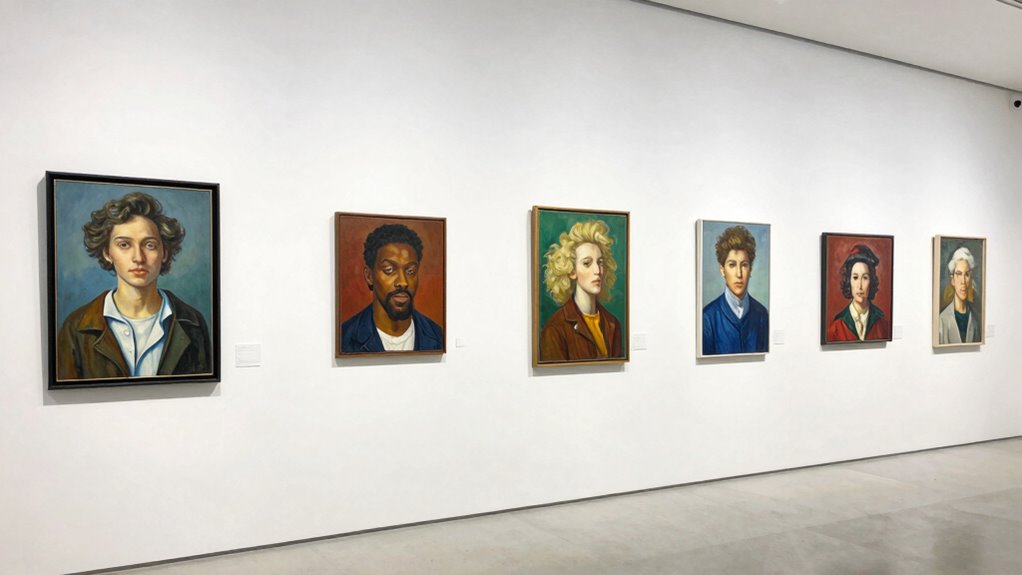
To achieve professional-quality art photos, focus on meticulous attention to detail during every stage of your shoot. Start with proper color calibration to guarantee your images accurately represent the artwork’s hues, preventing dull or overly vibrant results. Pay close attention to framing composition; a well-balanced frame highlights the artwork’s best features and maintains a clean, professional look. Use a tripod to keep your camera steady and avoid unwanted distortion. Before snapping the shot, double-check your perspective and adjust for any crooked angles. Post-processing can refine your photo further, correcting minor perspective issues. By combining precise framing, accurate color calibration, and careful review, you’ll produce art photos that look polished, true to the original, and ready for display or publication.
Frequently Asked Questions
Can Perspective Correction Improve the Overall Composition of My Art Photos?
Yes, perspective correction can considerably improve your art photos by enhancing artistic balance and ensuring proper focal alignment. When you straighten skewed lines and adjust angles, your composition becomes more cohesive and visually appealing. This step helps viewers focus on the main subject without distraction, creating a harmonious flow. By fixing perspective, you elevate your artwork’s professional look, making your images more engaging and balanced.
Is It Better to Fix Perspective Before or After Editing Colors and Filters?
It’s better to fix perspective before applying color adjustments or filters. When you correct perspective first, it guarantees the composition is straight and balanced, which helps colors and filters look more natural and consistent. If you adjust colors or apply filters first, they might emphasize distortions or uneven lines. Fixing perspective upfront gives you a cleaner base, making subsequent edits more effective and visually appealing.
How Does Perspective Correction Affect the Resolution and Quality of My Images?
Fixing perspective is like sharpening a lens; it slightly impacts your image resolution and quality, but if done carefully, the changes are minimal. During your editing workflow, use high-resolution images and avoid excessive adjustments to preserve clarity. Proper perspective correction smooths lines without degrading image quality, helping your photos look professional. Just remember, subtle tweaks maintain the integrity of your original resolution and keep your final shot sharp.
Are There Specific Art Styles That Benefit More From Perspective Correction?
Certain art styles, like realism and architectural photography, benefit more from perspective correction because they emphasize perspective harmony and accurate proportions. Correcting perspective helps these styles maintain depth and spatial relationships, making the artwork look more natural and balanced. If you’re working with styles that rely on precise geometry, perspective correction enhances clarity and coherence, ensuring your art retains its intended visual harmony and professional quality.
Can Perspective Correction Be Automated for Batch Processing Multiple Photos?
Yes, perspective correction can be automated for batch processing using specialized software. You can set up a batch workflow that applies the same correction settings to multiple photos simultaneously, saving you time and effort. Automated software like Adobe Lightroom or DxO PhotoLab offers tools that detect and fix perspective issues in bulk. This streamlines editing, ensuring all your art photos have consistent, professional-looking alignment without manual adjustments for each image.
Conclusion
Now that you’ve got the tools and tips to fix crooked art photos, your images will flow seamlessly like a well-aligned melody. Remember, straightening your shots isn’t just about perfection — it’s about letting your art shine without distraction. With a little attention and the right apps, you can turn crooked angles into clear, mesmerizing visuals that truly stand tall. Keep practicing, and watch your photography become as precise as a master’s brushstroke.