To avoid wasting paper, choose the right weight for your artwork based on your technique and project needs. Heavier papers (around 300 gsm) are better for durability and wet media, while lighter ones work well for sketches or studies. Consider eco-friendly options and handle your paper carefully to reduce waste. Proper selection can enhance your work’s quality and longevity. Keep exploring to gain more tips on matching your paper weight to your artistic goals.
Key Takeaways
- Match the paper weight to your technique, e.g., lighter for sketches, heavier for watercolor or mixed media.
- Choose appropriate weight for project longevity and handling, with heavier papers offering more durability.
- Consider eco-friendly options with certifications like FSC or PEFC to reduce waste and environmental impact.
- Properly store and handle papers based on their weight to prevent damage and extend usability.
- Recognize signs of using the wrong weight, such as warping, tearing, or poor media adherence, to avoid waste.

35 Sheets Watercolor Paper Pad 9×12 Inch, 140 lb/300 GSM Cold Press Water Color Paper Spiral Bound Watercolor Sketchbook Easter Gifts for Art Painting, Journal, Drawing, Mixed Media
【35 Sheets Watercolor Sketchbook】A watercolor sketchbook with 35 sheets, size 9×12 inches, paper weight 140 lb/300gsm, easy to…
As an affiliate, we earn on qualifying purchases.
As an affiliate, we earn on qualifying purchases.
What You Need to Know to Pick the Right Fine Art Paper Weight
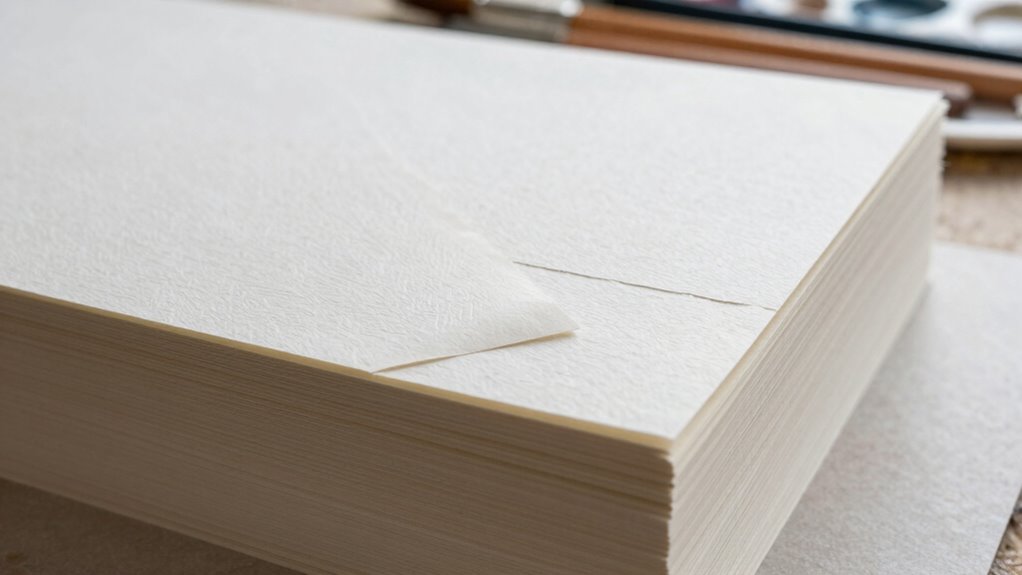
Choosing the right fine art paper weight is essential because it directly affects the durability and overall quality of your artwork. When selecting paper, consider its texture, as it influences how your media interacts with the surface—smooth textures are great for detailed work, while rough textures add character. Archival quality is equally important; it guarantees your artwork resists fading and deterioration over time. Heavier weights typically offer more stability and longevity, making them suitable for pieces meant to last. Additionally, choosing the right paper can enhance your cycling confidence when creating outdoor sketches, as it withstands various conditions. Keep in mind that lighter paper may be better for sketches or studies, but for finished pieces, a more substantial weight with a pleasing texture will give your work a professional finish. Incorporating eco-friendly practices in your selection process can also align with sustainable artistic values. For example, using renewable energy sources, like bike generators, can power your creative workspace sustainably. Balance your needs for texture and longevity to choose the perfect fine art paper. Additionally, experimenting with digital concepts can enhance your understanding of how various papers affect your creative process.
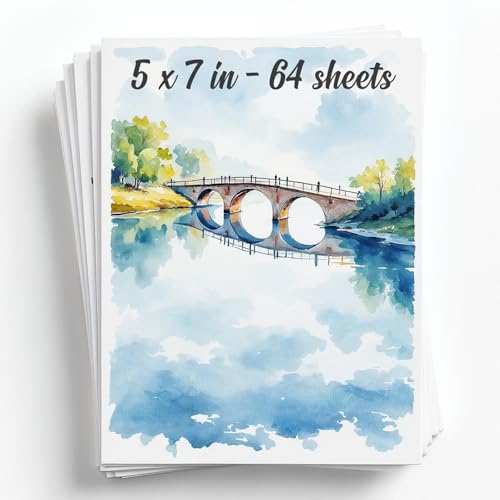
64 Sheets Watercolor Paper Pad – 5"x7" – Water Color Paper 140lb/300gsm – 100% Cotton Pulp – Art Supplies for Kids & Adults – for Painting, Artist Sketch, Easel, Loose Drawing
【🎨 Premium Heavyweight Cold Pressed Watercolor Paper】Crafted from 100% cotton, our paper offers exceptional absorbency and durability, allowing…
As an affiliate, we earn on qualifying purchases.
As an affiliate, we earn on qualifying purchases.
How Fine Art Paper Weight Affects Your Artwork’s Quality and Durability
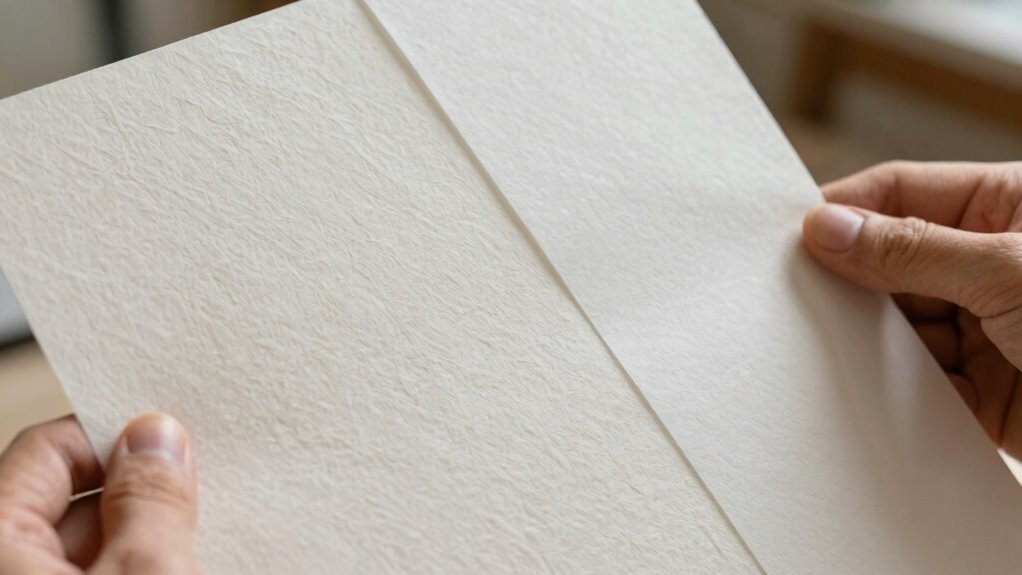
The weight of your fine art paper plays a significant role in determining the overall quality and durability of your artwork. Heavier papers, often made through specialized paper manufacturing processes, tend to withstand more handling and environmental factors, ensuring your piece lasts longer. Lighter papers may be more delicate, making them better suited for certain artistic techniques like watercolor washes or detailed pencil work but potentially compromising longevity. Understanding how paper weight influences your work allows you to select materials that support your artistic techniques while maintaining durability. Heavier papers provide a sturdy foundation, preventing warping or tearing, especially with mixed media. Choosing the right weight ultimately enhances both the presentation and lifespan of your artwork, ensuring it remains vibrant and intact over time. Additionally, proper installation techniques can further protect your artwork from environmental damage and ensure its longevity.

Fuxi 9" x 12" Sketch Book, Top Spiral Bound Sketch Pad, 100 Sheets 68lb/100gsm Acid-Free Drawing Paper, Art Sketchbook for Drawing Pad for Kids Artists & Beginners Professional Art Supplies for Adults
【Premium & Tough Material】–Extremely strong toughness and durability of this sketching paper pad allows for erasing without damaging…
As an affiliate, we earn on qualifying purchases.
As an affiliate, we earn on qualifying purchases.
Common Fine Art Paper Weights and When to Use Them
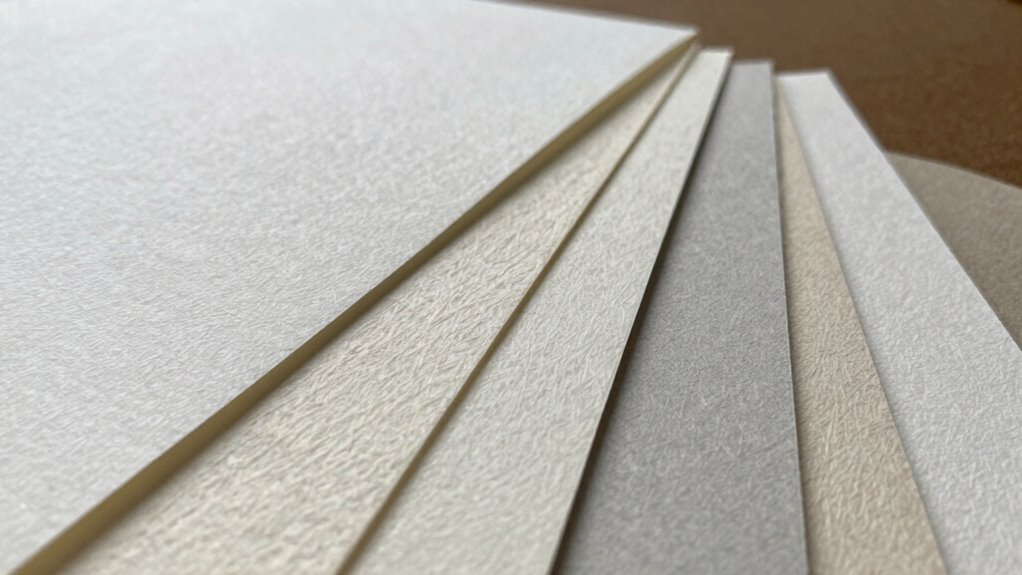
Choosing the right paper weight depends on your project’s purpose. Lightweight papers are ideal for sketches and quick studies, while heavyweight papers provide durability for exhibitions. Understanding these options helps you pick the best paper for your artwork’s needs. Additionally, considering competitive pricing can enhance your overall project budget by allowing for quality materials without overspending. Moreover, selecting the right paper weight can significantly impact color accuracy in your prints, ensuring vibrant and true-to-life representations of your artwork. Choosing a paper with the right texture and finish can also elevate your prints, adding depth and character to your artwork.
Lightweight Papers for Sketches
Ever wondered which lightweight papers are best suited for sketches? These papers typically range from 40 to 80 lb (150-300 gsm), making them ideal for quick pencil shading and detailed work. They’re portable, easy to handle, and won’t weigh down your sketchbook. The paper texture varies—smooth surfaces for fine lines or rougher textures for expressive strokes. Choosing the right weight depends on your medium and style, but lightweight papers excel for practice sketches, initial concepts, or layered pencil work. Here’s a quick comparison:
| Weight (lb) | Suitable For | Paper Texture |
|---|---|---|
| 40-50 | Light sketches, practice | Smooth to medium |
| 60-80 | Detailed pencil shading | Slightly textured |
| 80+ | More durable sketches | Textured |
Use these to match your sketching needs efficiently.
Heavyweight Papers for Exhibits
When preparing artwork for display or sale, selecting the right paper weight makes a significant difference. Heavyweight papers, typically 300 gsm or more, provide durability and a premium feel, ideal for exhibits. Their substantial texture enhances the viewer’s experience, emphasizing the artwork’s details and texture. These papers often have archival quality, ensuring your work remains vibrant and intact over time. The paper texture varies from smooth to textured surfaces, allowing you to choose based on the desired visual effect and medium. Heavyweight papers are perfect for framing or mounting, preventing warping or buckling. Using the right weight guarantees your art looks professional and withstands handling, making it suitable for gallery exhibits and sales.
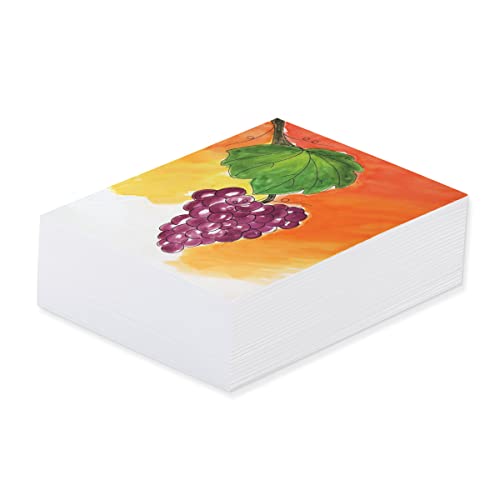
UCreate Mixed Media Art Paper, Heavyweight, 9" x 12", 500 Sheets
Great choice for all types of media
As an affiliate, we earn on qualifying purchases.
As an affiliate, we earn on qualifying purchases.
Choosing the Best Paper Weight for Different Art Techniques
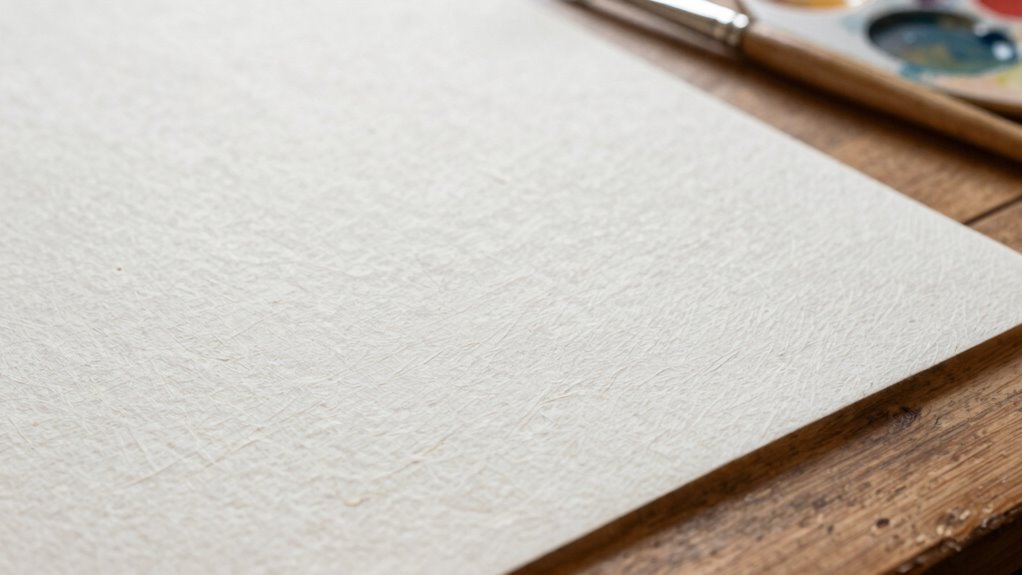
When sketching, a lighter paper around 70-100 lb is ideal because it’s easy to work with and won’t tear easily. For watercolor, you’ll want a heavier weight, typically 140 lb or more, to handle the moisture without warping. Choosing the right weight guarantees your technique stays smooth and your artwork remains intact. Additionally, using the appropriate fine art paper weight can enhance the overall quality of your work, ensuring it meets professional standards.
Suitable Weight for Sketching
Choosing the right paper weight for sketching depends on the techniques you’ll use and the effects you want to achieve. For pencil shading, a lightweight paper around 70-90 lb (about 100-150 gsm) offers flexibility and smoothness, allowing you to layer and blend easily. If you prefer ink techniques, a slightly heavier weight, such as 90-110 lb (around 150-190 gsm), provides durability and prevents bleeding or warping. Lighter papers are ideal for quick sketches and detailed shading, while heavier options support more vigorous mark-making without tearing. Consider your medium and style; thinner paper suits delicate work, and thicker paper holds up to bolder strokes. Match your paper weight to your preferred techniques to guarantee your sketches are crisp, clean, and well-supported. Additionally, emerging trends in digital publishing can influence how artists choose their materials, as new technologies introduce innovative paper options.
Heavyweight for Watercolor
Opting for heavyweight paper is essential if you want your watercolor paintings to withstand the techniques and layers involved. Heavyweight paper, typically 300 gsm or higher, offers better durability and prevents warping under multiple washes. It enhances textural contrast, allowing you to create rich, tactile effects. The thicker surface also improves color absorption, ensuring pigments stay vibrant without bleeding or feathering. This weight is ideal for wet-on-wet techniques, lifting, and layering, giving you more control over your work. When choosing heavyweight paper, consider how it responds to different brushes and water application. It’s perfect for detailed, expressive watercolor pieces that demand both resilience and a strong textural presence. Additionally, ensuring a safe cooking environment in your studio can help prevent accidents while you focus on your art. Moreover, using the right paper weight can significantly mitigate heat exposure, which is crucial for preserving the integrity of your artwork.
Heavyweight paper is also beneficial for artists who frequently use multiple washes as it helps maintain the integrity of the artwork throughout the process.
- Better resistance to warping and buckling
- Enhances textural contrast for depth
- Improves color absorption and vibrancy
- Suits layering and wet-on-wet techniques
- Adds durability for complex projects
What to Think About When Picking Eco-Friendly Fine Art Paper
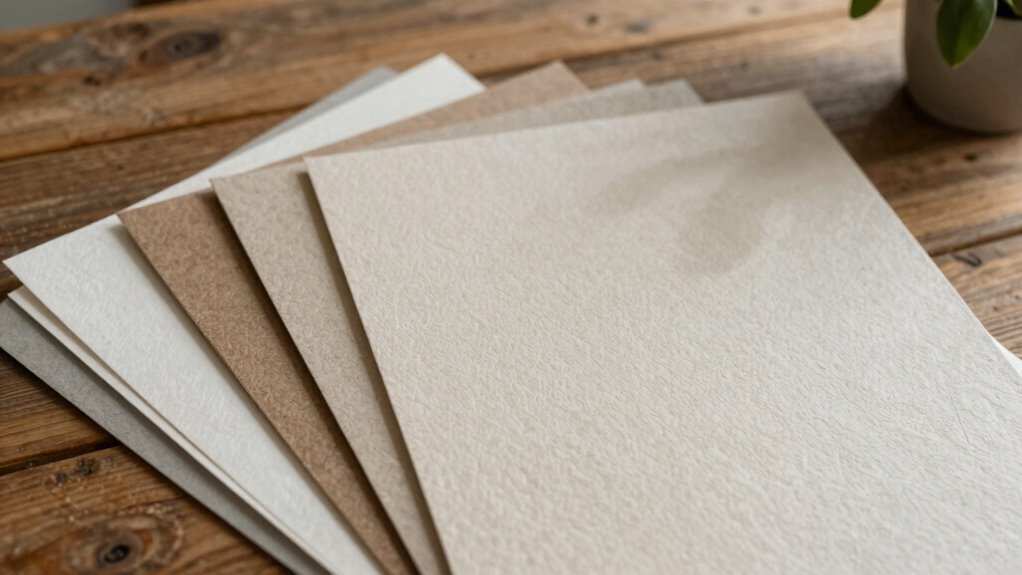
Deciding on eco-friendly fine art paper involves more than just looking at recycled materials; it requires careful consideration of several key factors. First, check the eco certification standards, such as FSC or PEFC, to guarantee the paper meets verified environmental practices. These standards guarantee responsible forest management and reduce environmental impact. Next, consider sustainable sourcing—look for suppliers who prioritize renewable resources and environmentally conscious harvesting methods. This ensures you’re supporting practices that preserve ecosystems and biodiversity. Additionally, research the manufacturing process to confirm it minimizes chemical use and energy consumption. By focusing on eco certification standards and sustainable sourcing, you make a conscious choice that balances quality with environmental responsibility, helping to reduce your artistic footprint and promote sustainable practices within the art community.
How Paper Weight Impacts Cost and Waste Reduction
Sure! Here’s the updated content with the requested modifications:
—
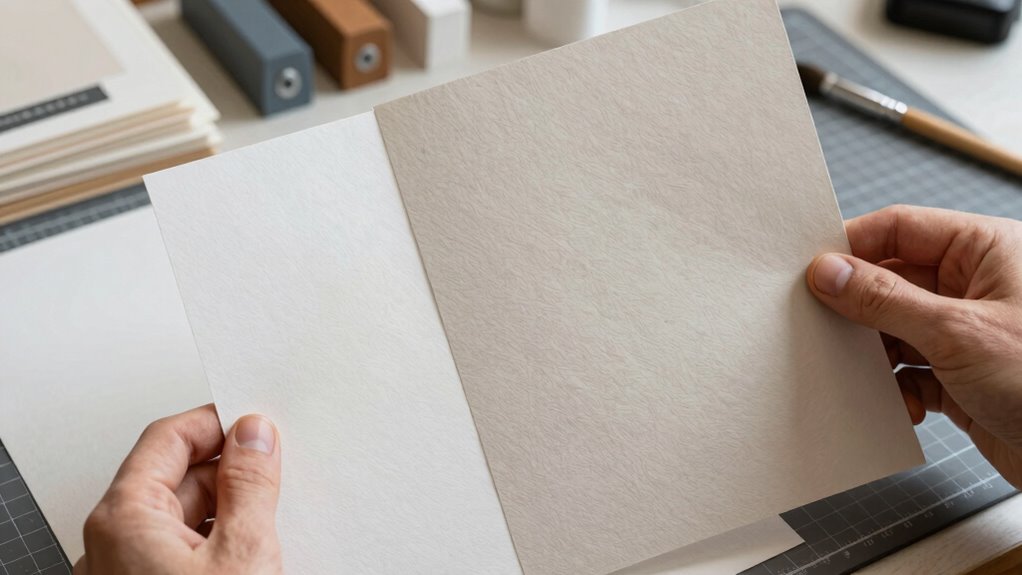
Because paper weight directly influences both the cost and amount of waste generated, selecting the appropriate thickness is essential for managing your project’s efficiency. Heavier papers increase your paper pricing but reduce the likelihood of reprints or mistakes, which cuts waste. Lighter papers are more affordable and generate less waste if used correctly, but may require more careful handling. Additionally, using proper charger settings can enhance the lifespan of materials, akin to how selecting the right paper weight can improve project efficiency. Understanding the concept of waste reduction strategies can help you make informed choices about materials. Considering recycling options can further lower costs and environmental impact. Choosing the right weight helps minimize excess sheets and reduces disposal needs. Being mindful of paper weight allows you to balance quality, cost, and waste reduction effectively. Additionally, understanding debt management strategies can provide insights into budgeting for quality materials without overspending.
- Heavier paper costs more but reduces reprints
- Lighter paper is budget-friendly and eco-friendly
- Proper choice minimizes waste and disposal
- Recycling options can offset higher paper costs
- Suitable weight boosts project efficiency
—
Let me know if you need any further adjustments!
Handling and Storing Heavy and Light Fine Art Paper
Handling and Storing Heavy and Light Fine Art Paper
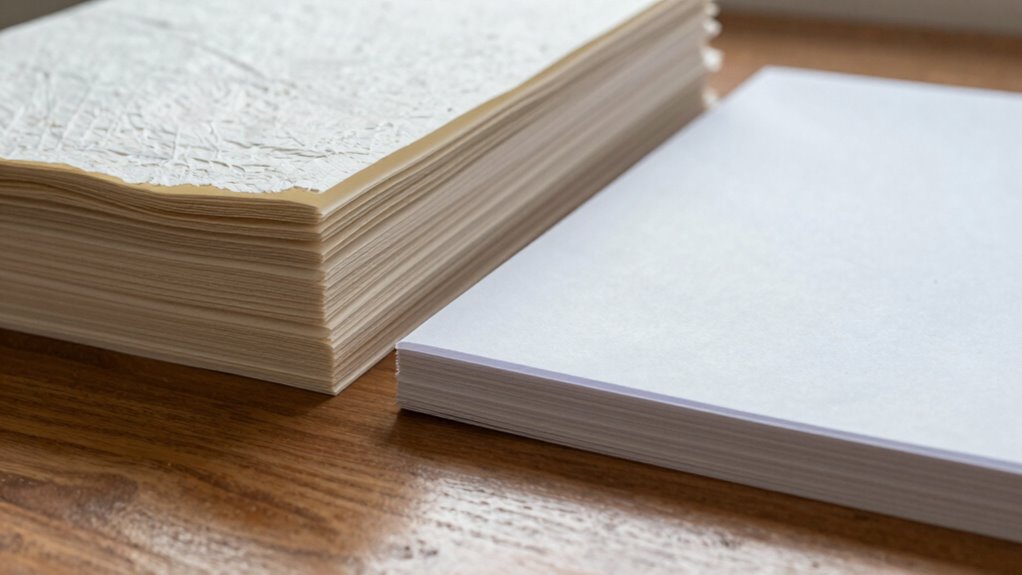
Handling and storing fine art paper requires careful attention, especially since weight influences how you manage these materials. Heavier papers are more durable but can be prone to bending or creasing if not stored properly. Light paper is delicate and needs gentle handling to prevent damage. When storing, keep your paper flat in a cool, dry environment, away from direct sunlight, to preserve its archival quality. Properly structured storage solutions can enhance user experience and ensure your materials are easily accessible. Additionally, using quality bedding can improve your overall workspace comfort. Pay attention to paper texture; smooth textures are easier to stack, while textured papers may need extra support to prevent warping. Using acid-free storage materials is crucial as they protect against deterioration over time. Additionally, incorporating air fryer accessories can help improve your overall workspace organization. Proper handling and storage guarantee your fine art paper maintains its integrity, allowing you to work with it confidently and produce high-quality art for years to come. Furthermore, understanding financial literacy can help artists invest wisely in quality materials and storage solutions.
Signs You’re Using the Wrong Paper Weight?
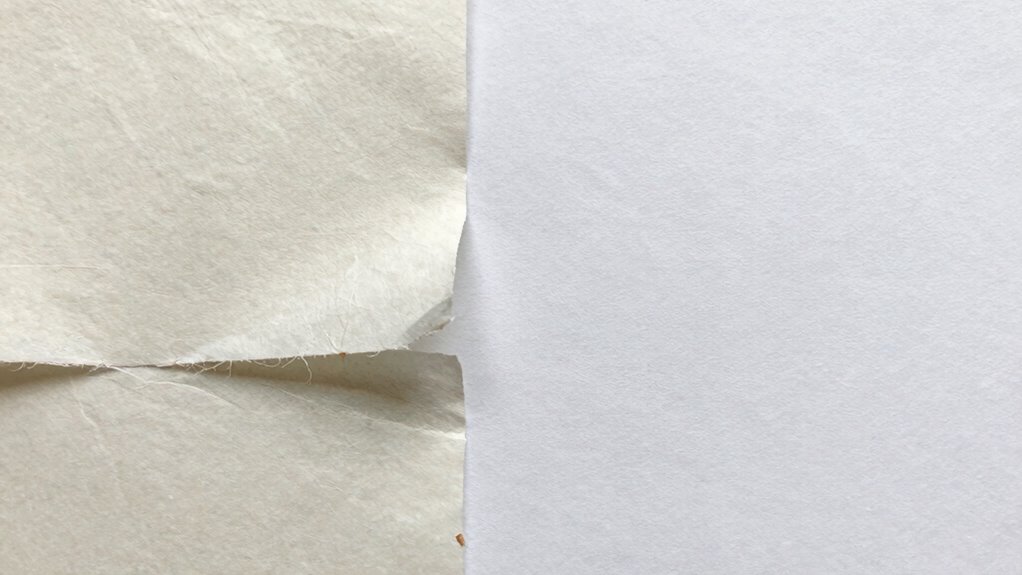
Using the wrong paper weight can quickly undermine the quality of your artwork or project. If you notice certain signs, you’re likely using an unsuitable paper:
Choosing the right paper weight ensures your artwork stays durable and true to your vision.
- The paper feels too flimsy or too stiff for your technique.
- Your artwork shows wrinkles, creases, or warping easily.
- The paper’s texture doesn’t match your desired detail or smoothness.
- Colors bleed or don’t sit well on the surface, affecting archival quality.
- The paper tears or cracks when you work on it, compromising durability.
Choosing the right weight is essential for maintaining proper paper texture and ensuring your artwork remains archival quality over time. Recognizing these signs helps you select the ideal paper to enhance your creative process. Additionally, understanding proper care and maintenance for your chosen paper can further extend the lifespan and integrity of your artwork. Consider investing in top car protection to safeguard your tools and supplies from environmental damage, ensuring your creative space remains conducive to quality work.
Your Quick Checklist for Choosing the Perfect Paper Weight
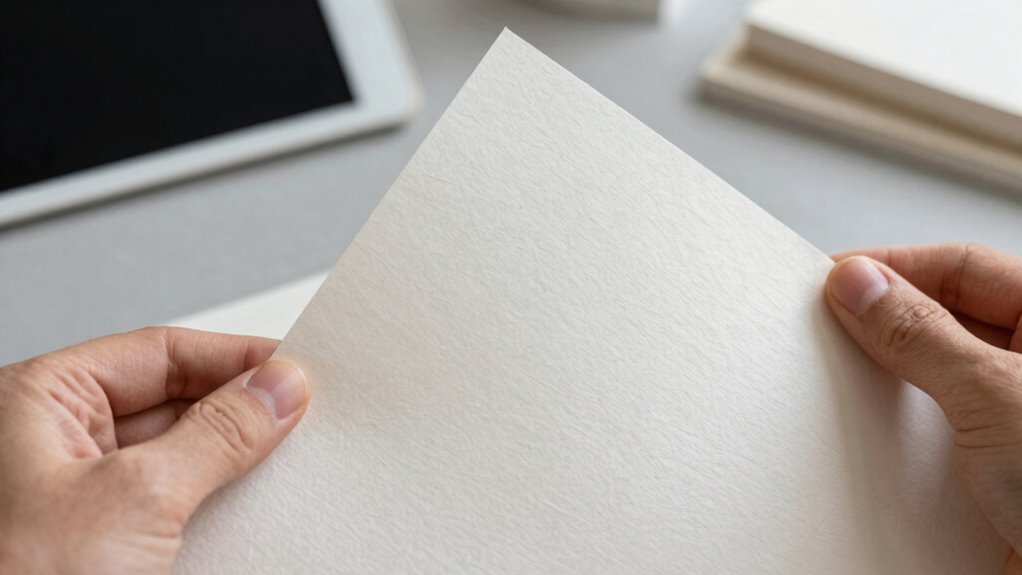
When choosing the right paper weight for your project, a quick checklist can help you make the best decision efficiently. First, consider the paper texture—smooth for detailed prints or textured for a more tactile feel. Next, think about your printing techniques; heavier weights work better for traditional methods like lithography, while lighter weights suit digital or inkjet printing. Assess the final presentation: do you want a stiff, durable feel or something more flexible? Also, consider the artwork’s purpose—if it’s a gallery piece, opt for a higher weight for longevity. Ultimately, check your printer’s specifications to ensure compatibility. By focusing on paper texture, printing techniques, and project goals, you’ll select the perfect paper weight every time.
Frequently Asked Questions
How Does Paper Texture Influence the Choice of Weight?
Paper texture influences your choice of weight because different textures offer varying tactile experiences and affect how the paper feels and performs. A textured variety might require a heavier weight for durability and to showcase the tactile details, while smoother textures may work well with lighter weights. Consider how the texture enhances your artwork’s visual and tactile appeal, guiding you to select a weight that complements your desired artistic effect.
Can Using the Wrong Paper Weight Cause Long-Term Artwork Damage?
Using the wrong paper weight can threaten your artwork’s long-term preservation. Thin or lightweight paper may tear or warp over time, risking print deterioration. Heavyweight, archival-quality paper provides better support, preventing damage and ensuring your art stays intact. By choosing the correct weight, you promote print preservation and maintain the quality of your work for years. Always select a weight suited for your medium and display conditions for lasting results.
What Are the Environmental Impacts of Different Fine Art Paper Weights?
You should consider the environmental impacts of different fine art paper weights, especially regarding recycling initiatives and sustainable sourcing. Heavier papers often require more resources, increasing environmental strain, but choosing papers from sustainable sources helps reduce this impact. Opt for lightweight, recycled, or sustainably sourced papers to support eco-friendly practices. By doing so, you minimize waste and promote conservation, making your artwork environmentally responsible while maintaining quality.
How Does Paper Weight Affect Color Vibrancy and Contrast?
You’ll notice that heavier paper often boosts color saturation and contrast enhancement because it holds inks and pigments better. Lighter paper can make colors appear more muted and less vibrant, while thicker paper enhances depth and detail. When choosing paper weight, consider how it influences your artwork’s overall impact—heavier weights tend to make colors pop, creating striking contrast, whereas lighter weights offer a softer, more delicate finish.
Are There Industry Standards for Measuring Fine Art Paper Weight?
Yes, there are industry standards for measuring fine art paper weight, primarily established by paper manufacturing organizations. Typically, paper weight is measured in grams per square meter (gsm) or pounds (lb). When choosing archival-quality paper, you should look for manufacturers that follow these standards, ensuring durability and longevity. Understanding these measurements helps you select the right weight for your artwork, balancing quality, and performance.
Conclusion
Choosing the right fine art paper weight is like finding the perfect brushstroke—essential for bringing your vision to life. Just as Van Gogh knew the importance of each detail, selecting the right weight guarantees your artwork endures and shines. Don’t let your masterpiece become a fleeting moment; pick wisely, handle with care, and let your art stand the test of time. After all, the right paper weight is the silent partner behind every great creation.