
When preparing a CV and bio for art submissions, focus on creating a clear, organized document that highlights your exhibition history, important shows, and venues in reverse chronological order. Keep your artist bio concise—around 100-150 words—by emphasizing your artistic influences, techniques, and key themes to showcase your practice. Pay attention to relevant achievements and credentials, and guarantee both documents reflect your professional identity. Continuing will reveal tips to make your submissions stand out effectively.
Key Takeaways
- Organize your CV chronologically, highlighting relevant exhibitions, dates, venues, and notable achievements.
- Keep your artist bio concise, focusing on core themes, influences, techniques, and current practice within 150 words.
- Use a clear, professional format for both documents to facilitate quick understanding of your experience and artistic identity.
- Emphasize prestigious or relevant exhibitions and active participation to demonstrate your engagement in the art world.
- Connect your artistic techniques and materials to your influences and education to create a cohesive narrative about your practice.

When submitting your artwork for exhibitions, grants, or residencies, having a well-crafted CV and bio is essential. These documents serve as your professional introduction, showcasing your artistic journey and achievements. Your CV should clearly outline your exhibition history, highlighting the shows you’ve participated in and the venues you’ve exhibited at. This information not only demonstrates your active engagement in the art world but also helps reviewers understand the scope of your experience. Be precise and organized—list exhibitions chronologically, include dates, titles, and locations, and emphasize those that are most relevant or prestigious. This structured presentation allows selectors to quickly grasp your professional footprint and the recognition you’ve earned.
Your artist bio complements your CV by offering a narrative that frames your artistic identity. When detailing your background, focus on your artistic influences, which reveal the ideas, styles, or movements that shape your work. Sharing these influences helps reviewers understand your creative context and how your work fits within broader artistic dialogues. Keep your bio concise—aim for about 100-150 words—and ensure it reflects your current practice. Mention key themes, techniques, or materials you use, and connect them to your influences to create a cohesive story about your art. Including your educational background and notable achievements can further establish your credibility, but prioritize those that are most relevant to the submission.

Sooez Art Portfolio 9"x12", 72 Pockets Large Portfolio Folder Display
- Large Capacity: 72 pockets for up to 144 pages
- Secure Elastic Band: Keeps contents securely fastened
- High Transparency Sheets: Clear protectors for easy viewing
As an affiliate, we earn on qualifying purchases.
As an affiliate, we earn on qualifying purchases.
Frequently Asked Questions
How Should I Tailor My CV for Different Art Competitions?
You should tailor your CV for different art competitions by customizing your portfolio to highlight works that align with each competition’s criteria. Review the competition guidelines carefully and emphasize relevant skills, themes, or mediums in your experience and exhibitions. Focus on showcasing projects that demonstrate your fit for their specific focus, ensuring your CV reflects the qualities they value most. This targeted approach increases your chances of standing out.
What Are Common Mistakes to Avoid in Artist Bios?
Like a cast shadow, avoid vague statements and clichés that obscure your artistic tone. You should aim for professional clarity, ensuring your bio clearly highlights your achievements and unique voice. Don’t overuse jargon or include irrelevant details, as these dilute your message. Instead, focus on concise, impactful language that showcases your journey and passion, helping judges connect with your work on a deeper level without confusion or distraction.
How Detailed Should My Exhibition History Be?
You should include enough exhibition details to highlight your artistic achievements without overwhelming the reader. Focus on recent and significant shows, listing exhibition titles, venues, and dates. Be selective, emphasizing those that best demonstrate your growth and impact. Keep it concise but informative, providing context that showcases your experience. Avoid listing every single exhibition; instead, curate your history to reflect your most impressive and relevant accomplishments.
Should I Include Personal Information in My Bio?
Think of your bio as your artistic fingerprint—you want it unique but not overly revealing. You should include essential personal information that enhances your personal branding, like your location or background, but avoid details that compromise your privacy considerations. Keep it professional and relevant, highlighting your artistic journey without oversharing. This balance helps you connect authentically with your audience while protecting your personal boundaries.
How Often Should I Update My CV and Bio?
You should update your CV and bio every time you have new gallery submissions or notable achievements to showcase your evolving professional branding. Regular updates guarantee your information stays current and relevant, helping you make a strong impression with galleries and curators. Aim to review and revise at least once a year, or whenever you complete a significant project, exhibition, or receive new awards, keeping your profile fresh and competitive.
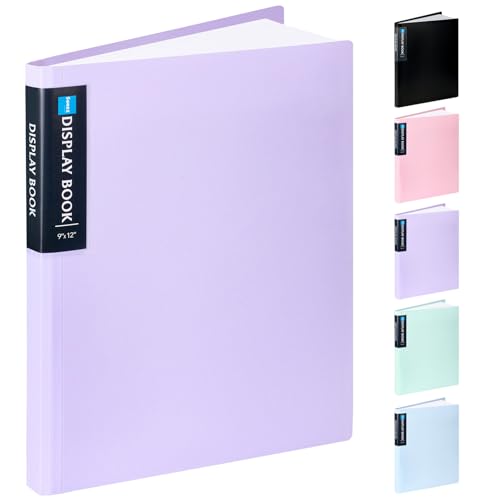
Sooez Art Portfolios 9"x12", 40 Pockets Large Portfolio Folder Display
- Large Capacity: 40 top-loading clear sheet protectors
- Easy Labeling: Reversible spine for customization
- Clear Visibility: High transparency for easy viewing
As an affiliate, we earn on qualifying purchases.
As an affiliate, we earn on qualifying purchases.
Conclusion
Now that you know how to craft a compelling CV and bio, are you ready to showcase your unique artistic voice to the world? Remember, your story and achievements define who you are as an artist—so don’t hold back. With a polished presentation, you can open doors to exciting opportunities and connect deeply with your audience. Are you prepared to take that next step and let your art speak loudly? Your future awaits—just hit send.

Art-Write: The Writing Guide for Visual Artists
- Condition: Used Book in Good Condition
As an affiliate, we earn on qualifying purchases.
As an affiliate, we earn on qualifying purchases.

Aleks Melnyk No.210 Metal Ellipse Template, Stencil, Geometric Template, Ellipse Master, Art Oval Tool, Isometric Drawing, Lapidary, Cabochons, Geometric Ruler, Jewelry Oval
- Versatile Ellipse Template: Suitable for artists, architects, engineers
- All-Purpose Measuring Tool: Trace, create, and measure with precision
- Geometric Shape Stencil: Ideal for painting, sketching, and craft projects
As an affiliate, we earn on qualifying purchases.
As an affiliate, we earn on qualifying purchases.