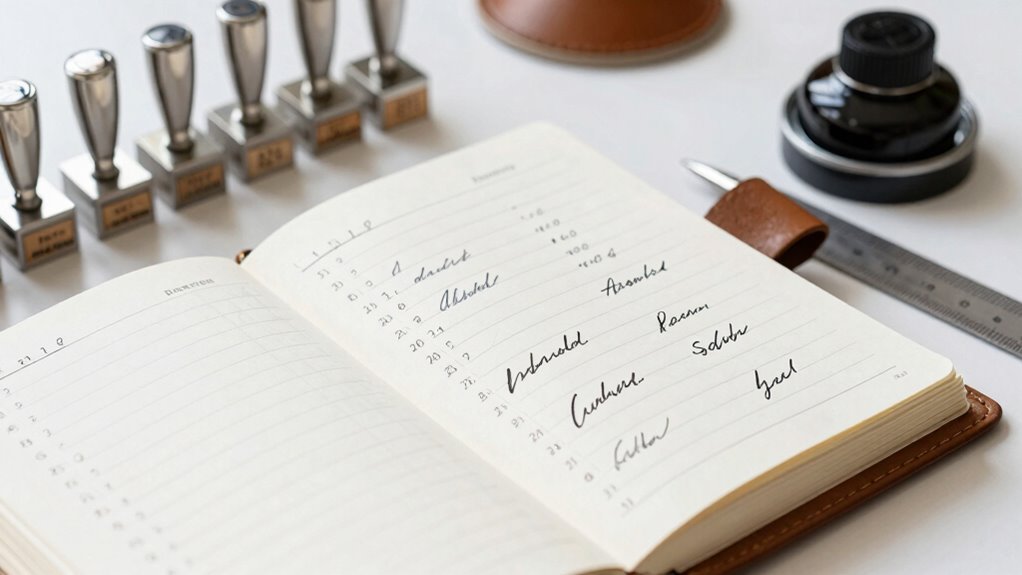

To build an effective editioning system, start by defining clear goals and choose consistent numbering and signature methods to verify authenticity. Keep detailed records of each edition, including signatures, dates, and provenance, using digital tools for added security. Maintain quality control and implement security measures like watermarks or seals to prevent forgery. If you want to explore how to strengthen your system further, there’s more to uncover that can help guarantee long-term trust and transparency.
Key Takeaways
- Define clear objectives and ethical practices to establish trust and authenticity in your editioning system.
- Implement consistent numbering formats and durable signatures to verify authenticity and differentiate editions.
- Maintain accurate, secure digital and physical records tracking edition details, signatures, and provenance.
- Apply security measures like watermarking, authentication seals, and encryption to prevent forgery and ensure integrity.
- Manage records systematically with version control, access controls, and clear policies to support updates and long-term reliability.

COSCO 2000PLUS Automatic Numbering Machine, 6 Wheels, Self-Inking, Black 0.75 x 0.25
Six-wheel numbering machine.
As an affiliate, we earn on qualifying purchases.
As an affiliate, we earn on qualifying purchases.
Define Clear Objectives for Your Edition System

Have you clearly defined what you want your editioning system to achieve? Setting clear objectives is essential for maintaining editioning ethics and fostering collector engagement. Decide whether your goal is to create exclusive, limited editions or more accessible series. Clarify how your system will guarantee transparency, authenticity, and consistency. This helps build trust with collectors, who value ethical practices and clear documentation. Your objectives should also address how you’ll handle numbering, signatures, and records to uphold integrity. By establishing these foundational goals, you set a strong framework for your editioning process. This approach not only protects your reputation but also encourages collectors to value and invest confidently in your work. Clear objectives align your practices with both ethics and collector expectations. Additionally, consider how an adaptable, long-term structure can enhance the flexibility and responsiveness of your editioning system.

5 Pcs Pattern Tracing Stylus, Ball Embossing Stylus for Transfer Paper, Tracing Tools for Drawing, Embossing Tools for Paper, Art Dotting Tools for Nail Art, Ball Tip Clay Tools Sculpting Stylus
✒️ The embossing stylus set have total 10 ball ends, 5 different diameters (1.0/1.5/2.0/2.5/3.0 mm). Rounded tip protects…
As an affiliate, we earn on qualifying purchases.
As an affiliate, we earn on qualifying purchases.
Choose the Best Numbering and Signature Methods for Art Editions
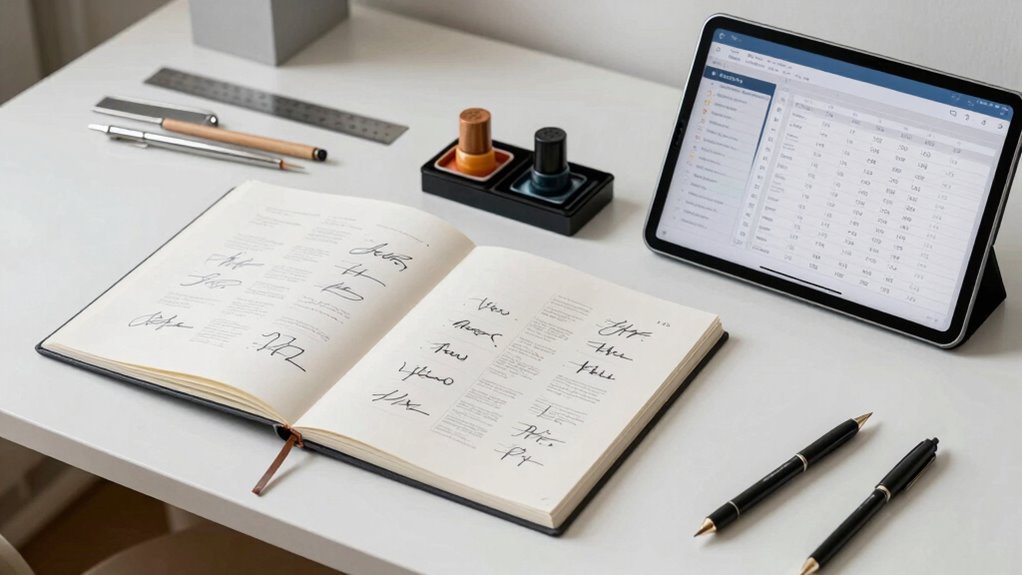
Choosing the right numbering and signature methods is essential to establishing trust and authenticity in your art editions. Your choices reflect your professionalism and dedication to quality. Consider printing techniques that enhance signatures, like embossing or ink types suited for different paper types. For example, textured papers can elevate a signature’s presence, while smooth papers work well with clean, crisp numbering. Use consistent numbering formats, such as “Limited Edition #1/50,” to convey exclusivity. Signatures should be clear and durable, ensuring longevity. Here’s a table to evoke emotion and guide your selection:
| Printing Techniques | Paper Types | Signature Style |
|---|---|---|
| Embossing | Textured, fine art | Hand-signed, cursive |
| Foil stamping | Cotton, watercolor | Signed in ink |
| Letterpress | Heavyweight, archival | Stamp or initial |
| Digital printing | Smooth, matte | Digital signature |
![Express Rip Free CD Ripper Software - Extract Audio in Perfect Digital Quality [PC Download]](https://m.media-amazon.com/images/I/41xx28xHa+L._SL500_.jpg)
Express Rip Free CD Ripper Software – Extract Audio in Perfect Digital Quality [PC Download]
Perfect quality CD digital audio extraction (ripping)
As an affiliate, we earn on qualifying purchases.
As an affiliate, we earn on qualifying purchases.
Keep Accurate Records of Your Editions and Signatures
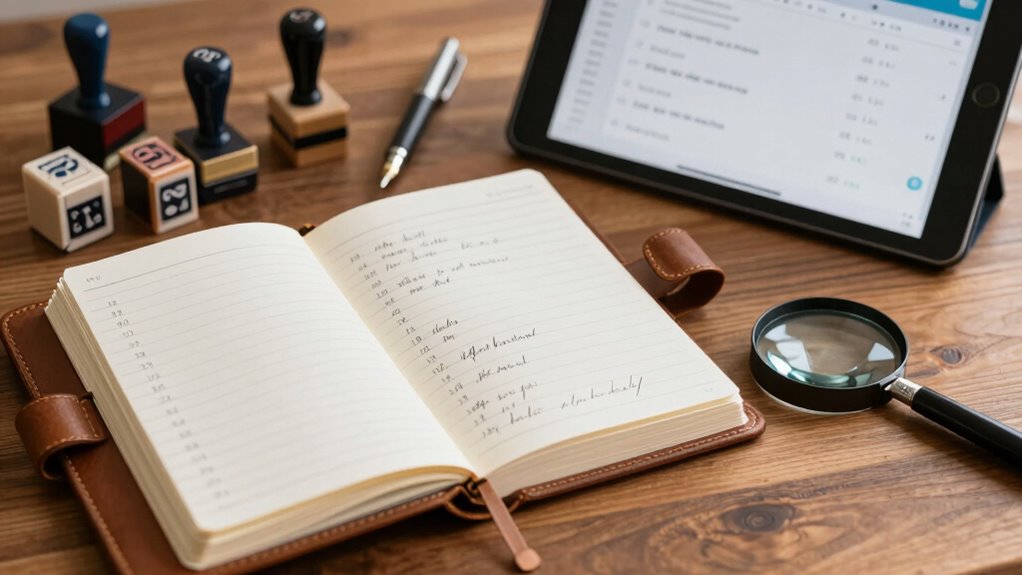
Maintaining accurate records of your editions and signatures is vital to ensuring authenticity and building trust with collectors. Implement a system for metadata tracking, which captures details like edition numbers, signatures, dates, and provenance. This data provides a clear record of each piece’s history and authenticity. Additionally, a strong understanding of ADAS sensor calibration can help you ensure the quality of your editions. Digital archiving is essential—store these records securely online or in cloud-based systems to prevent loss and facilitate easy access. Regularly update your records as new editions are created or signatures are added. Consistent, detailed documentation not only safeguards your work but also makes verification straightforward for collectors and galleries. By keeping precise, organized records, you establish credibility and protect your reputation in the art world. Furthermore, each unique gift left by the Tooth Fairy reflects the magic of childhood and can inspire creativity in your editions. Moreover, engaging with local art exhibitions can provide cultural insights that enhance the overall appeal of your work. Additionally, understanding color accuracy can significantly enhance the visual appeal of your editions, making them more desirable to potential buyers. Electric dirt bikes, known for their 10 to 20 horsepower, can also inspire innovative design concepts for your editions.
watermarking tools for artwork
As an affiliate, we earn on qualifying purchases.
As an affiliate, we earn on qualifying purchases.
Maintain Consistency and Verify Authenticity Across Editions
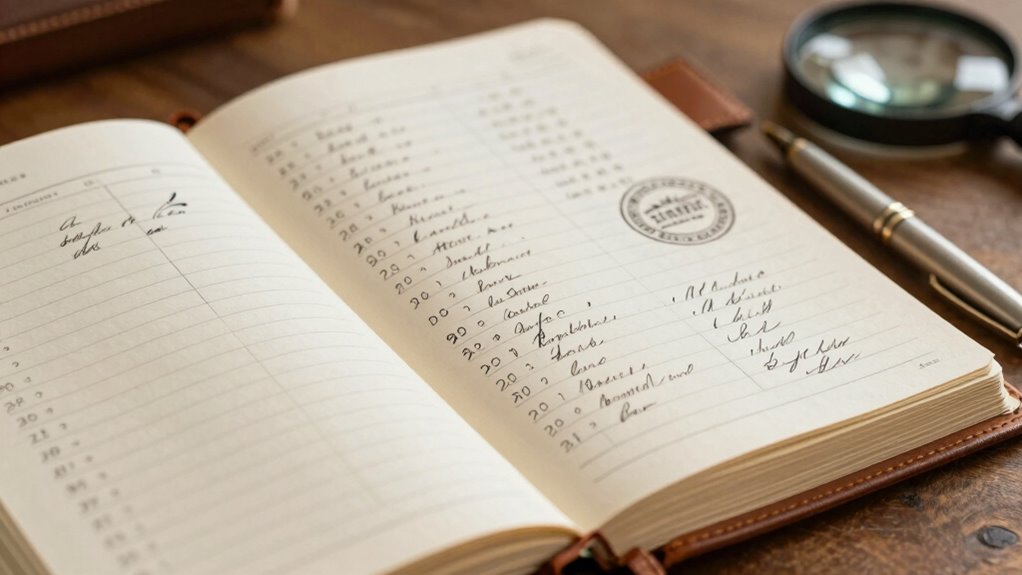
To guarantee your editions remain consistent and authentic, it’s essential to implement standardized production processes and strict quality controls. Use digital watermarking to embed subtle, unique identifiers into each edition, making it harder to forge or tamper with. Authentication seals provide an additional layer of security by serving as visible markers of legitimacy, which you can verify easily. Consistently applying these methods across all editions ensures that each piece maintains its integrity and can be authenticated reliably. Regularly review and update your watermarking techniques and seals to stay ahead of potential forgeries. By maintaining rigorous standards and leveraging these tools, you reinforce trust in your editions and safeguard their authenticity throughout their distribution. Understanding shipwreck preservation techniques can also inspire innovative methods for protecting your editions from degradation over time, similar to how eco-friendly natural pools enhance their surroundings sustainably. Implementing these practices aligns with the growing interest in UBI debates, as the need for reliable and trustworthy systems becomes even more crucial in future economies.
Avoid Common Mistakes When Building Your Editioning System
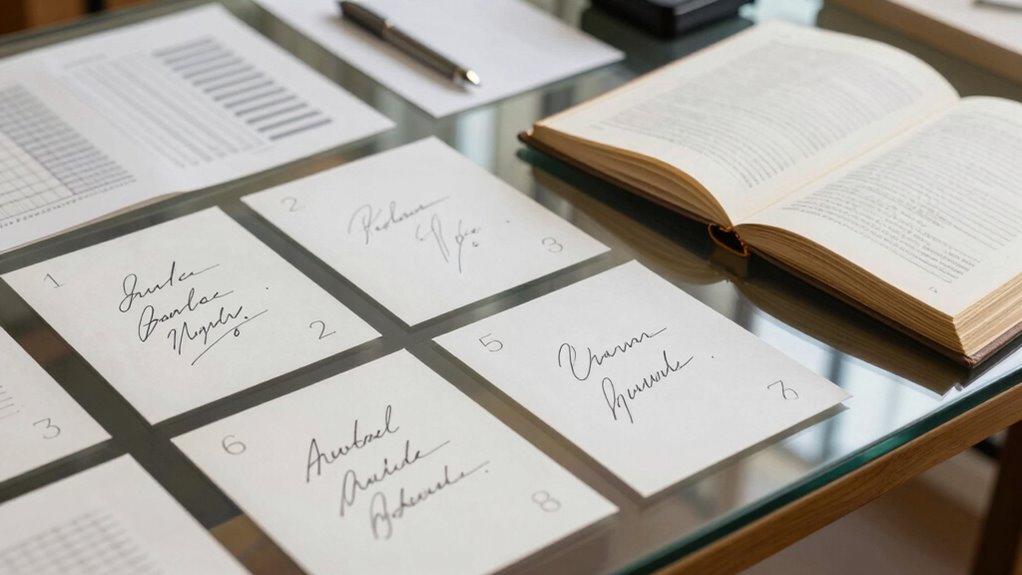
Building an editioning system without careful planning can lead to costly mistakes that undermine authenticity and consistency. One common error is neglecting to establish clear pricing strategies, which can alienate collectors or undervalue your work. Avoid inconsistent numbering or signatures, as these diminish credibility and collector trust. Overlooking the importance of transparent records can also cause confusion and diminish perceived value. To foster collector engagement, communicate your editioning approach clearly, emphasizing its exclusivity and authenticity. Consider creating a support network for artists to share experiences and best practices. Additionally, employing effective email marketing strategies can enhance outreach to potential collectors. Don’t rush the process or skip steps—disorganization can lead to errors that are difficult to correct later. By paying attention to detail and maintaining transparency, you protect your work’s integrity, build trust with collectors, and guarantee your editioning system supports your artistic and commercial goals effectively. Additionally, consider integrating features from best home security systems to enhance the protection of your valuable works.
Next Steps: Verifying Signatures and Managing Provenance
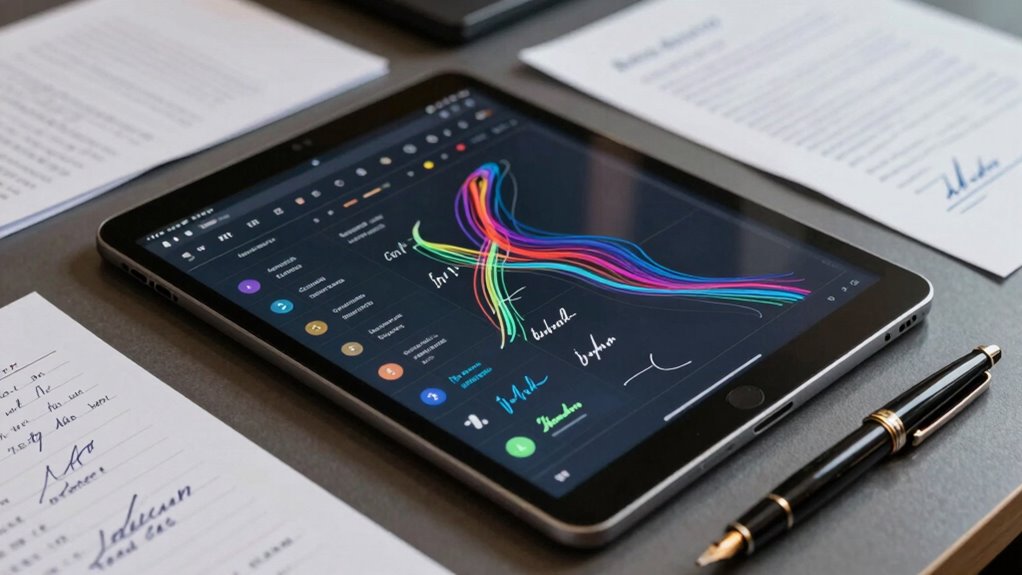
Verifying signatures and managing provenance are essential steps in establishing trust and authenticity within your editioning system. Digital certification provides a secure way to confirm signatures, ensuring each record is genuine and tamper-proof. You should implement digital certification tools that verify signatures automatically, reducing errors and increasing confidence. Provenance tracking is equally important, allowing you to record every step of an item’s history—from creation to current status. This detailed record helps verify authenticity over time, especially if disputes arise. By integrating digital certification with provenance tracking, you create a transparent system that assures collectors and stakeholders of your edition’s integrity. These measures safeguard your editioning system, building credibility and maintaining trust in your records. Additionally, user privacy must be considered during this process, ensuring that sensitive information is protected while managing your records.
Frequently Asked Questions
How Do I Handle Editioning for Digital or Multimedia Artworks?
You handle editioning for digital or multimedia artworks by applying digital watermarking to verify authenticity and protect your work. Incorporate multimedia metadata to record edition details, creator info, and ownership rights. Regularly update this metadata with each edition or version, ensuring traceability. Combining digital watermarking with complete metadata helps maintain your artwork’s integrity, supports proper editioning, and makes it easier to prove originality and provenance in the digital domain.
What Legal Considerations Should I Be Aware of When Creating Edition Records?
You should prioritize legal compliance and safeguard your intellectual property when creating edition records. Guarantee your records clearly define rights, restrictions, and ownership details to prevent disputes. Use precise licensing terms and retain documentation of your rights transfers. By doing so, you protect your work legally, maintain control over your editions, and uphold your rights, which ultimately preserves the value and integrity of your artwork.
How Can I Adapt My Editioning System for Multiple Artists or Collaborations?
You can adapt your editioning system for multiple artists or collaborations by establishing clear collaborative agreements that specify each artist’s contributions and edition rights. Assign unique signatures or markings for each artist, reflecting their involvement. Keep detailed records of all contributions, ensuring transparency and proper attribution. This approach helps maintain clarity, respects individual efforts, and simplifies the management of multi-artist editions within your system.
What Tools or Software Are Recommended for Managing Edition Records?
You should consider tools like ArtLogic, Pictory, or Tactic for managing edition records. These software options excel in edition verification and record keeping, ensuring you track each piece’s history accurately. They streamline the process, reduce errors, and keep everything organized. By using these tools, you’ll stay confident in your edition management, avoiding confusion or duplication, and have a reliable system that grows with your artistic portfolio.
How Do I Price Editions Based on Edition Size and Authenticity?
You should base your edition pricing strategies on edition size and authenticity verification. Generally, smaller editions command higher prices due to their rarity and verified authenticity. Larger editions can be priced more affordably, but guarantee authenticity verification is clear to maintain trust. Consider market demand and the uniqueness of each piece. Regularly review pricing to reflect changes in authenticity status and edition popularity, maximizing value for both you and collectors.
Conclusion
By following these steps, you’ll create a solid editioning system that stands the test of time—like a trusty steed or a well-preserved manuscript from the Library of Alexandria. Keep your records precise, signatures authentic, and consistency exemplary. Remember, even in this digital age, a good edition system is your secret weapon against fakes and confusion. Stay sharp, stay organized, and your art will shine brighter than a vintage vinyl.