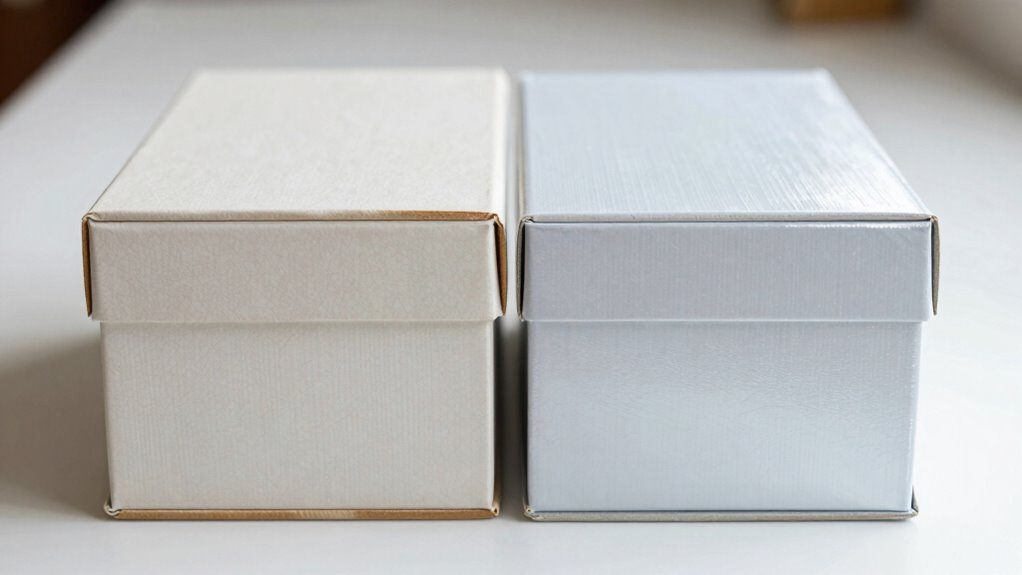

Buffered and unbuffered archival boxes serve different preservation needs. Buffered boxes contain neutralizing agents like calcium carbonate to stabilize pH and protect delicate items such as photographs and textiles from acidity. Unbuffered boxes are made from acid-free materials without buffers, suitable for items sensitive to alkalinity. Knowing when to use each guarantees your collection stays preserved long-term. Keep exploring to discover how to choose the right box for your specific collection.
Key Takeaways
- Buffered boxes contain alkaline agents to neutralize acids, ideal for fragile paper, photographs, and textiles sensitive to acidity.
- Unbuffered boxes are made from neutral, acid-free materials, suitable for materials sensitive to alkalinity, like certain photographs and textiles.
- Use buffered boxes for collections needing protection from environmental acidity and fluctuations; unbuffered for acid-sensitive items.
- Construction quality, sealed edges, and material integrity are critical for long-term preservation in both box types.
- Choose based on material sensitivity and storage environment stability to ensure optimal long-term preservation.

Lineco, Museum Acid-Free Drop-Front Storage Box, 11.5X15X3 inches, Tan
Metal edge corners construction for stacking strength and adding durability
As an affiliate, we earn on qualifying purchases.
As an affiliate, we earn on qualifying purchases.
What Are Buffered and Unbuffered Archival Boxes?
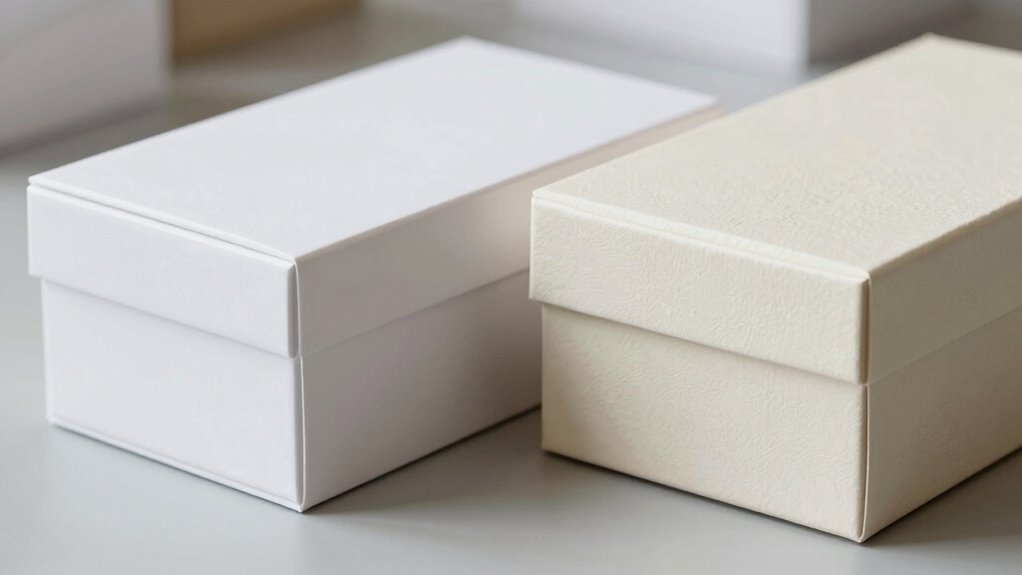
When choosing archival boxes, understanding the difference between buffered and unbuffered options is essential. Both types support archival preservation, but they serve different purposes depending on your storage environments. Buffered boxes contain an acid-neutralizing agent, which helps protect sensitive materials like paper or photographs from acidic deterioration over time. They’re ideal for items that require added chemical stability. Unbuffered boxes lack this neutralizing agent, making them suitable for materials that are already stable or sensitive to alkaline substances, such as textiles or certain photographs. By selecting the right type, you guarantee your collection remains intact and well-preserved. Knowing these differences helps you optimize storage environments and extend the lifespan of your archival materials. Additionally, ensuring that items are stored in environments with natural ingredients can further promote their longevity. Understanding the role of chemical stability in archival storage is crucial for preserving delicate items effectively. Proper acoustic control in storage spaces can also enhance preservation by minimizing environmental fluctuations. As you explore various digital concepts, consider how they might influence the future of archival practices. Moreover, selecting the correct materials for storage, such as solar charge controllers, can significantly enhance the overall longevity of your archival solutions.
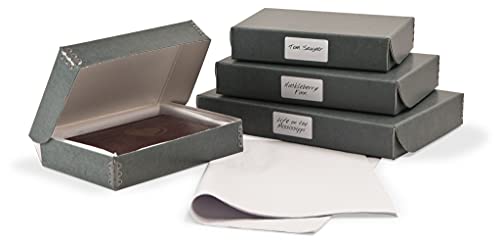
Gaylord Archival Blue/Grey Unbuffered Rare Book Preservation Kit – 5 3/4W x 8 1/4L x 2"H
SIZED RIGHT: Specifically sized to safely store books, journals or diaries
As an affiliate, we earn on qualifying purchases.
As an affiliate, we earn on qualifying purchases.
How Are Buffered and Unbuffered Boxes Different in Composition?
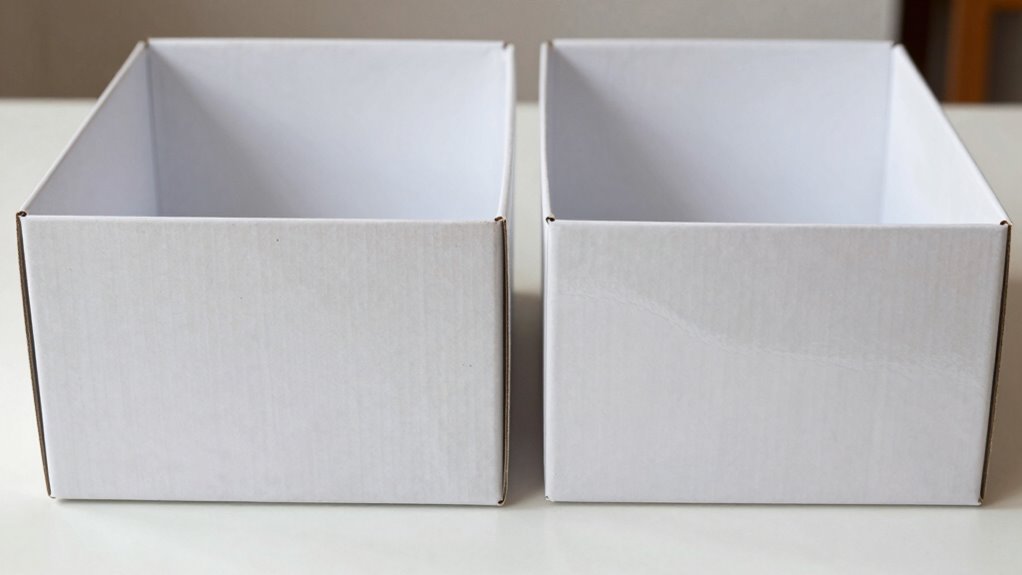
Buffered boxes contain a special coating or layer that helps control pH levels, offering extra protection for sensitive materials. Unbuffered boxes are made from neutral materials without this protective layer, making them suitable for items that can be affected by buffering agents. Understanding these composition differences helps you choose the right box for your archives. Additionally, Italian gelato culture emphasizes the importance of preserving delicate ingredients, much like how buffered boxes protect sensitive documents.
Material Composition Differences
Buffered and unbuffered archival boxes differ primarily in their material composition, which affects their protective qualities. Buffered boxes contain an alkaline buffer, typically calcium carbonate, that neutralizes acids and helps preserve sensitive materials. Unbuffered boxes lack this buffer, making them suitable for objects that are naturally alkaline or acid-sensitive. The choice impacts color compatibility; buffered boxes may slightly alter the appearance of delicate items over time, so you need to weigh their hues and materials. Additionally, their environmental impact varies: buffered boxes are often more eco-friendly because they help prevent deterioration, reducing long-term waste. Understanding these differences allows you to select the right box based on the specific needs of your collection, ensuring better preservation and minimal environmental footprint. Furthermore, choosing eco-friendly materials can enhance the sustainability of your archival practices. Implementing child safety measures in your storage solutions can also prevent accidents in modern kitchens, ensuring both protection for your items and safety for your family.
Protective Layer Variations
The protective layers in archival boxes are key to their ability to safeguard sensitive materials, and these layers differ markedly between buffered and unbuffered options. Buffered boxes contain acid-neutral layers and protective coatings that buffer against acidity, helping preserve materials prone to acid damage. Additionally, choosing the right archival box can enhance the longevity of sealed items, as improper storage can lead to deterioration. In the same way, selecting the appropriate storage solutions can also help protect hidden foodie gems from environmental damage. Proper storage techniques, like effective floor scrubber techniques, can further ensure that the environment remains conducive to preservation. Unbuffered boxes lack these acid-neutral layers, making them suitable for materials sensitive to alkalinity. It’s important to recognize that template compatibility can also influence how well archival boxes serve their intended purpose. Here’s a comparison:
| Feature | Buffered Box | Unbuffered Box | Purpose |
|---|---|---|---|
| Protective Coatings | Acid-neutral layers | Minimal or no acid-neutral layers | Long-term preservation of acidic materials |
| Acid Neutral Layers | Present | Absent | Neutralize acids in surrounding environment |
| Compatibility | Suitable for general documents | Ideal for photos, textiles | Prevent chemical reactions |
Choosing the right box is crucial for personal finance planning as it reflects the importance of protecting valuable assets over time.

Lineco Museum Archival Storage Box, Drop Front, 9.75×12.75×3 in, Gray
Brand Background: Lineco is a leading and trusted brand for archival quality art, photography, and framing supplies
As an affiliate, we earn on qualifying purchases.
As an affiliate, we earn on qualifying purchases.
How to Identify Quality Buffered and Unbuffered Archival Boxes
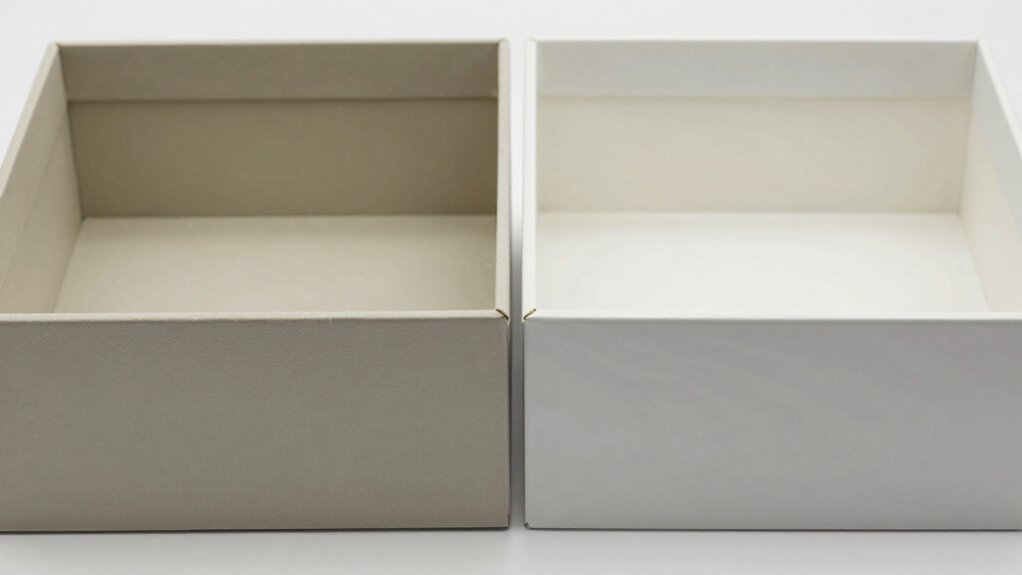
To identify quality buffered and unbuffered archival boxes, start by examining the material composition and density, ensuring they meet archival standards. Check the seal integrity and construction to confirm the boxes are well-made and provide proper protection. These features are key indicators of durability and suitability for long-term preservation. Additionally, consider using eco-friendly options that align with sustainable practices to enhance your preservation efforts.
Material Composition and Density
Understanding the material composition and density of archival boxes is essential when choosing quality storage options. High-quality boxes are made from acid-free materials that prevent deterioration over time, guaranteeing your items stay preserved. Density plays a vital role in providing environmental stability, as denser boxes resist warping and physical damage better. To identify quality buffered and unbuffered boxes, look for the following:
- Made from acid-free, lignin-free materials
- Consistent, smooth surface without warping or cracking
- Adequate density for durability and environmental stability
- Clear labeling indicating buffering status and material purity
These factors assure your archival boxes offer long-term protection, maintaining the integrity of precious collections.
Seal Integrity and Construction
How can you tell if an archival box is truly sealed and constructed for long-term preservation? First, check the seal integrity by inspecting for tight, seamless edges without gaps or overlaps. High-quality boxes use construction techniques that guarantee durability, such as sturdy corner joints and secure lid attachments. Look for consistent, smooth edges indicating careful assembly. A well-made box will resist warping or cracking over time, maintaining seal durability under varying conditions. Avoid boxes with flimsy materials or uneven seams, as these suggest poor construction. The best archival boxes feature reinforced corners and a tight fit between lid and base, which help protect contents from dust, light, and moisture. Proper construction and a durable seal are essential for reliable, long-lasting preservation.

Gaylord Archival Blue/Grey Wedding Dress & Textile Preservation Box with Tissue Paper – 24W x 30L x 6"H
Museum-quality box safely store costumes, wedding gowns, quilts and other textiles
As an affiliate, we earn on qualifying purchases.
As an affiliate, we earn on qualifying purchases.
When Should You Use Buffered Archival Boxes?
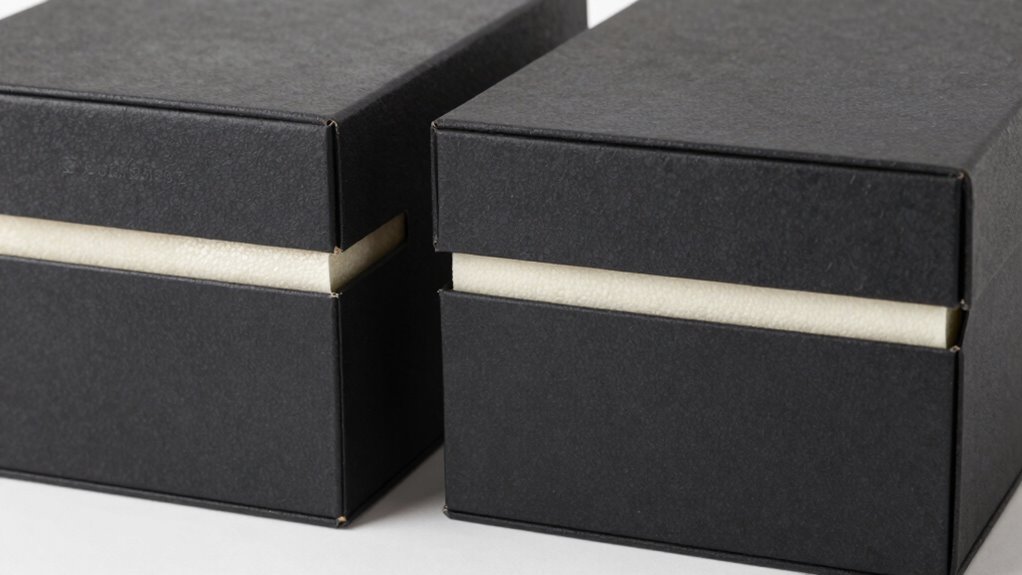
Buffered archival boxes are essential when you’re storing items that are particularly sensitive to environmental changes or prone to deterioration. They help buffer fluctuations in humidity and acidity, protecting fragile materials. Use buffered boxes if your collection includes items like paper documents, photographs, or textiles that benefit from a slightly alkaline environment. When preparing these items, guarantee they’re stored with acid free paper and archival adhesives to prevent acid migration. Buffered boxes are also ideal for materials that are prone to acid degradation, helping extend their lifespan. Consider buffering if you’re concerned about environmental stability or preservation needs. The right choice can notably reduce deterioration risks, especially for valuable or fragile items. Proper storage ensures your collection stays intact for generations.
What Are the Benefits of Buffered Archival Boxes?
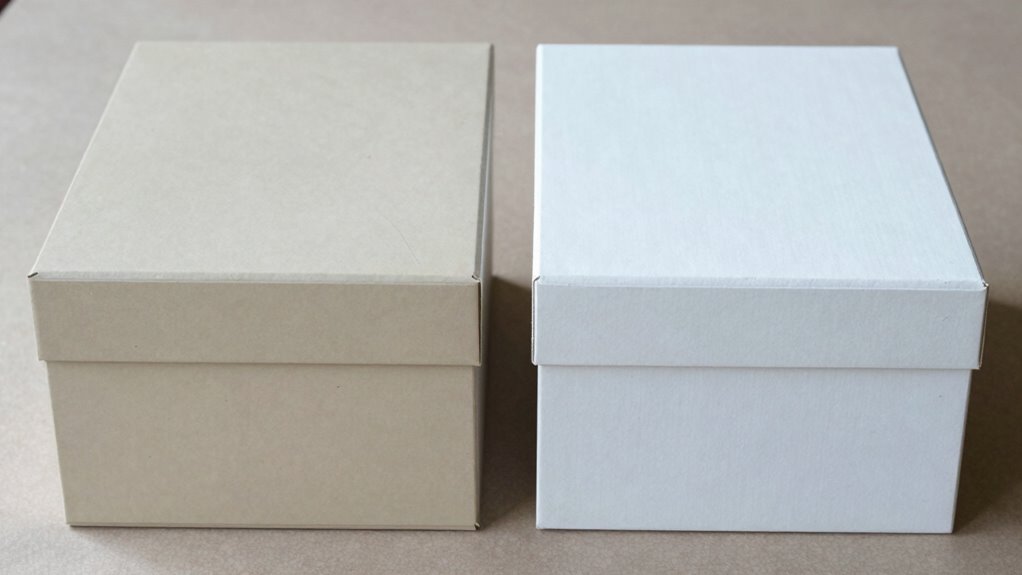
Buffered archival boxes provide a range of benefits that help safeguard sensitive materials. They help maintain stable preservation environments by neutralizing acidic gases and controlling humidity levels, which are vital for conservation techniques. This buffering action creates a more stable environment, reducing the risk of deterioration over time. Buffered boxes are especially useful for fragile items like photographs, textiles, and paper documents, as they slow chemical reactions that cause decay. By protecting against environmental fluctuations, they extend the lifespan of your collection. Using buffered archival boxes ensures your materials are stored in an ideal setting, making them an essential choice for long-term preservation. This proactive approach helps preserve the integrity of your collection for future generations. Additionally, the principles of molecular-scale stability can further enhance the effectiveness of preservation techniques used in archival storage.
What Are the Limitations of Unbuffered Archival Boxes?
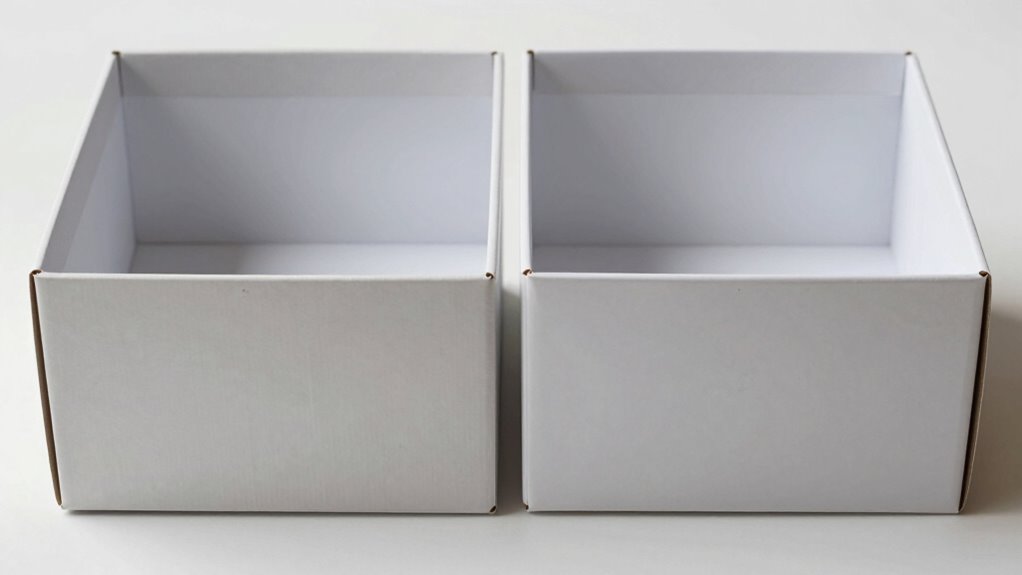
Unbuffered archival boxes, while useful for certain storage needs, have notable limitations when it comes to protecting delicate materials. They often lack the environmental stability necessary to prevent damage from fluctuating humidity or temperature. This can accelerate deterioration, especially for sensitive items. Additionally, unbuffered boxes may require more frequent monitoring and adjustments, increasing maintenance efforts. Cost considerations also come into play; unbuffered options are typically cheaper upfront but may lead to higher long-term expenses if items degrade. Without buffering, the materials inside are more vulnerable to environmental changes, risking damage over time. This makes unbuffered boxes less suitable for storing highly sensitive or valuable collections that demand controlled conditions. Proper storage practices can be crucial for fashion enthusiasts looking to preserve their items effectively, especially when considering environmental stability in their storage solutions.
Common Use Cases for Buffered vs Unbuffered Storage

Choosing the right storage solution depends heavily on the type of materials you’re working with and their sensitivity to environmental conditions. Buffered storage is ideal for materials requiring enhanced protection against fluctuations in climate control, making it suitable for digital preservation of fragile items or documents prone to deterioration. In the context of creative storytelling, using buffered storage can help maintain the integrity of historical artifacts that contribute to a brand’s narrative. Unbuffered boxes work well for less sensitive materials where environmental stability isn’t as critical. If you’re storing items with high environmental sensitivity, buffered boxes help maintain consistent conditions, reducing risks of damage. Conversely, unbuffered boxes are often used for general storage, especially when climate control is sufficient. Understanding these common use cases allows you to select the best archival storage, ensuring long-term preservation and integrity of your collection. Additionally, eye safety tips for using certain preservation methods can also play a crucial role in the overall care of sensitive items.
Which Archival Storage Solution Is Best for Your Collection?
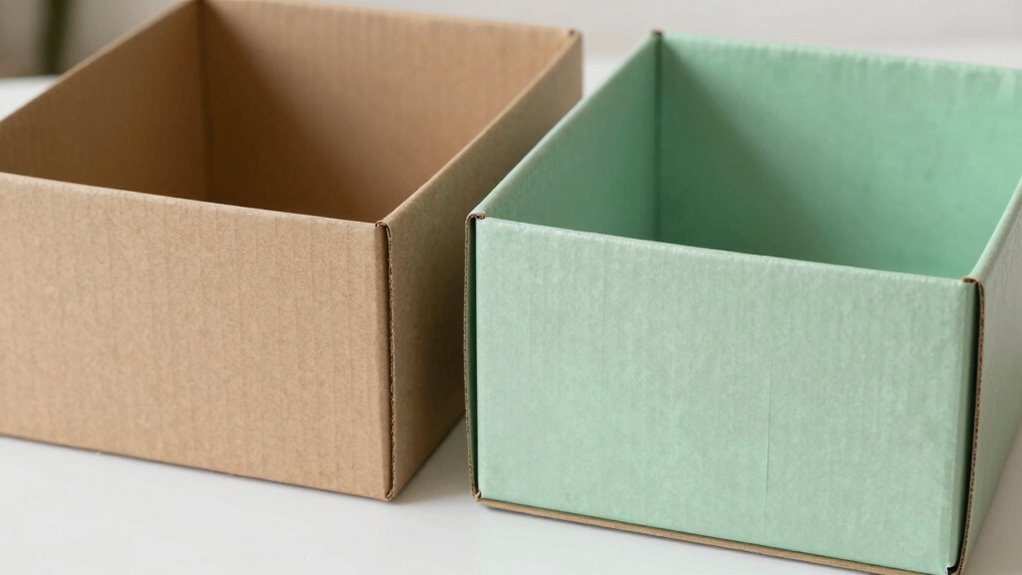
Selecting the right archival storage solution depends on understanding your collection’s specific needs and the conditions it requires to stay preserved. To choose wisely, consider factors like material sensitivity, exposure to light or humidity, and long-term conservation techniques. Buffered storage is ideal for delicate paper or photographs needing extra acid neutralization, supporting historical preservation. Unbuffered options suit items that may react negatively to buffering agents. Think about your collection’s environment—if it’s stable, unbuffered might suffice; if not, buffered storage offers added protection. Evaluating these elements ensures your collection remains intact for future generations. Ultimately, matching your collection’s unique requirements with the right solution helps preserve its integrity and history effectively.
Frequently Asked Questions
Are Buffered Boxes Suitable for All Types of Archival Materials?
Buffered boxes aren’t suitable for all types of archival materials. They’re ideal for items sensitive to acidity, like certain photographs or paper, because they contain acid-neutralizing agents. However, for materials like photographs with specific humidity needs, unbuffered boxes are better. Always consider using acid-free paper and humidity control to guarantee your items stay preserved. Choose buffered or unbuffered based on the specific material’s needs for best long-term protection.
How Long Can Buffered and Unbuffered Boxes Effectively Preserve Items?
Buffered and unbuffered boxes can effectively preserve items for decades when you use buffering technology appropriately and guarantee material compatibility. Buffered boxes, with their pH-neutral lining, resist acid deterioration, extending preservation, while unbuffered boxes suit materials that are sensitive to buffering agents. Proper storage conditions, handling, and material choice work together to maximize your archival items’ lifespan, often lasting 50 to 100 years with ideal care.
Can You Mix Buffered and Unbuffered Boxes in the Same Storage Environment?
You can mix buffered and unbuffered boxes in the same storage area, but you should consider chemical compatibility and storage stacking. Make certain the materials inside won’t react negatively if they come into contact. Likewise, stack boxes carefully to prevent crushing or damage, especially since buffered boxes might be more sensitive. Proper organization helps maintain item integrity, regardless of whether you use buffered or unbuffered boxes together.
What Environmental Conditions Are Ideal for Both Buffered and Unbuffered Boxes?
You’ll want ideal conditions to prevent acid migration and guarantee material compatibility. Keep the environment cool, dry, and stable—think of it as a spa day for your boxes. Avoid fluctuating humidity and temperature, which can accelerate deterioration or cause acid migration. Properly controlled conditions maintain the integrity of both buffered and unbuffered boxes, preventing unwanted chemical reactions and ensuring your collection remains safe, no matter the buffer status.
Are There Cost Differences Between Buffered and Unbuffered Archival Boxes?
Yes, there are cost differences between buffered and unbuffered archival boxes. Buffered boxes tend to be more expensive due to their specialized materials that provide pH buffering, which is essential for preserving sensitive materials. When doing a cost analysis, consider material compatibility—buffered boxes are ideal for acidic or sensitive items. Unbuffered boxes are more affordable but may not offer the same long-term protection for certain artifacts.
Conclusion
Choosing between buffered and unbuffered archival boxes depends on your collection’s needs. Buffered boxes are ideal for sensitive materials, providing extra protection against deterioration. Notably, studies show that buffered storage can extend the lifespan of paper artifacts by up to 50%. By understanding their differences and benefits, you can make informed decisions to preserve your collection effectively. Remember, selecting the right storage solution ensures your artifacts remain protected for generations to come.