You might think colder temperatures are best for art storage, but that’s a misconception. The ideal environment keeps temperatures stable between 65–75°F, with minimal fluctuations, to prevent damage like cracks, warping, or fading. Humidity levels are just as important, ideally around 40–50%. Maintaining consistent conditions helps preserve your artwork’s integrity over time. Stay tuned to learn how to create the perfect climate and protect your collection effectively.
Key Takeaways
- The ideal storage temperature is generally between 65–75°F, but extreme cold can cause brittleness and damage.
- Fluctuations in temperature, rather than constant moderate temperatures, accelerate deterioration of art materials.
- Maintaining stable temperatures is more important than simply keeping conditions very cold or very warm.
- Overly cold environments can lead to condensation, mold growth, and material brittleness.
- Prioritizing humidity control (40–50%) often has a greater impact on preservation than temperature alone.

Food Safety Temperatures Poster Unframed; Scales Temperatures Wall Poster, Kitchen, Restaurant, Cafeteria (8×10", Magnetic Poster)
Food safety temperatures wall art is ideal for your kitchen, restaurant, cafeteria, classroom, or any food prep zone…
As an affiliate, we earn on qualifying purchases.
As an affiliate, we earn on qualifying purchases.
Why Temperature Is Critical for Art Preservation
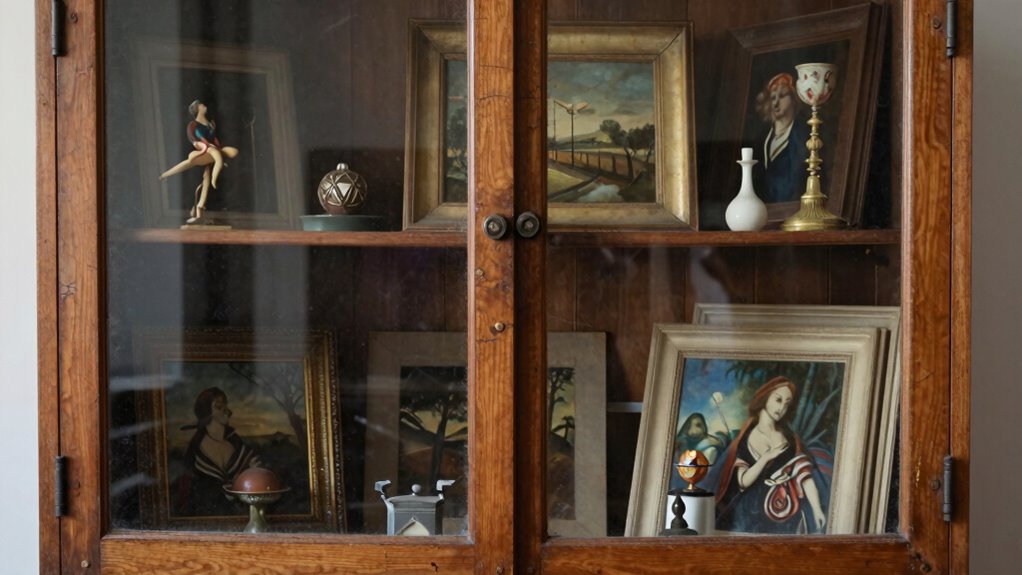
Temperature plays a crucial role in preserving art because fluctuations can accelerate deterioration. Proper art conservation depends heavily on temperature regulation, ensuring that artworks stay in stable conditions. When temperatures swing wildly, materials like paint, paper, and canvas expand and contract, causing cracks, warping, or fading. Consistent, moderate temperatures help slow chemical reactions that break down art over time. If the environment is too hot or too cold, it stresses the materials, making preservation difficult. Maintaining a steady temperature minimizes these risks and extends the lifespan of your collection. By controlling temperature, you protect your artworks from irreversible damage, preserving their integrity for future generations. Effective temperature regulation is essential for anyone serious about long-term art conservation. Additionally, indoor air quality can also impact art preservation, as pollutants may contribute to the degradation of materials. Using a portable oil radiator can provide a consistent heat source that helps maintain the ideal temperature for art storage. Moreover, world clock tools can assist collectors in coordinating climate control across multiple locations. Furthermore, understanding general finance guides can help collectors budget for necessary climate control systems to protect their investments. The right engine upgrades can enhance performance, paralleling how optimal conditions enhance art longevity.

6 Pack Mini Hygrometer Indoor Humidity Meter, Small Digital Thermometer Humidity Gauge Meter, Indoor Thermometer Hygrometer Monitor Fahrenheit (℉) for Thermostat Reptile Tank, Mason Jars
2-in-1 Thermometer & Hygrometer Meter: Equipped with a high-precision sensor, this temperature and humidity meter provides accurate readings,…
As an affiliate, we earn on qualifying purchases.
As an affiliate, we earn on qualifying purchases.
How Different Art Materials Respond to Temperature Changes
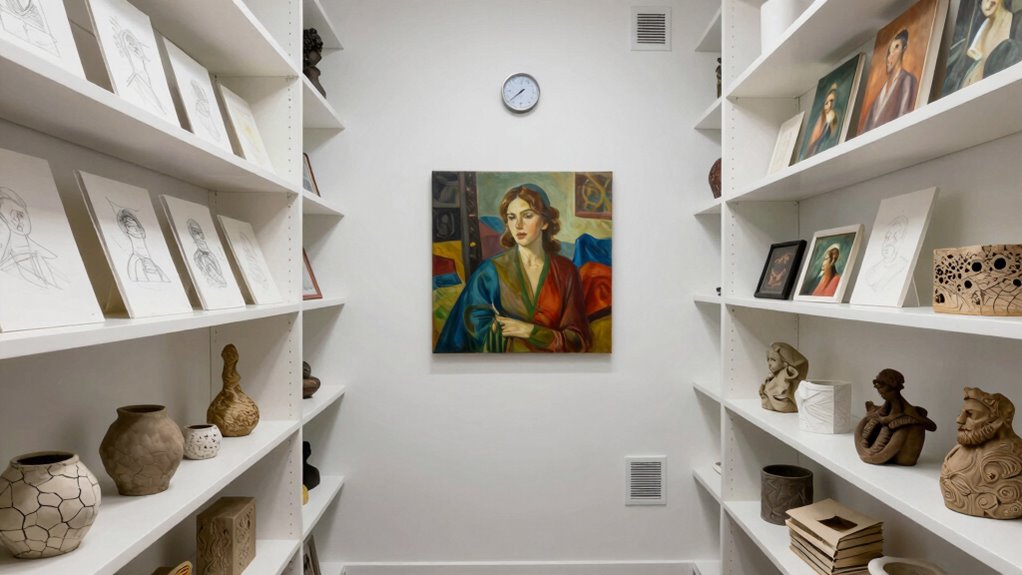
Different art materials react uniquely to temperature changes, which can profoundly impact their longevity. For example, paintings with oil or acrylic paints may experience color fading if exposed to heat or rapid temperature shifts, reducing vibrancy over time. Paper-based artworks are especially vulnerable to material degradation; fluctuations can cause warping, cracking, or brittleness. Textiles and fibers may weaken or fray when subjected to inconsistent temperatures. Organic materials like wood or canvas can expand or contract, leading to structural damage. Understanding these responses helps you protect your collection. Maintaining a stable temperature minimizes the risk of color fading and material degradation, ensuring your artwork remains preserved and vibrant for years to come. Proper storage based on material sensitivities is key to long-term preservation. Additionally, chemical innovations in preservation techniques are evolving, offering new ways to enhance the stability of art materials. Furthermore, the principles of electric power generation can inspire sustainable storage solutions that help regulate temperature effectively. Classic arcade games and their enduring popularity highlight the importance of nostalgic experiences in cultural preservation, as seen in cultural festivals, such as those in Washington D.C., which can also emphasize the importance of preserving artistic heritage in various climates. In maintaining art collections, attention to color accuracy ensures that artworks retain their intended visual impact over time.

Smart Power: Climate Change, the Smart Grid, and the Future of Electric Utilities
As an affiliate, we earn on qualifying purchases.
As an affiliate, we earn on qualifying purchases.
How Temperature Fluctuations Damage Artwork
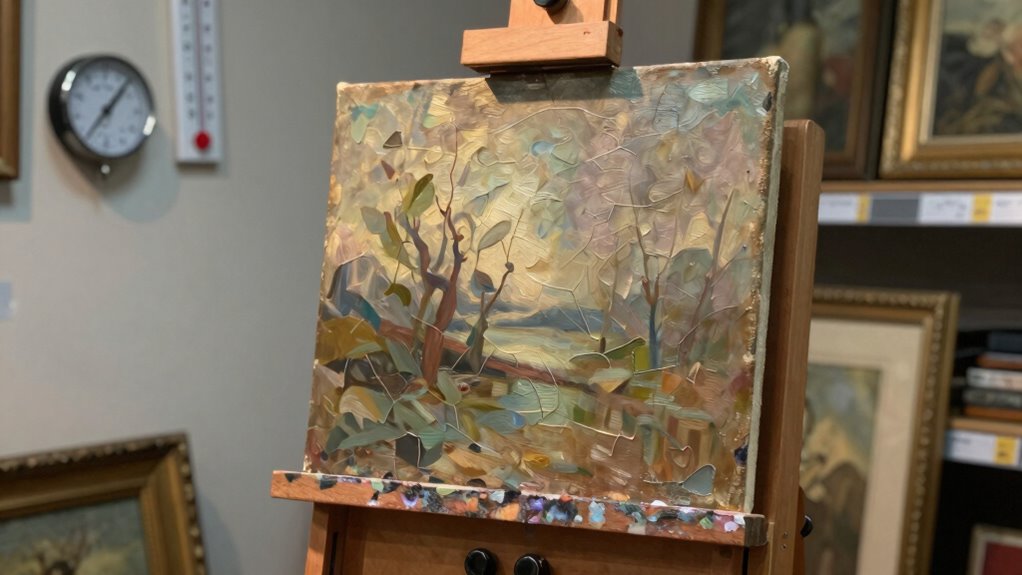
Frequent fluctuations in temperature can cause significant damage to your artwork over time. These changes lead to expansion and contraction of materials, resulting in cracking, warping, or delamination. In the art market, damaged pieces lose value and appeal, making proper storage vital. Without stable conditions, delicate surfaces and paints can degrade faster, complicating conservation techniques needed for restoration. Artists and collectors must understand that inconsistent temperatures accelerate deterioration, undermining the longevity of their pieces. Implementing consistent storage environments helps preserve the integrity of art, reducing the need for costly repairs. By maintaining stable conditions, you protect your collection’s value and guarantee artworks remain in ideal condition for future appreciation and exhibition. Proper temperature management is essential to safeguarding your investment in art. Additionally, exploring digital concepts can enhance your understanding of optimal preservation techniques. Effective requirements traceability ensures that specific environmental conditions are met throughout the storage process, further enhancing the preservation of your collection. Maintaining the right conditions for storage, similar to how LiFePO4 batteries require optimal charging settings, can significantly prolong the lifespan of your artwork. Furthermore, understanding that cybersecurity measures also protect digital records of your collection can provide an added layer of security during storage and management. Using electric fireplace safety measures can also help maintain a consistent temperature during renovations, ensuring that your artwork remains undamaged.
HOANK Oil Storage Container Automotive – Translucent Recycle Oil Jug – 5.5 Gallon Oil Container Automotive – ext. dia. 11.5" x 14.75" H. (Lid Included)
CAPACITY: 5-gallon translucent container perfect for storing and recycling used automotive oil with clear visibility of fluid levels
As an affiliate, we earn on qualifying purchases.
As an affiliate, we earn on qualifying purchases.
What’s the Ideal Temperature Range for Art Storage?

You should aim to keep your art storage environment between 65°F and 75°F to prevent damage. Fluctuations outside this range can cause stress to your artwork’s materials, leading to deterioration. Maintaining consistent conditions within this temperature range is key to preserving your pieces long-term. Additionally, safety checks for humidity levels can further protect your artwork from potential damage. Implementing eco-friendly practices in your storage solutions can also enhance the overall preservation of your art collection. Understanding AI trends in material science can provide insights into innovative methods for optimizing storage conditions. For example, employing proper ventilation techniques can help maintain ideal temperature and humidity levels, which are crucial for protecting your artwork. Furthermore, storing your art in a cool, dark place can help prevent any adverse effects from heat or light exposure.
Optimal Temperature Range
Maintaining the right temperature is essential for preserving art, as fluctuations can cause damage over time. The ideal temperature range for art storage typically falls between 65°F and 70°F (18°C – 21°C). Staying within this range supports art conservation by minimizing stress on materials. To achieve this, consider these key points:
- Use climate monitoring tools to keep consistent temperatures.
- Avoid temperature swings by regulating your storage environment.
- Maintain proper insulation to prevent external temperature influences. Additionally, proper gear maintenance can enhance the longevity of your art storage solutions. Remember, just as with art, other valuable assets also require careful tax planning strategies to ensure their long-term preservation. The choice of eco-friendly materials in your storage solutions can further protect the integrity of your artwork. Furthermore, maintaining a stable environment can enhance art preservation methods, which is crucial for the longevity of your collection.
Temperature Fluctuation Effects
Even small temperature fluctuations can considerably harm stored artwork over time. These changes cause material expansion and contraction, leading to cracks, warping, and paint deterioration. You might notice color fading faster when temperature swings occur frequently. To illustrate, here’s how different factors are affected:
| Effect | Cause | Result |
|---|---|---|
| Color fading | Fluctuating temperatures | Loss of vibrancy |
| Material expansion | Temperature shifts | Warping or cracking |
| Paint deterioration | Repeated contraction/expansion | Surface damage |
Temperature fluctuation jeopardizes your artwork’s integrity, emphasizing the importance of stable storage conditions. Keeping temperatures consistent minimizes these risks and ensures your art remains preserved for years to come. Additionally, whole-home water systems can help maintain stable humidity levels, further protecting artwork from damage.
Maintaining Consistent Conditions
To effectively preserve artwork, keeping the storage environment within a stable temperature range is essential. Fluctuations can cause issues like color fading and material expansion, which damage your pieces over time. To maintain consistent conditions, focus on these key points:
- Keep the temperature between 65-70°F (18-21°C) to prevent color fading caused by light and heat.
- Avoid sudden temperature changes that can lead to material expansion or contraction, risking cracks or warping.
- Use a reliable climate control system to monitor and maintain steady conditions, reducing the risk of damage from environmental shifts.
Why Humidity Matters as Much as Temperature
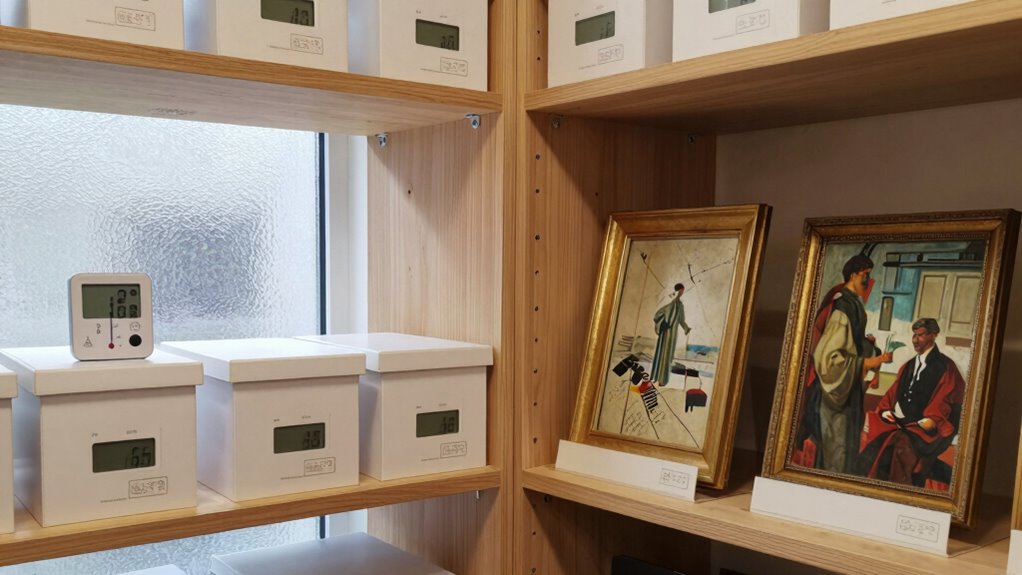
Humidity levels are just as crucial as temperature when it comes to preserving your artwork, because fluctuations can cause materials to expand, contract, or deteriorate over time. Proper climate control helps maintain stable humidity, preventing warping, cracking, or mold growth. Too much moisture accelerates decay, while too little causes materials to become brittle. Regular monitoring ensures humidity stays within the ideal range for art preservation, typically between 40-50%. Maintaining consistent humidity levels minimizes stress on your artwork, preserving its integrity over the years. Investing in a humidifier or dehumidifier can help achieve this balance. Remember, stable humidity is fundamental for protecting your collection and ensuring its longevity. Climate control isn’t just about temperature—it’s key to safeguarding your art’s future.
Debunking Common Myths About Art Storage Temperatures
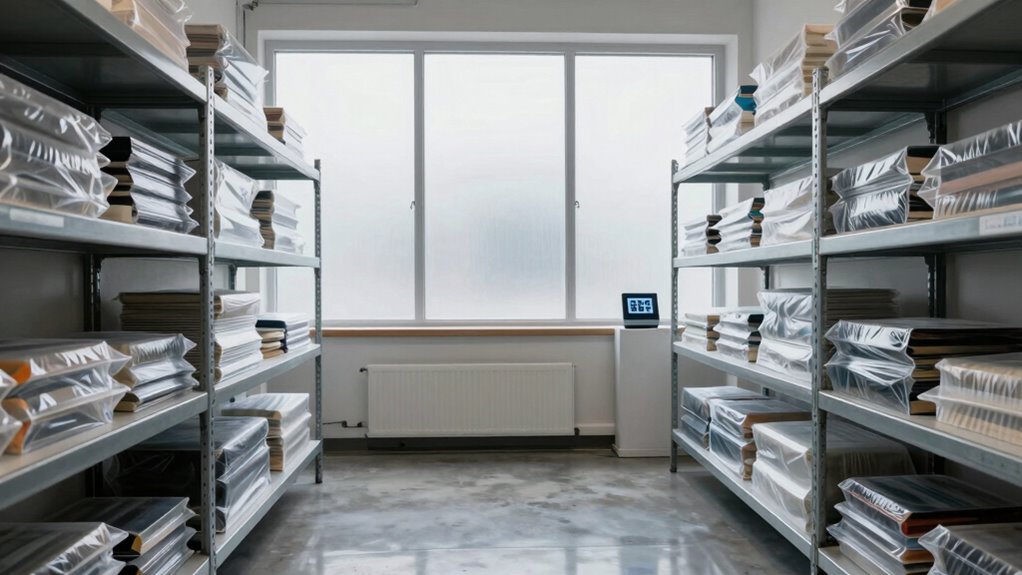
Many believe that colder temperatures are always better for art, but that’s not true. Frequent temperature fluctuations can actually cause more damage than a stable, slightly warmer environment. Remember, humidity levels often matter more than temperature alone.
Myth: Cold Is Best
Is colder always better for art storage? Not necessarily. While it’s true that art conservation benefits from stable conditions, excessively cold temperatures can cause more harm than good. Overcooling can make materials brittle or cause condensation issues, damaging your collection. Proper temperature regulation is key to preserving art’s integrity.
Consider these points:
- Extremes in cold can lead to cracking or warping of delicate surfaces.
- Fluctuating cold temperatures can cause moisture problems, risking mold or deterioration.
- Consistent, moderate temperatures support long-term preservation without stressing materials.
Temperature Fluctuations Harm Art
While maintaining consistent temperatures is often heralded as essential for art preservation, fluctuations can be just as damaging as extremes. Sudden changes in temperature cause materials to expand and contract, leading to issues like material cracking. These fluctuations also accelerate color fading, as pigments weaken when exposed to inconsistent conditions. Over time, this stress compromises the integrity of paintings, sculptures, and textiles. Even brief temperature shifts can create long-lasting damage, making your artwork more vulnerable to deterioration. Avoiding fluctuations isn’t just about preventing extreme heat or cold; it’s about maintaining a stable environment that preserves the original beauty and structure. By controlling temperature variation, you protect your art from subtle but destructive damage that can compromise its value and longevity.
Humidity Overrules Temperature
Despite common beliefs that temperature is the primary factor in art preservation, humidity levels actually have a more significant impact. Too much or too little humidity can cause severe damage, from warping to mold growth. Proper climate monitoring is essential for effective art conservation. Here’s what you should focus on:
- Maintain humidity between 40-50% to prevent cracking or mold.
- Use hygrometers to regularly monitor moisture levels.
- Stabilize humidity to avoid fluctuations that can stress artwork.
Humidity control often outweighs temperature in importance because it directly influences the physical integrity of art pieces. By prioritizing climate monitoring and managing humidity carefully, you protect your collection more effectively than by adjusting temperature alone.
How to Maintain Stable Temperatures in Your Storage Space

Maintaining stable temperatures in your storage space is essential for preserving the integrity of your artwork. Keep lighting conditions low and consistent, as excessive or fluctuating light can cause temperature spikes and damage. Use storage materials that insulate and buffer against temperature swings, such as acid-free boxes or padded cases. Guarantee your space is well-ventilated without drafts, which can create temperature fluctuations. Invest in a reliable thermostat or climate control system to monitor and adjust the temperature regularly. Avoid placing artwork near heat sources or windows that receive direct sunlight. Regularly check your storage environment to catch any irregularities early. By controlling lighting conditions and choosing the right storage materials, you can maintain a steady temperature and protect your art for years to come.
What Are the Best Conditions for Paper, Canvas, and Photos?
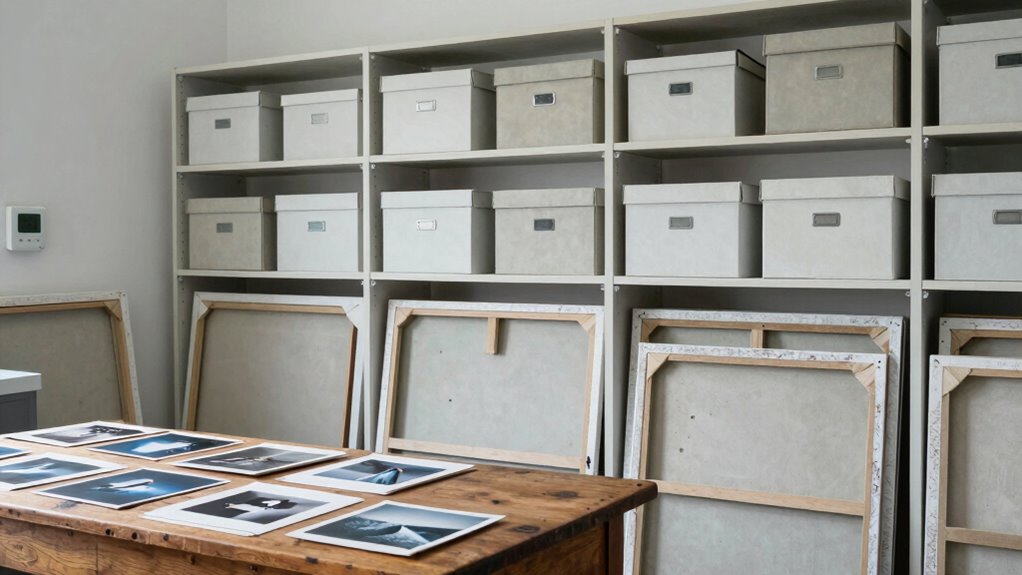
To protect your paper, canvas, and photos, keep the temperature between 65 and 70°F. Humidity levels should stay around 40-50% to prevent warping and mold growth. Controlling both temperature and humidity is key to preserving your artwork’s quality over time.
Optimal Temperature Range
Choosing the right temperature is essential for preserving paper, canvas, and photographs. Maintaining an ideal range helps prevent issues like color fading and frame warping. Ideally, keep your art storage between 65°F and 75°F (18°C to 24°C). Within this range:
- You minimize color fading caused by temperature fluctuations.
- You prevent frame warping, which occurs when materials expand and contract.
- You reduce the risk of deterioration from heat damage over time.
Avoid temperatures above 75°F, which can accelerate degradation, or below 65°F, which might cause brittle materials. Consistent, moderate temperatures ensure your artworks stay vibrant and intact, preserving their beauty for years to come.
Humidity Control Importance
Since humidity levels directly affect the integrity of paper, canvas, and photographs, managing moisture is essential for their preservation. Fluctuating humidity can cause warping, cracking, or mold growth, reducing artifact longevity. Maintaining consistent humidity creates a stable environment, aligning with climate psychology principles that reduce stress on the artifacts. Aim for a relative humidity (RH) of 40–50%. Use the table below to understand ideal conditions:
| Material | Recommended Humidity | Notes |
|---|---|---|
| Paper | 40–50% | Prevents warping and brittleness |
| Canvas | 45–55% | Avoids cracking and mold |
| Photos | 40–50% | Minimizes fading and deterioration |
Controlling humidity ensures the preservation of your art, maximizing its lifespan.
Risks of Extreme Temperatures and How to Avoid Them
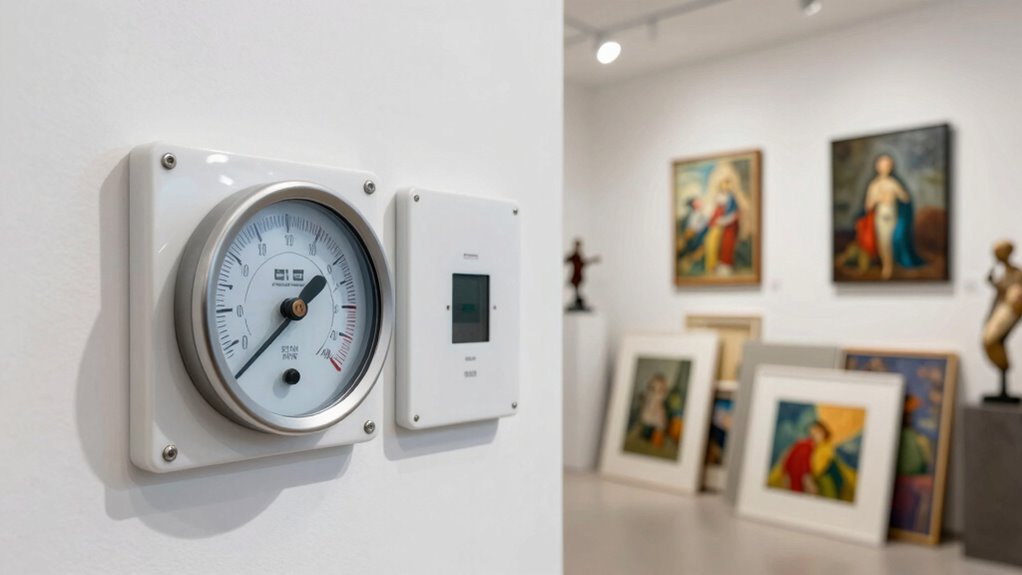
Extreme temperatures pose a significant threat to artwork, accelerating deterioration and causing irreversible damage. High heat can lead to material expansion, which may cause cracking or warping. Conversely, extreme cold can make materials brittle and prone to breaking. To protect your art, consider these precautions:
- Maintain a stable environment, avoiding fluctuations that cause expansion and contraction.
- Keep temperatures within 65-75°F to prevent color fading caused by heat or cold.
- Use climate-controlled storage to minimize risks of material expansion and preserve vibrancy.
When to Seek Professional Help for Climate-Controlled Art Storage

Knowing when to call in a professional is essential for ensuring your artwork remains in perfect condition. If you notice signs of deterioration, such as fading colors or warping, it’s time to seek expert help. Professionals can assess your storage environment and recommend climate control solutions tailored to your art’s needs. If you have valuable pieces with artist signatures, maintaining proper conditions becomes even more critical to preserve authenticity and value. Additionally, consult an expert if your art insurance policy requires specific environmental standards or if you’re unsure about the stability of your current setup. A professional can provide guidance on ideal storage conditions, helping you avoid costly damage and ensuring your collection stays protected for years to come.
Frequently Asked Questions
How Do Temperature Fluctuations Affect the Long-Term Value of Artwork?
Temperature fluctuations can greatly harm your artwork’s long-term value. Sudden changes cause materials to expand and contract, leading to cracks, warping, or paint delamination. By maintaining proper climate control and stable humidity levels, you minimize these risks. Consistent temperatures prevent stress on the materials, preserving the piece’s integrity and value. Regular monitoring ensures your artwork remains in ideal condition, safeguarding its worth for years to come.
Can Temperature Variations Cause Color Fading in Paintings?
Ironically, your paintings aren’t immune to color fading from temperature variations. Fluctuating temperatures can accelerate chemical reactions, damaging pigments over time. Environmental controls and humidity regulation are vital to prevent this. When you maintain consistent conditions, you preserve the vibrancy of your artwork. Ignoring these factors invites fading, proving that stable environments are your best defense against losing those precious colors.
Are There Specific Storage Solutions for Temperature-Sensitive Art Pieces?
Yes, you should use specialized storage solutions for temperature-sensitive art pieces. Implement climate control systems to maintain consistent temperatures and humidity management to prevent damage. Use archival-quality materials, like acid-free storage boxes, and avoid direct sunlight or fluctuating conditions. Regularly monitor environmental factors with reliable devices. These steps help preserve delicate artworks, preventing deterioration caused by temperature swings and humidity changes, ensuring your art stays protected over time.
How Often Should Storage Environments Be Monitored for Temperature Consistency?
You should monitor your storage environment at least monthly to guarantee consistent temperature and humidity control. Regular checks help you catch fluctuations that could damage your art. Keep an eye on lighting conditions too, as they can affect temperature and humidity. Use a reliable thermometer and hygrometer, and adjust your climate controls as needed to maintain ideal conditions, protecting your collection from deterioration.
What Are the Signs of Temperature-Related Damage in Stored Artwork?
You’ll notice signs like warping, cracking, or paint flaking, indicating temperature-related damage. Mold may appear as fuzzy spots or discoloration, often linked to poor humidity control. Keep an eye out for unusual odors or visible mold growth, which threaten your artwork’s integrity. Regularly monitoring humidity levels helps prevent mold and other damage, ensuring your pieces stay preserved and safe from temperature fluctuations that can cause deterioration over time.
Conclusion
You might think keeping your art in a cool, dark place is enough, but proper temperature control is essential for its longevity. Don’t worry—maintaining stable conditions isn’t complicated or expensive if you follow the guidelines. Even if you believe your collection isn’t valuable enough for professional storage, proper care can prevent costly damage. Your artwork’s future depends on it, so take the necessary steps now to preserve its beauty for years to come.