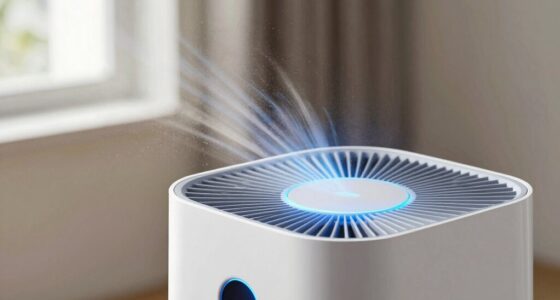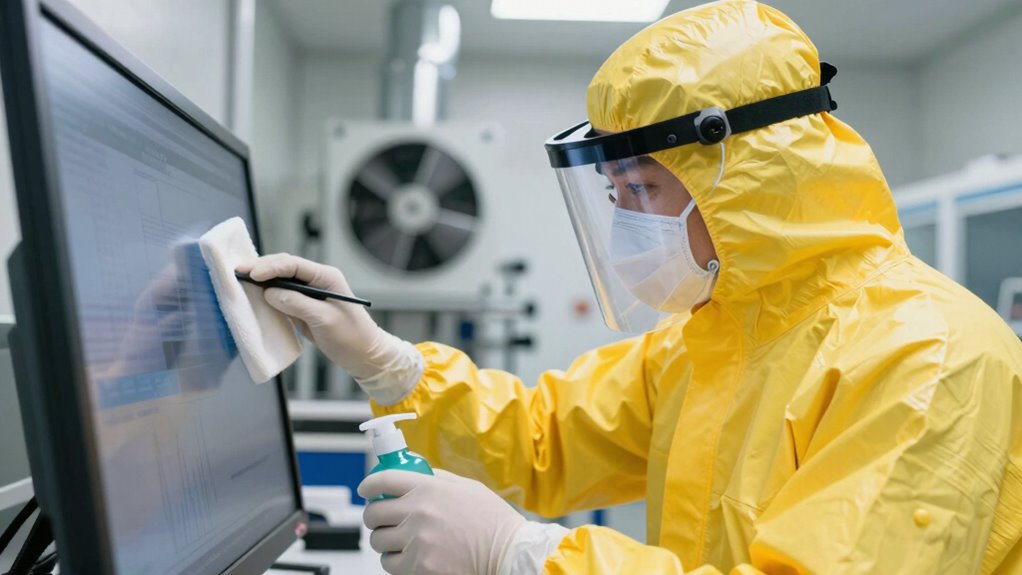

To reclaim screens safely, you should identify the chemicals involved, such as solvents and acids, by reviewing their Safety Data Sheets and handling them with proper PPE like gloves, goggles, and masks. Guarantee good ventilation by using exhaust fans, opening windows, and maintaining airflow to prevent fumes buildup. Store chemicals correctly and dispose of them through hazardous waste facilities. Following these safety measures protects you and the environment while ensuring effective screen reclamation—keep going to learn more tips and best practices.
Key Takeaways
- Identify and review SDS for chemicals to understand hazards and implement proper handling procedures.
- Use effective ventilation systems, including exhaust fans and cross-ventilation, to reduce fume inhalation risks.
- Wear appropriate PPE such as gloves, goggles, masks, and protective clothing during all reclamation activities.
- Store chemicals properly in labeled, sealed containers and dispose of them at hazardous waste facilities.
- Follow safety practices like careful handling, equipment sterilization, and workspace organization to prevent hazards.

SHOWA 730 Chemical Resistant Gloves, 15-mil Nitrile with Cotton Flock Liner, 13-inch Extended Gauntlet, Bisque Grip, CE Cat III & Food Safe, Green, Large, 1 Pair
High-Performance Chemical Protection: These 15-mil thick 100% nitrile gloves provide a robust, heavy-duty barrier against a broad range…
As an affiliate, we earn on qualifying purchases.
As an affiliate, we earn on qualifying purchases.
Understanding Chemical Hazards in Screen Reclamation
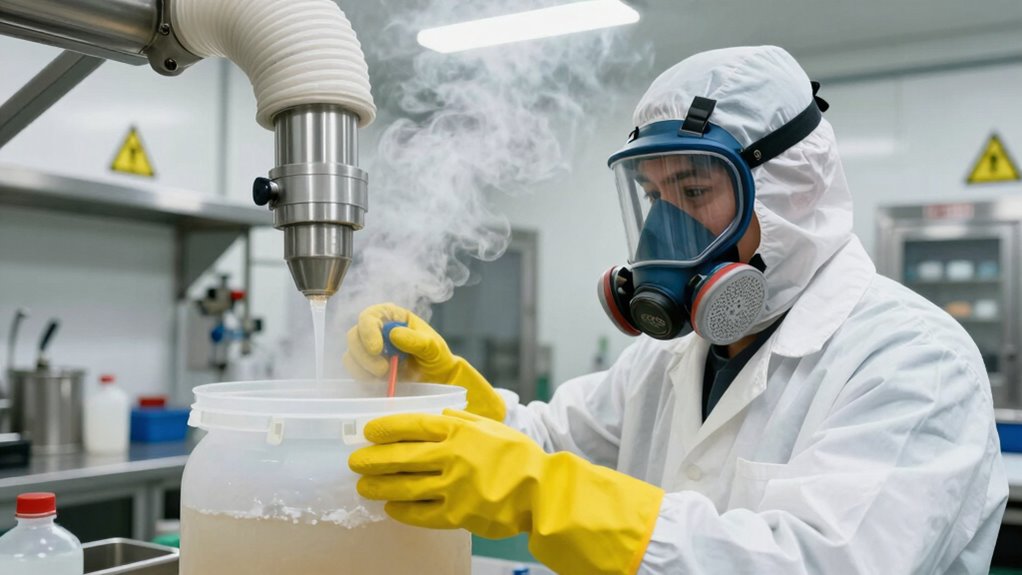
When reclaiming screens, it’s crucial to recognize the chemical hazards involved, as exposure can pose serious health risks. Understanding chemical exposure begins with hazard identification. You need to know which chemicals are used in cleaning and reclaiming processes, such as solvents, acids, or degreasers. These substances can emit fumes or cause skin irritation if handled improperly. To stay safe, carefully review safety data sheets (SDS) for each chemical, noting their potential hazards. Recognizing these risks allows you to implement proper handling procedures and prevent accidental exposure. Always be aware of the chemical properties, including toxicity, flammability, and corrosiveness. Identifying hazards early ensures you can take appropriate precautions, safeguarding your health during every stage of screen reclamation. Additionally, utilizing proper ventilation can significantly reduce the risk of inhaling harmful fumes. In line with exploring new frontiers in safety protocols, employing advanced ventilation systems can further enhance the safety of the reclamation process. Furthermore, heat stress management is vital when working in warm environments, as prolonged exposure to high temperatures can lead to serious health issues. Additionally, using family-friendly amenities such as personal protective equipment (PPE) can enhance safety during screen reclamation. Understanding the importance of effective safety practices can further ensure a healthier work environment.

VEVOR Air Mover Blower Fan 12 Inch
Efficient Ventilation: Powerful 585W AC motor features 3198 CFM airflow, swiftly clearing smoke and odors. Its flexible PVC…
As an affiliate, we earn on qualifying purchases.
As an affiliate, we earn on qualifying purchases.
Ensuring Proper Ventilation During Screen Maintenance
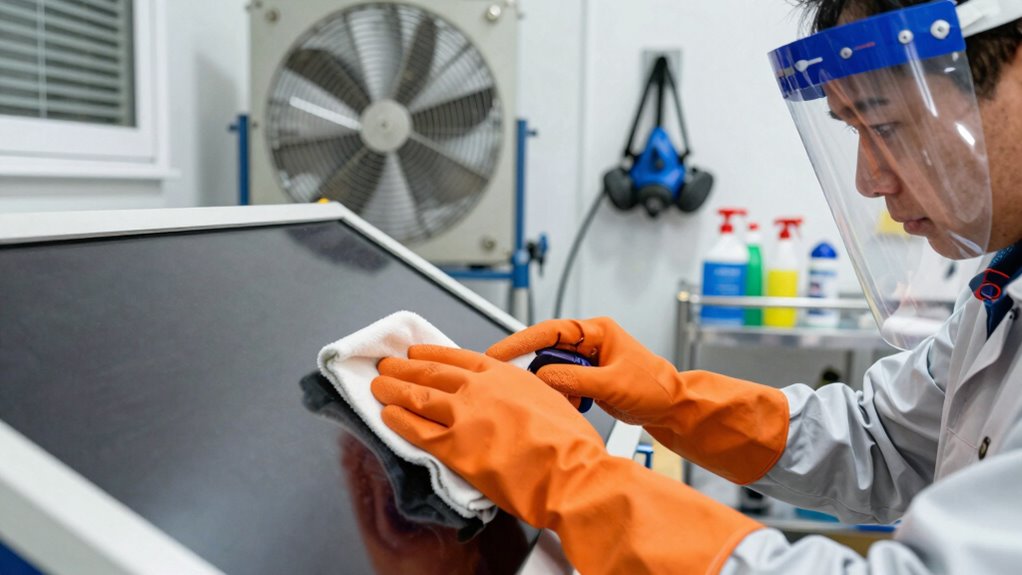
Have you guaranteed that your workspace has adequate ventilation during screen maintenance? Proper airflow is vital to keep hazardous fumes at bay. To guarantee safety, focus on airflow optimization by:
Ensure your workspace has proper ventilation to protect against hazardous fumes during screen maintenance.
- Upgrading ventilation systems to include exhaust fans that actively remove airborne chemicals.
- Creating cross-ventilation by opening windows and doors to enhance air circulation.
- Using fans strategically to direct fumes away from your breathing zone and toward exhaust points.
These steps help prevent harmful chemical buildup, protect your health, and maintain a safe environment. Regularly inspecting and maintaining your ventilation systems ensures they operate effectively. Don’t underestimate the power of proper ventilation—your lungs depend on it during every screen reclamation session.

3M 91252-824 Chemical Splash/Impact Goggle, 1 -Pack
Durable, one piece lens helps protect eyes from certain liquids, dirt and particles
As an affiliate, we earn on qualifying purchases.
As an affiliate, we earn on qualifying purchases.
What PPE Do You Need for Screen Reclamation?
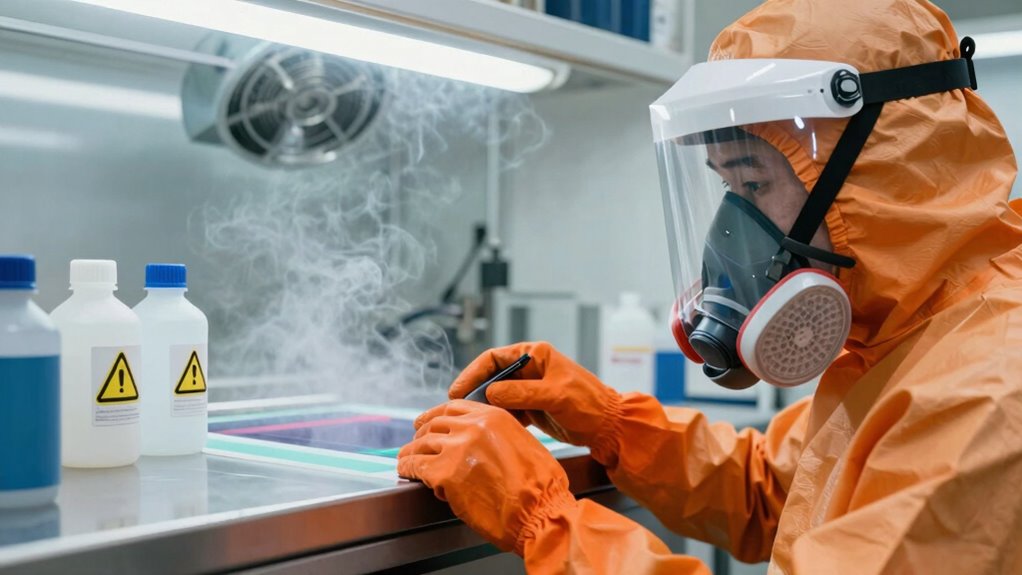
Protecting yourself during screen reclamation requires the right personal protective equipment (PPE) to guard against harmful chemicals and particles. Essential PPE includes protective gloves to prevent skin contact with chemicals and eye protection to shield against splashes or fumes. Wearing safety goggles or glasses helps prevent eye injuries, especially when working with abrasive materials or sprays. Additionally, a dust mask or respirator can protect your lungs from fine particles and chemical fumes. It’s also beneficial to consider home retreat styling as a way to create a calming environment during your projects. Ensuring proper home soundproofing techniques can also help minimize disturbances while you work. It’s important to be aware of early detection signs related to health risks associated with chemical exposure. Using essential DIY tools can further enhance your safety and effectiveness during these projects. Remember, having a well-ventilated workspace is crucial for reducing chemical exposure and maintaining air quality.
| PPE Type | Purpose | Example |
|---|---|---|
| Protective gloves | Prevent skin contact with chemicals | Nitrile or latex gloves |
| Eye protection | Shield eyes from splashes | Safety goggles or glasses |
| Respiratory gear | Filter harmful fumes and dust | Mask or respirator |
| Protective clothing | Minimize chemical exposure | Coveralls or apron |

Alcedo Sharps Container for Home Use 2 Gallon (2-Pack) | Biohazard Needle and Syringe Disposal | Professional Medical Grade
DURABLE AND HIGH QUALITY – The durable and high-quality sharps container is constructed of puncture and impact resistant…
As an affiliate, we earn on qualifying purchases.
As an affiliate, we earn on qualifying purchases.
How to Handle and Dispose of Screen Cleaning Chemicals Safely
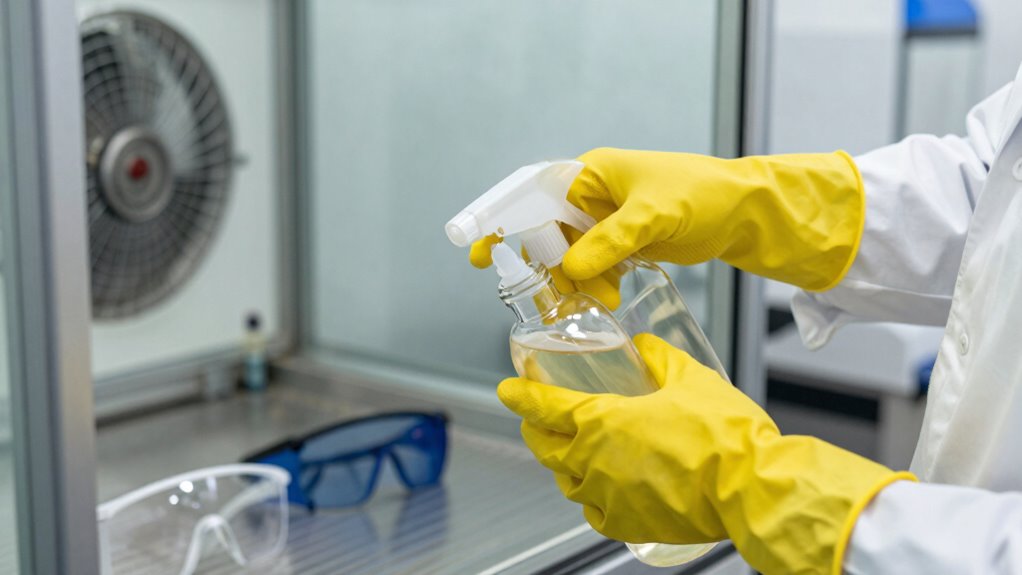
Handling and disposing of screen cleaning chemicals properly is essential to guarantee your safety and prevent environmental harm. Correct chemical storage keeps hazardous substances secure and reduces accidental exposure. Follow strict disposal procedures to avoid contamination and legal issues. Consider that regular foam rolling routines can also help reduce muscle tension, enhancing your overall well-being.
- Always store chemicals in clearly labeled, sealed containers away from heat and direct sunlight.
- Use designated disposal methods, such as trusted hazardous waste facilities, to prevent environmental damage.
- Never pour chemicals down drains or onto the ground; instead, contact local waste management services for guidance. Additionally, ensure proper ventilation during use to minimize inhalation of harmful fumes, especially when working with hazardous substances.
Essential Safety Practices for Screen Reclamation
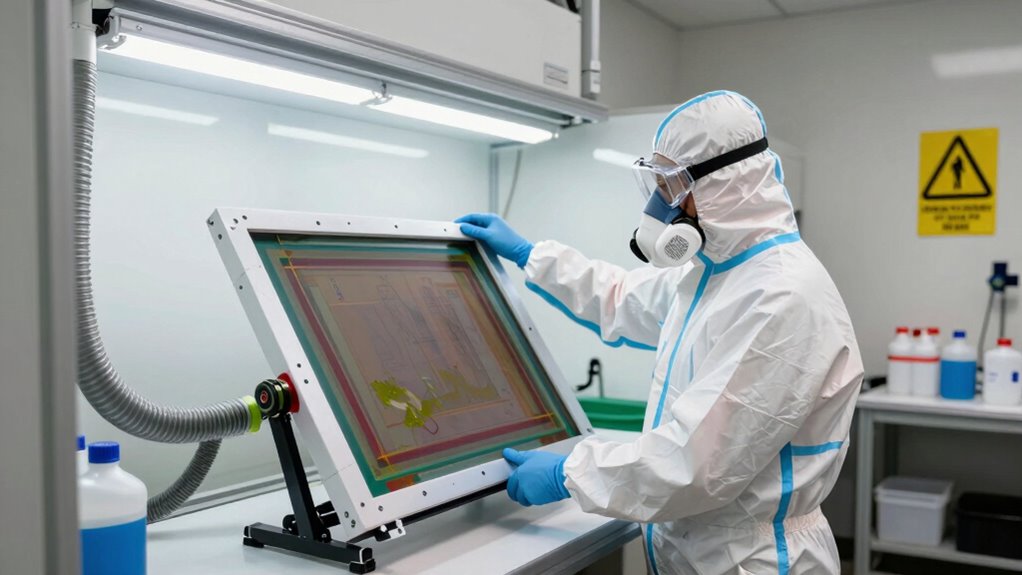
To guarantee your safety during screen reclamation, it’s essential to follow crucial safety practices at every step. Handle the screen material carefully to avoid damaging it or exposing yourself to harmful chemicals. Always wear PPE, including gloves and eye protection, when working with cleaning agents. Confirm proper equipment sterilization after each use to prevent cross-contamination and maintain a safe workspace. Ventilate your area well to disperse fumes from chemicals and reduce inhalation risks. Toilets use approximately 1.6 gallons per flush, so keeping your workspace organized and never skipping safety checks before starting is essential. Additionally, using best gear can enhance your efficiency and effectiveness during the reclamation process. Understanding the importance of proper chemical handling is crucial for minimizing risks. In addition, choosing eco-friendly materials, such as recycled paper, can further reduce your environmental impact while ensuring safety. Properly dispose of used chemicals and contaminated materials following safety guidelines. By adhering to these practices, you minimize hazards, protect your health, and ensure a safer, more efficient screen reclamation process. Additionally, understanding halal cleaning agents can help you choose safer alternatives that align with both health and cultural practices.
Frequently Asked Questions
Can DIY Ventilation Systems Effectively Reduce Chemical Exposure During Screen Reclamation?
Yes, DIY fans and proper ventilation design can effectively reduce chemical exposure during screen reclamation. By setting up exhaust fans in strategic locations, you create airflow that pulls fumes away from your workspace. Make certain your ventilation system is well-sealed and appropriately sized. Regularly maintain your DIY fans to keep airflow strong, and use this simple setup to make your workspace safer and minimize inhalation of hazardous chemicals.
Are There Eco-Friendly Chemical Alternatives for Screen Cleaning?
Yes, eco-friendly alternatives for screen cleaning do exist, prioritizing chemical safety. You can use products made from natural ingredients like plant-based solvents, citrus-based cleaners, or biodegradable solutions. These options reduce your exposure to harmful chemicals and lessen environmental impact. Always check labels for eco credentials and guarantee they effectively clean your screens. Switching to such alternatives helps protect both your health and the planet while maintaining your screen quality.
How Often Should PPE Be Inspected or Replaced During Screen Reclamation?
You should inspect your PPE at least every day, or more often if you’re working in harsh conditions. Think of PPE durability like a superhero’s armor—wear and tear happen fast! Regular inspections catch tiny cracks or frays before they turn into major failures. Replace PPE immediately if it shows signs of damage, ensuring your safety gear remains as strong as a fortress, protecting you from harm at all times.
What Are the Signs of Chemical Exposure or Poisoning From Screen Chemicals?
You should watch for signs of poisoning, like headaches, dizziness, nausea, or skin irritation, which indicate chemical symptoms from exposure. If you notice any unusual taste, burning eyes, or difficulty breathing, these are also signs of poisoning. Quick action is essential—stop working, remove contaminated PPE, and seek fresh air. If symptoms persist, consult a healthcare professional immediately to prevent serious health issues.
Can Reusable PPE Be Safely Sterilized After Use?
Did you know that properly sterilized reusable PPE can last up to five years? You can safely sterilize reusable PPE by following proper maintenance routines and using effective chemical sterilization methods like bleach solutions or commercial disinfectants. Always guarantee PPE is thoroughly cleaned and dried before reuse. Regularly inspect for damage, and adhere to manufacturer guidelines to maintain safety and hygiene standards. Proper sterilization extends PPE lifespan and keeps you protected.
Conclusion
By understanding chemical hazards, ensuring proper ventilation, wearing the right PPE, and handling chemicals safely, you protect yourself and the environment during screen reclamation. Are you willing to compromise safety for convenience? Remember, taking these precautions isn’t just about compliance—it’s about preserving your health and the quality of your work. When you prioritize safety, you effectively reclaim screens without risking your well-being. Are you ready to make safety your top priority?