To guarantee stunning canvas prints, you need to start before hitting ‘print’ by focusing on proper surface prep and stretching techniques. Clean your surface thoroughly, use quality materials, and choose a sturdy frame. During stretching, apply even tension to avoid wrinkles or sagging. Protect your image with correct file prepping and durable coatings. Careful planning at this stage guarantees professional, long-lasting results, so keep going to discover the full secrets of flawless canvas printing.
Key Takeaways
- Proper surface preparation, including cleaning and priming, ensures even ink adhesion and prevents bubbling or uneven stretching.
- Selecting high-quality, durable materials and well-constructed frames is essential for long-lasting, professional-looking prints.
- Achieving consistent tension during stretching avoids warping, sagging, or distortions in the final artwork.
- Using high-resolution, color-calibrated files ensures vibrant, accurate prints that match the intended design.
- Protecting the finished canvas with UV coatings and environmental control preserves color vibrancy and prevents deterioration over time.

Yeeyeah Heavy Duty Stretching Canvas Pliers with Spring Return Handles, 3 in 1 Staple Gun for Upholstery with 1000 Staples for Art Oil Painting Stretching and Framing
【CANVAS STRETCHER PLIERS】This Heavy Duty Professional Canvas Stretcher Plier is Made of High Quality Steel and Equipped with…
As an affiliate, we earn on qualifying purchases.
As an affiliate, we earn on qualifying purchases.
Why Proper Canvas Stretching Is the Key to Stunning Prints
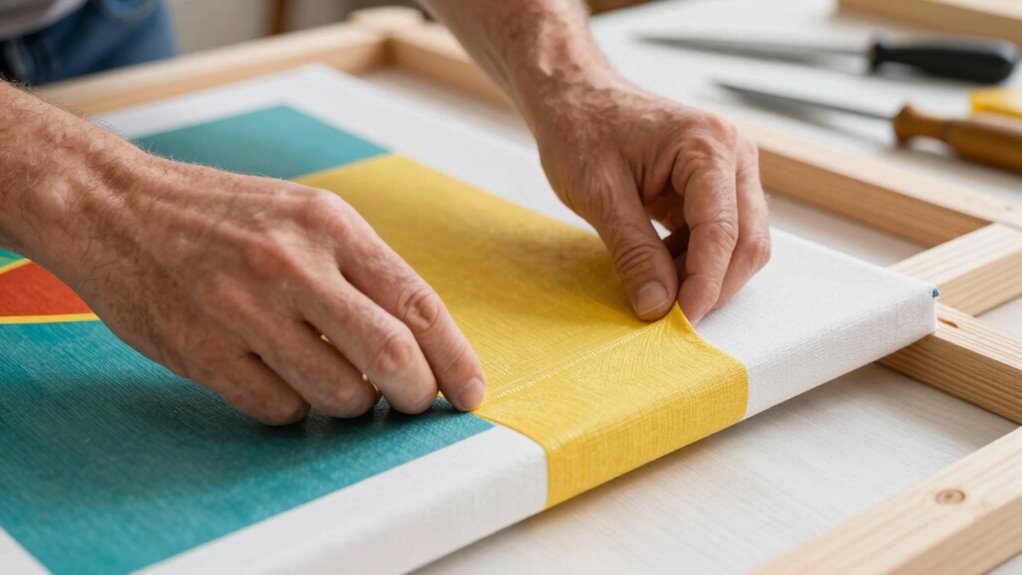
Proper canvas stretching is essential because it directly impacts the final appearance of your print. When you stretch your canvas correctly, you ensure the colors match seamlessly across the surface, creating a uniform look that’s crucial for professional displays. Proper tension prevents warping or sagging, which can distort your image and ruin the visual impact. For an art gallery display, flawless stretching enhances the overall presentation, making your artwork look polished and vibrant. Accurate color matching depends on a smooth, taut surface that allows the ink or paint to settle evenly. If the canvas is uneven or loose, the details and hues won’t pop as they should. In short, meticulous canvas stretching is the foundation of a stunning, gallery-worthy print. Additionally, understanding digital concepts can help artists optimize their prints for various display formats, especially when considering car protection to ensure the artwork remains safe during transport. Moreover, achieving color accuracy in your prints is vital for maintaining the integrity of your artwork’s visual appeal. Furthermore, using the correct mount leveling kits can significantly enhance the stability of your canvas, ensuring it remains visually appealing over time. A well-stretched canvas can enhance electric bike performance by allowing for better visual representation of dynamic art forms inspired by movement.

MCS Canvas Float Frames 16×20 Canvas Black Finish Frame, Vertical & Horizontal Wall Hanging Large Frame for Canvas Paintings (1-Pack)
Display Your Masterpieces: Our floating frame for canvas paintings lets you effortlessly add wall-ready polish to your canvas…
As an affiliate, we earn on qualifying purchases.
As an affiliate, we earn on qualifying purchases.
How to Choose the Best Materials for Your Canvas and Frame

Choosing the right materials for your canvas and frame is essential to guarantee durability and a polished look. Start with color matching; select materials that complement your artwork’s tones to enhance visual harmony. For the canvas, opt for high-quality, acid-free fabrics like cotton or polyester blends that resist fading and aging. Material durability is equally important—look for sturdy frames made from solid wood or metal that won’t warp or weaken over time. Consider the texture of the canvas, as smoother surfaces often produce sharper images, but textured options can add depth. Confirm the frame material is compatible with your chosen canvas to prevent warping or separation. By paying attention to both color matching and material durability, you set a strong foundation for a long-lasting, professional-looking print. Additionally, incorporating holistic approaches to your selection process can enhance the overall aesthetic and emotional impact of your artwork.

P&L ART. Personalized Custom Canvas Prints: Photo On Canvas Transform Your Photos into Stunning Framed Wall Art Digitally Printed Photo To Canvas Ideal for Home Decor Gifts Keepsakes Framed 12×16
Exceptional Craftsmanship Each canvas is carefully hand-stretched over a durable frame and finished with smooth, secure edges. The…
As an affiliate, we earn on qualifying purchases.
As an affiliate, we earn on qualifying purchases.
How to Achieve Perfect Tension Without Wrinkles
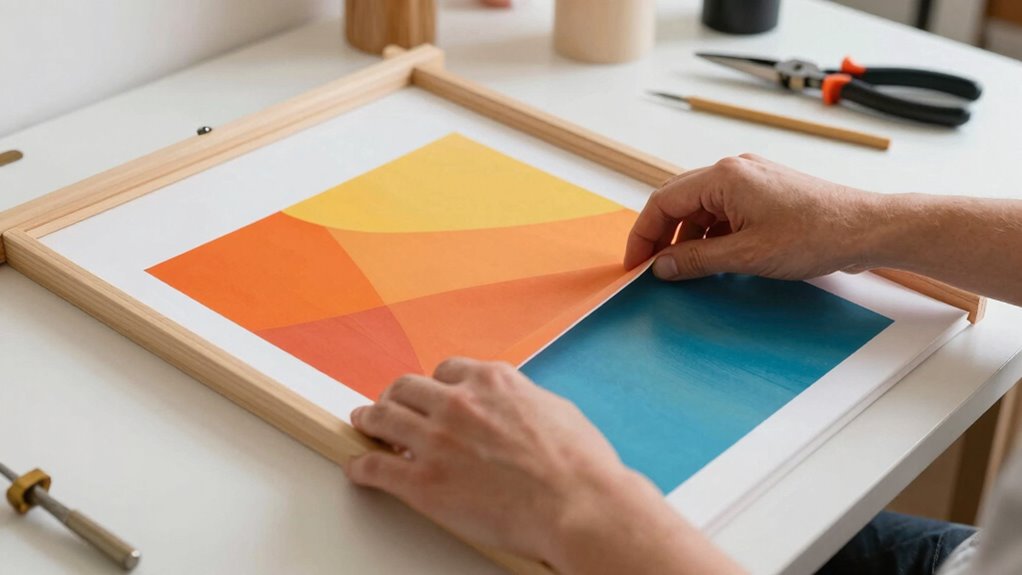
Choosing the right frame is key to achieving even tension, so pick one that fits your canvas snugly without forcing it. When you stretch the canvas, apply even pressure across all sides to prevent wrinkles and sagging. Focus on consistent tension as you secure the material to keep your print looking smooth and professional. Additionally, understanding ethics in genetic testing can help you make informed decisions about the materials and processes you choose for your canvas printing. Maintaining a clean workspace is also essential to avoid dust and debris that could mar your final product. Incorporating cleaning techniques for your tools will also enhance the quality of your prints. Furthermore, being aware of mental health considerations can improve your focus and creativity during the printing process. Engaging in creative exercises can also help stimulate your artistic expression and enhance your final canvas presentation.
Proper Frame Selection
Selecting the right frame is essential to achieve a smooth, wrinkle-free canvas. First, guarantee the frame’s color matches your artwork or décor, creating a cohesive look. A well-chosen frame enhances the visual appeal and supports the canvas evenly. Focus on frame durability; sturdy materials like solid wood or metal prevent warping over time, maintaining tension and preventing wrinkles. Additionally, consider how battery inverter generators can provide backup power for printing equipment in case of outages, ensuring you can create without interruption. Early detection is crucial, as Frühwarnzeichen für Brustkrebs can lead to a better prognosis and peace of mind. Check for secure corners and quality construction, as flimsy frames can compromise tension. The right frame provides a stable foundation, reducing the risk of sagging or uneven stretching. Remember, a durable, color-matched frame not only improves longevity but also ensures your canvas remains taut and flawless, giving your print a polished, professional finish. Additionally, consider door swing clearances during the framing process to avoid any spatial issues in your display area.
Even Tension Application
Achieving even tension on your canvas is essential to prevent wrinkles and guarantee a smooth, professional look. Start by ensuring your color calibration is accurate, so the printed colors match your expectations, reducing the need for reprints. As you stretch, focus on applying consistent tension across all sides, gradually working from the center outward. Proper tension helps ink adhesion stay uniform, preventing sagging or puckering. Use tensioning tools or a staple gun to secure the material tightly without overstretching, which could distort the image. Regularly check for wrinkles or slack, adjusting as needed. Maintaining even tension promotes better ink adhesion, resulting in a vibrant, wrinkle-free finish. This careful approach ultimately saves time and produces a polished, gallery-quality canvas. Additionally, incorporating NEAT strategies can enhance your overall health, making it easier to manage weight and diabetes while maintaining your artistic pursuits.
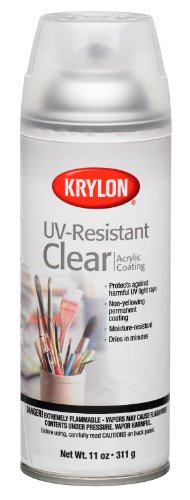
Krylon K01305 Gallery Series Artist and Clear Coatings Aerosol, 11-Ounce, UV-Resistant Clear Gloss
The item is not returnable
As an affiliate, we earn on qualifying purchases.
As an affiliate, we earn on qualifying purchases.
Common Canvas Stretching Mistakes and How to Avoid Them
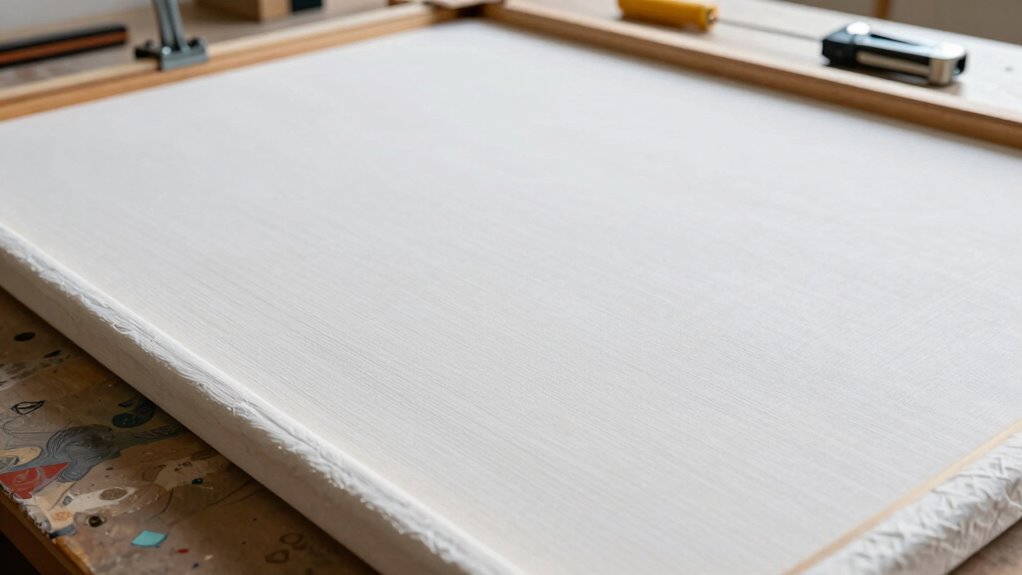
Sure! Here’s the revised content with the addition:
—
Avoid common mistakes like applying improper tension, choosing the wrong frame, or skipping surface preparation, as these can ruin your canvas. Using the wrong techniques or materials leads to wrinkles or sagging, while neglecting surface prep causes uneven stretching. Paying attention to these details guarantees a flawless, professional finish. Additionally, ensuring that your canvas design reflects natural beauty can enhance the overall aesthetic and impact of your artwork. Proper surface preparation techniques are essential to achieving a smooth and even canvas that showcases your work beautifully. Understanding the importance of client satisfaction can also help you appreciate the value of a well-stretched canvas. Furthermore, knowing about infection risks associated with improper handling can aid in maintaining the integrity of your artwork. Incorporating elements of sound healing into your workspace can promote a calming atmosphere, enhancing focus and creativity during your printing process.
—
Let me know if you need any more adjustments!
Improper Tension Techniques
One of the most common mistakes in canvas stretching is using improper tension, which can lead to warping or sagging over time. Too much tension risks damaging the canvas or causing uneven surface tension, while too little results in loose, sagging areas. To avoid this, guarantee your print is properly color calibrated for accurate color representation, reducing the need for excessive adjustments later. Additionally, check ink compatibility before printing; incompatible inks can cause uneven drying or warping, affecting tension. When stretching, apply even, moderate pressure across all sides to maintain consistent tension. Regularly inspect the canvas during the process, adjusting as needed. Proper tension, combined with correct color calibration and ink compatibility, ensures a durable, professional-looking finished piece.
Wrong Frame Selection
Choosing the wrong frame for your canvas can lead to issues like uneven tension, warping, or an unprofessional appearance. Selecting a frame style that doesn’t complement your artwork or your space can detract from its impact. Additionally, poor color matching between the frame and the print can make the piece look mismatched or dull. To avoid these mistakes, consider the overall aesthetic—modern, ornate, or minimalist—and how it aligns with your artwork. Also, guarantee the frame’s color enhances or harmonizes with the image’s tones. Use the table below to visualize your options:
| Frame Style | Suitable for | Color Matching |
|---|---|---|
| Modern | Contemporary prints, sleek look | Neutral tones, bold accents |
| Ornate | Classic artwork, vintage vibe | Gold, silver, or complementary |
| Minimalist | Abstract or modern art, simple decor | Monochrome, subtle shades |
| Rustic | Nature scenes, cozy settings | Earth tones, muted shades |
| Custom | Unique artwork, personalized touch | Match or contrast intentionally |
Neglecting Surface Preparation
Neglecting proper surface preparation is a common mistake that can compromise the quality and durability of your canvas print. Before stretching, you need to guarantee the surface is clean; dirt, dust, or grease can cause uneven adhesion or bubbling. Start with thorough surface cleaning using a lint-free cloth and a gentle cleaner to remove debris. Once the surface is spotless, applying a primer can improve ink adhesion and prevent paint from soaking into the material, resulting in sharper images and longer-lasting prints. Skipping this step may lead to poor print quality or peeling over time. Proper surface preparation creates a smooth, even foundation, ensuring your canvas print looks professional and lasts longer. Don’t rush this process—taking the time to prepare sets the stage for a flawless finish.
Preparing Your Image Files for High-Quality Printing

To guarantee your canvas print looks sharp and vibrant, it’s essential to prepare your image files properly before sending them to the printer. Start with color calibration to ensure your screen displays accurate colors that match the printed output. Use calibration tools to adjust your monitor’s color settings for consistency. Additionally, consider the texture of your printmaking paper since it can influence how colors appear in the final print. Remember that just as Victorian fashion emphasizes intricate details, the precision in your image preparation will enhance the overall quality. Next, check your file resolution; for high-quality prints, aim for at least 300 DPI at your intended print size. Low-resolution images will appear pixelated or blurry when enlarged. Furthermore, leveraging AI tools can transform your image editing process, streamlining efforts for better results. Additionally, save your files in a print-ready format like TIFF or high-quality JPEG, avoiding compression artifacts. These steps help preserve color accuracy and detail, setting a solid foundation for professional-looking canvas prints that truly pop. By being mindful of passive voice detection, you can enhance clarity in your accompanying text, ensuring your message resonates effectively. Remember that just as nail styles vary in design, the quality of your image can significantly impact the final result.
Tips to Protect Your Canvas and Ensure Long-Lasting Art
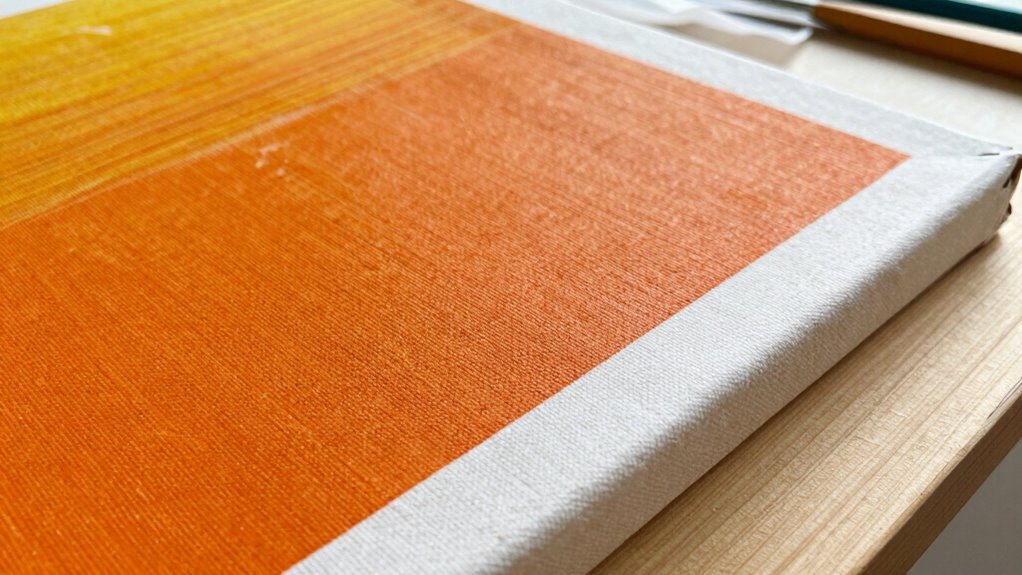
Protecting your canvas from environmental damage is essential to guarantee your artwork remains vibrant and intact over time. Start by choosing high print resolution to maintain sharp, clear images, reducing the risk of fading or blurriness. Proper color correction before printing ensures your colors stay true and vibrant, preventing dullness that can diminish your art’s impact. Keep your canvas away from direct sunlight, excessive humidity, and temperature fluctuations, which can cause fading or warping. Use a protective coating or UV spray to shield against dust, dirt, and UV rays. Regularly dust your canvas gently with a soft cloth. These steps preserve the integrity of your print, helping your artwork stay beautiful and long-lasting for years to come.
Frequently Asked Questions
How Do I Select the Right Canvas Thickness for My Project?
To select the right canvas thickness, consider your project’s purpose and preferred canvas texture. Thinner canvases work well for detailed printing techniques, offering smooth finishes, while thicker canvases provide durability and a textured look, ideal for artwork or gallery displays. Think about how you want the final piece to feel and look, and choose a thickness that complements your printing techniques and enhances your chosen canvas texture.
What Tools Are Essential for Professional Canvas Stretching at Home?
You need a sturdy staple gun and quality gallery wraps for professional-looking canvas stretching at home. The staple gun secures the canvas tightly to the frame, ensuring a smooth finish, while gallery wraps give your artwork a polished, gallery-ready edge. Make sure to use a staple gun with adjustable tension for even, secure staples. These tools make your DIY project look professional and save you money on gallery-quality displays.
Can Different Framing Options Affect the Longevity of My Print?
Framing options act like a guardian for your print, shaping its future. Using high-quality framing material can shield your canvas from environmental damage, ensuring longevity. A sturdy frame supports the artwork, preventing warping and sagging, while proper framing preserves color vibrancy and texture. Think of it as a shield of protection, extending your canvas’s life and maintaining its beauty over time, so your art remains timeless and enthralling.
How Do I Troubleshoot Uneven Tension After Printing?
If you notice uneven tension after printing, start by inspecting your print quality to identify any visible issues. Then, carefully adjust the tension on your canvas stretcher bars, tightening or loosening as needed. Proper tension adjustment guarantees even distribution, preventing future problems. If tension remains uneven, double-check your frame’s alignment and make incremental tweaks. Regularly maintaining your stretching technique helps achieve a smooth, professional finish.
What Environmental Conditions Best Preserve Printed Canvas Art?
Imagine your canvas art basking in a cozy, stable environment. To preserve it, keep it away from direct sunlight, which can fade colors like a fading sunset. Use eco-friendly inks to guarantee longevity, and apply UV protection to shield your artwork from harmful rays. Maintain a consistent temperature and humidity to prevent warping or cracking. This nurturing environment keeps your canvas vibrant and fresh, like a treasured keepsake.
Conclusion
Remember, a well-stretched canvas is the foundation of stunning art—think of it as the frame that holds your masterpiece’s soul. By paying attention to proper stretching techniques and choosing quality materials, you guarantee your prints stay vibrant and wrinkle-free for years to come. Like a ship’s sail catching the wind, your canvas should be taut and ready to showcase your creativity at its best. Keep these secrets in mind, and your art will truly stand the test of time.