Lighting art with LEDs offers many advantages, such as vibrant colors, dynamic effects, and energy efficiency that can make your displays stand out. You can create subtle gradients, intricate lighting effects, and broad color palettes that enhance emotional impact. However, challenges include achieving uniform illumination and managing power needs for larger setups. If you want to explore how to maximize LED potential and navigate potential issues, you’ll discover valuable insights ahead.

Get art and craft supplies delivered free — and shop member deals
- Fast, free delivery on millions of items
- Access to Prime Big Deal Days deals on October 6–7
- Prime Video, Amazon Music and more included
Key Takeaways
- LED lighting enables vibrant, dynamic displays and complex color effects, enhancing artistic depth and viewer engagement.
- They are energy-efficient and produce less heat, making large or elaborate installations more sustainable.
- Achieving uniform color and seamless effects can be challenging without careful setup and technical expertise.
- Large LED art setups may require significant power supplies and safety precautions due to high energy consumption.
- Proper lighting techniques are essential to maximize color accuracy, visual impact, and long-term vibrancy of LED art.
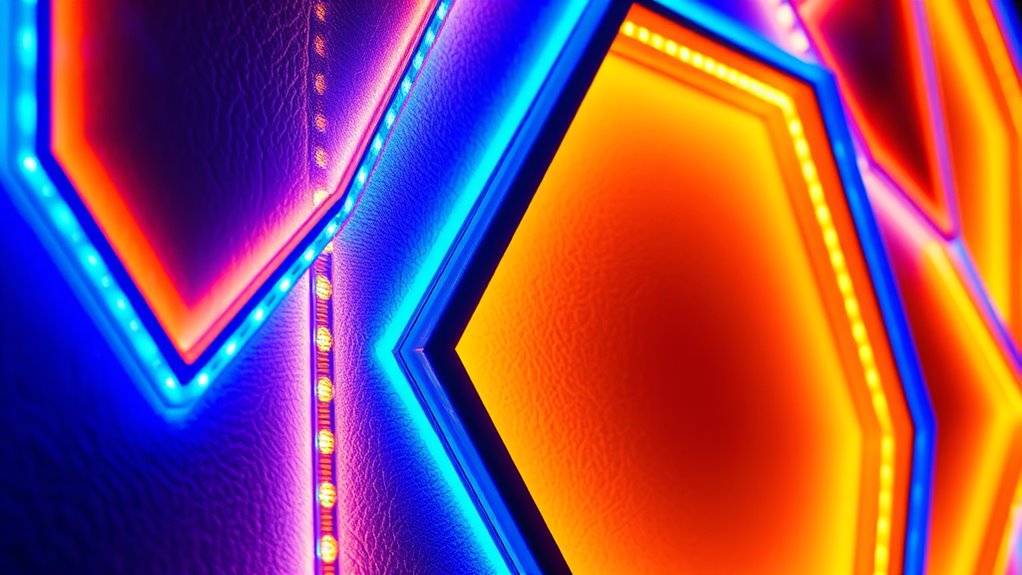
Lighting art with LEDs has become a transformative approach that allows artists to create dynamic and vibrant displays. One of the key advantages is LED color mixing, which enables you to blend different colored LEDs to produce a broad spectrum of hues and shades. This flexibility means you can craft intricate lighting effects and seamless progressions, giving your artwork a fascinating, immersive quality. With LED color mixing, you’re not limited to just basic colors; you can achieve subtle gradients and complex color palettes that enhance the depth and emotion of your piece. This capability opens up endless creative possibilities, allowing you to experiment with light in ways traditional lighting simply can’t match.
Beyond color versatility, LEDs are renowned for their power consumption efficiency. As an artist, you’ll appreciate how these lights consume considerably less energy than traditional lighting options, which means you can run larger or more elaborate installations without worrying about excessive electricity costs. LEDs convert a higher percentage of electrical energy into visible light, reducing waste and making your art more sustainable. This efficiency also translates into longer-lasting setups, minimizing maintenance and replacement needs. You won’t need to replace bulbs as often, saving you time and resources, and ensuring your display remains vibrant and consistent over extended periods.
However, despite these benefits, there are some challenges to bear in mind. For example, while LED color mixing offers impressive control, achieving perfectly uniform colors across large displays can sometimes be tricky. You may need to fine-tune your setup carefully to prevent color inconsistencies or uneven lighting effects. Additionally, although LEDs are more energy-efficient, high-powered LED installations can still draw considerable power when scaled up, which might require careful planning for power supply and safety measures. The initial setup for complex LED systems can also be more technical, requiring a good understanding of electronics and control systems to fully harness their potential.
Furthermore, incorporating appropriate lighting techniques can help optimize the visual impact and performance of your LED art installations.
As an affiliate, we earn on qualifying purchases.
Frequently Asked Questions
How Do LED Lights Affect the Longevity of Art Pieces?
LED lights can positively impact the longevity of your art pieces by reducing UV damage and minimizing heat effects. Unlike traditional lighting, LEDs emit less UV radiation, which helps preserve colors and materials over time. They also produce less heat, preventing thermal damage or warping. By choosing the right LED setup, you can protect your art from environmental stress, ensuring it stays vibrant and intact for years to come.
Are There Specific LED Colors Best Suited for Different Art Styles?
Imagine your art as a garden, where each flower blooms with the right sunlight. Different LED colors act as sunlight with varying color temperatures and color rendering indices, highlighting diverse art styles beautifully. Warm LEDs enhance classical paintings, while cooler tones suit modern pieces. By choosing LEDs with appropriate color temperature and high color rendering, you guarantee your art’s true colors shine, creating a harmonious display tailored to each style.
What Is the Environmental Impact of Using LED Lighting for Art?
When you choose LED lighting for art, you’re reducing energy consumption compared to traditional options, which benefits the environment. LEDs also produce less light pollution, helping to preserve natural nightscapes. However, consider the impact of manufacturing and disposal, as some LEDs contain materials that can harm ecosystems if not properly managed. Overall, LEDs offer a more eco-friendly choice, but responsible use and disposal are key for minimizing environmental impact.
Can LED Lighting Be Integrated With Traditional Art Display Methods?
Did you know that over 60% of galleries now integrate LED lighting into traditional displays? You can easily combine LED lighting with classic art methods, enhancing colors without compromising historical authenticity. This setup offers display flexibility, allowing you to spotlight details or create ambiance. LED integration respects the art’s original essence while adding modern vibrancy, making your exhibition more engaging and preserving its timeless appeal.
How Does LED Lighting Influence the Perceived Colors of Artwork?
When you use LED lighting on artwork, it can enhance your perception of colors by providing consistent and adjustable light. LEDs with good color accuracy guarantee the true hues are seen, while proper light diffusion reduces glare and shadows. This combination helps you appreciate the artwork’s details more accurately, making the colors appear vibrant and true to life. Proper LED choices truly elevate your viewing experience by balancing brightness, diffusion, and color fidelity.
As an affiliate, we earn on qualifying purchases.
Conclusion
Ultimately, LED lighting offers vibrant, energy-efficient illumination that transforms art into a mesmerizing display. Yet, its brightness can sometimes overshadow subtle details, risking a loss of nuance. You might appreciate the modern convenience, but also miss the warm glow of traditional bulbs. As you choose between the two, remember that each option brings its own beauty and challenges—like a striking painting that’s both enthralling and complex, LEDs can either enhance or overshadow your artistic vision.
LED power supplies for art installations
As an affiliate, we earn on qualifying purchases.
As an affiliate, we earn on qualifying purchases.
As an affiliate, we earn on qualifying purchases.
Fall Picks
fall essentials
As an affiliate, we earn on qualifying purchases.