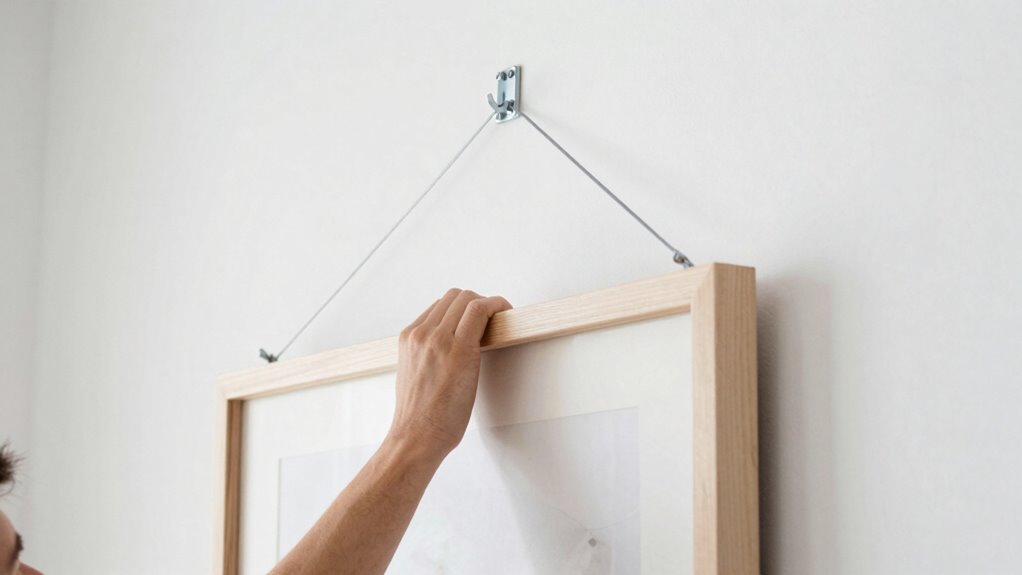

To hang heavy frames without damaging your wall, choose appropriate hardware like heavy-duty hooks, toggle bolts, or masonry anchors suited for your wall type. Measure carefully, mark the spots level, and pre-drill holes to prevent cracks. Use multiple anchors for stability and guarantee hardware is rated for your frame’s weight. Take time to level and adjust the placement. If you want to master the best techniques and avoid common pitfalls, keep exploring further.
Open a free Amazon Business account
Business pricing, bulk buying and tax-exempt orders.
As an affiliate, we earn on qualifying purchases.
Key Takeaways
- Use heavy-duty wall anchors like toggle bolts or masonry anchors suited for your wall material.
- Measure, mark, and level carefully to ensure precise placement and prevent unnecessary wall damage.
- Pre-drill holes for anchors to reduce wall stress and avoid cracks or splitting.
- Distribute the frame’s weight across multiple secure points for added stability and safety.
- Regularly check hardware tightness and levelness to maintain secure, damage-free hanging over time.
heavy-duty wall anchors for drywall
As an affiliate, we earn on qualifying purchases.
As an affiliate, we earn on qualifying purchases.
Why Choosing the Right Wall Anchors Matters for Heavy Frames
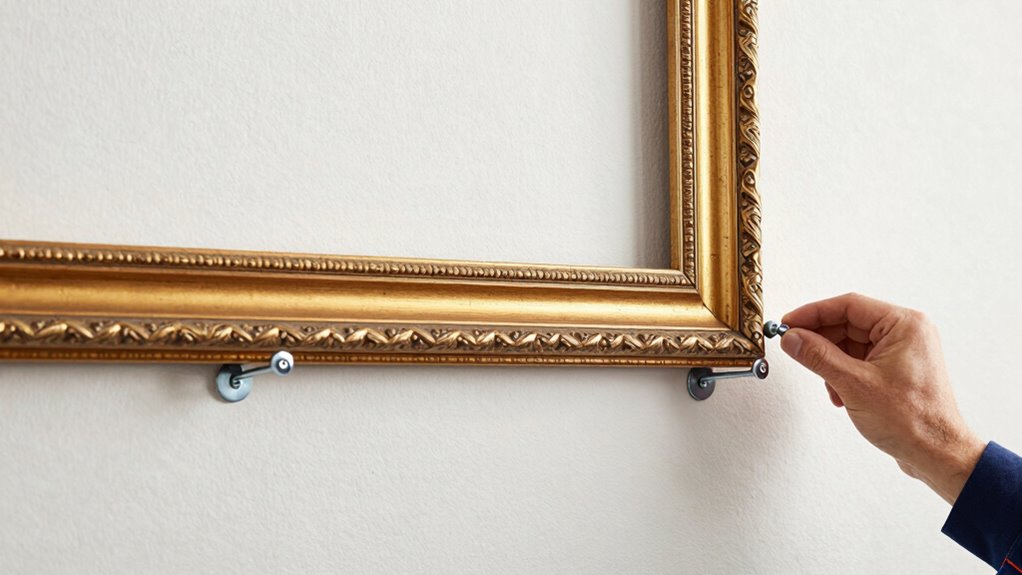
Choosing the right wall anchors is vital when hanging heavy frames because they provide the stability needed to support substantial weight without damaging your wall. Selecting anchors that match the material of your wall guarantees proper material compatibility, preventing slips or pullouts. For example, drywall anchors differ from those used in masonry or concrete walls, so picking the right type is essential. Equally important is considering the weight capacity of the anchors. Overloading them can lead to failure, causing your frame to fall and wall damage. Always check the maximum weight each anchor can handle and choose ones rated for your frame’s weight. Additionally, using mount leveling kits can enhance the installation process, ensuring that your heavy frames stay secure and your walls remain intact. By prioritizing material compatibility and weight capacity, you guarantee your heavy frames stay secure and your walls remain intact. Furthermore, utilizing smart kitchen tools can streamline the process of preparing your space for hanging. Moreover, exploring yoga for back pain can help alleviate any tension that may arise from the stress of hanging heavy frames. Understanding digital concepts can help you explore innovative ways to display your artwork effectively. Incorporating smart locks in your home can also enhance your overall security while you focus on your interior design projects.
As an affiliate, we earn on qualifying purchases.
How to Prepare Your Wall and Mark the Spot Accurately
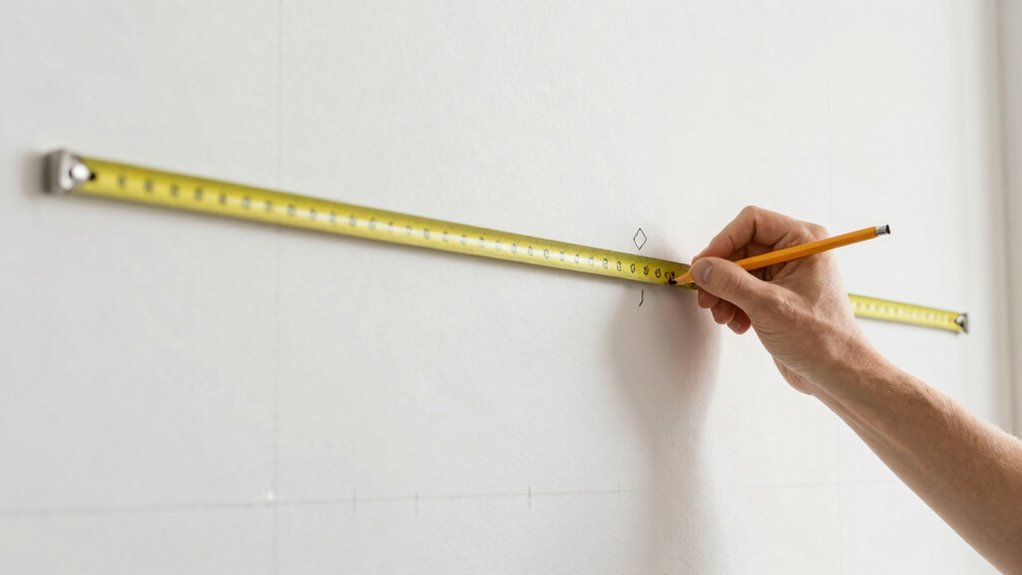
Start by clearing the wall surface so your measurements stay accurate. Then, measure and mark the exact spot where you want the frame to hang. Use a level to make certain your marks are straight for a professional-looking result. Additionally, consider using proper wall anchors to ensure that your heavy frames are securely mounted and won’t damage the wall over time. For added stability, make sure to choose airless paint spraying techniques that can help you achieve a smooth finish on the wall before hanging your frames. Incorporating smart yard care techniques, like using robot mowers, can ensure your outdoor space is just as well-maintained as your interior when showcasing your art.
Clear Wall Surface
Before hanging your heavy frames, it’s vital to clear the wall surface thoroughly. Remove any picture hooks, nails, or debris to create a smooth, clean area. This guarantees your markings stay accurate and prevents damage when installing anchors. Consider your wall color and frame style—lighter walls might require a different type of hook or nail for stability, while darker walls could need contrasting marks for visibility.
| Wall Color | Frame Style |
|---|---|
| Light or white | Modern, minimalist |
| Dark or bold | Ornate, vintage |
| Neutral | Classic, contemporary |
| Bright | Eclectic, colorful |
| Textured | Rustic, industrial |
A clear surface helps you mark spots precisely, guaranteeing your heavy frames hang straight and secure.
Measure Wall Properly
Accurately measuring and marking the wall is essential to guarantee your heavy frames hang straight and securely. First, consider your wall’s texture, as rough surfaces may require different tools like a punch or adhesive hooks. Check your paint compatibility to avoid damaging or peeling paint when marking. Use a tape measure to determine the ideal height and position for your frame, ensuring it aligns with your aesthetic. Mark the spots where you’ll install hooks or nails, using a pencil for easy correction. Keep these tips in mind:
- Choose appropriate tools based on wall texture
- Test paint compatibility before marking
- Measure multiple points for symmetry
- Mark lightly to avoid damage or visible marks
Use Level for Accuracy
Using a level is essential to guarantee your heavy frame hangs straight and looks polished. Even if your wall paint shows subtle imperfections, a level helps you mark the perfect spot, making sure the frame stays balanced. When dealing with a heavy frame, precision is key—misalignment can cause unnecessary strain on your wall or damage the paint. Place the level along the top edge of your chosen spot and adjust until the bubble is centered. Mark the wall at the desired height, making certain the weight distribution is even. This step prevents crooked hanging and reduces the risk of damaging the wall or paint when installing heavy hardware. Accurate markings make hanging easier and ensure your artwork stays secure for years. Additionally, having proper color accuracy in your lighting can enhance the overall appearance of your artwork on the wall. For the best results, consider using heavy-duty wall anchors to support the weight of your frame.
masonry wall anchors for artwork
As an affiliate, we earn on qualifying purchases.
As an affiliate, we earn on qualifying purchases.
Tools You Need to Hang Heavy Artwork Safely
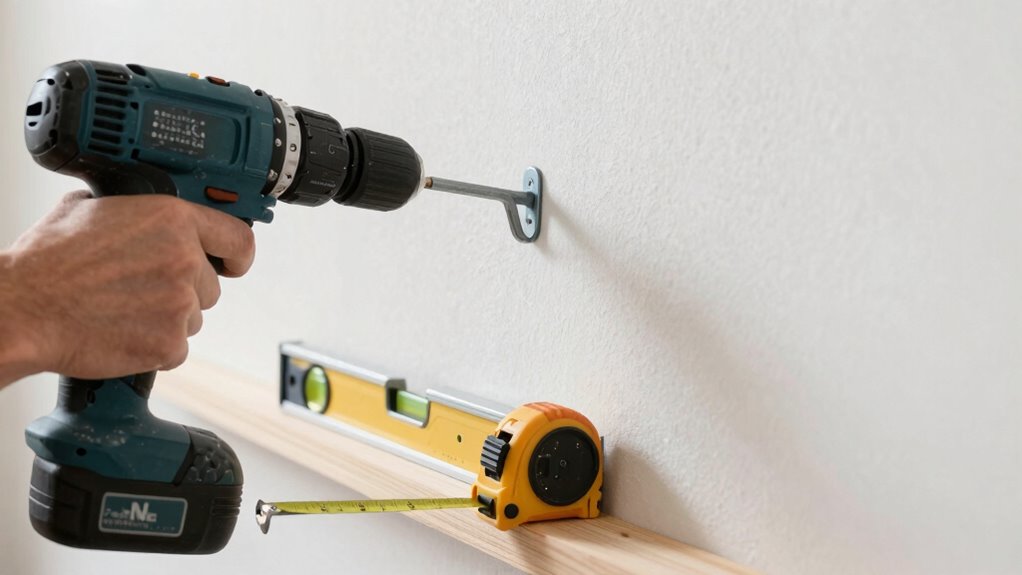
To hang heavy artwork securely, you’ll need the right tools. Heavy-duty wall anchors and sturdy hardware guarantee your frame stays in place, while measuring and leveling tools help you position it perfectly. Having these items ready makes the process safer and easier. Additionally, understanding Victorian design principles can inspire your choice of artwork, ensuring it complements your decor beautifully. Incorporating herbal baths into your relaxation routine can also enhance your focus and creativity while you’re working on your home decor. Consider adding elements like outdoor ovens to your space, which can provide both functionality and aesthetic appeal. Furthermore, exploring aquatic exercise can improve your overall well-being, allowing you to approach your decorating activities with renewed energy. Properly caring for your kitchen gear can help you maintain a tidy environment for all your decorating activities.
Heavy-Duty Wall Anchors
Sure! Here’s your updated article subheading content:
—
When hanging heavy artwork, selecting the right wall anchors is essential to guarantee your piece stays secure without damaging your wall. Heavy-duty wall anchors provide strong support for substantial frames and prevent accidents. They are especially useful when you want to explore alternative mounting methods or showcase decorative framing options without risking wall damage. Additionally, ensuring a clean environment can help reduce microplastics in dust, which may be beneficial for your health in the long run. Neural interfaces are emerging technologies that can help innovate how we display and interact with our art.
Opting for the right anchors can also protect your walls from the weight capacity limits of various mounting solutions.
- Toggle bolts that expand behind drywall for maximum grip
- Masonry anchors for brick or concrete walls
- Heavy-duty plastic anchors for drywall with added weight capacity
- Specialty anchors designed for specific wall types and artwork weight
Using these anchors ensures your heavy frames stay secure over time. They also help preserve your wall’s integrity, making them ideal for hanging large, valuable, or decorative pieces safely and reliably. Additionally, understanding pool safety practices can help you budget for quality materials and tools necessary for your art display.
—
Let me know if you need any further adjustments!
Sturdy Hanging Hardware
Choosing the right hardware is key to safely hanging heavy artwork. You need sturdy hanging hardware that can support the frame weight without damaging your wall. For drywall, heavy-duty hooks, picture wire, or toggles are effective, especially if the frame is particularly heavy. If you’re working with brick or concrete walls, masonry anchors and screws will provide the necessary strength. Always select hardware rated for the weight of your frame, and consider wall material to guarantee secure support. Using the appropriate hardware prevents accidents and keeps your art safe. Additionally, proper aftercare of your hanging setup is essential to ensure long-term stability. Be sure to check the return policies and hours of your local hardware store to ensure you can exchange any faulty products. Incorporating seasonal events when displaying your artwork can also enhance its appeal and attract more viewers. For instance, you might consider the festivals celebrating music in your area, which can draw larger crowds and provide a great backdrop for your art.
Measuring and Leveling Tools
Using the right measuring and leveling tools is essential to guarantee your heavy artwork hangs straight and secure. Accurate tools help you position your wall decoration precisely, assuring an even art display. A laser level or bubble level helps you achieve a perfectly straight line across the wall, preventing crooked frames. A tape measure ensures proper placement height and spacing between multiple pieces. A pencil allows you to mark exact spots for hooks or anchors without damaging your wall. Finally, a stud finder helps locate wall studs for secure mounting points, providing extra support for heavy frames. These tools streamline the process, reduce errors, and keep your wall intact while creating a stunning art display. Proper measurement and leveling are key to hanging heavy frames safely and beautifully.
As an affiliate, we earn on qualifying purchases.
Step-by-Step: Hanging Heavy Frames Without Damage
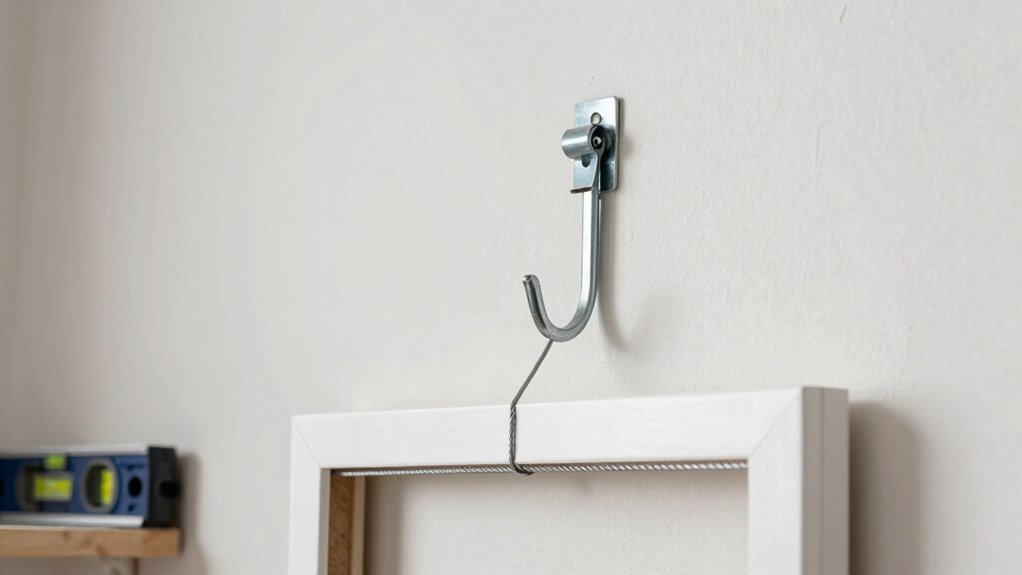
Hanging heavy frames securely without damaging your walls requires careful planning and the right tools. Start by selecting appropriate hanging hardware, like heavy-duty hooks or wall anchors, to support the weight. Use a measuring tape and level to mark precise spots for placement, ensuring your art is straight and balanced. For creative display ideas, consider arranging multiple frames in a gallery wall, staggering their heights for visual interest. When attaching the hardware, follow art preservation techniques by avoiding direct contact with the frame’s surface, which helps prevent damage. Insert anchors into the wall and secure hooks properly. Finally, hang your frame firmly and double-check its level. This step-by-step process guarantees your heavy frame stays secure while keeping your walls intact.
Tips to Keep Your Frame Secure and Level
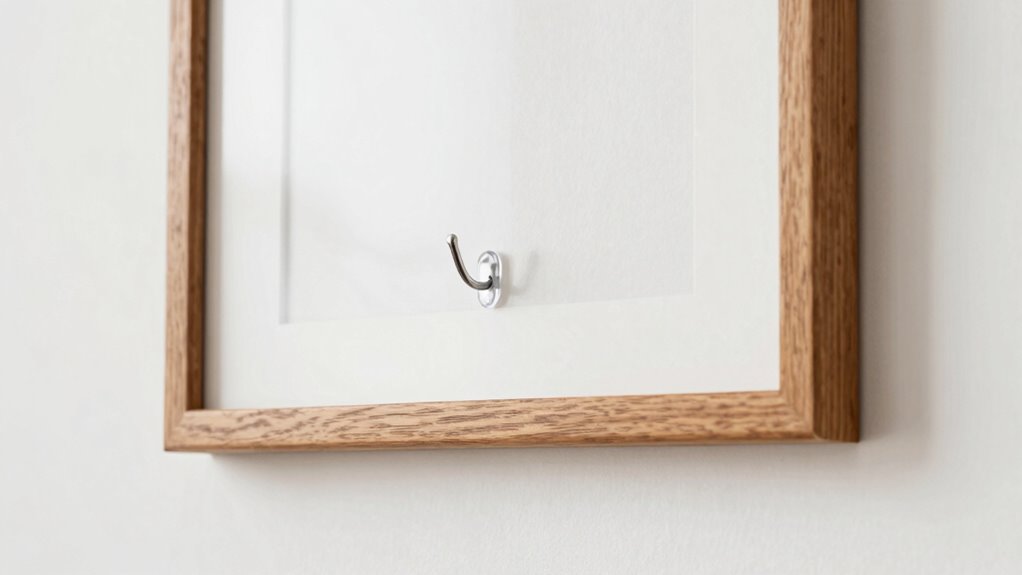
Once you’ve secured your heavy frame to the wall, the next step is to guarantee it stays level and firmly in place. Proper frame placement ensures aesthetic balance and prevents future adjustments. Use a level tool to check horizontal alignment, adjusting the frame until it’s perfectly straight. To keep the frame secure, consider double-checking the wall anchors or hooks for tightness. Also, ensure the weight is evenly distributed across the mounting points. Here are some tips:
- Use a level for precise frame placement
- Install multiple hooks for added stability
- Confirm wall anchors are secure and rated for weight
- Adjust the frame until it’s perfectly balanced
Following these tips keeps your frame secure and visually appealing.
Common Mistakes to Avoid When Mounting Heavy Artwork
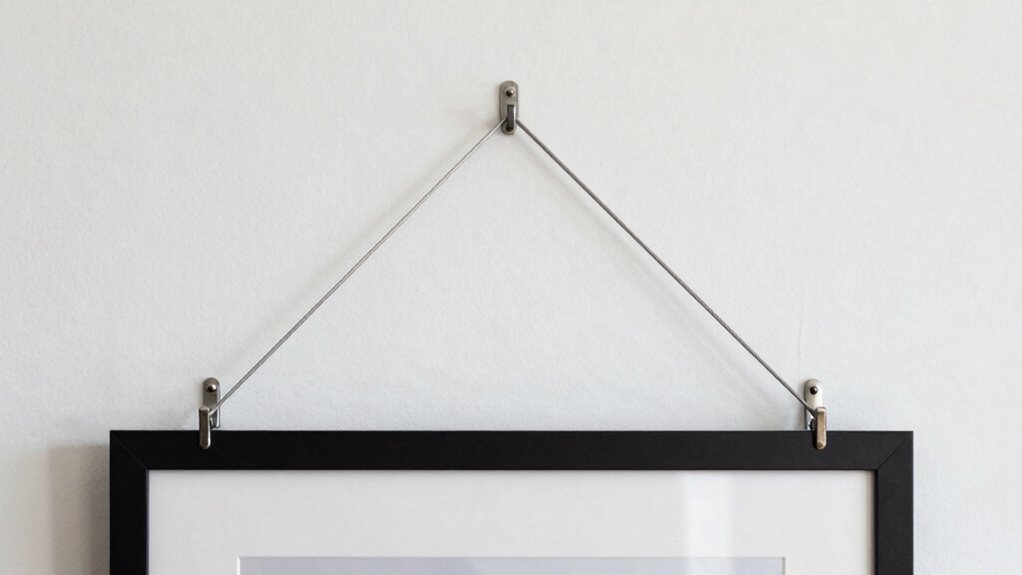
Mounting heavy artwork can seem straightforward, but it’s easy to make mistakes that compromise both the safety of your wall and the integrity of your piece. One common mistake is neglecting proper weight distribution, which can cause your frame to shift or fall. Always confirm the weight is evenly spread across the mounting hardware to prevent stress on one point. Additionally, avoid poor aesthetic placement—hanging a heavy frame too high or too low can throw off the room’s balance. Use the right hooks, anchors, and tools to support the weight properly. Rushing the process or not double-checking your measurements can lead to misaligned or unstable artwork. Taking your time and planning carefully helps prevent these mistakes and keeps your artwork secure and visually appealing.
Troubleshooting Tips for Difficult Wall Surfaces
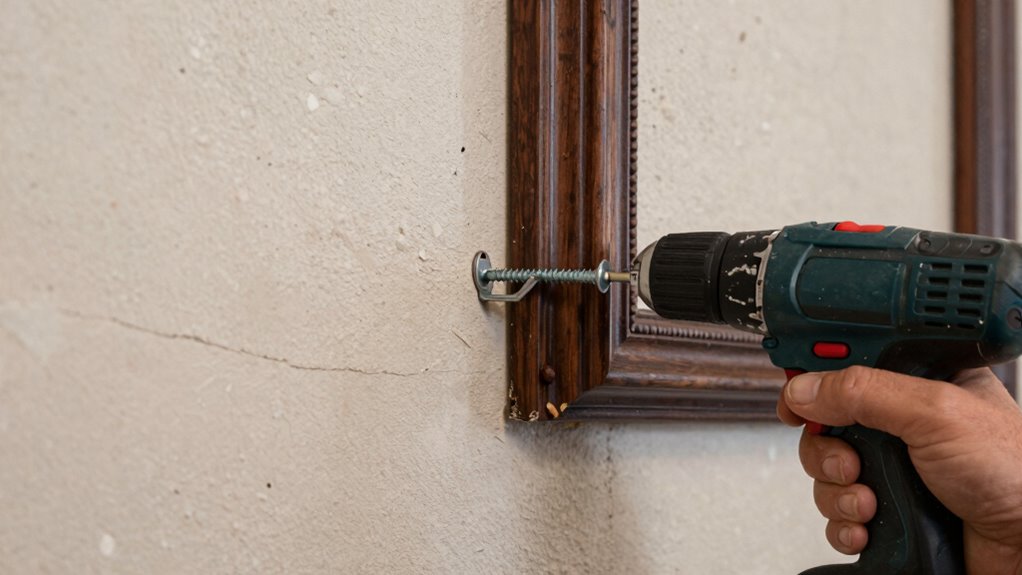
Difficult wall surfaces, like textured paint, plaster, or concrete, can pose challenges when hanging heavy frames. The surface texture and paint type influence how well anchors grip or how you should prepare the wall. For textured surfaces, use specialized anchors designed for uneven textures, such as toggle bolts or masonry anchors. If the paint is latex or oil-based, choose appropriate fasteners to avoid slipping or damage.
Use specialized anchors and pre-drill for textured or challenging wall surfaces to ensure secure hanging.
- Opt for heavy-duty anchors suited for the surface texture
- Consider using a stud finder to locate solid points behind challenging surfaces
- Pre-drill holes to prevent cracking or chipping
- Use mounting hardware compatible with your wall’s paint type for a secure hold
Frequently Asked Questions
Can I Hang Heavy Frames on All Wall Types Safely?
Yes, you can hang heavy frames on all wall types safely if you choose the right frame placement and wall material. For drywall, use heavy-duty anchors or toggle bolts for secure support. Brick or concrete walls need masonry anchors and a drill. Always assess your wall material first, then select appropriate hardware. Properly anchoring your frame guarantees it stays secure without damaging the wall or risking a fall.
How Often Should I Check the Security of Hung Heavy Frames?
You should check the security of your heavy frames every 6 to 12 months. Did you know that over 50% of wall damages happen because frames shift or fall? To prevent wall damage and maintain proper frame alignment, regularly inspect the hooks and wall anchors, especially if you notice any tilting or wobbling. This habit guarantees your artwork stays secure and your walls remain intact over time.
Are There Weight Limits for Common Wall Anchors?
Yes, there are weight limits for common wall anchors. Different anchor types, like plastic expansion anchors, toggle bolts, or molly bolts, support varying weights. For heavy frames, you should consider wall reinforcement and choose anchors rated for higher loads. Always check the manufacturer’s weight specifications and verify your wall can handle the added weight. Properly installed anchors and reinforcement help prevent wall damage and keep your frames secure.
What Are Alternative Methods for Hanging Very Heavy Artwork?
For very heavy artwork, consider installing a sturdy French cleat system, adding frame reinforcement, and employing wall anchors designed for weight. You can also enhance display with gallery lighting to highlight your piece without extra weight. Combining these methods guarantees stability, minimizes wall damage, and showcases your art beautifully. These alternatives help you securely hang heavy frames, providing both safety and aesthetic appeal.
How Do Temperature and Humidity Affect Wall Anchors?
Temperature and humidity can impact wall anchors by affecting the wall material and anchor types you choose. In areas with high humidity, drywall may expand or weaken, making anchors less secure. Extreme temperature changes can cause materials to contract or expand, loosening anchors over time. To prevent damage, select appropriate wall anchors suited for your wall material, and consider the environment’s climate to guarantee your heavy frames stay securely hung without causing wall damage.
Conclusion
Now that you know the secrets to hanging heavy frames without wrecking your walls, imagine that perfect display coming together—each frame securely in place, perfectly level, standing tall against your wall. But beware—an unnoticed mistake could cause it all to come crashing down. Stay vigilant, double-check your work, and your masterpiece will remain pristine and impressive for years to come. Ready to transform your space? The next step is yours—don’t let that dream slip away.
Fall Picks
fall essentials
As an affiliate, we earn on qualifying purchases.