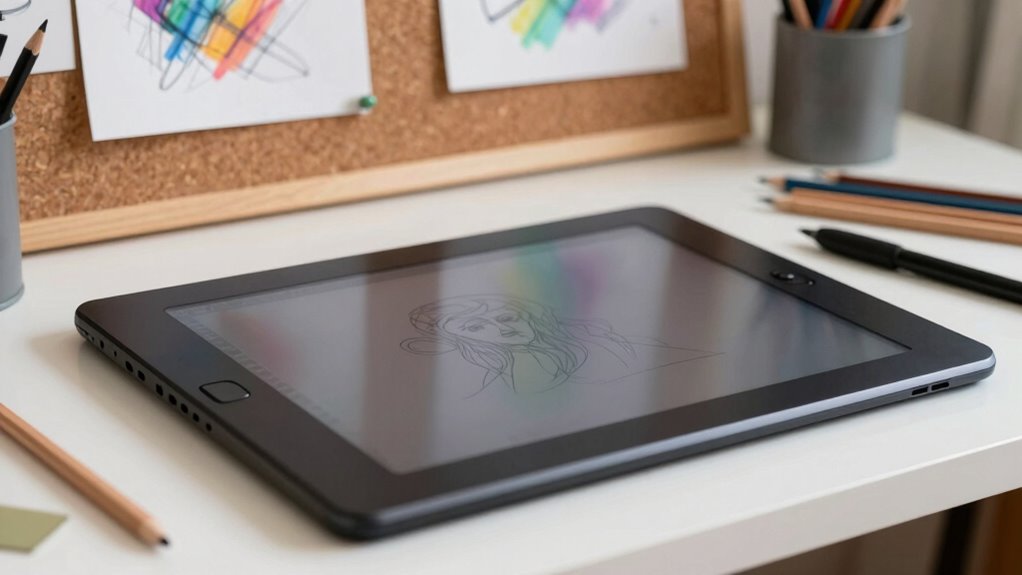
Choosing a larger drawing tablet gives you more space for detailed work, better ergonomics, and improved workflow, helping you focus and create with greater precision. However, bigger screens are less portable, heavier, and can cause fatigue if not set up correctly. They also require more desk space and can be more costly. If you want to explore all the benefits and potential drawbacks, keep going—you’ll find valuable insights to help you decide.
Key Takeaways
- Larger screens improve precision, detail work, and workspace organization for more accurate and complex art projects.
- Bigger tablets enhance ergonomics and comfort, reducing strain during long creative sessions.
- Increased size decreases portability, making transport and setup more cumbersome and less suitable for mobile use.
- Heavier and bulkier devices can cause fatigue and poor posture if not properly positioned.
- Choosing the right size involves balancing workspace needs, portability, visual clarity, and personal workflow preferences.

HUION Kamvas 13 (Gen 3) Drawing Tablet with Screen,13.3" Full-Laminated Art Tablet with Anti-Sparkle Canvas Glass 2.0, 99% sRGB, PenTech 4.0, 16384 Pen Pressure, Dual Dial for PC, Mac, Android, Black
Please note: Kamvas 13 (Gen 3) Pen Display is not a standalone product, this device must be connected…
As an affiliate, we earn on qualifying purchases.
As an affiliate, we earn on qualifying purchases.
How Screen Size Affects Your Drawing Comfort and Precision
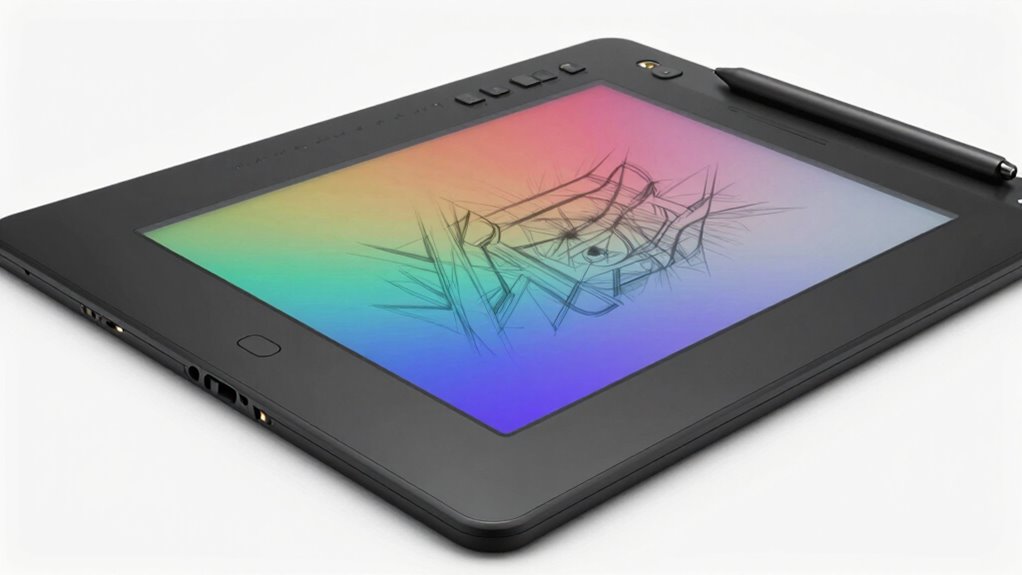
When choosing a drawing tablet, your screen size directly impacts both your comfort and precision. A larger screen allows you to adopt an ergonomic posture, reducing strain during long drawing sessions. This is especially important for artists who engage in long-term creative projects, as it can significantly enhance your overall experience. It also provides more space to work with, making it easier to focus on fine details without feeling cramped. However, bigger screens might challenge your ability to maintain accurate color representation, as larger displays can sometimes have issues with color accuracy. Smaller tablets tend to be more portable and easier to handle, but they can compromise your comfort and the precision of your brushstrokes. Ultimately, finding a balance between screen size, ergonomic posture, and color accuracy helps you create comfortably and confidently, without sacrificing the quality of your work. Additionally, understanding heat buffering techniques can enhance your drawing experience by ensuring that your device operates smoothly without overheating. Proper gear maintenance practices can also prolong the lifespan of your tablet, making it a worthwhile investment in your creative journey.
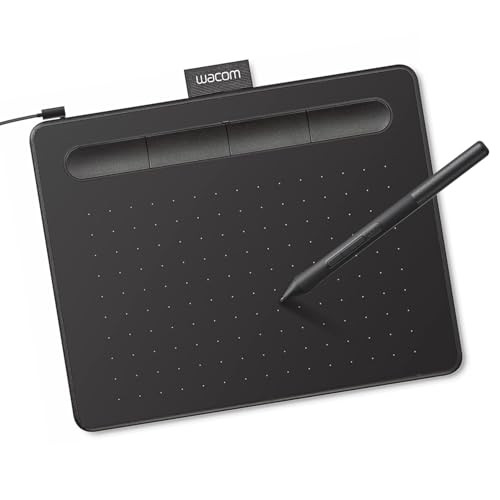
Wacom Intuos Small Graphics Drawing Tablet, Includes Training & Software; 4 Customizable ExpressKeys Compatible with Chromebook Mac Android & Windows, Black
Wacom Intuos Small Graphics Drawing Tablet: Enjoy industry leading tablet performance in superior control and precision with Wacom's…
As an affiliate, we earn on qualifying purchases.
As an affiliate, we earn on qualifying purchases.
Pros and Cons of Larger Drawing Tablets
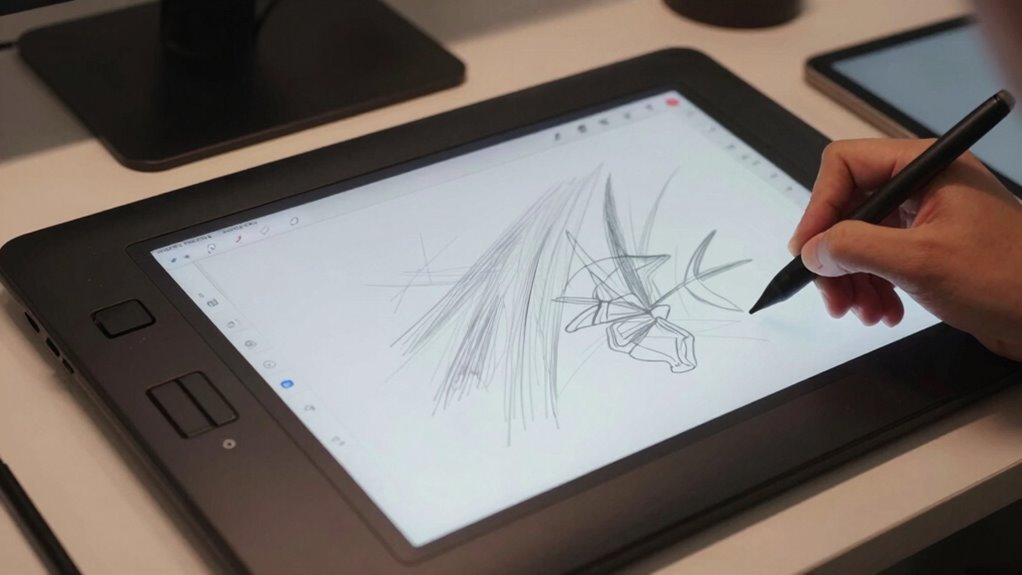
Larger drawing tablets give you more space to work freely, making detailed art easier to create. However, they can be more cumbersome to carry around, limiting your portability. Consider whether the benefits of extra workspace outweigh the potential challenges of transport. Additionally, screen size plays a crucial role in optimizing your drawing experience, much like it does in home cinema setups. Investing in luxury lifestyle products can enhance your overall creative environment, providing you with the tools that inspire and elevate your artistic pursuits. Using the right safety tips ensures that you can work confidently and efficiently with your equipment, enhancing not just your art but also your overall experience. Regular maintenance of your devices, including portable oil radiators, is essential for a safe workspace. Moreover, engaging in music therapy can enhance your focus and creativity while using your drawing tablet.
Enhanced Workspace Freedom
Opting for a bigger drawing tablet can considerably enhance your workspace freedom, allowing you to spread out your tools and work more naturally. With more space, you can maintain an ergonomic posture, reducing strain during long sessions. Larger screens also improve color accuracy, giving you a better view of your work’s details and hues. However, increased size may require more desk space and can feel overwhelming if you’re used to smaller tablets.
| Advantage | Challenge |
|---|---|
| More workspace for tools | Requires larger desk space |
| Better ergonomic posture | Less portable |
| Improved color accuracy | Heavier and bulkier |
| Enhanced natural flow | Risk of overextending |
Increased Portability Challenges
While bigger drawing tablets offer more screen space and better precision, they also come with significant portability challenges. The increased tablet weight can make carrying it around cumbersome, especially if you’re commuting or traveling frequently. Larger devices often require sturdier cases or bags, adding to your load. Additionally, bigger tablets tend to have shorter battery life because of their larger screens and more power-hungry components, limiting your ability to work unplugged for long periods. Transporting a sizable device requires careful planning, and it can be inconvenient to set up on the go. If portability is essential for your workflow, these factors might outweigh the benefits of a larger screen, making smaller, lightweight tablets a more practical choice. Furthermore, support networks for new fathers can offer invaluable advice on managing your workflow effectively while balancing personal responsibilities. Incorporating outdoor cooking options can also enhance your creative setup, providing a more efficient workspace. Ultimately, understanding practical insights into the specific needs of your projects can help you choose the right tablet size for your artistic endeavors. Additionally, considering the impact of artificial intelligence on creative processes can help you adapt your artistic workflow to changing technologies.
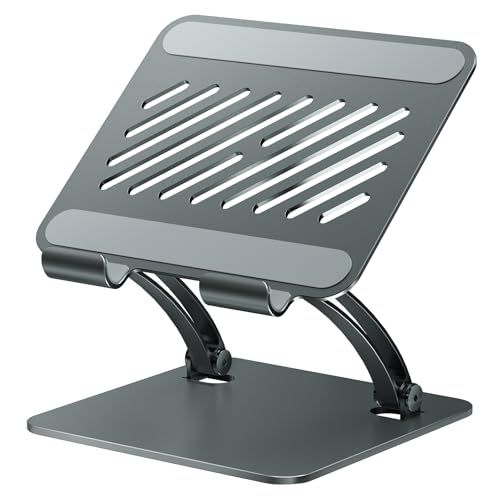
tounee Tablet Holder Stand, Dual Rod Adjustable Aluminum Desktop Stand, Compatible with 4.7-16.9" iPads, Surface Tablets, Portable Monitors, Kindle & More (Gray)
【Perfect Viewing Angle】: This tablet stand features an innovative locking mechanism that allows you to adjust the height…
As an affiliate, we earn on qualifying purchases.
As an affiliate, we earn on qualifying purchases.
Which Artists Should Consider Going Bigger?
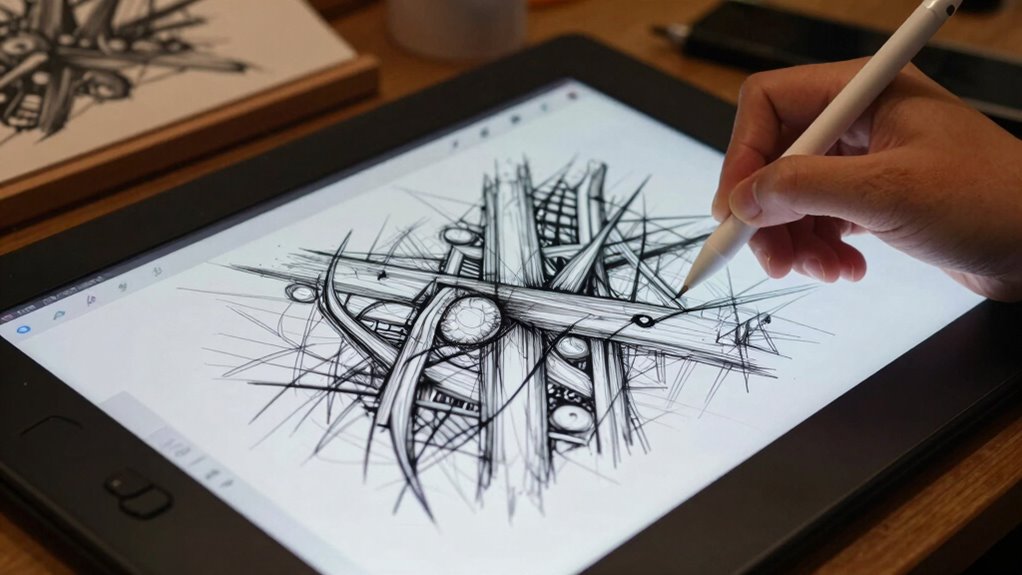
If you find yourself working on detailed illustrations or multi-layered projects, a bigger drawing tablet can make a significant difference. Artists focused on precision and accuracy benefit from increased screen space, which enhances artist ergonomics by reducing strain and allowing more natural hand movements. Larger screens also accommodate a bigger digital brush size, giving you more control for detailed line work or shading. If your work involves complex compositions or fine details, going bigger helps maintain clarity without zooming in constantly. Additionally, if you prefer a more immersive experience or work on multiple elements simultaneously, a larger tablet allows for better organization of your workspace. Overall, artists who prioritize precision, comfort, and detailed workflows should consider opting for a bigger screen. Moreover, using larger devices can enhance your ability to utilize advanced mapping techniques when creating drone-related illustrations or visualizations. This increased precision aligns with the need for early socialization and training in pets, as it fosters a better understanding of their environment and capabilities. Furthermore, current fashion trends in accessories can inspire your creative choices and enhance your artistic expression. Additionally, investing in top-rated vacuums can help maintain a clean workspace, allowing artists to focus on their creativity without distractions. Larger drawing tablets can also support advanced air filtration systems, ensuring a healthier workspace free from dust and allergens, which can contribute to better overall focus and productivity.

HealingShieldKorea Screen Protector for XP PEN Artist 13.3 Pro, Healing Shield Light Anti Glare Paper Texture Feeling Matte Film Light Paper Texture Transparent
Excellent for Pen Touch Writing and Drawing, Light Edition Paper Texture Screen Protector
As an affiliate, we earn on qualifying purchases.
As an affiliate, we earn on qualifying purchases.
How to Choose the Perfect Screen Size for Your Artwork
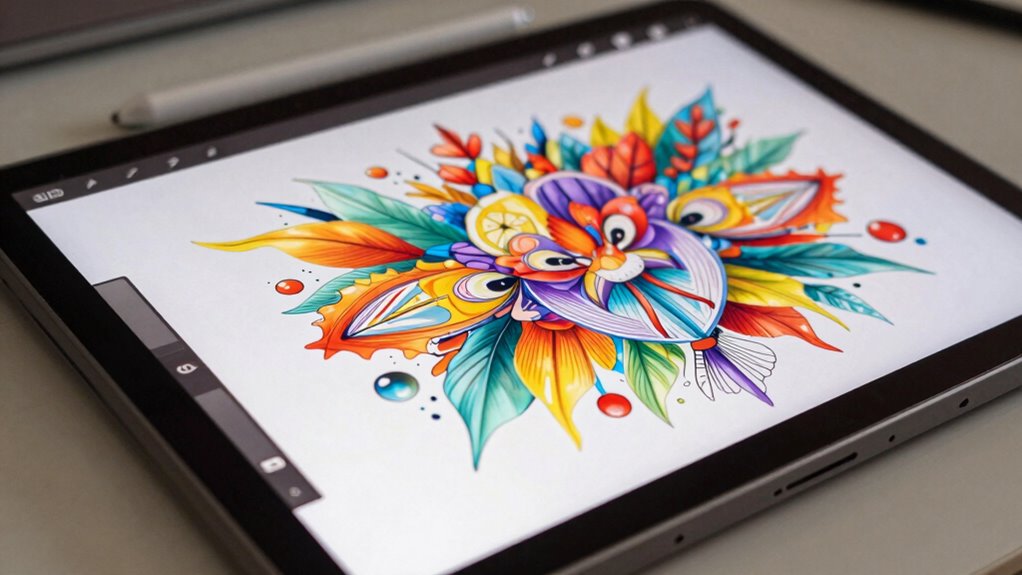
Choosing the right screen size for your drawing tablet depends on both your artistic needs and your workspace. Consider how much detail you need to capture—larger screens offer more room for precise strokes, which can improve your control and stylus pressure sensitivity. If you work on detailed illustrations, a bigger screen helps you see finer lines clearly and enhances color accuracy, making it easier to match colors accurately. Conversely, smaller tablets are more portable and fit into limited spaces, but they may require more zooming and panning, affecting your workflow. Think about how much space you have and what feels comfortable for extended use. Balancing screen size with your artistic style and workspace guarantees you select a device that enhances your creativity without sacrificing functionality. Additionally, using the right crisping techniques can help you achieve more vibrant colors and details in your artwork.
Tips for Using Larger Drawing Tablets Effectively
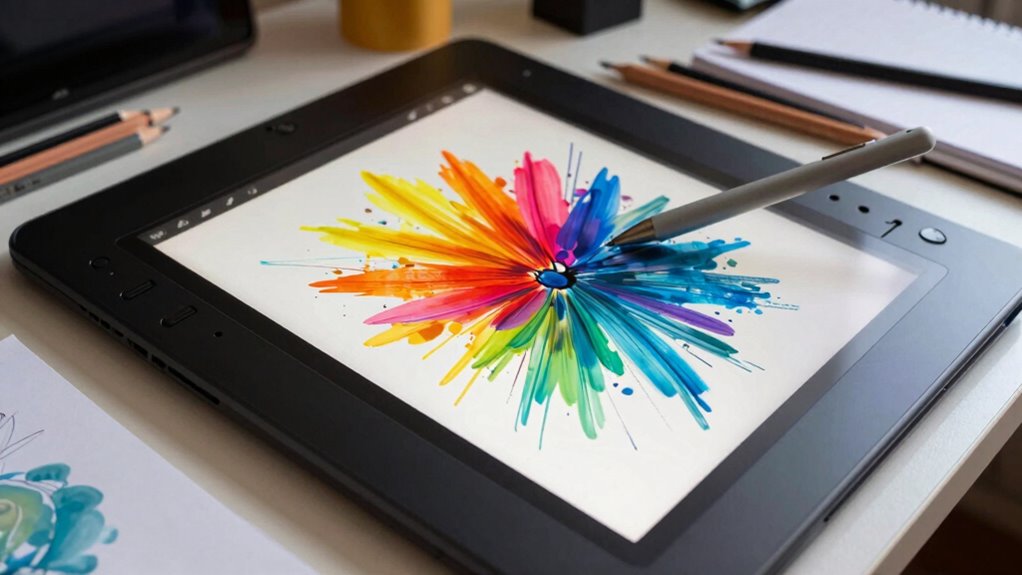
Using a larger drawing tablet can considerably enhance your creative process, but it requires some adjustments to work effectively. To maximize benefits, focus on maintaining color accuracy and touch sensitivity. Adjust your workspace to accommodate the larger surface, ensuring comfortable arm movement. Regularly calibrate your tablet to optimize color representation and avoid discrepancies. Using proper indoor air quality techniques can also improve your overall workspace environment. Additionally, understanding the importance of song placement can inspire you to create a cohesive flow in your artwork. Incorporating herbal teas like chamomile or ginger during breaks may help alleviate stress and enhance focus. Use shortcut keys or customizable buttons for efficiency, reducing the need for excessive hand movement. Keeping up with emerging trends can also help you choose features that align with current artistic advancements. Keep your stylus handling precise by practicing consistent strokes. Additionally, understanding the impact of ethical consumer choices can guide you in selecting sustainable products for your artistic needs.
Is a Larger Screen Worth the Investment?

A larger screen can give you more workspace, making detailed work easier and more comfortable. It also offers greater flexibility to adjust your setup or switch between tasks. But, you’ll want to think about if the added size and weight are worth the trade-offs in portability and ease of use. Additionally, investing in a larger screen can enhance your overall performance and reliability, leading to improved workflow and satisfaction in your creative projects.
Enhanced Workspace Flexibility
Opting for a larger screen on your drawing tablet can considerably enhance your workspace flexibility, allowing you to view more of your project at once and make precise adjustments with ease. With extra screen space, you can:
- Spread out your tools and palettes, reducing clutter and improving workspace organization.
- Maintain ergonomic posture by positioning the screen at eye level, minimizing strain.
- See detailed elements clearly without constantly zooming or shifting your view.
This expanded workspace helps you stay focused and organized, boosting productivity. It also encourages better ergonomic habits by reducing awkward positions. Overall, a larger screen offers a more adaptable environment where you can work comfortably, efficiently, and with greater precision.
Portability and Comfort
While a larger screen can boost your drawing experience, it also raises questions about portability and comfort. Carrying a bigger tablet means more weight considerations, which can make it less convenient for on-the-go use. You might find yourself sacrificing ergonomic posture if you need to hunch over or awkwardly hold a hefty device for extended periods. Comfort becomes a concern, especially during long drawing sessions, as larger screens can cause fatigue in your arms and shoulders. If you prioritize mobility or work in different locations, a bigger tablet might feel cumbersome. On the other hand, a smaller device offers easier portability and better ergonomic posture, helping you stay comfortable and productive throughout your creative process.
Common Questions About Screen Size and Drawing Tablets
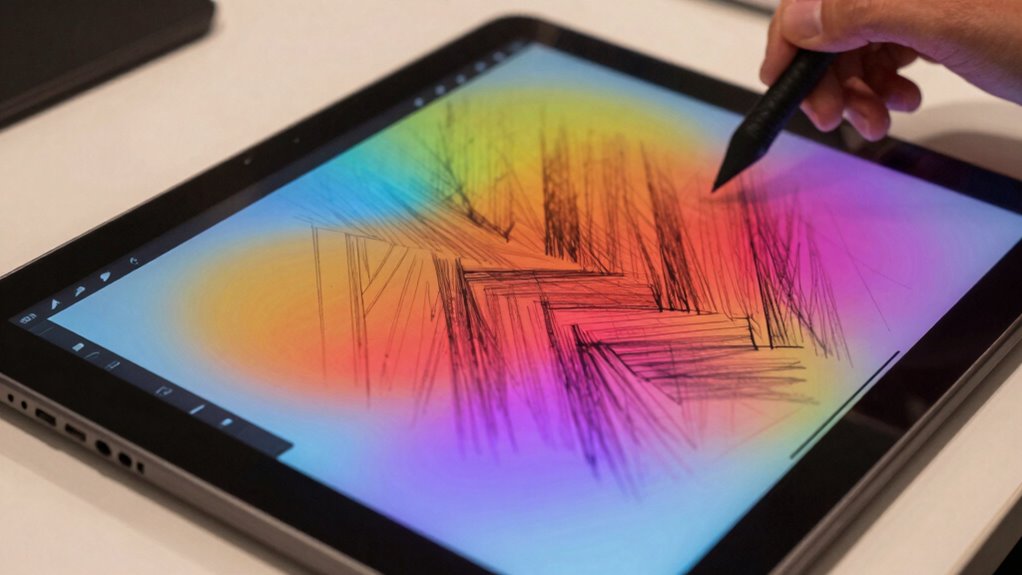
Many artists wonder what screen size is best for their drawing tablet, especially with so many options available. The key questions often revolve around how size impacts your work. First, larger screens offer more space for detailed art, but can sacrifice portability. Second, color accuracy and screen resolution are essential—smaller screens may have higher pixel density, providing sharper images. Finally, consider if the extra space improves your workflow or just adds unnecessary bulk. Visualize this:
- A compact tablet fitting comfortably in your bag, but with less drawing area.
- A medium-sized screen balancing portability and workspace.
- A big display, offering wide strokes, but feeling cumbersome.
Understanding these factors helps you choose a screen size that aligns with your style, workflow, and need for precision.
Frequently Asked Questions
How Does Screen Size Impact Tablet Portability?
A larger screen size reduces your tablet’s portability, making it bulkier and heavier to carry around. This creates a portability trade-off, so you might struggle with ergonomic considerations during extended use or when commuting. Smaller tablets are easier to slip into bags and hold comfortably, but they may limit your drawing precision. Balance your needs by choosing a size that offers enough workspace without sacrificing convenience.
Are Larger Tablets Compatible With All Art Software?
Larger tablets are generally compatible with most art software, but check specific system requirements first. They often support advanced features like pen pressure sensitivity and high color accuracy, which enhance your drawing experience. However, some lightweight or less popular programs might not fully utilize larger screens or advanced hardware. Always verify software compatibility with your tablet’s specifications to guarantee you get the full benefits, like precise pen pressure and vibrant colors.
What Is the Ideal Screen Size for Beginners?
Think of choosing a tablet as finding the perfect dance partner. For beginners, a 10-12 inch screen strikes a balance, offering enough room to explore without overwhelming you. This size enhances stylus precision, so your lines stay crisp, while color accuracy helps bring your art to life. It’s manageable to learn, yet versatile enough to grow with your skills, making it the ideal starting point.
How Does Screen Resolution Affect Drawing Quality on Larger Tablets?
Higher screen resolution enhances your drawing quality on larger tablets by increasing pixel density, which boosts visual clarity. This means your artwork appears sharper, with finer details and smoother lines, making your creative process more precise. However, if resolution isn’t high enough, larger screens can look pixelated or blurry. So, to maximize quality, choose a tablet with a high resolution that maintains excellent pixel density, especially on bigger displays.
Can a Bigger Screen Improve Workflow Efficiency?
A bigger screen can be your creative playground, turning your workflow into a smooth river rather than a turbulent stream. It enhances ergonomics considerations by reducing eye strain and awkward postures. Plus, it seamlessly integrates with multi monitor setups, giving you expansive real estate to organize tools and references. This spacious canvas allows your ideas to flow freely, boosting efficiency and making every stroke feel more natural and inspired.
Conclusion
Choosing the right screen size is like finding the perfect pair of shoes — it should feel just right, neither too tight nor too loose. Bigger tablets can boost your creativity and precision, but they also require more space and investment. Consider your workflow, space, and budget carefully. Ultimately, the right size helps your art flow smoothly, turning your ideas into reality just like a well-fitting shoe helps you walk comfortably through life’s journey.