
TL;DR

Get art and craft supplies delivered free with Prime
- Fast, free delivery on millions of items
- Prime Video, Amazon Music and more included
- Member-only deals all year
16colo.rs describes itself as a public-interest archive of ANSI and ASCII artpacks, collections made by artists working individually or in groups. Its site also offers browsing, search, upload, collaboration and sharing tools; the supplied material does not report a new launch, redesign or other dated development.
16colo.rs is an online archive for ANSI and ASCII artpacks, collections of textmode artwork that grew out of the bulletin board system scene. The site says it aims to preserve those collections for the public interest, while offering tools to browse, search, upload and share work; the source provided does not identify a new launch or recent change.
The archive organizes material through a browse-by-year feature and a tagging system. It also advertises an advanced text search, intended to help visitors find artwork across the collection. The supplied homepage text includes several artist or account names and timestamps, but does not explain what those entries represent or provide a complete inventory, so they cannot establish a specific recent addition or update.
16colo.rs presents itself as more than a viewing catalogue. Artists can upload artpacks and self-publish them, the site says, and users can collaborate on public PabloDraw or Moebius servers. Separate features support sharing textmode art through private URLs and adding metadata to artwork with a SAUCE editor. These are features described by the site; the source does not provide usage figures or independent confirmation of their current availability.
The homepage also points visitors toward chat channels, including IRC, Discord and Messenger, and recommends The Art of Warez, a short film about the origins and history of the ANSI art scene. Together, the archive and community tools connect preserved material with people still making and discussing this form of computer art.
Preserving Textmode Artpacks
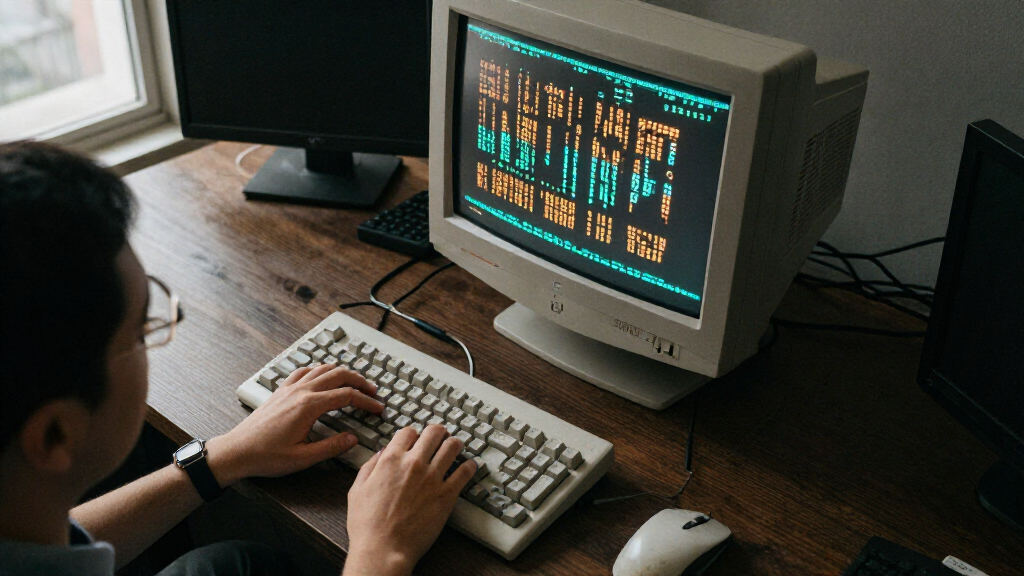
ANSI and ASCII art was designed for display in computer textmode, not as conventional image files. An archive devoted to its artpacks can preserve both individual works and the collections through which artists released them. That matters because the original distribution environment—dial-up bulletin board systems—has largely faded, leaving online archives as a way to encounter and study work from that scene.
The archive’s stated public-interest purpose also gives the collection value beyond nostalgia. Search and tags can help readers locate material, while upload and collaboration features may support continued creation. The source does not establish how complete the archive is or how many people use it, so its reach should not be overstated.
Popular right now

Shark Rocket Corded Stick Vacuum (HV301) – Gray/Orange

Samsung 85-Inch QN70H Neo QLED 4K Smart TV (2026)

Bose QuietComfort Ultra Wireless Noise-Cancelling Headphones with Spatial Audio, Black
As an affiliate, we earn on qualifying purchases.
From BBS Releases to Archives
According to 16colo.rs, textmode art gained popularity in the early 1990s alongside dial-up bulletin board systems. Artists began forming groups and releasing work in monthly collections known as artpacks. The site identifies ACiD and iCE as examples of prominent early groups and says rivalry between groups encouraged competition and activity.
The archive’s account links the decline of BBS culture in the late 1990s, following the rise of the internet, with reduced demand and interest in ANSI and ASCII art. It also says artists continue to produce artpacks collectively. This history is the site’s own description; the supplied material does not include outside historical sources or a detailed timeline of the archive itself.
“Sixteen Colors aims to collect these artpacks as an archive in the public interest.”
— 16colo.rs
Archive Scope and Current Activity
The supplied homepage text does not specify the archive’s total collection size, the dates covered, its update schedule or how submissions are reviewed. It also does not clarify whether every advertised service is currently active, or provide figures for uploads, searches or visitors. The names and timestamps included in the source lack enough surrounding detail to identify them as a news announcement or to confirm a particular recent release. No new event is established by the material.
Browsing and Contributing Work
Readers can use the site’s stated year browsing, tags and text search to explore the collection. Artists with new or older artpacks can consult its upload feature, and visitors interested in the scene’s history can follow the site’s recommendation to watch The Art of Warez. The source does not announce a forthcoming release, deadline or planned site change; any future update would need to be confirmed by the archive.
Key Questions
What is 16colo.rs?
16colo.rs describes itself as an online archive for ANSI and ASCII artpacks, with tools for browsing, searching and sharing work.
What is an artpack?
In the site’s account, an artpack is a collection of textmode artwork, often released by an artist group. The homepage says groups historically published collections monthly.
Can artists contribute to the archive?
The site advertises an upload feature for new or old packs and says contributors can self-publish. The supplied material does not describe submission checks or eligibility rules.
Does the source announce a new update?
No. The material describes the archive and its features but does not identify a new launch, dated change or upcoming release.
Where did ANSI and ASCII art become popular?
According to 16colo.rs, the artform gained popularity in the early 1990s with dial-up bulletin board systems, where artist groups distributed artpacks.
Source: 16colo.rs