To prevent mold in your art collection, keep humidity levels stable between 40-50% using humidifiers or dehumidifiers. Store your artwork in climate-controlled areas away from damp spots like basements or attics. Regularly inspect and clean your storage to catch early signs of mold or moisture problems. Use acid-free packaging and ensure good air circulation. Staying vigilant and maintaining the right environment will help preserve your collection for years to come. Keep going to learn more!
Key Takeaways
- Maintain stable humidity levels between 40-50% using humidifiers or dehumidifiers.
- Store artwork in climate-controlled environments away from damp areas like basements or attics.
- Use acid-free storage materials and ensure good air circulation around collections.
- Regularly inspect and clean storage areas to detect early mold signs and prevent spread.
- Invest in environmental control devices and monitor conditions consistently for ongoing mold prevention.
Mold can quickly damage valuable art collections if not properly managed, making prevention essential for preservation. When it comes to protecting your artwork, understanding the importance of humidity control and optimal storage conditions is crucial. Mold thrives in environments where moisture levels are high, so maintaining stable humidity is a key step in safeguarding your pieces. Fluctuations in humidity can cause materials like paper, canvas, and wood to expand and contract, creating cracks, warping, or other damage that mold can exploit. *Consequently*, you should aim to keep relative humidity levels between 40% and 50%, using humidifiers or dehumidifiers as needed to achieve this balance. Regularly monitoring humidity levels with reliable gauges allows you to make adjustments before conditions become problematic.
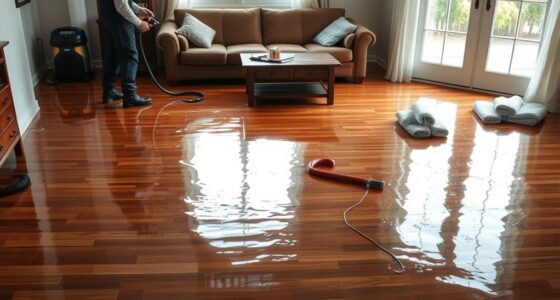
Your storage conditions play a *critical* role in mold prevention. Avoid storing artwork in areas prone to dampness, such as basements, attics, or spaces near plumbing leaks. Instead, choose a climate-controlled environment with consistent temperature and humidity. Proper storage involves more than just choosing the right room; it also means selecting appropriate materials. Use acid-free boxes, tissue paper, and padded mounts to prevent moisture buildup and physical stress on your artworks. Keep items away from direct sunlight, which can cause temperature fluctuations and increase the risk of mold growth. Additionally, *guarantee* good air circulation within storage spaces—stagnant air can trap moisture, creating an ideal environment for mold spores to settle and grow. Incorporating humidity monitoring devices helps maintain the optimal environment and detects potential problems early.
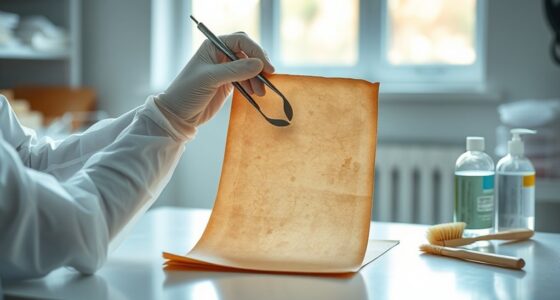
Cleaning your storage area regularly is another essential step. Dust and debris can hold moisture and serve as breeding grounds for mold spores. Use gentle cleaning methods to remove dust from shelves, containers, and the artwork itself, avoiding any harsh chemicals that could damage delicate surfaces. Implementing a routine inspection schedule allows you to identify early signs of mold or moisture problems before they escalate. If you notice any mold growth or unusual odors, address the issue immediately by isolating affected items and thoroughly cleaning the area.
Investing in environmental controls and maintaining *appropriate* storage conditions isn’t just about preserving aesthetic value—it’s about protecting your collection’s integrity for years to come. By managing humidity levels diligently and creating a stable environment, you *substantially* reduce the risk of mold development. Remember, mold prevention is an ongoing process that requires vigilance and proactive measures. Staying attentive to your storage conditions and humidity control strategies ensures your art remains in pristine condition, free from the damage that mold can inflict.

JEDEW 2 Pack Hygrometer Thermometer Digital Humidity Meter Indoor/Outdoor Humidity Monitor Reptile Thermo-Hygrometer for Greenhouse Humidors Terrarium Jars, Fahrenheit (℉) /Celsius(℃) (2)
1-【Widely Application】The digital LCD monitor can be used in home, office, garage, schools, hotels, laboratories, kindergartens, aquaculture, instrument…
As an affiliate, we earn on qualifying purchases.
As an affiliate, we earn on qualifying purchases.
Frequently Asked Questions
How Can I Detect Mold Before Visible Signs Appear?
You can detect mold early by using sensor monitoring systems that track air quality and humidity levels. These sensors alert you to changes that may indicate mold growth before visible signs appear. Regularly check these sensors to stay ahead of mold problems. Maintaining proper air circulation and low humidity also helps prevent mold, but sensor monitoring provides an extra layer of protection by giving you real-time insights into potential issues.
Are Certain Art Materials More Susceptible to Mold Growth?
Certain art materials are more prone to mold growth, so know which ones are vulnerable. Fabrics, paper, and organic materials tend to be more susceptible due to their composition. These art material vulnerabilities include porosity and moisture retention, making mold susceptibility factors higher. When handling or storing these items, you’re playing with fire if you don’t take extra precautions. Think of it as putting all your eggs in one basket—better safe than sorry.
What Are the Long-Term Effects of Mold Exposure on Artwork?
You should know that long-term mold exposure causes artwork deterioration and mold-induced discoloration. Over time, mold can weaken materials, leading to cracks, fading, and even complete loss of detail. It also promotes staining and surface damage, making restoration difficult and costly. By preventing mold growth early, you protect your collection from these damaging effects, ensuring your artwork remains vibrant and intact for years to come.
Can Mold Prevention Methods Cause Damage to Delicate Art Pieces?
Yes, mold prevention methods can cause damage to delicate art pieces if you’re not careful. For example, aggressive cleaning protocols or unsuitable storage materials might harm sensitive materials or surface finishes. To avoid this, use gentle cleaning techniques and choose archival-quality storage materials that are inert and breathable. Always assess the specific needs of your artwork, and when in doubt, consult conservation experts to guarantee your prevention methods are safe and effective.
How Often Should Humidity Levels Be Checked in Storage Areas?
You should check humidity levels at least once a week to keep your environment in check. Regular humidity monitoring acts like a vigilant guard, ensuring your art remains safe from mold and deterioration. Consistent environment control helps maintain stable conditions, preventing fluctuations that could harm delicate pieces. Stay proactive, and you’ll catch any issues early, keeping your collection pristine and protected for years to come.

Can't Fail Color Schemes–Kitchen & Bath: How to Choose Color for Stone and Tile Surfaces, Cabinets & Walls (Creative Homeowner)
Used Book in Good Condition
As an affiliate, we earn on qualifying purchases.
As an affiliate, we earn on qualifying purchases.
Conclusion
Remember, an ounce of prevention is worth a pound of cure. By maintaining proper humidity levels, ensuring good airflow, and regularly inspecting your art, you can keep mold at bay. Taking these simple steps now can save you from costly repairs and lost treasures later. Protect your collection with vigilance, because as the saying goes, “A stitch in time saves nine.” Stay proactive and your art will thank you for it.

HALAGAS 10 Pcs Acid Free Storage Boxes, Archival Storage Boxes, 15 x 12 x 10 Inch Thickened Buffered Acid Free Board Photo Storage Box for Storing Documents Magazines Cards Prints Arts
Product Quantity: Each package includes 10 archival record storage cartons, ensuring you have sufficient boxes for organizing your…
As an affiliate, we earn on qualifying purchases.
As an affiliate, we earn on qualifying purchases.

HYDROSORBENT® Gun Safe Dehumidifier Rechargeable Silica Gel 450 Gram Carton. Moisture Absorber. Reusable Desiccant Dehumidifier for Gun Safe – Made in USA Silica Gel Desiccant. 1 Unit – SG450
Safes, Cabinets, & Gun Safe Dehumidifiers: Size: 4.5 x 2 x 7" Our desiccant dehumidifiers absorb moisture and…
As an affiliate, we earn on qualifying purchases.
As an affiliate, we earn on qualifying purchases.