
To guarantee safety in dry mounting, handle adhesives carefully by choosing non-toxic options and applying them properly to avoid bubbles and damage. Always use heat sources at the correct temperature, calibrate equipment regularly, and wear protective gear to prevent burns or fumes. Keep your workspace well-ventilated and free of hazards. Avoid overheat and improper disposal of materials. If you keep safety in mind, you’ll achieve better results without accidents—learn more to master safe dry mounting techniques.
Listen free for 30 days with Audible
Thousands of audiobooks and originals — cancel anytime.
As an affiliate, we earn on qualifying purchases.
Key Takeaways
- Always work in well-ventilated areas to avoid inhaling fumes from adhesives and heated equipment.
- Use protective gear like gloves, goggles, and aprons to prevent burns, chemical splashes, and fumes exposure.
- Calibrate and inspect heat sources regularly to prevent overheating, warping, or damaging materials.
- Store adhesives properly in cool, dry places and select non-toxic, eco-friendly options suited for your materials.
- Dispose of waste adhesives safely in designated containers, following local regulations and avoiding chemical reactions.
As an affiliate, we earn on qualifying purchases.
Dry Mounting Safety Risks You Need to Know
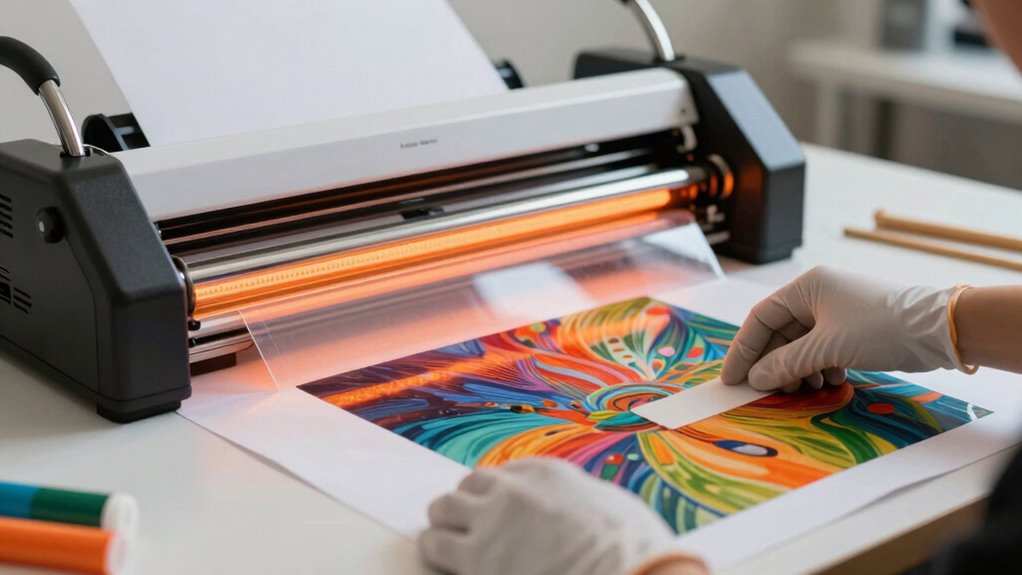
While dry mounting is a straightforward process, it comes with certain safety risks that you shouldn’t overlook. One major concern is chemical exposure from adhesives and mounting materials, which can irritate your skin, eyes, or respiratory system if mishandled. Always work in a well-ventilated area and wear protective gear like gloves and goggles. Additionally, using proper ventilation is crucial to minimize harmful fumes. In addition, understanding regional flavors can enhance your appreciation of the art behind creative projects. Equipment maintenance is equally important; neglecting to regularly clean and inspect your heat press or mounting tools can lead to malfunctions or overheating, increasing safety hazards. Just like air purifiers require regular maintenance to function efficiently, staying vigilant about proper maintenance and handling chemicals carefully helps prevent accidents, ensuring your dry mounting process remains safe and efficient. Additionally, understanding digital concepts can enhance your awareness of safety protocols in creative processes.
As an affiliate, we earn on qualifying purchases.
Choosing Safe Adhesives for Dry Mounting
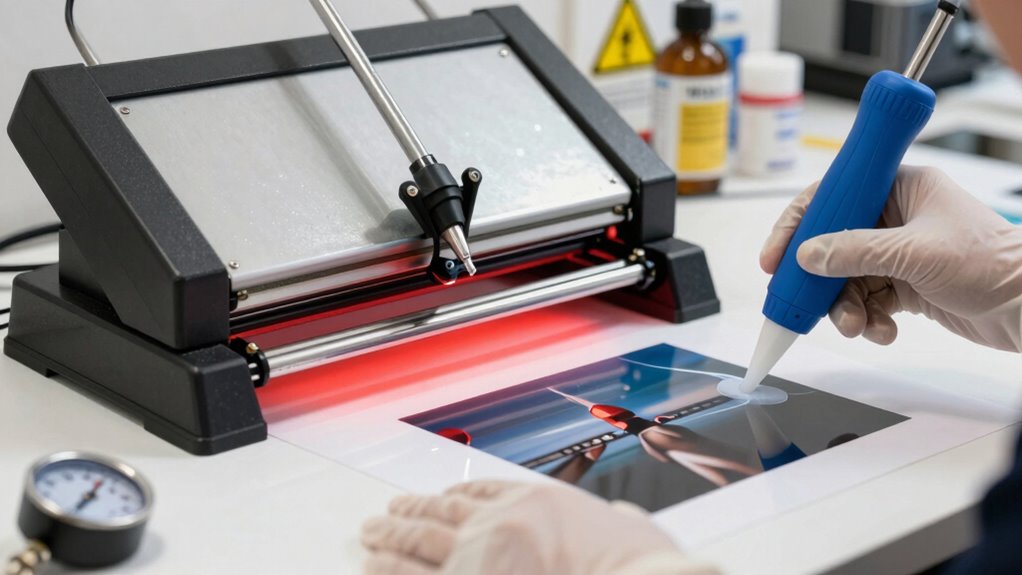
Choosing Safe Adhesives for Dry Mounting
When choosing adhesives for dry mounting, prioritize non-toxic options to protect your health and the environment. Make certain the adhesive is compatible with your materials to prevent damage or discoloration. Use proper application techniques to ensure a secure, safe mount without excess or mess. Additionally, consider integrating spooky Romanian traditions into your crafts to enhance your Halloween projects. It’s also essential to set clear financial goals when budgeting for crafting supplies to avoid overspending. For example, using soy wax can be a great alternative in your DIY projects, as it’s eco-friendly and non-toxic. Furthermore, utilizing seasonal produce in your crafting can inspire unique designs that celebrate various themes. To further elevate your creative work, ensure that your adhesive contributes to color accuracy, enhancing the overall visual appeal of your projects.
Non-Toxic Adhesive Options
Choosing the right adhesive is essential for safe and effective dry mounting, especially if you want to avoid harmful chemicals. Non-toxic adhesives prioritize safety while maintaining strong adhesion. Eco-friendly options are available that use natural or biodegradable ingredients, reducing environmental impact. Additionally, using heat-gun kits can enhance the bonding process by ensuring even application of adhesive. Embracing Stoic principles can help you make thoughtful choices regarding your materials and methods. Allergy-safe adhesives are formulated to minimize skin irritation and respiratory issues, making them ideal for sensitive individuals. Regularly using competitive pricing improves dishwasher efficiency, ensuring that your workspace remains safe and effective. When selecting adhesives, consider those that align with eco-friendly practices, promoting sustainability in your projects.
| Eco-Friendly Options | Allergy Safe Adhesives |
|---|---|
| Natural rubber-based | Water-based adhesives |
| Biodegradable glues | Low VOC formulas |
| Plant-based adhesives | Hypoallergenic options |
These choices help guarantee your mounting process stays safe without sacrificing quality or sustainability.
Compatibility With Materials
Selecting the right adhesive depends heavily on the materials you’re working with. You need to take into account material compatibility to prevent damage or discoloration. Some adhesives work well with paper, while others are better suited for fabric or photographs. Before committing, conduct adhesive testing on a small, inconspicuous area to ensure the glue won’t cause adverse reactions. Check labels for compatibility information and avoid adhesives that contain harsh chemicals or solvents that could damage delicate materials. Using incompatible adhesives may lead to warping, staining, or long-term deterioration. By understanding the specific needs of your materials and testing adhesives beforehand, you can choose a safe, effective option that preserves your mounted items and ensures a durable, professional finish.
Proper Application Techniques
Proper Application Techniques (Choosing Safe Adhesives for Dry Mounting)
Proper application techniques are essential to guarantee your dry mounting project turns out clean and durable. To achieve this, choose safe adhesives stored properly in a cool, dry place, and always make sure your equipment is calibrated for precise temperature control. Incorporating fire pits into your workspace can also enhance comfort during long projects. Proper adhesive application avoids bubbles, wrinkles, and peeling. Before starting, check your adhesive’s expiration date and storage conditions. Regular equipment calibration guarantees even heat distribution, preventing damage. Additionally, using electric power generation methods can help you power your tools sustainably. Here’s a quick guide:
| Tip | Why it Matters |
|---|---|
| Store adhesives properly | Maintains effectiveness and safety |
| Calibrate equipment regularly | Ensures even heat, prevents mishaps |
| Apply adhesive evenly | Avoids air pockets and wrinkles |
Following these steps helps you create a professional, long-lasting finish. Additionally, understanding user consent management is crucial for ensuring safe and responsible usage of materials in your projects.
protective gloves goggles apron set
As an affiliate, we earn on qualifying purchases.
As an affiliate, we earn on qualifying purchases.
Using Heat Safely in Dry Mounting
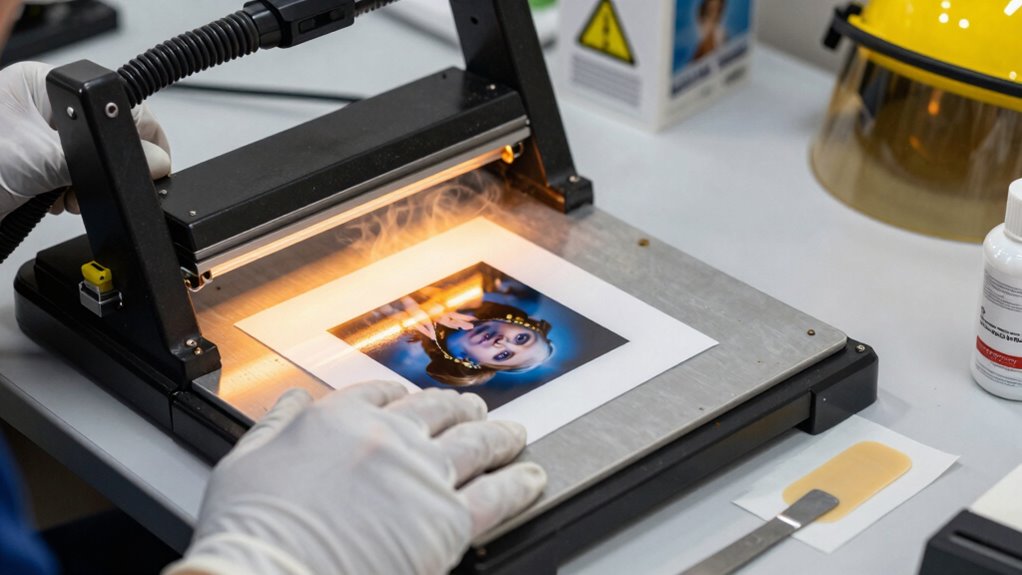
Using Heat Safely in Dry Mounting
When using heat in dry mounting, you need to set the correct temperature to avoid damaging your materials. Never overheat the mounting surfaces or adhesives, as this can cause warping or burns. Always wear protective equipment, like gloves and safety glasses, to stay safe during the process. Additionally, consider using the right tools to ensure even heat distribution and minimize the risk of damage. Maintaining the correct temperature settings is crucial to avoid compromising the integrity of your materials. Universal basic income could provide financial stability for artists, allowing them to invest in high-quality materials. Using smart locks in your workspace can provide an added layer of security while you focus on your dry mounting projects. Employing safe heat techniques is essential to enhance both the effectiveness and safety of your mounting process.
Proper Heat Settings
Using heat safely in dry mounting begins with setting the correct temperature on your heat press or iron. Proper temperature calibration is essential; too high, and you risk damaging your materials, too low, and the adhesive won’t bond properly. Be aware of your heat source types, as each heats differently—an iron may need different settings than a professional heat press. Always start with a lower temperature and gradually increase to find the best setting for your specific materials and adhesive. Additionally, consider consulting product roundups to discover which heat presses and irons are highly rated for optimal performance. Check your equipment’s manual for recommended temperatures, and regularly calibrate your heat source to guarantee accuracy. This careful approach helps prevent overheating, preserves the quality of your materials, and ensures a safe, effective dry mounting process. Additionally, using the right oil in your equipment can enhance performance and ensure consistent results throughout the mounting process.
Avoid Overheating Materials
Setting the right heat level is vital to prevent damaging your materials during dry mounting. Overheating can cause warping, discoloration, or adhesive failure. To avoid this, focus on proper temperature regulation and selecting the right adhesive. Use a heat source with adjustable settings, and monitor the temperature closely. Adhesive selection also matters; choose a product designed for your material and mounting environment. Here’s a quick comparison:
| Adhesive Type | Suitable Temperature Range | Notes |
|---|---|---|
| Heat-activated glue | 180°F – 200°F | Avoid overheating to prevent damage |
| Cold-press adhesives | Room temperature | No heat needed, safest option |
| Hot melt adhesives | 250°F – 350°F | Use carefully, monitor heat |
| Double-sided tape | No heat | No risk of overheating |
| Resin adhesives | Varies, check manufacturer | Follow instructions precisely |
Proper temperature regulation ensures a secure, damage-free mount.
Use Protective Equipment
To stay safe while handling heat in dry mounting, always wear protective equipment designed for high temperatures. Personal protective equipment (PPE) helps prevent burns and injuries, ensuring your workspace safety. Proper PPE includes heat-resistant gloves to handle hot materials, safety goggles to protect your eyes from splashes or sparks, and heat-resistant aprons to shield your body. These items create a barrier between you and potential hazards, reducing the risk of accidents. Remember, working with heat requires focus and caution; PPE is your first line of defense. Always check your protective gear before starting, and replace any damaged items. Prioritizing PPE keeps you safe and maintains a secure workspace, allowing you to work confidently and efficiently.
ventilation fan for craft workspace
As an affiliate, we earn on qualifying purchases.
As an affiliate, we earn on qualifying purchases.
Common Safety Mistakes to Avoid
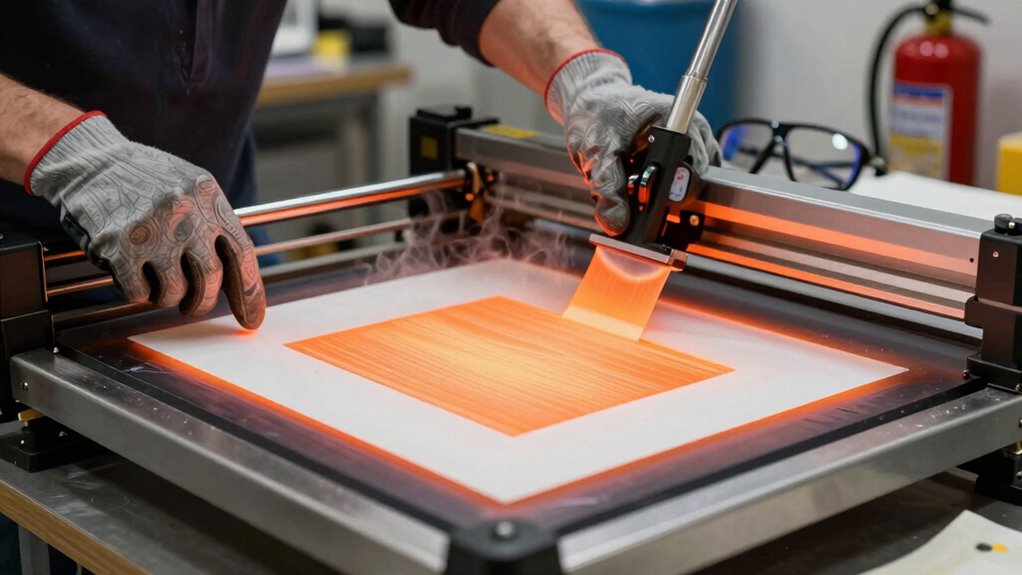
One of the most common safety mistakes in dry mounting is neglecting proper ventilation, which can lead to inhaling harmful fumes from adhesives and mounting supplies. Poor airflow increases exposure to chemical hazards and heightens fire risks. Always work in a well-ventilated area to reduce these dangers. Ignoring this can cause respiratory issues and accidental fires. Be cautious with heat sources, as overheating adhesives can ignite. To help you stay safe, here’s a quick overview:
| Safety Concern | Prevention Tip |
|---|---|
| Chemical hazards | Use in ventilated spaces; avoid fumes |
| Fire risks | Keep heat away from flammable materials |
| General safety | Regularly inspect your workspace |
Protective Gear and Workspace Setup

Having the right protective gear and an organized workspace is essential for safe dry mounting. Proper protective gear, like gloves and safety glasses, shields you from hot adhesives and fumes. A well-planned workspace setup minimizes hazards and keeps tools within easy reach. Make certain your area has good ventilation to disperse fumes and prevent inhalation risks. Keep your workspace clean and free of clutter to avoid accidental contact with heat sources or adhesives.
- Wear heat-resistant gloves and safety glasses at all times
- Arrange tools and materials neatly for easy access
- Use a dedicated, well-ventilated space for mounting tasks
Handling and Disposing of Mounting Materials Safely
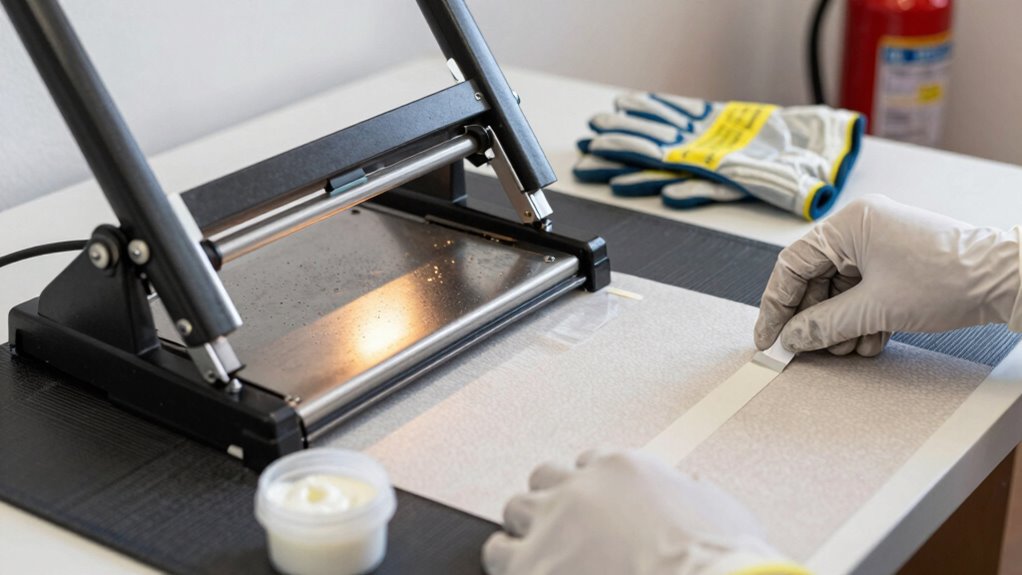
Handling and disposing of mounting materials safely is essential to prevent health hazards and environmental contamination. You should always follow proper disposal procedures to avoid harmful chemical reactions that can occur if materials are improperly discarded. Use designated containers for waste adhesives and mounting supplies, ensuring they are labeled clearly. When disposing of chemicals, avoid mixing different substances, as this can trigger dangerous reactions. Check local regulations for disposal guidelines, and never pour adhesives or chemicals down the drain. Wear protective gear during disposal to prevent skin or eye contact. Always store unused materials safely, and dispose of expired or unused compounds responsibly. Proper handling and disposal protect both your health and the environment, minimizing risks associated with mounting materials.
When to Seek Professional Help for Dry Mounting Safety

Knowing when to seek professional help for dry mounting safety is essential to prevent accidents and guarantee the best results. If you encounter complex projects, uncertain adhesives, or unfamiliar equipment, it’s time to call in experts. Professionals are trained to follow certification requirements and guarantee safety standards are met. If you notice signs of improper mounting, such as bubbling or uneven adhesion, or if the process involves hazardous materials, don’t hesitate to contact emergency services or specialists. They can handle the situation safely and efficiently.
- When you’re unsure about the proper techniques or materials
- If the project requires specialized tools or conditions
- In case of accidents, spills, or exposure to dangerous fumes
Frequently Asked Questions
Can Dry Mounting Materials Cause Long-Term Health Issues?
Dry mounting materials can pose long-term health risks if you’re repeatedly exposed to chemical fumes or adhesives. Continuous inhalation of chemical exposure from adhesives and mounting supplies may lead to respiratory issues or other health problems over time. To protect your long-term health, guarantee proper ventilation, use personal protective equipment, and follow safety guidelines. Avoid prolonged exposure and always handle materials with care to minimize potential health risks.
Are There Eco-Friendly Adhesives Suitable for Dry Mounting?
Yes, eco-friendly adhesives exist that you can safely use for dry mounting. Imagine your artwork perfectly preserved, knowing you’ve chosen biodegradable mounting adhesives that are gentle on the environment. These eco-friendly adhesives reduce chemical impact and are designed to hold securely without harmful fumes. By selecting biodegradable mounting adhesives, you guarantee your project stays beautiful while supporting sustainability, giving you peace of mind from start to finish.
How Can I Prevent Accidental Burns During Heat Application?
To prevent accidental burns during heat application, always wear protective gloves to safeguard your skin. Make sure you have precise temperature control on your heat press or iron, setting it to the recommended level for dry mounting. Keep your work area clear of clutter, and avoid rushing the process. Regularly check the heat source, and never leave it unattended while in use. These precautions help keep you safe from burns.
What Are Safe Storage Practices for Mounting Supplies?
Like a treasure keeper guarding secrets, you should store mounting supplies in sturdy storage containers, ensuring they’re sealed tightly. Keep them in a cool, dry place, akin to a well-guarded vault, to prevent damage. Maintain consistent temperature control, avoiding extreme heat or cold that could compromise adhesives or materials. Regularly check for leaks or deterioration, so your supplies stay safe and ready, like loyal guardians of your craft.
Is It Safe to Dry Mount at Home Without Professional Training?
Dry mounting at home without professional guidance isn’t entirely safe because DIY techniques may lack the precision needed. You could accidentally damage your artwork or create hazardous fumes if you don’t understand heat settings and adhesives. It’s best to seek professional guidance or take a workshop to learn proper methods. This way, you guarantee your artwork stays protected and you avoid safety risks associated with improper dry mounting techniques.
Conclusion
By following safety tips and understanding the risks, you can turn dry mounting into a smooth, worry-free process. Think of it like handling a delicate treasure—you wouldn’t want to damage it with careless heat or adhesives. When you prioritize protective gear, workspace safety, and proper disposal, you create a secure environment. With care, your mounting projects will not only look great but also stay safe, ensuring your creative journey remains a rewarding experience.
Flea & tick season Picks
flea and tick prevention
As an affiliate, we earn on qualifying purchases.