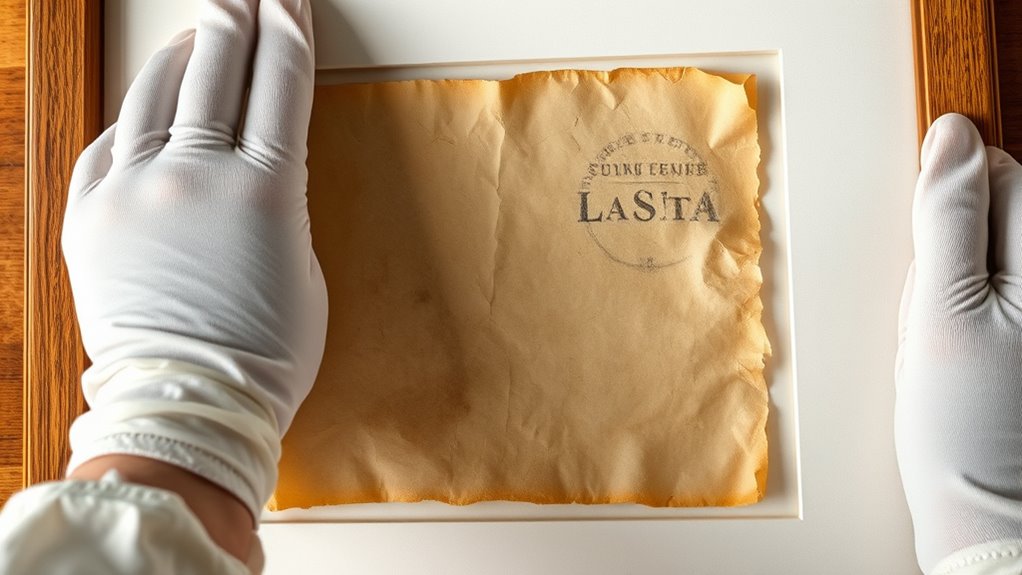

When framing conservation efforts through materials and methods, you should emphasize transparency and ethical practices. Highlight successful restoration techniques like reforestation or invasive species removal while honestly discussing potential impacts and challenges. Use responsible messaging that respects local communities and indigenous knowledge. By doing so, you build trust and encourage support. Staying mindful of ethical standards and highlighting positive outcomes can inspire critical discussions, and if you keep exploring, you’ll discover deeper insights into effective conservation communication.

Get art and craft supplies delivered free — and shop member deals
- Fast, free delivery on millions of items
- Access to Prime Big Deal Days deals on October 6–7
- Prime Video, Amazon Music and more included
Key Takeaways
- Use restoration success stories involving reforestation, wetland creation, or invasive species removal to frame conservation positively.
- Ensure transparency about restoration techniques, including ecological impacts and resource use, to build trust.
- Highlight ethical considerations, respecting local communities and indigenous knowledge in material development and messaging.
- Incorporate responsible communication tools that address cybersecurity and protect sensitive project information.
- Promote critical engagement by explaining complexities and fostering moral responsibility among audiences.

Conservation framing is a powerful communication strategy that shapes how environmental issues are perceived and addressed. When you use framing effectively, you guide your audience to see ecological challenges through a specific lens, influencing their attitudes and actions. One key aspect of this approach involves selecting the right materials and methods to convey your message clearly and compellingly. Your choice of restoration techniques, for example, can be a central component of your framing strategy. Highlighting successful restoration efforts not only demonstrates tangible results but also emphasizes the potential for positive change, making conservation feel achievable and urgent. Whether you focus on reforestation, wetland restoration, or invasive species removal, framing these techniques within a narrative of hope and progress encourages your audience to support or participate in such initiatives.
However, it’s equally important to contemplate the ethical considerations behind your messaging. When you communicate about conservation efforts, you need to be honest and transparent about the methods used. Ethical framing involves acknowledging the complexity and potential impacts of restoration techniques, ensuring your audience understands both benefits and limitations. For instance, some restoration methods might involve manipulating ecosystems or using certain chemicals, which can raise ethical questions about intervention and long-term consequences. By addressing these considerations openly, you build trust and credibility, fostering a sense of shared responsibility. You might emphasize the importance of choosing environmentally sound and culturally sensitive techniques, showing respect for local communities and indigenous knowledge. Additionally, understanding cybersecurity vulnerabilities associated with digital communication tools can help protect sensitive information related to conservation projects.
Using material that reflects these ethical considerations helps you craft a balanced message that resonates with your audience’s values. It’s about creating a sense of accountability and encouraging thoughtful dialogue around conservation. When you frame your message with integrity, you also promote a deeper understanding of the complexities involved in ecological restoration, moving beyond simplistic solutions. This approach can inspire your audience to think critically about the types of restoration techniques they support or advocate for. Ultimately, the combination of strategic framing, responsible messaging, and transparent discussion about restoration techniques and ethical considerations enables you to motivate meaningful engagement. It positions conservation not just as an environmental necessity but as a shared moral responsibility, fostering a more informed and committed community of advocates.
As an affiliate, we earn on qualifying purchases.
Frequently Asked Questions
How Do I Choose the Right Materials for Conservation Framing?
You should choose materials based on your artwork’s needs and display environment. Opt for UV-resistant glass or acrylic to protect against light damage, and decide between matte or glass based on your preference for glare and visibility. Consider matting techniques that complement your piece, using acid-free mats to prevent deterioration. Your goal is to balance protection with aesthetic appeal, ensuring longevity while enhancing your artwork’s presentation.
What Environmental Factors Affect the Longevity of Conservation Frames?
Environmental factors like humidity control and UV protection critically impact your conservation frame’s longevity. Fluctuating humidity causes materials to expand or contract, risking damage. Excess UV light accelerates fading and deterioration of artwork or photographs. To guarantee your frame lasts, keep humidity stable and use UV-protective glass or acrylic. Regularly monitor environmental conditions, and take steps to minimize exposure to harmful light and moisture, preserving your piece for years to come.
Are There Eco-Friendly or Sustainable Framing Options Available?
Yes, eco-friendly framing options are available. You can choose frames made from recycled materials, which reduce waste and environmental impact. Biodegradable options, like wood or bamboo, break down naturally over time, minimizing pollution. These sustainable choices help protect the environment while preserving your artwork or photographs. By opting for recycled or biodegradable framing, you contribute to eco-conscious practices without sacrificing style or durability.
How Can I Identify if My Artwork Needs Conservation Framing?
Did you know that over 70% of artwork shows signs of damage before deterioration is obvious? You should regularly perform a preservation assessment to spot damage indicators like discoloration, warping, or cracking. If you notice these issues, your artwork likely needs conservation framing to protect it. Addressing damage early helps maintain its value and prevents further harm, ensuring your piece stays beautiful for years to come.
What Maintenance Practices Ensure the Preservation of Framed Items?
To preserve your framed items, regularly inspect for dust and dirt, using gentle cleaning techniques like a soft brush or microfiber cloth. Avoid harsh chemicals that could damage the frame or artwork. If you notice cracks or loose joints, perform frame repair promptly to prevent further deterioration. Proper maintenance keeps your artwork in top condition, ensuring it remains protected and visually appealing for years to come.
As an affiliate, we earn on qualifying purchases.
Conclusion
By understanding conservation framing’s materials and methods, you hold the key to revealing sustainable solutions. Think of it as a compass guiding your efforts through the complex terrain of preservation. When you apply these principles, you’re planting seeds for a healthier planet—nurturing growth and resilience. Embrace this approach, and watch as your actions ripple outward, transforming challenges into opportunities like a spark igniting a wildfire of positive change.
invasive species removal equipment
As an affiliate, we earn on qualifying purchases.
As an affiliate, we earn on qualifying purchases.
conservation project communication tools
As an affiliate, we earn on qualifying purchases.
As an affiliate, we earn on qualifying purchases.
Fall Picks
fall essentials
As an affiliate, we earn on qualifying purchases.