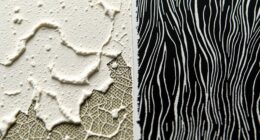
To develop a signature style through experimentation, you should explore various mediums, techniques, and aesthetics to discover what truly resonates with you. Try mixing different styles, push your limits, and embrace risks to uncover unique elements that reflect your personality. Over time, this process helps you refine your visual language and build a memorable identity. Keep exploring—and you’ll find ways to make your creative voice stand out even more.
Key Takeaways
- Explore various mediums and techniques to discover what resonates most with your artistic voice.
- Embrace trial and error to refine your aesthetic choices and develop unique visual elements.
- Incorporate personal preferences like bold colors or minimalism to shape a consistent signature style.
- Take creative risks by experimenting with new materials or concepts to expand your artistic boundaries.
- Continuously revisit and reinvent your approach to reflect growth, evolving tastes, and deeper personal expression.

Have you ever wondered what sets your style apart from others? Developing a signature style through experimentation is your chance to carve out a unique identity that reflects who you are. It starts with understanding that personal branding isn’t just about logos or social media—it’s about how you express yourself through your art, fashion, or creative pursuits. The more you explore different mediums, techniques, and aesthetics, the more you discover what feels authentic to you. This process of trial and error helps you establish a consistent visual language, making your artistic influence recognizable and memorable.
As you experiment, pay attention to what naturally resonates with you. Maybe you’re drawn to bold colors, minimalism, or vintage styles. These choices shape your personal branding by creating a visual narrative that tells others who you are as an artist or creator. Don’t be afraid to mix and match styles or challenge traditional norms—your signature is born from these bold explorations. Each experiment becomes a building block, adding layers of complexity and depth to your overall aesthetic. Over time, these consistent elements become your signature, making your work easily identifiable even without your name attached.
Taking risks is essential. When you step outside your comfort zone, you open yourself to new artistic influences that can redefine your style. For instance, trying out different materials or techniques may push you in unexpected directions. This not only broadens your skill set but also helps you develop a more refined sense of what works for you. Your personal branding should reflect your growth and evolving tastes, so don’t shy away from revisiting ideas or reinventing your approach. Every experiment adds to your artistic influence, shaping how others perceive your creative voice. Additionally, embracing artistic techniques such as primitive weapons or sustainable tools can inspire innovative ideas and perspectives in your work.
Frequently Asked Questions
How Long Does It Typically Take to Develop a Signature Style?
It usually takes several months to a few years to develop your signature style. During this style evolution, you’ll engage in creative exploration, trying different techniques and ideas. As you experiment, your unique voice will emerge. Keep practicing consistently, reflect on what resonates most, and stay open to growth. Over time, your distinctive style will become clearer, making your work truly stand out.
Can Experimenting Hinder the Process of Creating a Signature Style?
Experimenting can seem like it might hinder your progress, but it actually sparks your creativity and helps refine your style. When you take creative risks, you might feel uncertain at first, yet these experiences lead to style consistency over time. Just like a painter blending colors, trying new techniques shapes your unique signature. Keep experimenting thoughtfully, and you’ll discover a style that’s authentic, confident, and unmistakably yours.
Should I Focus on Trends or Originality When Experimenting?
You should focus on originality while experimenting, but stay aware of trends to avoid losing your unique voice. Balancing trend awareness with influence helps you innovate without copying, allowing your style to evolve naturally. Embrace experimentation to discover what truly resonates with you, blending inspired ideas with your authentic perspective. Prioritizing uniqueness over chasing every trend ensures your signature style remains genuine and distinctive.
How Do I Stay True to Myself During Experimentation?
Think of your style as a garden; staying true to yourself means tending to your unique plants. To preserve authenticity, listen to your inner voice and let it guide your choices. Keep experimenting, but regularly check in with what feels genuine. This way, your personal voice remains clear, and your signature style flourishes authentically, reflecting who you are without losing sight of your core identity.
Is It Necessary to Have Formal Training to Develop a Signature Style?
You don’t need formal training to develop a signature style, as artistic freedom allows you to explore your unique voice. While technical skills can enhance your work, they aren’t mandatory; experimentation helps you discover what resonates. Focus on expressing yourself freely, honing your skills through practice, and embracing your individuality. Over time, your authentic style will emerge, shaped by your personal journey and creative choices.
Conclusion
Now that you’ve begun experimenting and pushing boundaries, remember—your signature style is still evolving. Every choice you make brings you closer to a unique voice only you can create. But don’t get too comfortable—there’s always another layer to discover, a daring twist waiting just around the corner. Keep exploring, keep surprising yourself. Your signature style isn’t finished yet. The next bold move could change everything—are you ready to see where it takes you?