
TL;DR
The best art supplies for students balance quality, affordability, and safety. Starting with basic, age-appropriate tools and organizing them well helps students explore their creativity effectively.
If you’ve ever handed a young artist a set of cheap markers and watched their excitement fade as the colors bleed or break apart, you know how much supplies matter. Good art tools fuel imagination, boost confidence, and turn a simple doodle into a masterpiece. Whether you’re shopping for a budding Picasso or just helping your kid enjoy creative time, picking the right supplies makes all the difference.
In this guide, you’ll discover the key supplies every student needs, how to choose age-appropriate tools, and tips for staying organized. The goal? Make art fun, accessible, and inspiring — without breaking the bank or sacrificing quality.
Start with basic, age-appropriate supplies like non-toxic pencils, sketchbooks, and washable paints.
Choosing quality over ultra-cheap options improves durability and results, boosting confidence.
Organize supplies with clear containers and label everything to keep creativity flowing smoothly.
Eco-friendly supplies are better for health and the planet, and options are more available than ever.
Digital tools can complement traditional art supplies but shouldn’t replace tactile experience for beginners.
What Basic Art Supplies Should Every Student Have?
Starting with the essentials sets the stage for endless creativity. Pencils and erasers are the foundation — choose a range from HB to 4B for shading and sketching. Sketchbooks with smooth or textured paper invite experimentation. Colored pencils and markers add pops of color, while paints like watercolors or acrylics open new horizons.
Having a variety of these supplies allows students to experiment with different techniques and mediums, fostering a deeper understanding of art. For example, using softer pencils like 2B or 4B can help in shading and creating depth, which is essential for realistic drawings. Sketchbooks with durable paper support multiple media without warping or tearing. The right supplies thus not only enable creativity but also encourage students to explore new styles and skills confidently.

Cra-Z-art Washable Watercolors with Brush, 8 Colors, 1 Tray (10651)
Cra-Z-Art Watercolor Palette comes with 8 brilliant washable watercolors
As an affiliate, we earn on qualifying purchases.
As an affiliate, we earn on qualifying purchases.
How to Pick Age-Appropriate Art Supplies — A Simple 3-Step Guide
- Check safety first. For young children, choosing non-toxic, washable supplies isn’t just about safety — it also encourages independent exploration without the worry of harmful effects. Washable markers and tempera paints make cleanup easier and reduce health risks. As children grow, they can handle more complex, less washable media, which can support skill development and artistic sophistication.
- Match the size and grip. Smaller, chunky pencils and markers are easier for little hands to control, helping develop proper grip and fine motor skills. For older children and teens, more refined tools like fine liners or professional-grade colored pencils enable detailed work and precision, supporting their artistic growth and technical skills. Properly matched tools reduce frustration and make practicing art more enjoyable and productive.
- Balance quality and budget. Investing in decent quality supplies prevents frustration caused by tools that break or don’t perform well. Affordable brands like Prang or Arteza often offer a good balance, providing reliable performance without high costs. However, understanding when to invest in higher-quality, professional-grade tools for advanced work can help students achieve better results and develop a more serious approach to their craft. The tradeoff lies in balancing immediate affordability with long-term artistic development.
Choosing age-appropriate supplies isn’t just about safety; it directly influences a child’s willingness to experiment and persist with art. For example, non-toxic, washable markers and tempera paints reduce anxiety around messes and safety, encouraging kids to try freely. As they mature, introducing more sophisticated tools helps them refine skills, learn patience, and develop a personal style. The right balance supports growth at each stage, making art both accessible and challenging as needed.

Fuxi 9" x 12" Sketch Book, Top Spiral Bound Sketch Pad, 100 Sheets 68lb/100gsm Acid-Free Drawing Paper, Art Sketchbook for Drawing Pad for Kids Artists & Beginners Professional Art Supplies for Adults
Premium 68lb/100gsm Thick Acid-Free Sketch Paper for Dry Media: This acid-free sketch paper pad offers a smooth surface…
As an affiliate, we earn on qualifying purchases.
As an affiliate, we earn on qualifying purchases.
Compare Traditional and Digital Art Supplies for Students
| Traditional Art Supplies | Digital Art Supplies |
|---|---|
| Pen, pencil, paint, paper. Tactile, hands-on experience. Great for developing fine motor skills, understanding physical media, and fostering sensory learning. These experiences lay a foundational understanding of art principles that are essential even when transitioning to digital tools. | Tablets, styluses, drawing apps. Versatile, no mess, easily undo mistakes, and allow for quick experimentation. Digital art can simulate various textures and techniques, but it often requires a learning curve and can sometimes detach students from the tactile feedback that traditional art provides. |
| Cost varies — from cheap sketchbooks to professional sets. Physical tools require storage and maintenance, which can be a challenge for younger students. | Initial investment in devices like tablets or iPads plus software. Ongoing costs include updates and subscriptions, which can add up but offer continuous access to new features and resources. |
| Ideal for beginners and traditional art learners who benefit from developing fine motor skills and understanding physical media. | Popular in schools emphasizing digital literacy, animation, and graphic design. Digital tools can also be powerful for collaborative projects and sharing work instantly online. |
Understanding the strengths and limitations of each approach helps educators and students choose the right tools for their goals. Traditional supplies build foundational skills and sensory awareness, which are crucial for developing a well-rounded artistic ability. Digital tools, on the other hand, offer flexibility, speed, and access to a broad range of effects and sharing options, making them invaluable in today’s tech-driven world. Combining both can give students a comprehensive skill set, preparing them for diverse artistic pursuits and careers.
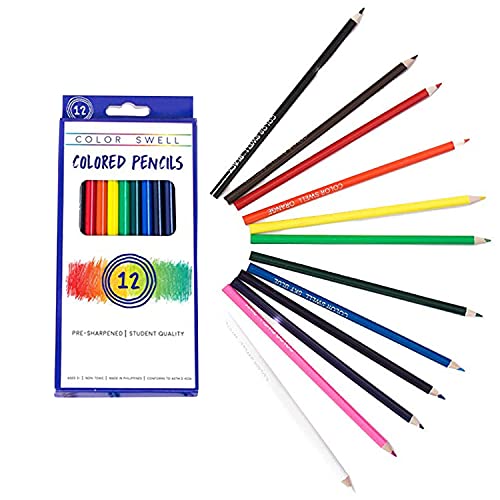
Color Swell Colored Pencil Pack 12 Count Assorted Vibrant Pre-Sharpened Colors Perfect for Kids, Teachers, Classrooms
STUDENT QUALITY AND TEACHER APPROVED FOR UNLEASHING YOUR CREATIVITY Color Swell colored pencils are education quality and budget…
As an affiliate, we earn on qualifying purchases.
As an affiliate, we earn on qualifying purchases.
Frequently Asked Questions
What are the best art supplies for beginners?
Beginners should focus on basic pencils, erasers, sketchbooks, and a set of colored pencils or markers. Brands like Crayola and Prismacolor are trusted for quality and affordability, making them perfect for starting out.
How do I choose age-appropriate art supplies?
Look for non-toxic, washable, and easy-to-handle supplies for young children. For older students, more detailed tools like fine liners, acrylics, and professional-grade colored pencils are suitable.
Are digital art supplies better than traditional ones?
It depends on the student’s goals. Digital tools are versatile and great for editing and sharing, but traditional supplies develop fine motor skills and tactile experience. Many students benefit from a mix of both.
What are eco-friendly art supplies?
Eco-friendly supplies are made from recycled, biodegradable, or non-toxic materials. They help reduce environmental impact and are safer for children’s health.
How can I organize art supplies effectively?
Use clear, labeled containers or pencil cases. Sort supplies by type and keep a dedicated space for art to encourage regular practice and easy access.

Citylife 17 QT Plastic Storage Bins Clear Storage Box with Lids Multipurpose Stackable Storage Containers for Organizing Tool, Craft, Crayon
【Organization Made Easy】With the modular Citylife plastic storage bins with lids, taking a minimalist approach to storage can…
As an affiliate, we earn on qualifying purchases.
As an affiliate, we earn on qualifying purchases.
Conclusion
Great art supplies turn a blank page into a playground. Invest in quality, keep things organized, and choose eco-friendly options whenever possible.
Remember, the right tools don’t just make art easier — they make it more fun. So, pick your supplies wisely and let your creativity run wild.