
TL;DR
Play games included with Prime
Start a Prime free trial and play with Amazon Luna on your devices.
Start playingAs an affiliate, we earn on qualifying purchases.
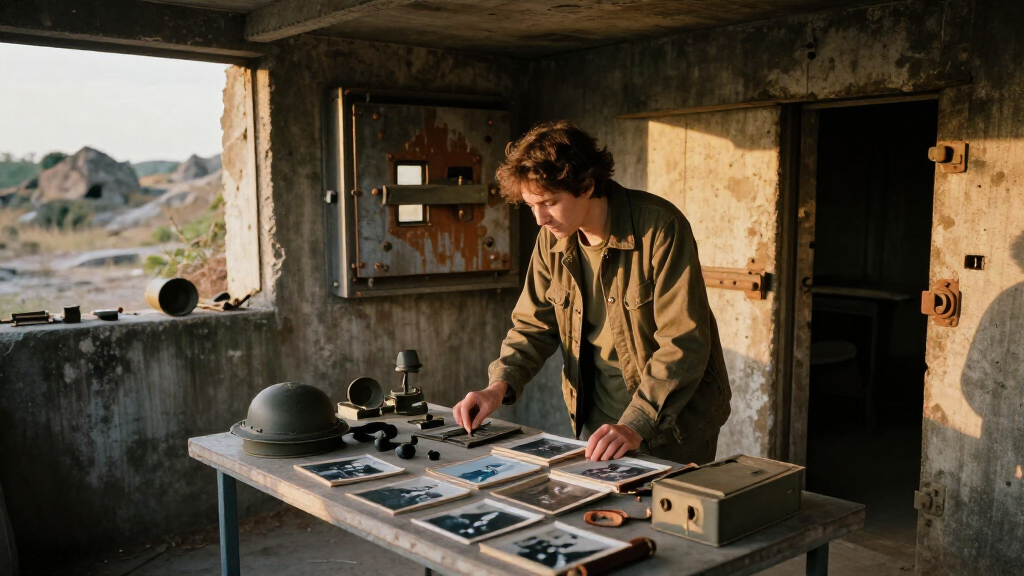
Artist Vincenzo Pagliuca has created a series of portraits depicting WWII bunkers in South Tyrol. The works aim to preserve the region’s wartime history and spark renewed interest in its military heritage.
Artist Vincenzo Pagliuca has unveiled a series of portraits depicting WWII bunkers in South Tyrol, bringing renewed attention to the region’s wartime history. The works serve to preserve the memory of military structures that dot the landscape and highlight their cultural significance, sparking interest among historians, locals, and visitors alike.
Pagliuca’s portraits focus on the rugged, weathered bunkers scattered across South Tyrol, a region heavily fortified during World War II. The artist’s approach emphasizes the physicality and resilience of these structures, which have often been overlooked or forgotten in contemporary times. The series was exhibited at a recent cultural event in Bolzano, attracting media coverage and public interest.
According to sources close to the exhibition, the portraits aim to connect viewers with the wartime past, emphasizing the region’s strategic importance during WWII and the enduring presence of military architecture in the landscape. The works also evoke questions about how societies remember and interpret their wartime histories, especially in border regions like South Tyrol.
Local historians and cultural commentators have praised Pagliuca’s work for its evocative power and its role in fostering dialogue about the region’s complex WWII legacy. The bunkers, once symbols of conflict, are now being recontextualized as historical monuments and cultural artifacts.
Cultural Memory and WWII Bunkers in South Tyrol
The portraits by Vincenzo Pagliuca contribute to ongoing discussions about cultural memory and the preservation of WWII history in South Tyrol. These structures, often seen as relics of conflict, are now being recognized as important symbols of regional identity and history. The artworks encourage viewers to reflect on the enduring impact of war and the importance of remembering past conflicts to inform present and future generations.
This focus on military architecture also raises awareness about the region’s strategic role during WWII and the physical remnants that remain as tangible links to that period. The works may influence how local communities and authorities approach the conservation of these sites, balancing historical preservation with tourism and education.
As an affiliate, we earn on qualifying purchases.
South Tyrol’s WWII Fortifications and Cultural Heritage
South Tyrol, a border region between Italy and Austria, was heavily fortified during World War II, with numerous bunkers and military installations constructed to defend against potential invasions. These structures, built by both Italian and German forces, have historically been considered military assets and strategic defenses. Over the decades, many have fallen into disrepair or been neglected, although some have become historical sites and tourist attractions.
In recent years, there has been a growing interest in preserving and interpreting these wartime structures as part of the region’s cultural heritage. Artists like Vincenzo Pagliuca are contributing to this effort by creating artworks that highlight their physical presence and historical significance, fostering a broader conversation about memory and history in South Tyrol.
The region’s complex WWII history remains a topic of debate among historians and local communities, especially regarding how to commemorate and interpret these structures without glorifying conflict. The recent attention from artists and cultural institutions indicates a shift toward acknowledging these sites as important educational and memorial resources.
military architecture photography prints
As an affiliate, we earn on qualifying purchases.
As an affiliate, we earn on qualifying purchases.
Unconfirmed Details About the Artist’s Future Plans
It is not yet clear whether Vincenzo Pagliuca plans to expand his series to include other WWII sites across Italy or Europe. Details about upcoming exhibitions or publications related to this project remain unconfirmed at this stage.
As an affiliate, we earn on qualifying purchases.
Next Steps for the Preservation and Exhibition of Bunker Portraits
Future developments may include touring exhibitions, educational programs, or collaborations with historical societies to further explore South Tyrol’s WWII heritage. Authorities and cultural organizations are expected to consider how these artworks can contribute to preservation efforts and public awareness campaigns.
As an affiliate, we earn on qualifying purchases.
Key Questions
Why are WWII bunkers in South Tyrol significant?
The bunkers are remnants of South Tyrol’s strategic military defenses during WWII, representing both historical conflict and regional identity. They serve as tangible links to the past and are increasingly recognized as cultural heritage.
What is Vincenzo Pagliuca’s artistic approach?
Pagliuca’s portraits focus on the physical and emotional resilience of the bunkers, emphasizing their weathered textures and enduring presence in the landscape to evoke historical reflection.
How are these artworks impacting local perceptions of WWII history?
The portraits are fostering dialogue about the region’s wartime past, encouraging appreciation of the bunkers as cultural and historical monuments rather than mere relics of conflict.
Are there plans to preserve or restore these bunkers?
While specific restoration projects have not been announced, the artworks are contributing to increased awareness and interest in preserving these structures as part of South Tyrol’s cultural heritage.
Will the portraits be available online or in publications?
Details about digital or print dissemination are not yet confirmed, but future exhibitions and publications are likely to feature Pagliuca’s series.
Source: rss
NFL season / tailgating Picks
team gear
As an affiliate, we earn on qualifying purchases.